


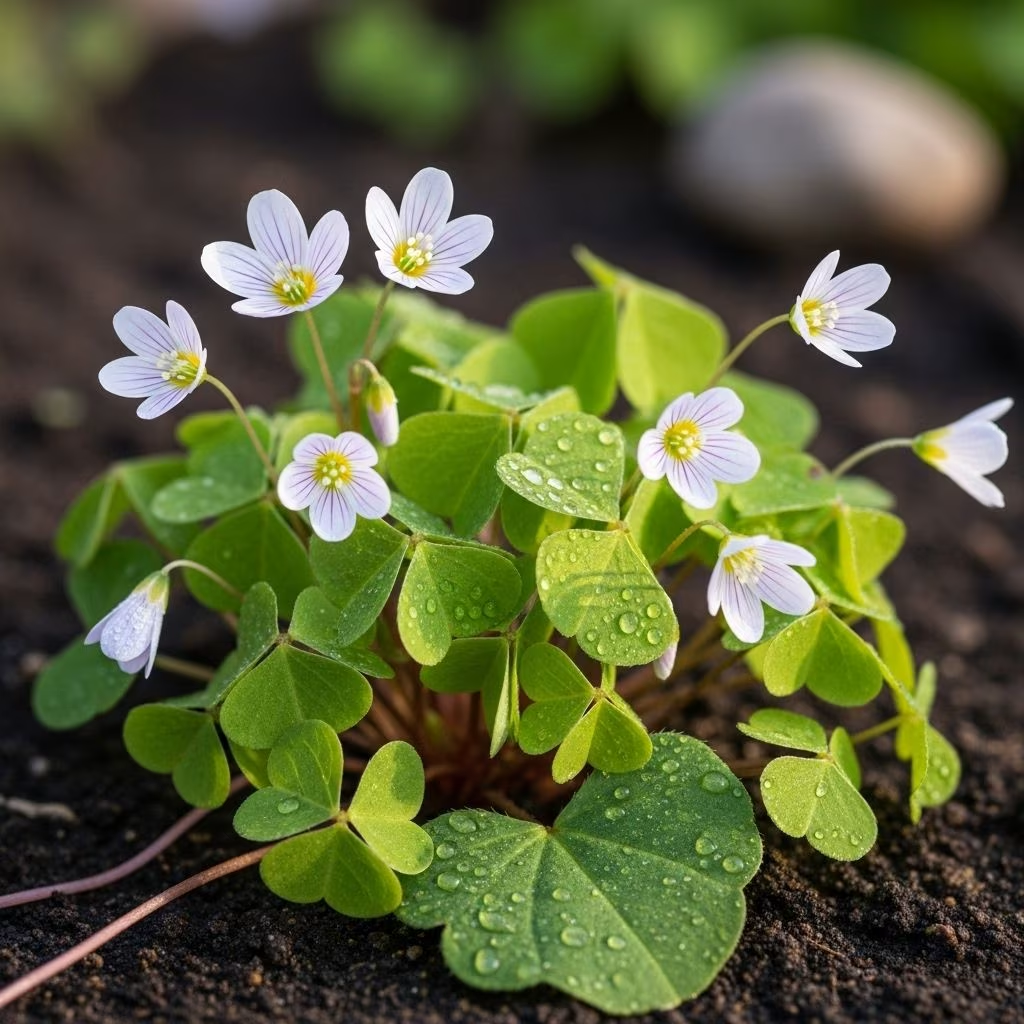
Wood sorrel, belonging to the genus Oxalis, is a fascinating, widespread plant known for its heart-shaped leaves and sour, lemony flavor. Revered by foragers and herbalists for centuries, it offers a range of culinary and medicinal uses, as well as ecological benefits. This article provides an in-depth guide to wood sorrel’s identification, health influences, utility, and the distinctive taste that sets it apart in the plant world.
Introduction to Wood Sorrel
Wood sorrel refers to a large group of plants in the Oxalis genus, found across temperate regions worldwide. Known variously as common wood sorrel, yellow wood sorrel, or simply sorrel, its characteristic trifoliate (three-leaflet) design often sparks confusion with shamrock and clover species. Traditionally cherished for its refreshing flavor and medicinal properties, wood sorrel has become a staple amongst wild foragers and naturalists.
How to Identify Wood Sorrel
Successful identification is fundamental to safe consumption and use. Here’s how to distinguish wood sorrel in the wild:
- Leaves: Trifoliate—each set of leaves consists of three heart-shaped leaflets, typically bright to lime green. Unlike clover, the leaflets are symmetrical and have a noticeable notch at the tip. The leaves also fold up at night or during rainfall.
- Flowers: Five-petaled flowers ranging from white (with lilac veins) to yellow, pink, or pale purple, depending on species. Flowers usually appear singly atop slender stalks from April to early fall.
- Fruit and Seeds: Long, capsule-like pods that split explosively to disperse seeds every season, allowing the plant to spread rapidly.
- Stems: Usually thin and trailing or erect, sometimes displaying small hairs or upright growth.
- Height: Typically low-growing—most plants don’t exceed 6–12 inches, though some species may sprawl across the ground or rise up to 23 centimeters (9 inches).
| Attribute | Description |
|---|---|
| Leaf Shape | Trifoliate, heart-shaped, with notched tip (resembles shamrock) |
| Flower Color | White with lilac veins, yellow, pink, purple (species-dependent) |
| Growth Habit | Low-lying, mat-forming, or upright stems |
| Fruit/Seed Pod | Slender pods that burst open when mature |
Common Species of Wood Sorrel
There are hundreds of Oxalis species worldwide, but several stand out for their abundance and practical importance:
- Common Wood Sorrel (Oxalis acetosella): Native to woodland areas in Europe and North America; small, delicate plant with white-purple veined flowers. Highly shade-tolerant and often found carpeting forest floors.
- Yellow Wood Sorrel (Oxalis stricta): Widespread in North America; notable for its bright yellow five-petaled flowers; forms mats through underground rhizomes.
- Creeping Wood Sorrel (Oxalis corniculata): Features reddish to purple stems and above-ground stolons (runners); forms dense mats in disturbed soils.
- Violet Wood Sorrel (Oxalis violacea): Recognizable by its pink to purple flowers and native habitat in prairies and woodlands.
Species may be differentiated by subtle changes in leaf hairs, flower color, or whether their stolons grow above or below ground. Foragers should familiarize themselves with local species before consumption.
Ecological and Wildlife Benefits
Wood sorrel plays several vital roles in its habitat:
- Pollinator Support: Early spring flowers provide nectar and pollen for bees, butterflies, and other insects at a time when other blooms are scarce.
- Herbivore Forage: The leaves and shoots are eaten by rabbits, deer, and a variety of insects, forming part of many local food webs.
- Soil Improvement: The dense mats formed by certain species help prevent soil erosion and keep the forest floor moist by providing shade.
- Invertebrate Shelter: Dense growth offers refuge for invertebrates such as beetles and slugs.
Nutritional and Health Benefits
Wood sorrel’s main nutritional attraction is its vitamin C content—the source of its classic sour tang. The plant is also valued in traditional medicine for its gentle diuretic, fever-reducing, and digestive properties. Here’s an overview of its nutritional and medicinal appeal:
- Rich in Vitamin C: Historically consumed to prevent scurvy; the fresh leaves, in particular, provide a refreshing dose of ascorbic acid.
- Antioxidant Properties: Contains bioactive compounds that help fight oxidative stress and inflammation.
- Digestive Aid: The sourness helps stimulate saliva and digestion, while modest use can ease minor stomach upsets.
- Cooling Effect: Traditionally used as a refrigerant to reduce fevers in herbal folk medicine.
- Mild Diuretic: Encourages urination, supporting kidney and urinary tract health.
Oxalic acid is the compound responsible for many of the plant’s perceived benefits and risks—it imparts the distinct acidic tang and also serves as an antioxidant when consumed in moderation. However, high intake can interfere with the absorption of minerals such as calcium, so modest use is key.
Culinary Uses and Preparation
Wood sorrel is considered one of the most accessible wild edibles. Its tender stem, leaves, and flowers are all safe to eat (with the caveats mentioned in the safety section). Below are ways wood sorrel is incorporated into food and drink:
- Fresh Greens: Adds a zesty note to salads, sandwiches, and wraps—a perfect stand-in for lemon when none is available.
- Garnishes: The decorative heart-shaped leaves are used by chefs to top soups, egg dishes, or desserts for a tangy accent.
- Herbal Teas: Both hot and cold infusions of the leaves are used to make a refreshing, slightly sour tea, sometimes mixed with honey or paired with mint.
- Traditional Recipes: In some regional cuisines, wood sorrel is used to sour soups, sauces, or beverages much in the way sorrel (Rumex acetosa) is used.
- Lemon Substitute: The leaves can be muddled into drinks or vinaigrettes and pestos for a citrusy hit.
Preparation Tips:
- Best consumed fresh—leaves wilt quickly after picking.
- For drinks or infusions, use no more than 1–2 tablespoons of leaves per cup.
- Forage from areas away from foot traffic or pesticides.
Taste Profile of Wood Sorrel
The hallmark of wood sorrel is its uniquely tart, lemony flavor, reminiscent of apples, lemons, or unripe grapes. This zing comes directly from its high oxalic acid content; no other wild edible of its size is as sharply refreshing. Here’s how its taste is typically described:
- Tart/Sour: The immediate sensation is tangy and mouth-watering—akin to licking a lemon or green apple peel.
- Lemony Freshness: Underlying the sharpness is a citrusy sensation; ideal as a flavor enhancer.
- Clean Finish: The aftertaste is crisp, not bitter, making it an appealing addition to mild or fatty foods.
Note: While palatable to most, reactions to the strong flavor can be mixed. Some find the intensity overwhelming if eaten alone; others seek it out as a wild tangy “candy.”
Harvesting, Safety, and Precautions
Wood sorrel is generally considered safe for healthy adults and children when eaten in moderation, but a few key guidelines must be followed:
- Identification: Be sure to confirm correct identification; avoid confusion with clover or any toxic look-alikes (though true wood sorrel is not harmful in normal amounts).
- Oxalic Acid Warning: High intake can potentially cause irritation to the kidneys or exacerbate medical conditions such as kidney stones due to the oxalic acid present.
- Children and Pets: The tangy flavor makes it inviting, but children, pregnant women, and individuals with certain health conditions (kidney issues, gout) should avoid eating large amounts.
- Source Integrity: Always forage from areas free from chemical treatments, pollution, or pet waste.
In emergencies (such as foraging for food in the wild), the plant offers a valuable source of vitamin C and hydration but should still be consumed thoughtfully.
Frequently Asked Questions (FAQs)
Q: Is wood sorrel safe to eat raw?
A: Yes, the leaves, flowers, and stems of wood sorrel are safe to eat raw for most people in small to moderate amounts. Excessive consumption, however, should be avoided due to oxalic acid content.
Q: Does wood sorrel really taste like lemon?
A: Yes, wood sorrel’s sour, citrus-like tang closely resembles lemon, making it a popular wild flavoring agent in salads and drinks.
Q: Are all species of wood sorrel edible?
A: Most commonly encountered wood sorrel species are edible, but it is critical to identify them accurately and avoid overconsumption.
Q: How can I tell wood sorrel apart from clover?
A: Clover leaves are rounder or oval, whereas wood sorrel has distinctly heart-shaped, notched leaflets. Wood sorrel often exhibits napping behavior (folding at night), which is uncommon in clover.
Q: What medicinal uses does wood sorrel have?
A: Traditionally, it’s been used for mild fevers, stomach discomfort, and as a cooling diuretic, but always with moderation and professional guidance.
Conclusion
Wood sorrel is an enchanting wild plant whose delicate appearance belies a lively sour flavor and array of practical uses. From supporting pollinators and providing ground cover, to perking up meals and supplying vitamin C, wood sorrel is both beautiful and functional. While easily foraged and widely present, it rewards the cautious and respectful forager—always best enjoyed fresh and in moderation, it remains a symbol of spring and renewal under forest canopies and garden margins alike.
References
- https://extension.umn.edu/weeds/yellow-wood-sorrel
- https://thehazeltree.co.uk/2013/04/06/wood-sorrel-modesty-in-miniature/
- https://feralforaging.com/wood-sorrel/
- https://www.woodlandtrust.org.uk/trees-woods-and-wildlife/plants/wild-flowers/wood-sorrel/
- https://www.fs.usda.gov/wildflowers/plant-of-the-week/oxalis_stricta.shtml
- https://en.wikipedia.org/wiki/Oxalis
- https://blog.woodland-ways.co.uk/hedgerow-medicines/wood-sorrel/
- https://fieldguide.mt.gov/speciesDetail.aspx?elcode=PDOXA010T0
- https://www.missouribotanicalgarden.org/PlantFinder/PlantFinderDetails.aspx?taxonid=284829&isprofile=0&pt=8


