


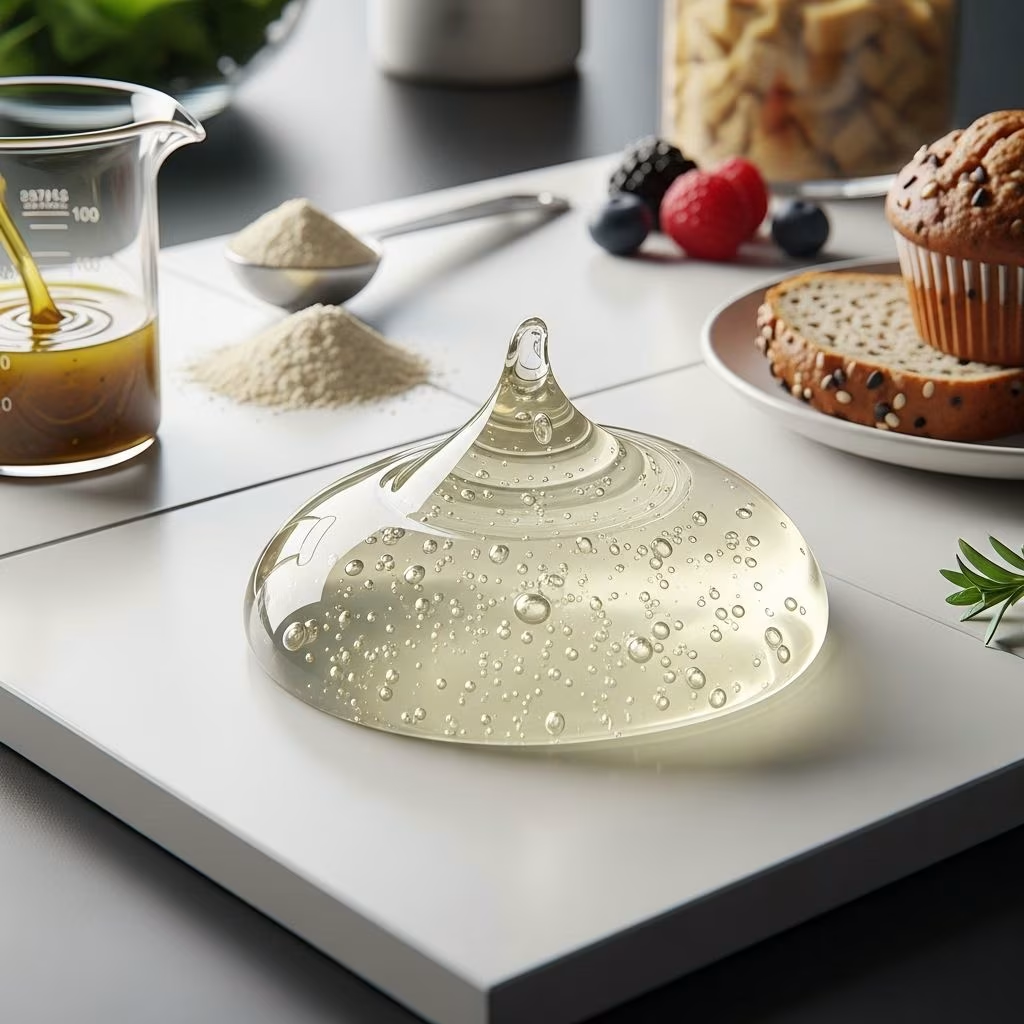
Xanthan gum is a popular food additive and industrial ingredient recognized for its unique thickening and stabilizing properties. Used in everything from gluten-free baking to salad dressings, cosmetics, and even oil drilling, xanthan gum’s versatility and functional roles make it one of the most important modern additives. This article explores what xanthan gum is, how it’s made, its main benefits and uses, potential health effects, what it tastes like, and answers to frequently asked questions.
What Is Xanthan Gum?
Xanthan gum is a polysaccharide—a complex carbohydrate made by fermenting sugars with the bacterium Xanthomonas campestris. It is widely used as a thickener, stabilizer, and emulsifier in foods and industrial products. Its ability to increase viscosity at very low concentrations and to stabilize mixtures that otherwise separate makes it uniquely valuable, particularly in gluten-free baking and processed foods.
The U.S. FDA approves xanthan gum as a food additive (E415), confirming its safety across a wide array of products.
Main Properties of Xanthan Gum
- Thickening without heat or flavor distortion
- Stabilizing emulsions and suspensions
- Maintaining viscosity under a wide range of temperatures and pH levels
- Texture and moisture enhancement—especially in gluten-free foods
How Is Xanthan Gum Made?
Xanthan gum production involves a microbial fermentation process. Manufacturers cultivate Xanthomonas campestris on a medium of glucose or another carbohydrate, often derived from corn, soy, wheat, or dairy. During fermentation, the bacteria secrete a slimy, viscous coat of xanthan gum.
- Sugar solution is inoculated with Xanthomonas campestris.
- The bacteria ferment the sugar, producing xanthan gum.
- The mixture is pasteurized (heated) to kill the bacteria.
- Xanthan gum is separated out, dried, and ground into a fine powder.
The final xanthan gum powder is highly concentrated and completely free of any live bacteria or plant material from the production process.
Key Benefits of Xanthan Gum
- Texture and Consistency: Xanthan gum imparts a creamy consistency in liquids and provides a structure and elasticity similar to gluten in baked goods.
- Stability: It prevents separation of ingredients in sauces, dressings, and dairy products, adding shelf-stability and improved mouthfeel.
- Moisture Retention: Retains moisture in baked goods, reducing staleness and improving shelf-life.
- Heat and pH Tolerance: Stable across a wide temperature range and with acidic, neutral, or alkaline foods.
- Small Effective Dose: Only a tiny amount (0.05%–0.3% by weight) is needed for noticeable effects.
Primary Uses in Food
Xanthan gum’s most visible role is in the food industry. Its importance has grown in step with demand for processed foods, shelf-stable products, special diets, and gluten-free foods.
Common Food Applications
- Thickening Agent: Used to create and maintain the creamy viscosity of salad dressings, gravies, sauces, and soups—without added flavor or heat.
- Stabilizer: Prevents separation in dairy (ice cream, yogurt), non-dairy milks, and energy drinks by keeping ingredients suspended and evenly distributed.
- Emulsifier: Holds together mixtures of water and oil, providing a uniform, pourable texture in condiments and mayonnaise.
- Foam and Ice Control: Reduces ice crystal formation in frozen desserts and stabilizes foam in whipped toppings.
- Gluten-Free Baking: Essential for structure, rise, and elasticity in gluten-free bread, cookies, muffins, and pizza dough; mimics gluten’s binding effect.
Baking with Xanthan Gum
Modern gluten-free diets heavily rely on xanthan gum to emulate the texture and chew of wheat-based baked goods. Without gluten, bakes crumble and may not rise properly; xanthan gum helps bind ingredients, add stretch, and retain moisture, resulting in a tender crumb and improved overall quality.
| Food Type | Primary Function | Typical Usage Rate |
|---|---|---|
| Salad Dressings/Sauces | Thickening, Emulsifying | 0.1%–0.3% |
| Baked Goods (Gluten-Free) | Stabilizing, Binding | 0.5%–1% |
| Dairy/Ice Cream | Texture, Ice Inhibition | Approx. 0.1% |
| Beverages | Stabilizing | 0.05%–0.15% |
Xanthan Gum in Other Industries
The utility of xanthan gum goes far beyond the kitchen. It is an essential ingredient in numerous non-food industries due to its stability, viscosity, and safety profile.
- Cosmetics and Personal Care: Used in water gels, facial cleansers, toothpastes, and moisturizers to thicken, stabilize, and improve texture.
- Pharmaceuticals: Acts as a controlled-release agent in medications, enhancing the consistency of syrups and oral suspensions.
- Industrial: Integral to oil drilling fluids (controls viscosity), paints (prevents settling), concrete (improves flow), and even some adhesives.
- Other: Used in some biomedical and agricultural applications for controlled-release and improved suspension.
Taste and Mouthfeel of Xanthan Gum
Xanthan gum itself is tasteless and virtually undetectable in small concentrations commonly used in food. It will not impart flavors or off-notes, making it ideal for recipes that require texture modification without any taste alteration.
The primary sensory effect of xanthan gum is on mouthfeel. In liquids, it creates a smooth, creamy, slightly viscous texture. In baking, it provides chewiness, tenderness, and added structure, particularly in gluten-free recipes.
Potential Health Effects and Safety
The FDA and food safety authorities worldwide approve xanthan gum as safe at typical consumption levels; adverse effects are extremely rare.
Possible Health Benefits
- Blood Sugar Regulation: Some studies suggest xanthan gum may help lower or stabilize blood sugar when combined with other fibers or as part of foods with a high glycemic index.
- Digestive Aid: As a soluble fiber, it may promote bowel regularity and could act as a prebiotic, enhancing gut health by increasing beneficial short-chain fatty acids.
Potential Side Effects
- Large doses above food-level use may cause digestive discomfort, such as bloating, gas, or loose stools, especially in sensitive individuals.
- Rare allergic reactions may occur in those with sensitivities to corn, wheat, dairy, or soy, since these crops can serve as fermentation feedstock.
- Infants, the elderly, and people with severe food allergies may wish to consult a healthcare provider before frequent or high use.
For the vast majority of people, however, xanthan gum is safe, especially at the very low levels required in foods.
Choosing and Using Xanthan Gum at Home
Xanthan gum is available in most supermarkets and specialty stores, often in the baking or gluten-free aisle. It is sold as a fine white powder and should be stored in an airtight container, away from moisture and heat.
Tips for Home Use
- Measure Carefully: Start with the recommended amount in recipes—using more can result in overly gummy or slimy textures.
- Dissolve Completely: To prevent clumping, sprinkle it into liquid slowly while whisking, or blend it with dry ingredients before mixing into batters or doughs.
- Combine with Other Gums: Xanthan gum is sometimes blended with guar gum or other hydrocolloids for tailored texture in specific recipes.
- Label Awareness: Check ingredient lists to confirm the gum’s source if you have food allergies related to corn, soy, wheat, or dairy.
Frequently Asked Questions (FAQs)
Q: Is xanthan gum natural or artificial?
A: Xanthan gum is considered a natural polysaccharide produced by bacterial fermentation of sugars. While it is laboratory-processed, it is not chemically synthesized.
Q: Can I use something else instead of xanthan gum?
A: Yes, alternatives include guar gum, locust bean gum, agar, pectin, and gelatin. However, none perfectly replicate the unique texture of xanthan gum, especially for gluten-free baking.
Q: Is xanthan gum vegan and allergen-free?
A: Xanthan gum itself is vegan; however, it may be grown on wheat, soy, or dairy sugars, so those with severe allergies should check sources carefully.
Q: Does xanthan gum change the taste of food?
A: Xanthan gum is tasteless at food-use levels and is not detectable in flavor. Its primary effects are on texture and consistency.
Q: Is it safe for children and during pregnancy?
A: Yes, it is generally recognized as safe (GRAS) at normal food-use levels, including for children and pregnant women, unless otherwise contraindicated due to specific allergies.
Q: How much xanthan gum is too much?
A: Normal consumption through food is safe; significant overconsumption may cause digestive upset. Follow recipe recommendations and avoid excessive dosing.
Conclusion
Xanthan gum is a multifaceted food additive essential for modern baking, food manufacturing, cosmetics, personal care, and industrial products. Its unparalleled ability to thicken, stabilize, and emulsify—without added flavor or loss of texture under stress—makes it an industry staple. With proven safety and potential health benefits, xanthan gum will continue to play a key role in food science and beyond for years to come.
References
- https://elchemy.com/blogs/food-nutrition/what-is-xanthan-gum-used-for-a-complete-guide-to-its-role-in-baking-beauty-and-beyond
- https://www.bbcgoodfood.com/health/healthy-food-guides/what-is-xanthan-gum
- https://www.medicalnewstoday.com/articles/320272
- https://www.britannica.com/topic/xanthan-gum
- https://www.healthline.com/nutrition/xanthan-gum
- https://ingreland.com/insights/xanthan-gum-information/
- https://en.wikipedia.org/wiki/Xanthan_gum
- https://bansaltrading.com/properties-and-uses-of-xanthan-gum/


