


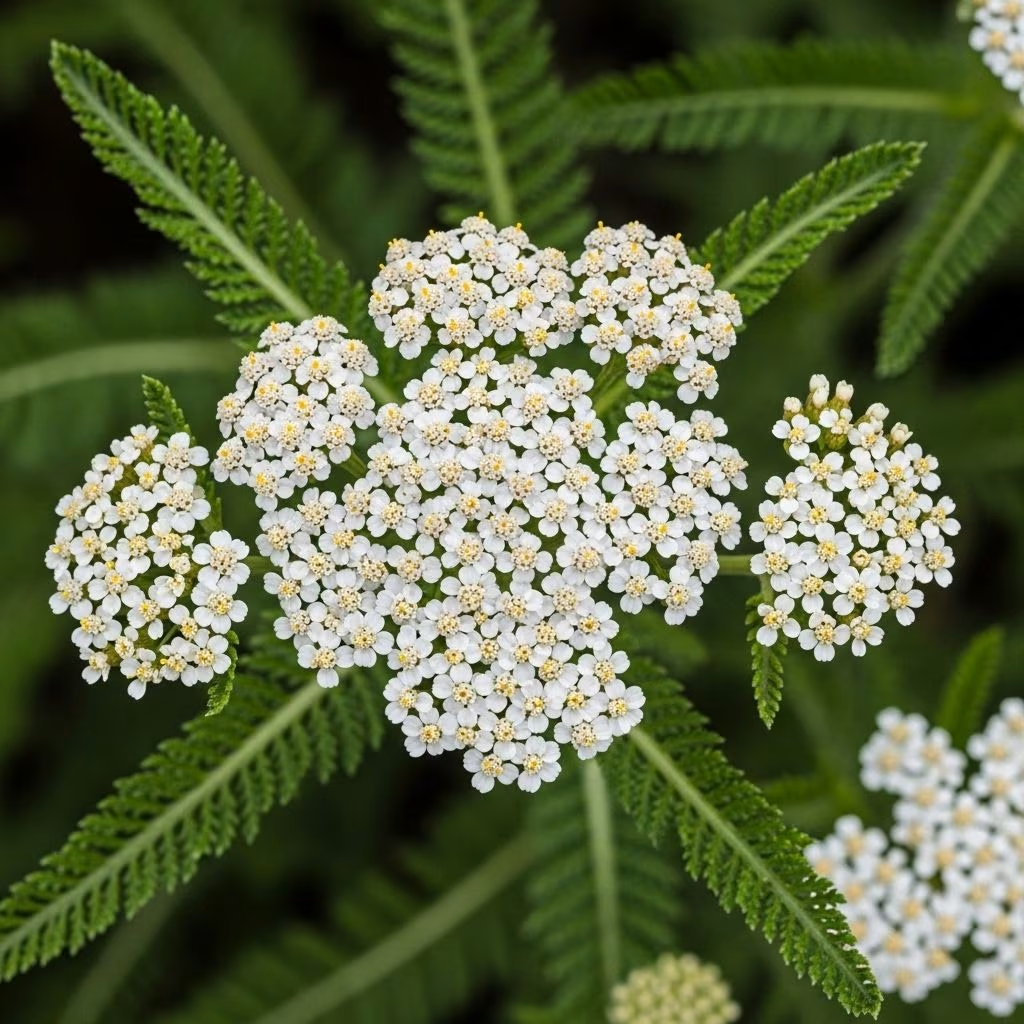
Yarrow (Achillea millefolium) is a resilient flowering herb celebrated for centuries in traditional and modern herbal medicine. From its feathery leaves and delicate white blossoms to its multifaceted healing properties, yarrow remains a staple in natural health, culinary adventures, and folk remedies. This comprehensive guide explores what yarrow is, its pharmacology, key medicinal benefits, practical uses, and its unique taste.
What Is Yarrow?
Yarrow is a perennial herb belonging to the Asteraceae family, native to temperate regions across Europe, Asia, and North America. Known botanically as Achillea millefolium, this herb is distinguished by its clusters of tiny, usually white or pale pink flowers and feathery, aromatic foliage.
Revered since ancient times, yarrow has a rich history in folk medicine, wound care, and ritual practices. The name “Achillea” is attributed to Achilles, the legendary Greek warrior, said to have used yarrow for treating the wounds of his soldiers.
Botanical Profile and History
- Plant Family: Asteraceae (daisy family)
- Common Names: Yarrow, milfoil, soldier’s woundwort, nosebleed plant
- Habitat: Meadows, grasslands, roadsides; thrives in poor, dry soils and withstands drought
- Flowering Season: Early summer to autumn (varies by region)
The use of yarrow as an herbal remedy dates back thousands of years. Its place in Greek, Chinese, European, and Indigenous American traditions is well documented. The herb has been employed for everything from controlling bleeding to encouraging digestive health.
Active Compounds in Yarrow
Yarrow’s medicinal effectiveness is due to its complex biochemical makeup, which includes:
- Volatile oils: Cineole, eugenol, thujone, camphor, azulene (anti-inflammatory, antiseptic, aromatic properties)
- Bitter principles: Helpful for digestive stimulation
- Tannins: Astringent, wound-healing effects
- Flavonoids and alkaloids: Antioxidant, anti-inflammatory, and nervine activity
- Salicylic acid: Anti-inflammatory, similar to components found in aspirin
- Other constituents: Isovalerianic acid, sterols, coumarins
This diversity of active compounds is the foundation for yarrow’s broad spectrum of health applications.
Health Benefits of Yarrow
Yarrow is renowned for numerous health benefits, supported by both traditional knowledge and emerging scientific research:
- Anti-inflammatory: Reduces inflammation both internally and externally, making it suitable for arthritis, skin rashes, and wounds
- Wound healing: Accelerates clotting and tissue regeneration; promotes faster recovery and prevents infection
- Astringent: Constricts tissues, controls bleeding, and aids in healing abrasions and nosebleeds
- Digestive health: Soothes gastrointestinal distress, supports bile flow, relieves cramps, and alleviates symptoms of IBS and bloating
- Mild sedative/nervine: Eases anxiety and stress, gently calms the nervous system, and may support restful sleep
- Antiseptic: Fights infection when applied to wounds and supports immune health
- Diuretic: Increases urination and may help relieve water retention
- Menstrual support: Alleviates menstrual cramps and regulates heavy periods, attributed in part to muscle-relaxant and astringent properties
- Fever management (diaphoretic): Promotes sweating to naturally reduce fevers
- Neuroprotective potential: Early research suggests possible benefit in neurodegenerative diseases such as Alzheimer’s and multiple sclerosis, though more studies are needed
It is important to note that while traditional and preliminary research supports these uses, more large-scale human studies are needed for definitive clinical recommendations.
Scientific Highlights
- A 2019 study found yarrow extracts possess significant anti-inflammatory and antioxidant effects, supporting its role in wound healing and skin recovery.
- Several literature reviews confirm the presence of alkaloids and flavonoids that potentially help with depression, anxiety, and brain health, although robust clinical trials are sparse.
- Historical use as a battlefield herb for traumatic injuries is well documented, lending credibility to yarrow’s nickname, “soldier’s woundwort”.
Traditional and Modern Uses
Yarrow is regarded as one of the most versatile herbs in both household remedies and professional herbal practice. Its uses include both internal and external applications:
- Topical:
- Treatment of cuts, abrasions, and wounds (fresh poultice, salve, or oil infusion)
- Soothing insect bites, rashes, and minor burns
- Nosebleed management (crushed leaf inserted into nostril)
- Internal:
- Digestive aid (herbal tea, tincture)
- Alleviation of menstrual discomfort (tea, tincture)
- Relief of cold and flu symptoms (tea for fever, steam inhalation)
- Gentle anxiety and sleeplessness support
- Other traditional uses:
- Added to herbal beer (historic use)
- Symbolic herb in seasonal ceremonies and rituals
Modern herbalism continues to value yarrow’s role in natural first aid kits, digestive formulations, and calming blends. Yarrow oil is likewise used in some skin care preparations.
How to Prepare and Use Yarrow
There are numerous methods for preparing yarrow based on desired outcomes. Common forms include:
- Yarrow Tea: Steep 1–2 teaspoons of dried yarrow (leaves or flowers) in hot water for 10–15 minutes. Strain and serve with honey or lemon, if desired. Use for digestive health, colds, or gentle relaxation.
- Tincture: Soak dried yarrow in high-proof alcohol for 4–6 weeks; strain and store in a dark bottle. Taken in small doses, this concentrated extract supports digestive, menstrual, and nervous system health.
- Poultice: Crush fresh or dried leaves and apply directly to wounds, insect bites, or inflamed skin. For abrasions, this helps stop bleeding and promote healing.
- Infused oil/salve: Infuse yarrow in a carrier oil (like olive oil) over gentle heat; use topically for skin irritations and slow-healing wounds.
- Steam inhalation: Add yarrow to boiling water and inhale steam for chest congestion, sinus complaints, or menstrual relief.
- Suppositories: Prepared with yarrow and a base (such as coconut oil) for certain gynecological concerns.
Harvesting and Storage
- Leaves and flowering tops are the most medicinally active parts. Harvest young leaves in spring and flowering tops in early summer, just as flowers begin to open.
- Dry thoroughly and store in an airtight container away from direct sunlight.
- For best efficacy, use within one year of harvest.
Yarrow’s Taste and Culinary Applications
Yarrow’s taste is notable for its complexity and bitterness. Here are key features:
- Bitter, earthy, and aromatic – with subtle hints of mint, chamomile, and sage.
- Floral and slightly peppery finish, particularly in the flowers.
- Astringent mouthfeel due to tannins, especially when fresh.
While primarily used medicinally, yarrow’s leaves and flowers are edible and can be incorporated into culinary dishes:
- Salads: Young, tender leaves chopped into mixed green salads for a crunch and slightly bitter accent.
- Herbal beers: Traditional ingredient in some historic ale recipes, contributing both flavor and preservative qualities.
- Savory breads, soups, and stews: Use sparingly, as the flavor can dominate.
- Floral garnish: Flower heads add visual and aromatic appeal to summer plates.
- Infusions: Blended with chamomile, mint, or lemon balm for a nuanced herbal tea.
Due to its intensity, moderate consumption is advised until personal taste preferences are established.
Potential Risks and Precautions
Despite its safety profile for most users, yarrow does have several important precautions:
- Allergies: People allergic to the Asteraceae family (ragweed, daisies) may react to yarrow, experiencing rashes or swelling.
- Pregnancy: Not recommended for pregnant women, as it may stimulate uterine contractions.
- Blood clotting: Yarrow may slow blood clotting; avoid if you are taking anticoagulants or planning surgery.
- Medical conditions: Always consult a qualified healthcare professional before using yarrow if you have chronic illnesses or are on prescription medications.
- Overconsumption: High doses may cause headaches or increased urination.
Frequently Asked Questions (FAQs)
Q: What does yarrow tea taste like?
A: Yarrow tea is distinctly bitter and earthy, with mild floral and slightly peppery undertones. Its astringency is notable, especially when brewed strong. Some compare the taste to a blend of chamomile and sage, and a slice of lemon or honey can mellow its flavor.
Q: How often can I drink yarrow tea?
A: Yarrow tea is typically consumed 1–3 times per day when used for acute issues, such as digestive upset or colds. Prolonged use should be discussed with a healthcare provider, especially for those with allergies or on medications.
Q: Is it safe to use yarrow topically on open wounds?
A: Yes, yarrow has a long-standing history in first aid for wounds due to its antiseptic, astringent, and clotting actions. Clean the area first and discontinue use if irritation develops.
Q: Can yarrow interact with medications?
A: Yarrow may interact with blood thinners (anticoagulants) and medications that affect blood pressure. It is wise to consult a healthcare professional before using yarrow with any prescription drugs.
Q: What is the best way to harvest yarrow for herbal use?
A: Harvest young leaves in spring and flowering tops in early summer, just as buds open. Always use clean shears and avoid harvesting from polluted or treated areas.
Conclusion
Yarrow is a treasured herbal ally with broad utility, from promoting wound healing and easing digestive discomfort to calming the mind and supporting women’s health. Its invigorating bitterness and aromatics add both flavor and function to natural remedies and adventurous cuisine. While yarrow is generally safe for most, always practice mindful use—especially for those who are pregnant, take medications, or have allergies. By respecting both its power and tradition, yarrow continues to earn its place in the herbal apothecary and on the modern table.
References
- https://www.drkourtney.com/the-holistic-method/yarrow-herbal-ally-dr-kourtney
- https://www.healthline.com/nutrition/yarrow-tea
- https://www.permaculture.co.uk/articles/yarrow-and-its-medicinal-benefits/
- https://seedalliance.org/2024/yarrow-a-plant-profile-and-seed-historian-report-by-katya-wesely/
- https://www.groworganic.com/blogs/articles/the-many-benefits-of-yarrow-from-the-flower-to-the-root
- https://pmc.ncbi.nlm.nih.gov/articles/PMC3232110/
- https://www.inaturalist.org/guide_taxa/1243012


