


Egg Yolk Introduction
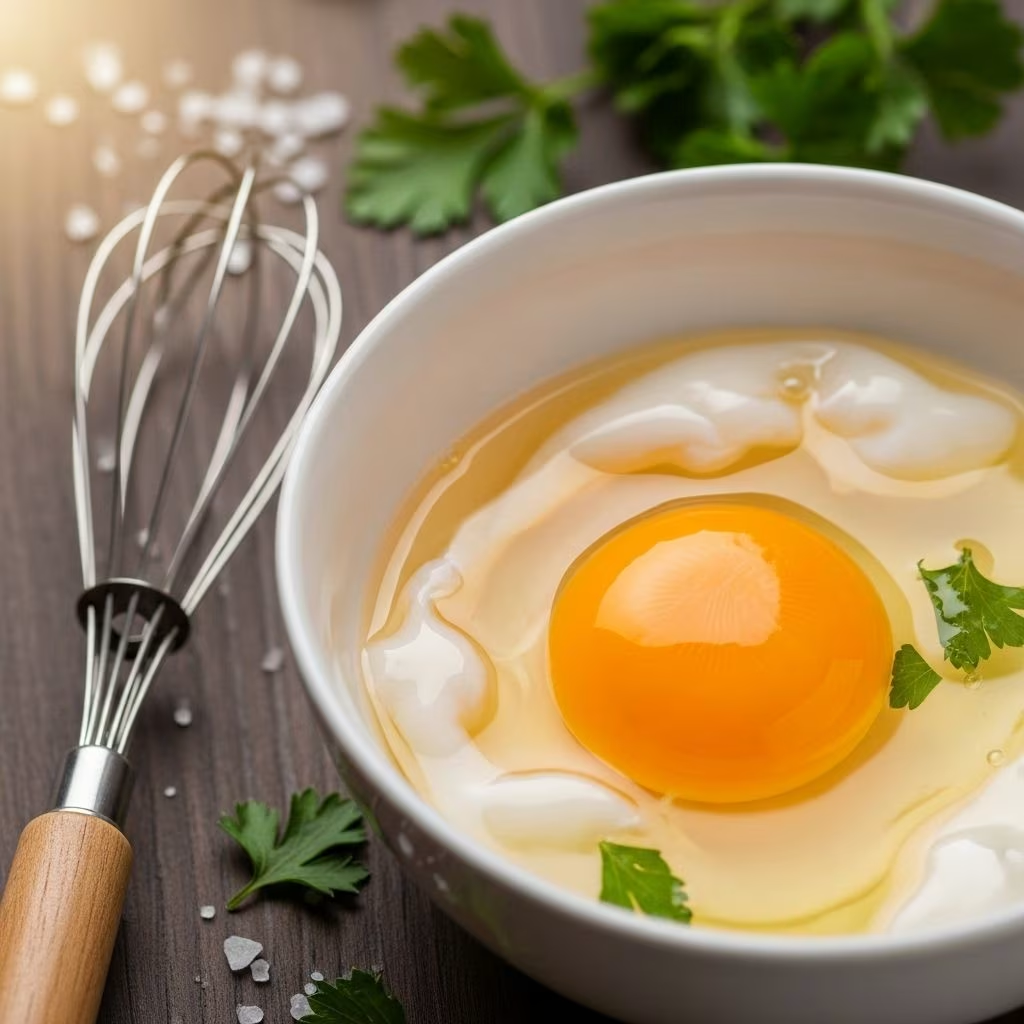
The egg yolk is the yellow, nutrient-rich center found inside eggs from birds such as chickens, ducks, quail, and turkeys. It is encapsulated by the egg white (albumen) and surrounded by a membrane that keeps the yolk contained.
Egg yolk serves as the main source of nourishment for a developing embryo, providing essential nutrients, fats, and proteins. In culinary and nutritional contexts, egg yolk is favored for both its rich flavor and its array of vital nutrients.
Egg yolks are widely recognized as the most flavoursome portion of the egg, often used to enhance dishes and bind ingredients.
Nutritional Composition of Egg Yolk
Egg yolk is considered a powerhouse of nutrition. Unlike the egg white, which is primarily protein, the yolk contains most of the egg’s fat, vitamins, and minerals.
Below is a breakdown of the primary nutrients per large (17g) egg yolk, based on typical values:
| Nutrient | Amount per Large Yolk | Daily Value (%) |
|---|---|---|
| Calories | 55–60 kcal | ~3% |
| Protein | 2.5–2.7 g | ~5% |
| Total Fat | 4.5–6 g | ~10% |
| Saturated Fat | 1.3 g | ~7% |
| Unsaturated Fat | 2.6 g | – |
| Cholesterol | ~213 mg | ~71% |
| Carbohydrate | 0 g | – |
| Sugar | 0 g | – |
Key Vitamins and Minerals
- Vitamin A: Essential for vision, immune function, and skin health.
- Vitamin D: Crucial for bone health and calcium absorption; one of the few natural sources.
- Vitamin E: Antioxidant, protects cells from oxidative stress.
- Vitamin K: Important for blood clotting and bone health.
- B Vitamins: B1 (thiamin), B2 (riboflavin), B6, B12, niacin, and folate for energy metabolism, nervous system, and red blood cell formation.
- Choline: Vital for brain development, memory, and cell health; yolk provides about 60% of daily choline needs.
- Minerals: Calcium, phosphorus, zinc, iron, and selenium.
- Carotenoids: Lutein and zeaxanthin contribute to yellow color and provide antioxidant protection for eyes.
Key Health Benefits of Egg Yolk
Egg yolk offers scientifically backed health advantages thanks to its unique nutrient profile:
- Gut Health Promotion
Contains the protein phosvitin, which can reduce inflammation and help maintain gastrointestinal health. - Immune System Support
Sulfated glycopeptides in egg yolk membranes stimulate production of macrophages—cells that protect against infection and disease. - Heart Health Maintenance
Rich in tryptophan, tyrosine, and amino acids. Yolk peptides may help lower blood pressure and support cardiovascular health. The impact on blood cholesterol is less than previously believed for most healthy people when consumed in moderation. - Improved Skin Texture and Health
Supplies ceramides and peptides which help maintain healthy skin and reduce the appearance of wrinkles. - Eye Protection and Vision Health
High levels of lutein and zeaxanthin are associated with reduced risk of cataracts and macular degeneration by acting as antioxidants in retinal tissues. - Boosted Satiety
Eating whole eggs (yolk plus white) provides balanced protein, fat, and energy, helping to maintain satiety and reducing overall food intake.
Culinary Uses of Egg Yolk
Egg yolk is a staple ingredient in kitchens worldwide, prized for its culinary versatility, ability to thicken, enrich, emulsify, and flavor a wide range of dishes.
Main Culinary Functions
- Flavor Enhancer: The yolk adds depth and richness to both savory and sweet dishes.
- Emulsifier: Egg yolks contain lecithin, which can blend water and fat—crucial in mayonnaise, hollandaise, aioli, and sauces.
- Thickening Agent: Used to thicken ice creams, custards, crème brûlée, and puddings.
- Binding Agent: In cakes, meatballs, and breads, yolks help ingredients bond and maintain structure.
- Color and Glaze: Brushed onto pastries and bread before baking for golden color and shine.
Classic Dishes Featuring Egg Yolk
- Mayonnaise, Hollandaise, Béarnaise sauce
- Custards, puddings, flans, ice cream bases
- Pasta doughs (e.g., tagliatelle)
- Baked goods needing richness (brioche, challah)
- Desserts (mousse, tiramisu bases)
Egg Yolk Taste Profile
The taste of egg yolk is characterized by its richness, creamy texture, and subtle umami flavor.
- Flavor: Natural, buttery, somewhat nutty or slightly sweet depending on cooking method; more flavoursome than egg white.
- Texture: Smooth and velvety when raw, thick and custardy when gently cooked, firmer and crumbly when hard-boiled.
- Pairings: Complements dairy, meats, vegetables, breads, and sweet ingredients. Often used to add body to sauces, dressings, or baked goods.
Freshness and diet of the chicken can affect the color, taste, and aroma of yolks; richer, darker yellow or orange yolks tend to come from chickens with diverse, vitamin-rich diets.
Egg Yolk vs Egg White
| Aspect | Egg Yolk | Egg White |
|---|---|---|
| Color | Yellow to orange | Transparent/white |
| Main Nutrients | Fat, vitamins A, D, E, K, choline, carotenoids, minerals | Protein, some B vitamins, minor minerals |
| Calories (per large egg) | 55–60 kcal | ~17 kcal |
| Protein Content | 2.5–2.7 g | 3.6 g |
| Fat Content | 4.5–6 g | 0 g |
| Cholesterol | 213 mg | 0 mg |
| Culinary Uses | Emulsify, enrich, thicken, glaze, flavor | Foaming, leavening, clarifying |
Both yolk and white are nutritious, but the yolk is more calorie- and nutrient-dense by mass. For optimal nutrition, whole eggs are recommended for most people.
Potential Health Concerns and Safety Tips
Egg yolks are safe for most people when eaten in moderation as part of a balanced diet. Here are several considerations:
- Cholesterol: Yolks do contain high cholesterol, but research shows their impact on blood cholesterol is modest for most healthy individuals. People with familial hypercholesterolemia or specific heart conditions may need to limit yolk intake.
- Calorie and Fat Content: Those on low-calorie or low-fat diets should monitor yolk consumption due to its calorie and fat density.
- Food Safety: Raw yolks (found in classic recipes like tiramisu or homemade mayonnaise) may carry risk of Salmonella. Use pasteurized eggs for raw preparations.
- Allergies: Egg allergies tend to involve proteins found in the white but can occasionally involve yolk.
Egg yolks are generally not bad for you. Nutritionists and medical professionals suggest whole eggs can be part of a healthy diet for most people.
How to Choose, Store, and Handle Egg Yolks
Freshness and handling are important for egg quality and safety:
- Selecting Eggs: Choose eggs with uncracked shells and check dates for freshness.
- Storing: Keep eggs refrigerated at all times. After separating, use yolks within 2–4 days.
- Preserving Yolks: For storage, cover yolks with water to prevent drying. Discard water before use.
- Freezing Yolks: Yolks do not freeze well raw; mix with sugar or salt for better results.
- Pasteurized Yolks: For recipes requiring raw or undercooked yolks, such as dressings or sauces, use pasteurized eggs to minimize risks.
Frequently Asked Questions
Q: Is it safe to eat egg yolk daily?
For most healthy people, eating one egg daily poses no increased risk of heart disease and provides nutritional benefits. If you have specific cholesterol or cardiac concerns, consult your doctor.
Q: Does cooking method affect yolk nutrition?
Some nutrients, like certain vitamins and antioxidants, can decrease with high heat. Poaching, boiling, or lightly scrambling help retain nutritional value.
Q: Are there alternatives to chicken egg yolk?
Duck, quail, goose, and turkey egg yolks are used in specialty recipes, providing similar nutrition with possible increases in certain fats or vitamins.
Q: Why do some yolks have a darker color?
The yolk’s color depends on the bird’s diet. Diets richer in carotenoids lead to deeper yellow or orange yolks. This does not indicate greater safety or freshness but may reflect higher antioxidant content.
Q: Can I consume only yolks for nutrition?
Eating only yolks provides concentrated nutrients and fat but misses out on additional protein from whites; most health guidelines suggest eating whole eggs for balance.
Conclusion
The egg yolk stands out as both a culinary treasure and nutritional powerhouse, offering advantages for digestive, heart, eye, and skin health while serving a pivotal role in recipes around the world. Incorporating moderate servings of egg yolk can benefit most diets, providing essential nutrients and unique flavors. Responsible selection, handling, and preparation further maximize both its health and gastronomic potentials.
References
- https://www.medicinenet.com/what_is_in_an_egg_yolk/article.htm
- https://www.medicalnewstoday.com/articles/320445
- https://www.egginfo.co.uk/egg-nutrition-and-health/egg-nutrition-information/white-and-yolk/yolk
- https://pmc.ncbi.nlm.nih.gov/articles/PMC6470839/
- https://www.peteandgerrys.com/blogs/field-notes/egg-whites-vs-egg-yolks
- https://nutritionsource.hsph.harvard.edu/food-features/eggs/
- https://www.utphysicians.com/the-great-egg-debate-egg-whites-versus-whole-eggs/
- https://www.prevention.com/health/a64444321/egg-yolk-nutrition/
- https://www.healthline.com/nutrition/proven-health-benefits-of-eggs


