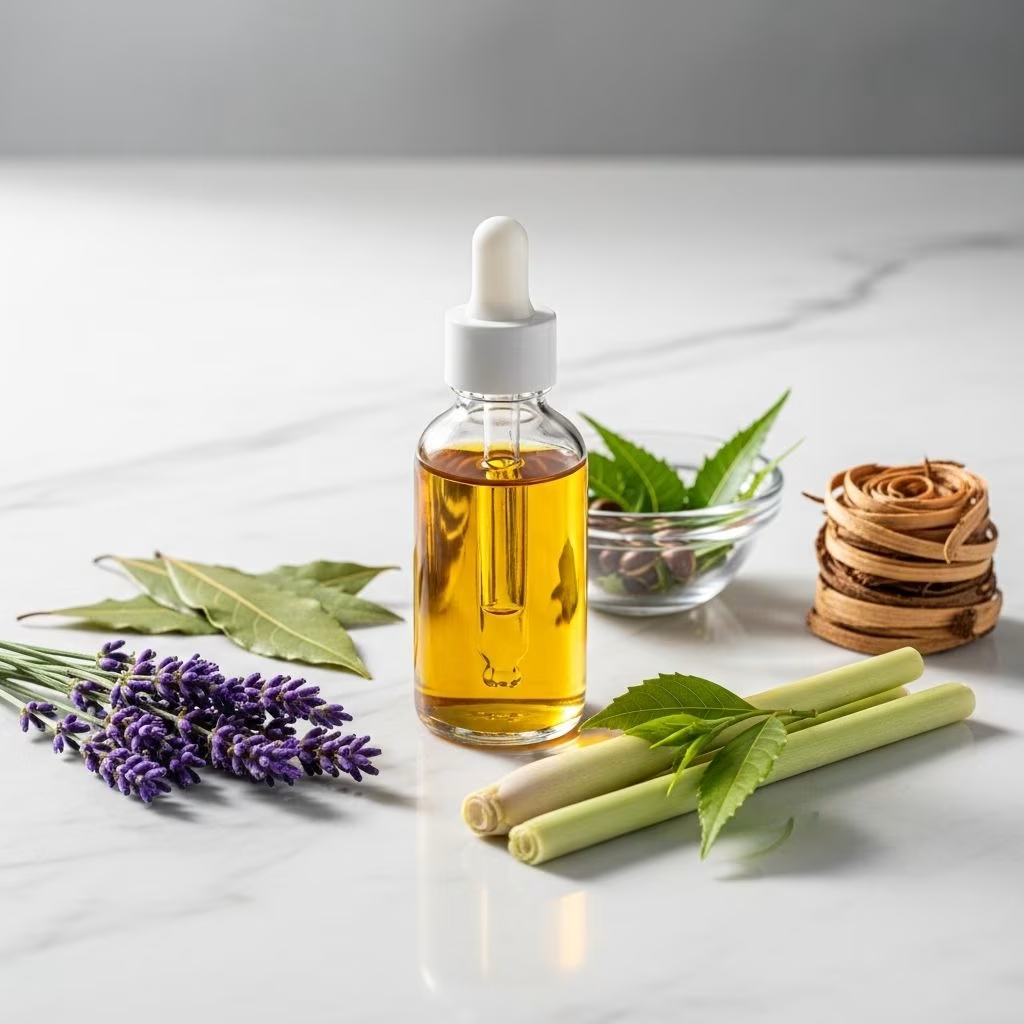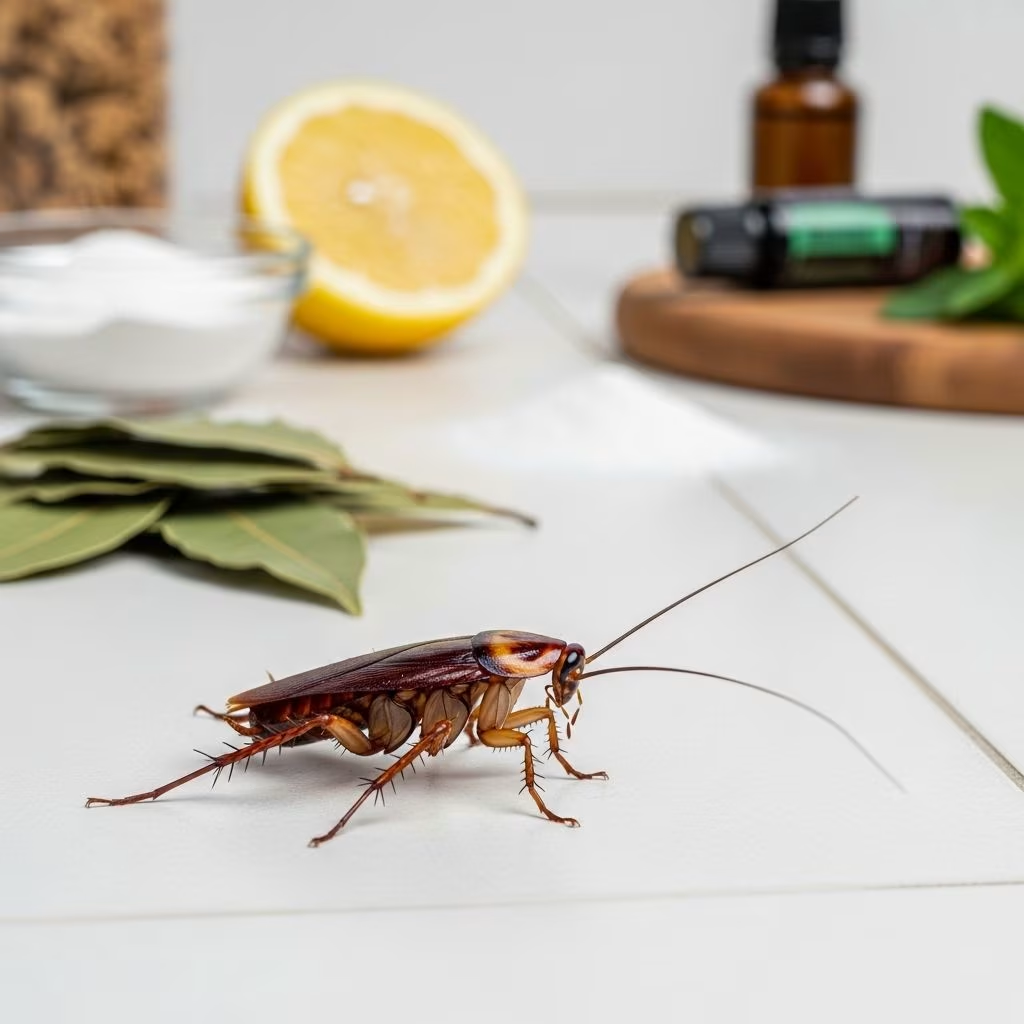
Home Remedies for Cockroach Control
Cockroaches are some of the most persistent and difficult household pests to eliminate. Their presence isn’t just unsightly — these insects carry disease-causing bacteria, can contaminate food, and even trigger allergic reactions and asthma in sensitive individuals. Fortunately, you don’t have to resort to harsh chemicals to fight a cockroach infestation. Numerous effective home remedies can help both kill and repel these pests using ingredients commonly found at home.
Why Choose Home Remedies for Cockroach Control?
- Safe for families and pets: Natural solutions avoid toxic chemical exposure.
- Cost-effective: Many remedies require ingredients already available in your kitchen.
- Eco-friendly: Reduces environmental impact compared to chemical pesticides.
- Multi-purpose: Many solutions also help disinfect surfaces and repel other insects.
Below are a range of time-tested, scientifically supported home remedies for cockroach control, along with practical tips for prevention and answers to frequently asked questions.
Understanding Cockroaches
Cockroaches are nocturnal insects known for their resilience and rapid breeding, which makes eradicating them especially challenging. They thrive in warm, humid environments with easy access to food and water. The most common household species include German cockroach and American cockroach.
Health Risks of Cockroach Infestations
- Bacterial contamination (e.g., salmonella, E. coli)
- Food poisoning
- Asthma and allergies triggered by cockroach excrement and shed skin
Signs of a Cockroach Infestation
- Visible presence of live cockroaches, especially at night
- Egg casings (oothecae) in hidden crevices
- Droppings resembling black pepper grains
- Unpleasant, musty odor in infested areas
- Notched chew marks on food packaging and organic materials
Effective Home Remedies for Cockroaches
Below are the most recommended home remedies for killing and repelling cockroaches, alongside instructions for safe application.
Boric Acid
Boric acid is a widely used and highly effective cockroach killer. When cockroaches walk through boric acid powder, it adheres to their bodies. As they clean themselves, they ingest the powder which then disrupts their nervous and digestive systems, leading to death within 48-72 hours. It is important to keep boric acid away from children and pets as it can be toxic if ingested by humans or animals.
- Sprinkle a light layer of boric acid under sinks, behind appliances, or in any cockroach hiding spots.
- Bait option: Mix boric acid with egg yolk to form small balls. Place them in infested areas. Cockroaches are attracted to the yolk and ingest the poison.
- Avoid moist environments as boric acid loses effectiveness when wet.
Baking Soda and Sugar Trap
When cockroaches consume baking soda, a chemical reaction occurs with their stomach acid, producing gas and killing the insect. Mixing baking soda with sugar increases the bait’s attractiveness.
- Combine equal parts baking soda and sugar.
- Sprinkle this mixture around problem areas: behind stoves, under sinks, and inside cupboards.
- Check and refresh the mixture regularly for ongoing effectiveness.
Neem Oil and Neem Powder
Neem oil’s pungent scent is highly repellent to cockroaches, disrupting their hormones and life cycle. Similarly, neem powder offers a residue effect.
- Add several drops of neem oil to water in a spray bottle and apply in kitchen corners, below sinks, and anywhere cockroaches congregate.
- Sprinkle neem powder or make a neem leaf paste and apply it at night to infested areas.
- Select a fine spray for hard-to-reach cracks to ensure thorough coverage.
Peppermint Oil Spray
Peppermint oil contains compounds toxic to cockroaches. Its strong scent is aversive and keeps roaches away from treated areas.
- Mix peppermint oil with saltwater or plain water in a spray bottle.
- Spray in kitchen cabinets, baseboards, and behind appliances.
- Repeat daily for best results.
Bay Leaves
Bay leaves are a traditional natural cockroach repellent. Roaches dislike the smell and avoid areas where bay leaves are placed.
- Crush dried bay leaves and scatter in drawers, wardrobes, or anywhere you see roaches.
- Boil bay leaves and use the cooled water as a spray for countertops and corners.
- This method repels but does not kill — it’s best for prevention.
Diatomaceous Earth (DE)
DE is a non-toxic substance made from fossilized algae. It scratches the insect’s exoskeleton and dries it out, causing death.
- Use food-grade DE only.
- Sprinkle a thin layer around appliance bases, inside wall cracks, and near garbage bins.
- Do not apply in damp or wet areas; moisture reduces effectiveness.
- Wear a mask when applying to avoid inhalation.
Coffee Grounds Trap
Coffee’s aroma attracts cockroaches, making it an effective bait for homemade traps.
- Place wet coffee grounds in a small jar or cup.
- Fill a larger jar with water and place the smaller container with grounds inside. Arrange jars where cockroaches are active.
- Roaches crawl in for the coffee and drown.
Fabric Softener Spray
A solution of fabric softener and water kills cockroaches by blocking their breathing pores.
- Mix equal parts liquid fabric softener and water in a spray bottle.
- Spray directly onto visible cockroaches for instant results.
- This works only on contact and is not proactive for hidden roaches.
Citrus and Lemon Juice
Lemon’s acidity acts as a light disinfectant, and its powerful scent is unpleasant to cockroaches.
- Add a generous amount of lemon juice or peels to your mopping water.
- It both cleans surfaces and repels roaches — an excellent natural prevention method.
- Use fresh lemon juice in kitchen drains and corners for extra protection.
Alcohol or Ammonia Spray
Alcohol and ammonia can kill cockroaches and disinfect surfaces. Spray directly on visible bugs or areas of frequent activity.
- Mix isopropyl alcohol with water (1:1) and spray as needed.
- As an alternative, an ammonia solution can be used to clean floors and entryways, keeping cockroaches at bay.
Camphor Bowls
Camphor’s strong, pungent odor acts as a natural repellent.
- Place small bowls of water with pieces of camphor in bedrooms, cupboards, and bathrooms.
- For best results, use as a preventive method alongside other remedies.
Citronella Oil
Citronella oil’s fresh, citrus aroma repels multiple pests, including cockroaches.
- Add several drops to a spray bottle filled with water.
- Spray on entry points, window ledges, or areas where roaches enter.
Cucumber Traps
Fresh cucumber slices in a tin jar can repel cockroaches, as the scent is disliked by these pests.
- Replace cucumber slices every 1-2 days for continued effectiveness.
- Works best as a supplementary method alongside other baits or traps.
Herbal and Essential Oil Repellents
- Cedar, eucalyptus, lavender, and tea tree oils can deter cockroaches. Use a few drops diluted in water as a spray.
- Place cotton balls treated with essential oils near garbage cans or known entry points.
- Repeat application every few days — these oils evaporate quickly and need reapplication.
Prevention: Keeping Cockroaches Out
Prevention is always better than cure when it comes to household pests. A few simple measures can make your home far less attractive to cockroaches:
- Keep all food sealed in airtight containers.
- Sweep floors and wipe surfaces daily to remove crumbs or food residue.
- Take out the garbage regularly and keep bins covered.
- Fix leaky pipes and faucets — cockroaches seek out water sources.
- Seal cracks and gaps in walls, floors, and around doors/windows.
- Limit clutter, especially cardboard and paper, which provide hiding spots.
When to Seek Professional Help
While home remedies can be effective for small infestations or prevention, severe cases may require professional intervention. Signs you need an exterminator include:
- Seeing many cockroaches during the daytime (means a large population)
- Persistent sightings despite home remedy use
- Visible nests or heavy presence of droppings and egg casings
If DIY methods fail, a licensed pest control service can use safe, targeted treatments to eradicate even deep-set infestations.
Frequently Asked Questions (FAQs)
Q: Are home remedies really effective against cockroach infestations?
A: Home remedies can be highly effective for preventing infestations and reducing populations, especially in early stages or mild cases. For a severe or persistent infestation, however, professional pest control may be necessary.
Q: Which is the safest method if I have children or pets?
A: Use non-toxic solutions such as baking soda and sugar bait, bay leaves, or essential oil sprays (after confirming there are no allergies in your household). Always keep powders like boric acid out of reach of kids and animals.
Q: How quickly do natural remedies work?
A: Some remedies such as direct sprays (peppermint oil, fabric softener) act instantly, while bait systems (boric acid, baking soda) may take 1-3 days to reduce populations noticeably.
Q: Do cockroaches come back after treatment?
A: Cockroaches can return if preventive measures are not maintained, or if hidden eggs hatch after initial treatment. Combine remedies with regular cleaning and sealing of entry points for lasting results.
Q: Why are cockroaches so hard to kill?
A: Cockroaches reproduce quickly, have developed resistance to many pesticides, and can survive on minimal food and water. That’s why a multi-method approach and persistent action is key.
Quick Reference Table: Popular Home Remedies for Cockroach Control
| Method | Ingredients | Best For | Notes |
|---|---|---|---|
| Boric Acid + Egg Yolk | Boric acid, egg yolk | Kitchen, cupboards | Keep away from children and pets |
| Baking Soda + Sugar | Baking soda, sugar | Any hidden corners | Acts overnight |
| Neem Oil or Powder | Neem oil/powder, water | Cracks, dark areas | Natural repellent |
| Peppermint Oil Spray | Peppermint oil, water | General use | Repeats needed for repelling |
| Bay Leaves | Dried/boiled leaves | Wardrobes, drawers | Repels, doesn’t kill |
| Diatomaceous Earth | Food-grade DE | Under appliances | Avoid damp areas |
| Coffee Grounds Trap | Coffee, water, jar | Kitchen drains | Traps and drowns |
| Fabric Softener Spray | Softener, water | Visible roaches | Contact-kill only |
| Lemon Juice | Lemon peels or juice | Sinks, surfaces | Natural repellent |
| Camphor Bowls | Camphor, water | Bedrooms, storage | Long-lasting odor repellent |
| Citronella Oil Spray | Citronella oil, water | Entry points | Repeat often |
| Cucumber Slices | Fresh cucumber | Pantry, cabinets | Smell repels roaches |
Final Tips
- Test remedies in small, inconspicuous areas first to ensure compatibility with surfaces.
- Repeat treatments as needed and rotate methods to prevent resistance.
- Combine several remedies for best results — roach populations can be persistent.
- Maintain high hygiene standards for ongoing protection against re-infestation.
References
- https://www.nobroker.in/blog/ways-to-get-rid-of-cockroaches/
- https://hicare.in/blog/best-home-remedies-for-cockroach-treatment/
- https://homeparamount.com/blog/cockroach-removal-tips/
- https://thepestrangers.com/home-remedies-for-cockroaches-do-they-work/
- https://www.orkin.com/pests/cockroaches/diy-roach-control
- https://pestczar.com/7-home-remedies-for-cockroaches-your-natural-defense-guide/