


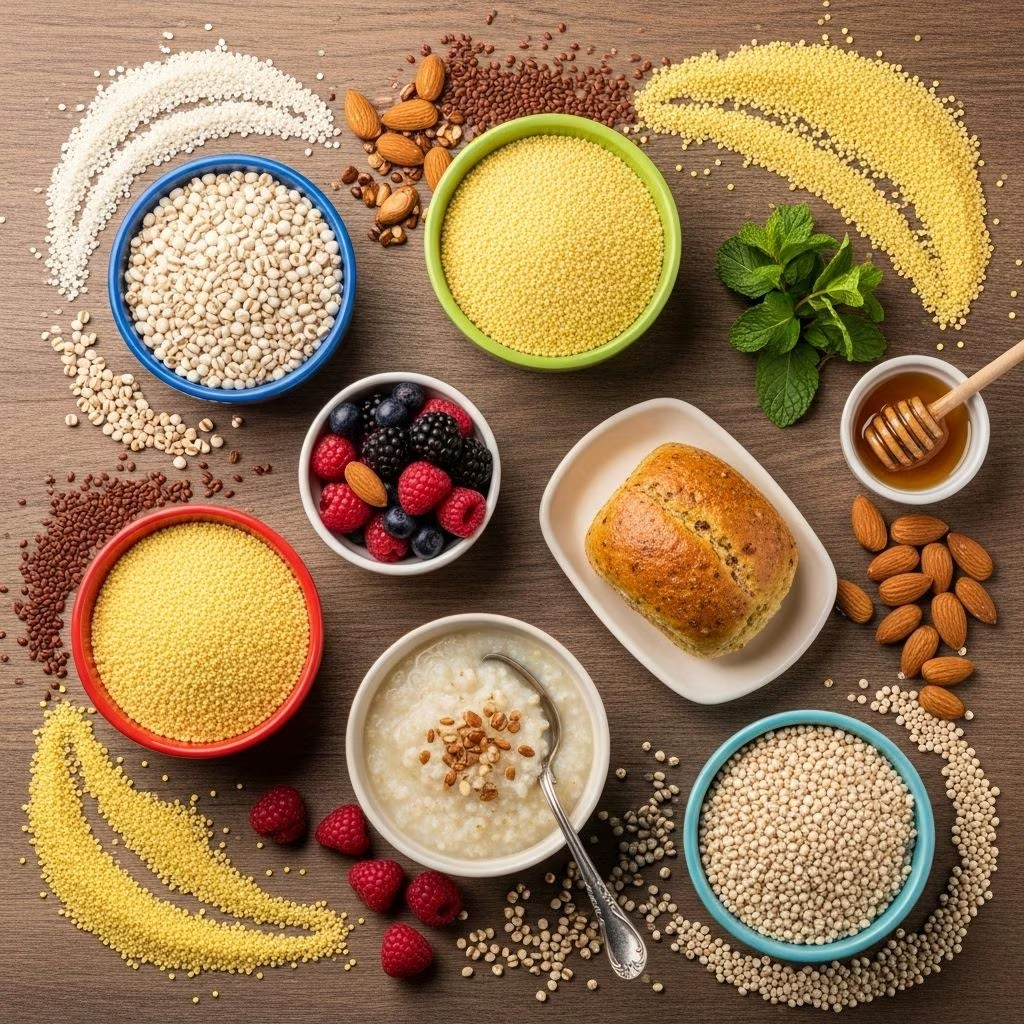
Millet is an ancient grain cultivated and consumed by civilizations for thousands of years across Africa, Asia, and parts of Europe. It’s renowned not only for its resilience and adaptability to adverse growing conditions, but also for its nutritional density, culinary versatility, and pleasing, subtly nutty taste. In modern times, millet is regaining prominence due to interest in gluten-free diets and sustainable agriculture.
Introduction to Millet
Millets are a diverse group of small-seeded grasses, cultivated globally as cereal crops or grains for both human food and animal fodder. They are highly drought-resistant and grow well in arid to semi-arid environments, making them vital in regions with unstable water supply.
Key facts:
- Belong to the Poaceae family, just like wheat, barley, and rice.
- Known for their rapid maturity and high resilience to poor soils and weather extremes.
- Consumed as staple foods in Asia and Africa; gaining popularity worldwide as a health food.
Types of Millets
There are several types of millet, each with distinct characteristics and culinary uses. The major types are:
| Millet Type | Common Name(s) | Key Features | Main Growing Regions |
|---|---|---|---|
| Pearl Millet | Bajra | Large, drought-resistant grain; staple in Africa and India. | Africa, India |
| Sorghum Millet | Jowar | High in protein, gluten-free, multipurpose (food & fodder). | India, Africa, US |
| Finger Millet | Ragi | Rich in calcium and iron; used in porridges and baby foods. | India, Eastern Africa |
| Foxtail Millet | Kakum, Kangni | Small, yellowish grains; quick-growing; good for arid soils. | China, India |
| Proso Millet | Chena, Barri | Short growth cycle, moderate protein; used in bird seed & food. | Eastern Europe, US, Asia |
| Browntop Millet | Korle | Can grow in poor soils; rapid growth. | India, Southern US |
| Barnyard Millet | Sanwa, Shyama | Fast-growing, tolerates wet soils; moderate nutrition. | India, Japan |
| Kodo Millet | Varagu | Drought-resistant, good for diabetics (low GI). | India, Africa |
| Little Millet | Sama, Kutki | Tiny grain, easy to digest, used in porridge and rice dishes. | India, Southeast Asia |
Note: Among all types, Pearl millet (Bajra), Sorghum (Jowar), and Finger millet (Ragi) are the most widely consumed and nutritionally significant.
Minor millets like foxtail, barnyard, kodo, and little millet are increasingly valued in health food markets for their unique benefits.
Nutritional Value of Millet
Millet is prized for its high nutritional content, especially in comparison to many other grains. It is naturally gluten-free, low in allergens, and a good source of essential nutrients.
- Carbohydrates: Primarily complex carbohydrates with a low to medium glycemic index (varies by millet type).
- Protein: Offers about 6–11 grams per 100 grams, depending on the species.
- Fiber: High dietary fiber content, supporting gut health and prolonged satiety.
- Micronutrients: Particularly rich in iron, magnesium, phosphorous, copper, manganese, and B vitamins (especially niacin and thiamin).
- Antioxidants: Contains phenolic compounds, flavonoids, and other antioxidants that help fight oxidative stress.
- Calcium: Finger millet is notably high in calcium compared to other cereal grains.
Sample Nutrition (per 100g cooked millet):
- Calories: 120-130 kcal
- Protein: 3-4g
- Carbohydrates: 23-25g
- Fat: 1g
- Fiber: 1.3-1.6g
- Calcium: up to 350mg (finger millet)
- Iron: 3-5mg
- Gluten: 0g
Health Benefits of Millet
Millets offer a diverse array of health advantages, which account for their resurgence in popularity:
- Gluten-Free: Ideal for individuals with celiac disease or gluten intolerance.
- Rich in Antioxidants: Contains essential antioxidants that may help reduce inflammation and oxidative stress.
- Supports Digestive Health: High fiber content promotes regular bowel function, supports gut microbiota, and may help prevent constipation.
- Helps Regulate Blood Sugar: Most millets have a low-to-moderate glycemic index, making them suitable for diabetics and for stabilizing energy levels.
- Improves Heart Health: Fiber, magnesium, and potassium contribute to reduced blood cholesterol, improved arterial function, and better blood pressure regulation.
- Strengthens Bones: Finger millet, in particular, is an excellent plant-based source of calcium, crucial for bone density and health.
- Good for Weight Management: Their high fiber and protein content fosters prolonged satiety and helps curb overeating.
- Promotes Detoxification: Some types, like foxtail and barnyard millet, have been found to help in ridding the body of toxins and supporting liver function.
- Offers Plant-Based Protein: Especially valuable in vegetarian and vegan diets for boosting daily protein intake.
Research supports that including millet in dietary patterns can lower risks of chronic diseases, including diabetes and cardiovascular disorders.
Culinary and Agricultural Uses
Culinary Uses
Millet’s versatility extends across a variety of cuisines—from porridges and flatbreads to baked goods and salads. Here’s how millet is commonly used in the kitchen:
- Porridge: Often cooked as a breakfast cereal (similar to oatmeal) in Africa, India, and parts of Europe.
- Flatbreads: In India, bajra roti and jowar roti are popular forms of millet breads.
- Side Dishes: Cooked similar to rice or quinoa, millet grain can be used as a base for pilaf, stir-fries, or mixed grain bowls.
- Baked Goods: Millet flour is added to bread, cakes, and muffins for extra nutrition and a distinct, nutty character.
- Snacks: Puffing millet grains (similar to popcorn) creates crunchy snacks.
- Beverages: Fermented millet drinks and porridges are traditional in several African countries.
- Bulgur Substitution: Millet can replace couscous or bulgur in salads like tabbouleh for a gluten-free alternative.
- Baby Food: High calcium finger millet (ragi) is often prepared as soft porridge for infants.
Agricultural and Other Uses
- Livestock Feed: Millets are significant sources of fodder for cattle and poultry due to their nutritional content.
- Cover Crops: Certain fast-growing millets (like Japanese and pearl) are used for soil conservation, erosion control, and as green manure to enhance soil fertility.
- Wildlife Food: Proso millet and other types serve as important wild bird feed components.
- Sustainable Farming: Millets help diversify crop rotations, break pest and disease cycles, and require fewer chemical inputs.
- Bioethanol Production: Some millet species, especially sorghum, are used for green fuel and ethanol production.
The Taste of Millet
Millet grains are appreciated for their mild, appealing flavor and pleasant texture, which make them highly adaptable in various recipes.
Flavor profile:
- Mildly Nutty: Most varieties exhibit a subtle nutty undertone reminiscent of corn or quinoa.
- Sweet Notes: Finger millet (ragi) and foxtail millet can have a faintly sweet taste, especially when freshly hulled or lightly toasted.
- Pleasant Texture: Cooked millet is fluffy and light, often compared to a tender couscous or slightly chewy rice.
- Neutral Base: Its delicate flavor readily absorbs herbs, spices, or sweeteners, making it flexible for both sweet and savory dishes.
Individual varieties have subtle differences: Proso millet is often described as the most neutral, Pearl millet has an earthier grain taste, while Finger millet can be slightly malty.
Tips for Cooking with Millet
- Always rinse millet thoroughly before cooking to remove dust or debris.
- Lightly toasting millet in a dry pan enhances its nutty aroma and flavor.
- A typical water-to-millet ratio is 2.5:1. Bring water to boil, add millet, reduce to a simmer, cover, and cook 15–20 minutes.
- Let cooked millet rest (covered) for 5 minutes and fluff with a fork before serving.
- For creamy porridges, add more water or milk and stir frequently while cooking.
- Experiment with spices, herbs, nuts, or fruits to complement millet’s subtle flavor.
Frequently Asked Questions (FAQs)
Q: Is millet gluten-free?
A: Yes, all major types of millet are naturally gluten-free, making them a safe option for individuals with celiac disease or gluten sensitivities.
Q: Is millet suitable for diabetics?
A: Most types of millet have a low-to-moderate glycemic index and, when eaten in moderation as part of a balanced diet, can help regulate blood sugar.
Q: Are there any common allergens in millet?
A: Millet is considered hypoallergenic and rarely triggers allergic reactions; it’s a good alternative to wheat and other gluten grains.
Q: How does millet compare to quinoa?
A: Both are gluten-free and nutrient-dense. Millet is typically less expensive, has more B vitamins, while quinoa is higher in protein and all essential amino acids. Both can be used interchangeably but have different textures and tastes.
Q: Can millet replace rice or wheat in recipes?
A: Absolutely. Millet can serve as a rice substitute in most dishes or work as flour for bread, porridge, and pancakes, especially for gluten-free diets.
Conclusion
Millet is no longer just a traditional staple; it’s a nutritional powerhouse for modern, health-conscious diets and sustainable food systems. With its diverse varieties, impressive health benefits, mild taste, and capacity to thrive under harsh agricultural conditions, millet stands out as an essential ancient grain for a healthy and flavorful future.
References
- https://corn.aae.wisc.edu/Crops/Millets.aspx
- https://wingreensharvest.com/blogs/news/what-is-millets-different-type-of-millets-with-benefits-nutrition
- https://pushmycart.com/blogs/learn/7-different-types-of-millets
- https://www.nrcs.usda.gov/plantmaterials/njpmctn12841.pdf
- https://en.wikipedia.org/wiki/Millet
- https://www.finedininglovers.com/explore/articles/10-different-types-millet-and-how-use-them
- https://extension.missouri.edu/publications/g4164
- https://pmc.ncbi.nlm.nih.gov/articles/PMC11091339/


