


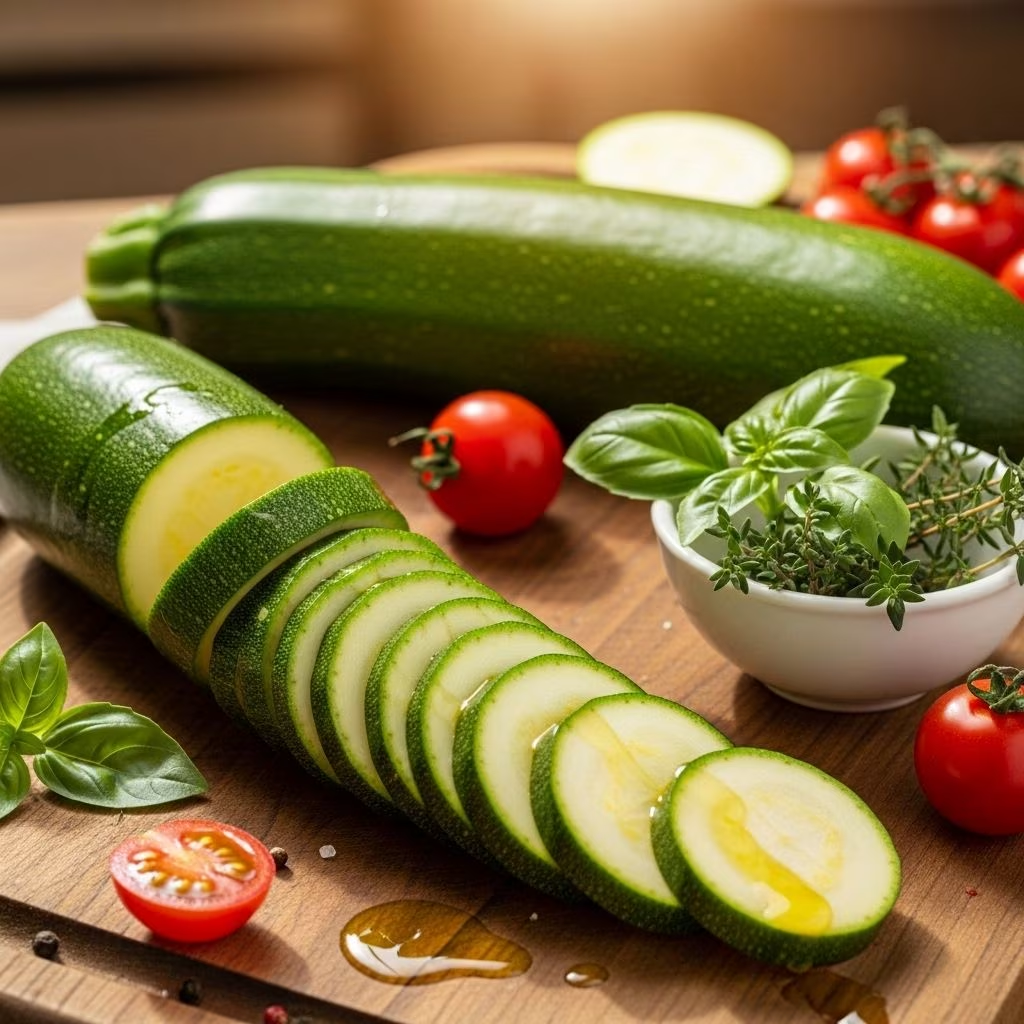
Zucchini is an exceptionally popular summer squash known for its subtle flavor, high nutritional value, and remarkable culinary flexibility. Although often called a vegetable, zucchini is botanically a fruit and holds a unique place in kitchens and gardens worldwide. This article offers everything you need to know—its origins, health benefits, flavors, and how to enjoy it in your everyday meals.
About Zucchini: History and Origins
Zucchini (Cucurbita pepo var. cylindrica), also known as courgette (primarily in the UK and France), is a type of summer squash that belongs to the Cucurbitaceae family, which includes melons, cucumbers, and pumpkins. While squashes in general were domesticated thousands of years ago in the Americas, modern zucchini was developed in Italy during the late 19th century.
The plant itself is typically non-vining and bushy, but some varieties can be creeping. Zucchinis are usually harvested when immature—about 6 to 10 inches (15 to 25 cm) long—when their skin is still tender and edible. There are, however, cultivars that range in color from deep green to vibrant yellow and even orange. If left to mature, a zucchini can grow up to 3 feet, but such large specimens are less desirable for cooking due to their hardened skin and seedier, less flavorful flesh.
In most culinary traditions, zucchini is treated as a vegetable and prepared in savory dishes, although botanists classify it as a berry and, technically, a fruit.
Key Facts at a Glance
- Origin: Developed in Italy, descended from Central American squashes
- Also known as: Courgette (UK), Marrow (when fully mature)
- Plant type: Herbaceous, annual, bush or vine variety
- Harvest time: Best when 6-10 inches long, immature and tender
- Color range: Deep green, light green, yellow, orange
- Growth habit: Non-vining (common), some creeping varieties
Nutritional Profile
Zucchini is low in calories and contains an array of essential nutrients, making it a favorite in health-conscious diets. Here’s a look at the nutrition provided by one cup (180 grams) of cooked zucchini:
| Nutrient | Amount per 1 cup (180g), cooked | % Daily Value (DV) |
|---|---|---|
| Calories | 27 kcal | – |
| Protein | 2 g | – |
| Fat | <1 g | – |
| Carbohydrates | 5 g | – |
| Sugar | 3 g | – |
| Fiber | 2 g | – |
| Vitamin A | – | 11% |
| Vitamin C | – | 26% |
| Potassium | – | 10% |
| Manganese | – | 14% |
| Folate | – | 13% |
| Magnesium | – | 8% |
| Vitamin K | – | 6% |
| Copper | – | 10% |
| Vitamin B6 | – | 8% |
| Phosphorus | – | 5% |
| Thiamine (B1) | – | 5% |
- Noticeable for its vitamin C, vitamin A, potassium, and manganese content
- Low calorie and fat, making it a weight-friendly option
- Raw zucchini offers more vitamin C but less vitamin A than cooked
Top Health Benefits of Zucchini
Including zucchini in a balanced diet can offer a spectrum of health advantages. Many of these are backed by scientific research and nutrition experts.
- Nutrient Richness: Supplies substantial vitamins (A, C, B6), minerals (potassium, manganese, copper), and antioxidants.
- Promotes Digestive Health: High fiber content aids in healthy digestion, regular bowel movements, and a balanced gut flora.
- Supports Heart Health: Potassium and magnesium help regulate blood pressure, while fiber contributes to reduced cholesterol.
- Beneficial for Eye Health: Contains vitamin A (from beta-carotene) and lutein, key for maintaining good vision.
- May Help with Blood Sugar Control: The fiber and unique polysaccharides in zucchini assist in slowing sugar absorption, which may help prevent blood sugar spikes.
- Weight Management: Low in calories and carbs but filling, making it an ideal component of weight control or low-carb diets.
- Rich in Antioxidants: Contains carotenoids that help fight inflammation and oxidative stress.
- May Bolster Immunity: Vitamins C and A strengthen immune defenses.
- Hydrating Properties: Zucchini is about 95% water, contributing to daily hydration needs.
- Versatile for Special Diets: Naturally gluten-free, vegan, and suitable for ketogenic or paleo meal plans.
- May Lower Risk of Chronic Disease: The combination of fiber, antioxidants, and minerals may help reduce risks of certain chronic illnesses over time.
Taste and Texture
Zucchini is celebrated as much for its cook-friendly texture as its mild taste. Here’s what to expect when you eat or cook zucchini:
- Flavor: Mild and slightly sweet with subtle, grassy notes. Some varieties have nuances resembling black pepper or nuts.
- Texture: Creamy white flesh is spongy and firm; skin is thin, glossy, and edible. When raw, it is slightly crisp, but it softens charmingly when cooked.
- Bitter Zucchini: Very rarely, zucchini may taste extremely bitter due to the presence of natural compounds called cucurbitacins, especially if the plant is stressed or has cross-pollinated with decorative gourds. Bitter zucchini should never be eaten, as it can cause stomach upset.
- Edible Blossoms: The bright yellow zucchini flowers are also edible and impart a delicate, squash-like flavor.
Common Uses in Cooking
Zucchini’s adaptability makes it a staple ingredient from quick weeknight meals to gourmet menus. Here are the most popular ways to use zucchini:
- Raw: Add thin slices or ribbons to salads for crunch; spiralize into “zoodles” as a low-carb pasta alternative.
- Grilled: Slices or halves brushed with olive oil and grill-seasoned to intensify sweetness and add smoky depth.
- Sautéed or Stir-Fried: A classic, fast method—combine with garlic, onions, or other vegetables.
- Roasted: Cubes or rounds tossed with herbs and roasted for a caramelized finish.
- Baked: Incorporated in casseroles, quiches, lasagna, or popular baked goods like zucchini bread and muffins.
- Stuffed: Hollowed-out zucchinis filled with seasoned meats, grains, or vegetables, then baked.
- Soups and Stews: Diced and simmered to contribute both thickness and subtle flavor.
- Pickled: Slices or spears preserved with vinegar for a crunchy snack.
- Fried: Breaded rounds or zucchini flowers can be shallow- or deep-fried for a crisp treat.
- Flower Use: Zucchini blossoms (flowers) can be stuffed and fried, or used to garnish dishes.
The prime size for both flavor and texture is between 5-6 inches—these are tender and best for any preparation.
Sample Zucchini-Based Dishes
- Grilled zucchini with lemon and feta
- Zucchini fritters or pancakes
- Baked zucchini fries
- Stuffed zucchini boats (with rice, herbs, cheese, or meat)
- Zucchini soup with fresh herbs
- Chocolate zucchini bread or zucchini muffins
- Pickled zucchini rounds
- Pasta primavera using zucchini ribbons
How to Choose and Store Zucchini
- Choosing: Select zucchini that are firm, glossy, and feel heavy for their size. Skin should be free from cuts, bruises, or soft spots.
- Size matters: Smaller zucchini (around 6 inches) tend to be more tender and flavorful, while larger ones may be woody or watery inside.
- Storing: Keep unwashed zucchini in the crisper drawer of your refrigerator. Store in a perforated plastic bag or loosely wrapped in paper towel to maintain humidity and prevent mold.
- Freshness window: Best consumed within 5-7 days. Discard if the skin wrinkles, softens, or if an off odor develops.
If you need to preserve zucchini for longer, consider slicing and freezing it after blanching, or making zucchini pickles.
Potential Risks and Considerations
- Cucurbitacin Toxicity: Extremely bitter-tasting zucchini may contain toxic cucurbitacins; avoid eating if distinctly bitter.
- Allergies: Allergies to zucchini are rare but may occur in individuals sensitive to other gourds or cucurbits.
- Raw consumption: Raw zucchini is safe for most, but cooking may reduce natural antinutrients and is preferred for those with sensitive digestion.
If unsure about the bitterness or safety of a particular zucchini, always taste a small piece raw before preparing and do not eat if the taste is unpleasantly bitter.
Frequently Asked Questions (FAQs)
Q: Is zucchini a fruit or a vegetable?
A: Botanically, zucchini is a fruit because it develops from the flowering part of the plant and contains seeds. In cooking, it is treated as a vegetable because of its savory flavor and culinary uses.
Q: How should I cook zucchini to retain its nutrients?
A: Light steaming, roasting, or quick sautéing preserves nutrients like vitamin C and potassium. Avoid over-boiling, which can deplete water-soluble vitamins.
Q: Can you eat zucchini raw?
A: Yes, zucchini is delicious raw and keeps all its nutrients. Try adding slices to salads or spiralizing for “zoodles.” Be sure to wash the skin well or peel if you wish.
Q: Why is my zucchini bitter?
A: Bitterness is due to cucurbitacins, natural toxins that sometimes accumulate in zucchini grown under stress or that have crossbred with wild or ornamental squash. Never eat very bitter zucchini.
Q: What’s the difference between zucchini and cucumber?
A: While both are in the gourd family, cucumbers are cold, crisp, and eaten raw, while zucchini is best mild, denser, and suitable for both raw and cooked dishes.
Q: Can zucchini be frozen?
A: Yes. Slice, blanch briefly, and freeze in airtight bags for cooking later.
Q: Are zucchini flowers edible?
A: Definitely. Zucchini blossoms are a delicacy—enjoy them stuffed, fried, or used as a garnish.
Conclusion
Zucchini offers a combination of mild flavor, excellent nutrition, and versatility that makes it a foundation for diverse culinary traditions. Whether used raw, grilled, baked, or even in sweet desserts, its tender texture and nutrient profile provide a healthy, delicious addition to any meal. Learning to select, store, and prepare zucchini well will help you enjoy its bounty at peak flavor year-round.
References
- https://en.wikipedia.org/wiki/Zucchini
- https://specialtyproduce.com/produce/Zucchini_17655.php
- https://vegcropshotline.org/article/growing-a-bountiful-zucchini-crop/
- https://www.healthline.com/nutrition/zucchini-benefits
- https://www.chicagosfoodbank.org/ingredients/zucchini/
- https://gardening.usask.ca/gardening-advice/gardenline-nested-pages/food-plant-pages/vegetables/zucchini.php


