


Understanding Rituals and Their Role in Stability
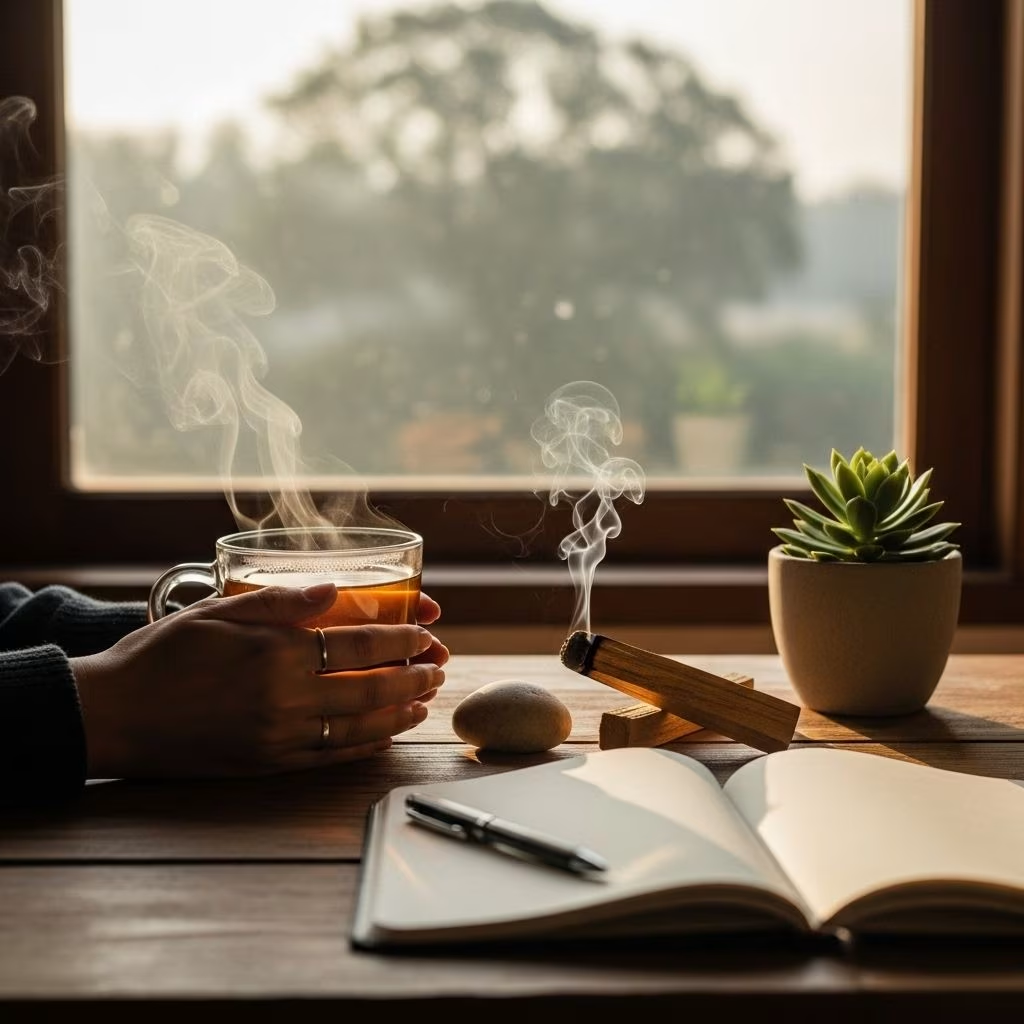
Rituals are intentional, repeated actions that bring structure and meaning to our daily lives. Whether it’s a morning cup of tea, a nightly gratitude journal, or a dedicated meditation session, rituals help create a sense of predictability and control—especially valuable in times of uncertainty or stress. These practices are more than just habits; they are mindful activities that ground us, providing emotional stability and a foundation for resilience.
Human beings have relied on rituals for centuries, both individually and collectively, to mark significant life events, transitions, and moments of change. At their core, rituals give us a way to navigate chaos, process emotions, and foster a deeper connection to ourselves and our communities. By engaging in daily calming rituals, we can manage anxiety, reduce stress, and cultivate a sense of purpose and belonging.
The Science Behind Rituals and Mental Health
Research consistently shows that daily rituals and routines have a profound impact on mental health. Regular practices such as meditation, physical activity, journaling, and gratitude exercises have been linked to lower levels of anxiety, depression, and stress. These rituals work by:
- Regulating emotions and reducing physiological stress responses
- Enhancing the release of mood-boosting chemicals like serotonin and endorphins
- Promoting neural plasticity and brain health through activities like exercise
- Improving sleep quality by reinforcing healthy circadian rhythms
- Fostering self-awareness and emotional processing through reflective practices
By embedding these rituals into daily life, individuals can build resilience, maintain emotional balance, and navigate life’s challenges with greater ease.
Key Benefits of Daily Calming Rituals
Incorporating calming rituals into your routine offers multiple benefits for mental and emotional well-being:
- Reduced Anxiety and Stress: Rituals provide a predictable structure, which can lower anxiety by giving the mind a sense of control and stability.
- Enhanced Emotional Regulation: Regular practices like mindfulness and journaling help individuals manage their emotions more effectively.
- Improved Mood and Cognitive Function: Physical activity and gratitude practices boost mood, increase happiness, and support cognitive health.
- Greater Resilience: Rituals act as anchors during difficult times, helping individuals bounce back from adversity.
- Strengthened Social Bonds: Shared rituals foster a sense of community, trust, and belonging, which are vital for emotional support.
Types of Calming Rituals for Daily Life
There is no one-size-fits-all approach to rituals. The most effective practices are those that resonate personally and fit seamlessly into your lifestyle. Here are some common types of calming rituals:
| Ritual Type | Description | Benefits |
|---|---|---|
| Meditation & Mindfulness | Dedicated time for silent reflection, breathing exercises, or guided meditation | Reduces stress, lowers anxiety, improves focus |
| Physical Activity | Yoga, stretching, walking, or any form of exercise | Boosts mood, enhances brain health, relieves tension |
| Gratitude Journaling | Writing down things you are thankful for each day | Increases happiness, fosters resilience |
| Sleep Routines | Consistent bedtime and wake-up times, calming pre-sleep activities | Improves sleep quality, stabilizes mood |
| Creative Expression | Art, music, writing, or crafting | Provides emotional outlet, enhances self-awareness |
| Social Connection | Regular check-ins with friends or family, shared meals | Strengthens relationships, reduces isolation |
Building Your Own Daily Calming Rituals
Creating effective daily calming rituals requires intention and consistency. Follow these steps to develop rituals that work for you:
- Start Small: Begin with simple, manageable practices—a five-minute meditation, a short walk, or a few minutes of journaling.
- Be Consistent: Consistency is key. Perform your ritual at the same time each day to reinforce the habit.
- Personalize: Choose rituals that align with your interests, values, and lifestyle. What brings you calm may differ from others.
- Create a Calming Environment: Designate a peaceful space for your ritual, free from distractions.
- Combine Rituals: Layer practices for greater impact, such as meditating after a morning stretch or journaling before bed.
- Reflect and Adjust: Regularly assess how your rituals make you feel. Adjust as needed to maintain relevance and effectiveness.
Overcoming Challenges in Maintaining Rituals
Even with the best intentions, maintaining daily rituals can be challenging. Here are common obstacles and strategies to overcome them:
- Lack of Time: Prioritize rituals by scheduling them into your day, even if only for a few minutes.
- Loss of Motivation: Remind yourself of the benefits. Track your progress or pair rituals with enjoyable activities.
- Life Disruptions: Adapt rituals to new circumstances. If your routine is interrupted, find small ways to reintroduce stability.
- Perfectionism: Accept that rituals don’t have to be perfect. Flexibility is more important than rigidity.
The Role of Rituals in Times of Crisis or Transition
Rituals become especially vital during periods of upheaval, such as grief, illness, job loss, or major life changes. In these moments, established routines offer a sense of normalcy and control when everything else feels uncertain. Rituals can:
- Provide comfort and a sense of continuity
- Help process complex emotions
- Mark significant transitions, offering closure and hope
- Signal that life continues, even amid disruption
Examples include mourning rituals after a loss, quarantine routines during a pandemic, or personal ceremonies to celebrate new beginnings.
Community, Culture, and the Power of Shared Rituals
Rituals are not just individual practices; they are deeply embedded in cultural and community life. Shared rituals—such as religious ceremonies, cultural festivals, or family traditions—strengthen social bonds, reinforce identity, and provide collective comfort. These group practices:
- Foster a sense of belonging and mutual support
- Create opportunities for emotional expression and healing
- Mark important life events and seasonal changes, offering continuity and hope
- Enhance cooperation and solidarity within groups
Participating in community rituals can amplify the benefits of individual practices, creating a network of stability and resilience.
Frequently Asked Questions (FAQs)
How long should a daily calming ritual be?
There is no set duration; even five to ten minutes can be effective. The key is consistency, not length. Start with what feels manageable and gradually extend as desired.
What if I miss a day of my ritual?
It’s normal to miss a day occasionally. Be kind to yourself and simply resume your ritual the next day. Flexibility is part of sustainable practice.
Can rituals replace therapy or medical treatment?
While rituals support mental health, they are not a substitute for professional therapy or medical treatment when needed. They work best as complementary practices.
How do I know which rituals are right for me?
Experiment with different practices and notice how they make you feel. Choose those that bring you calm, joy, or a sense of connection.
Can children and families benefit from calming rituals?
Absolutely. Family rituals—such as shared meals, bedtime stories, or gratitude circles—can foster emotional security and strengthen bonds.
Conclusion
Creating daily calming rituals for stability is a powerful, accessible way to enhance mental health, manage stress, and build resilience in an unpredictable world. Whether practiced individually or shared within a community, rituals provide structure, meaning, and comfort. By intentionally embedding calming practices into your routine—whether through mindfulness, movement, gratitude, or connection—you can cultivate emotional stability and navigate life’s challenges with greater ease and confidence.
Start small, stay consistent, and personalize your rituals to fit your life. Over time, these daily anchors will become a foundation for well-being, helping you thrive even in the face of adversity.
References
- https://www.asteroidhealth.com/blog/the-role-of-rituals-in-supporting-mental-health
- https://www.wellwilliamsburg.com/well-advised-blog/the-comfort-of-repetition-how-rituals-help-us-face-the-unknown
- https://www.rivercitytherapy.org/blog/benefits-of-rituals
- https://www.hbs.edu/ris/Publication%20Files/Rituals%20OBHDP_5cbc5848-ef4d-4192-a320-68d30169763c.pdf
- https://americanbehavioralclinics.com/why-we-find-comfort-in-daily-rituals-and-yearly-traditions/
- https://blkgrn.com/blogs/articles/the-ritual-is-the-recovery-how-daily-practices-become-anchors-for-emotional-healing
- https://lindamcgurk.substack.com/p/finding-calm-in-chaos-the-power-of
- https://shop.myeq.com/blogs/blog/quick-daily-rituals-to-keep-you-calm-and-balanced


