


Table of Contents
- Introduction to Sensory Activities
- Benefits of Sensory Activities for Autism
- Texture Boards and Tactile Sensory Activities
- Sensory Art for Autism
- Frequently Asked Questions (FAQs)
Introduction to Sensory Activities
Sensory activities are designed to engage and stimulate the senses, providing a structured environment for individuals, especially those with Autism Spectrum Disorder (ASD), to explore and respond to sensory inputs. These activities play a crucial role in enhancing sensory integration, promoting communication, and facilitating learning and emotional regulation. In this article, we will delve into the specific benefits and applications of texture boards and sensory art for children with autism.
Benefits of Sensory Activities for Autism
Sensory activities offer several benefits for children with autism, including improved sensory integration, emotional regulation, and communication skills. Here are some key benefits:
- Sensory Integration: Enhances the ability to process sensory information, leading to improved focus and self-regulation.
- Calm and Relaxation: Certain sensory activities, such as deep pressure or soothing visuals, can reduce anxiety and promote relaxation.
- Communication and Social Skills: Provides opportunities for social interaction and communication, especially through shared sensory experiences.
- Motor Skills Development: Many sensory activities involve movement, helping improve motor skills and coordination.
- Emotional Regulation: Assists in managing emotions and stress by providing a controlled environment for sensory exploration.
Texture Boards and Tactile Sensory Activities
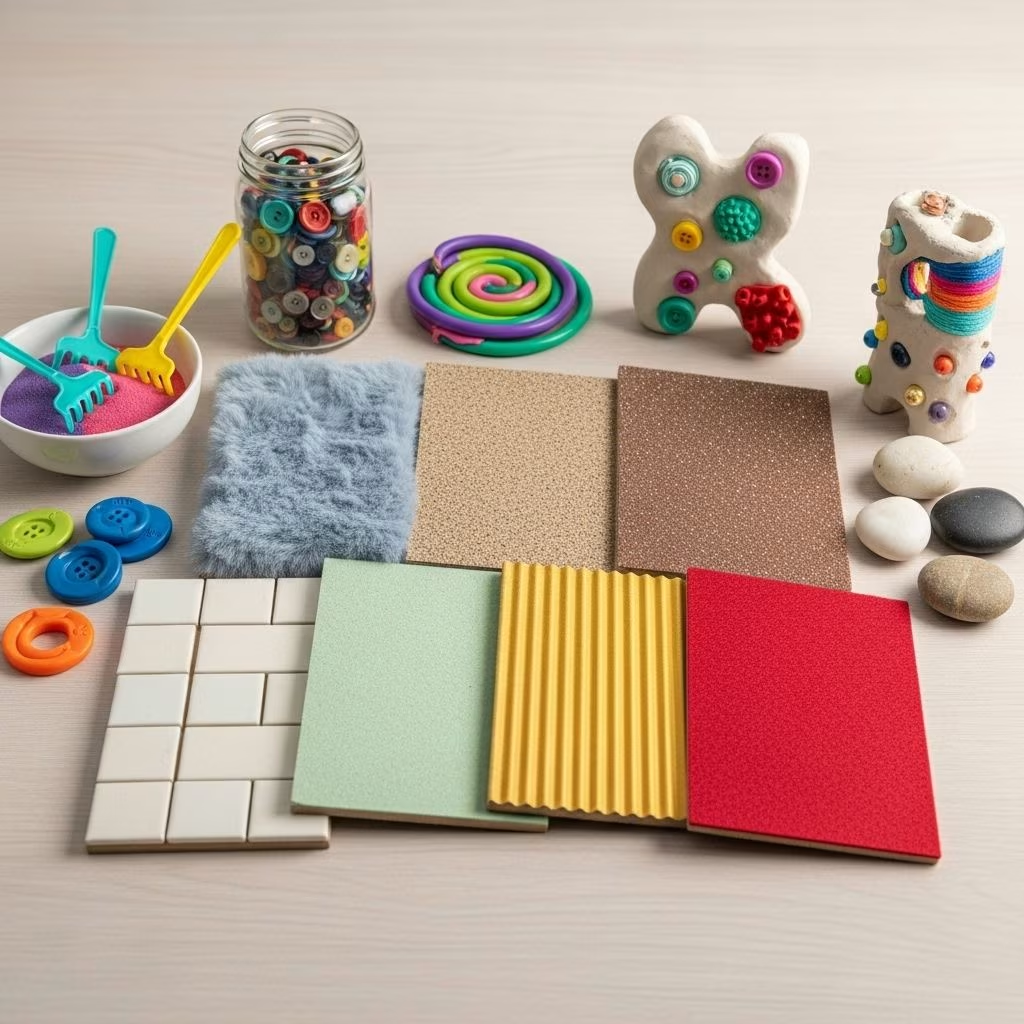
Texture boards are a type of sensory activity that specifically focuses on tactile exploration. They consist of a variety of textured materials attached to a board, allowing individuals to explore different sensations through touch. This tactile exploration is crucial for developing sensory processing skills and enhancing tactile awareness.
Examples of Texture Boards and Tactile Activities:
- Texture Boards: Include materials like fabric swatches, fur, bubble wrap, and sandpaper for tactile exploration.
- Feely Bags: Contain objects with different textures for tactile identification without visual cues.
- Nature Walks: Encourage exploration of natural textures such as leaves, tree bark, and rocks.
Sensory Art for Autism
Sensory art, including visual arts like painting and sculpting, provides a unique medium for children with autism to express themselves and interact with their environment. Art therapy can help desensitize children to different textures and sensory experiences, enhancing their ability to engage with diverse sensory inputs in daily life.
Art serves as a non-verbal communication tool, allowing children to convey complex emotions and ideas more easily. Through colors, shapes, and textures, children can express their feelings and experiences, facilitating better understanding by parents, therapists, and educators.
Benefits of Sensory Art:
- Enhanced Communication: Provides a non-verbal means of expression and communication.
- Sensory Integration: Offers a controlled environment for sensory exploration and integration.
- Emotional Expression: Facilitates the expression of emotions through visual and tactile mediums.
Frequently Asked Questions (FAQs)
Q: How do texture boards help children with autism?
A: Texture boards help children with autism by providing a structured environment for tactile exploration, enhancing sensory processing skills and promoting tactile awareness.
Q: What are the benefits of sensory art for children with autism?
A: Sensory art benefits children with autism by enhancing communication, sensory integration, and emotional expression, providing a non-verbal means of conveying thoughts and feelings.
Q: How can sensory activities improve social skills in children with autism?
A: Sensory activities improve social skills by encouraging shared sensory experiences and interactions with peers or caregivers, promoting communication and social interaction.
References
- https://www.abtaba.com/blog/sensory-activities-for-autism
- https://itsasensoryworld.org/how-creative-expression-benefits-children-with-autism/
- https://www.magnetaba.com/blog/benefits-of-sensory-toys-for-autism
- https://littlecity.org/what-is-art-therapy-benefits-for-autism-spectrum-disorder/
- https://autismresponseteam.com/asd-therapy-the-benefits-of-sensory-tables-7-diy-ideas/
- https://magnoliabehaviortherapy.com/art-therapy-for-children-with-autism-a-canvas-of-expression-and-growth/
- https://www.armswideopenaba.com/blog/visual-sensory-toys-for-kids
- https://digitalcommons.lesley.edu/cgi/viewcontent.cgi?article=1744&context=expressive_theses
- https://www.bluejayaba.com/blog/art-therapy-for-autism


