


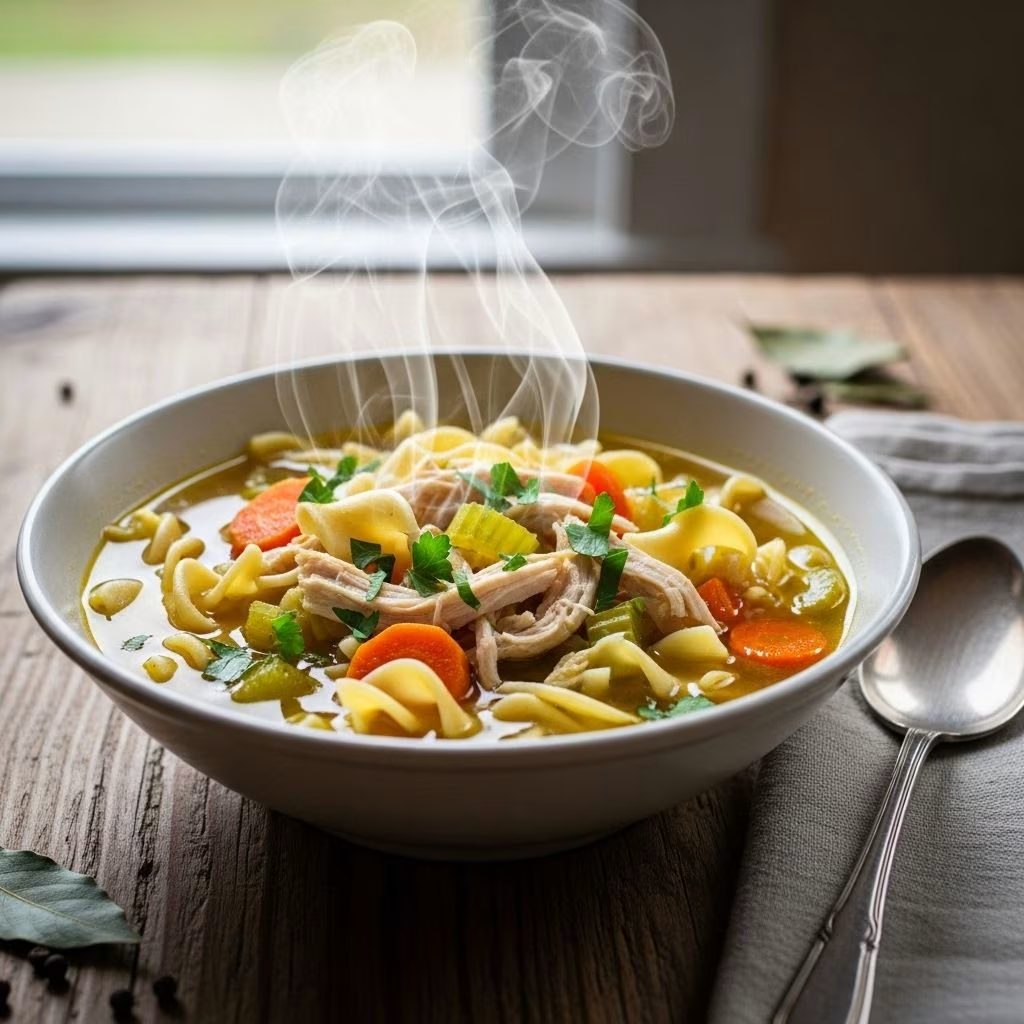
Chicken soup has held a beloved place in cultures across the world as the go-to remedy for cold and flu. But is this trust rooted in mere tradition, or does science actually support the comforting bowl’s healing reputation? This article explores the fascinating history, nutritional profile, biological effects, and current research on how chicken soup may help ease cold and flu symptoms, while also providing practical advice for optimal preparation.
History & Tradition
Chicken soup’s medicinal reputation is centuries old. Ancient healers across cultures recognized its comforting and restorative powers:
- Classical Era: Greek physician Aretaeus in the second century CE used boiled chicken to treat respiratory tract disorders.
- Judaic Medicine: The Jewish physician Moses Maimonides (12th century) famously prescribed chicken soup for various maladies, including the common cold and even melancholia.
- Chinese Tradition: Chicken soup has long been used in traditional Chinese culture as a means to “tonify” the body and support immunity.
The idea that chicken soup heals has persisted for millennia, with every generation rediscovering its value during times of illness.
Nutritional Profile of Chicken Soup
A bowl of chicken soup provides a balanced blend of proteins, amino acids, vitamins, minerals, and fluids—a nutritional combination that plays a valuable role when you’re fighting off an infection:
| Nutrient | Function | Source |
|---|---|---|
| Protein | Supports tissue repair, immunity | Chicken meat |
| Cysteine (Amino Acid) | Loosens mucus, helps respiratory tract | Chicken, chicken broth |
| Potassium | Replaces lost electrolytes, hydration | Parsnips, celery, chicken |
| Antioxidants | Reduces oxidative stress, inflammation | Carrots, onions, greens |
| Fluid | Hydration, mucus thinning | Broth |
These components work synergistically to address both the nutritional needs and symptomatic relief for people battling colds and flu.
Effects on the Immune System
Chicken soup doesn’t just comfort—it has measurable effects on immune response. Here’s what scientific studies reveal:
- Immunomodulation: Chicken soup varieties have been shown to alleviate immune suppression, improve blood cell counts, and boost levels of immune-signaling cytokines and immunoglobulins.
- Lymphocyte Support: In laboratory studies, chicken soup helped restore spleen structure and function, increasing lymphocyte count and promoting antibody production, both critical for defeating viruses.
- Anti-inflammatory Action: In vitro studies found that chicken soup can inhibit neutrophil chemotaxis—a process central to inflammation during viral infection. Research suggests this may help limit excess immune response and ease symptoms such as congestion and sore throat.
Immune Pathways Impacted by Chicken Soup
- Th1 Response: Stimulates cell-mediated immunity for fighting flu and viral infection.
- Cytokine Modulation: Increases anti-inflammatory and pro-immunity cytokines, including IL-2, IL-6, IL-10, TNF-α, and IFN-γ.
- Protection of Mucosal Barriers: Supports gut and respiratory tract barrier function, potentially lowering risk of secondary infection.
Mechanisms for Symptom Relief
Chicken soup’s effectiveness in alleviating cold and flu symptoms is multi-dimensional:
- Loosening Mucus: The amino acid cysteine found in chicken is believed to help thin mucus and facilitate its removal from the airways.
- Hydration: Fluids from the broth help replace fluids lost through fever or sweating and thin out respiratory secretions, making them easier to expel.
- Steam Effect: The vapor from hot soup increases nasal temperature, loosens mucus, and reduces congestion, which can make breathing easier.
- Anti-inflammatory Effects: As proven in laboratory experiments, chicken soup inhibits migration of white blood cells (neutrophils) that create inflammation and mucus, helping reduce uncomfortable symptoms.
- Electrolyte Replacement: Ingredients such as parsnips and carrots replenish valuable electrolytes like potassium lost during illness.
These effects offer physical rationale for the sense of relief experienced after consuming chicken soup during upper respiratory infections.
Modern Scientific Findings
The medicinal potential of chicken soup has attracted the attention of modern researchers:
- Inflammation Reduction Study (2000): Research published in Chest demonstrated that chicken soup inhibits neutrophil migration (chemotaxis) in vitro—meaning the soup can reduce the activity of these infection-fighting cells, limiting unnecessary inflammation associated with cold symptoms.
- Immunity Modulation in Animals: Recent studies using animal models have shown chicken soup improves immune recovery after immunosuppression by increasing immune cell counts, restoring spleen and intestinal tissue, and boosting protective antibodies.
- Component Synergy: Both chicken and vegetables (such as carrots, onions, parsnips) contribute to anti-inflammatory effects; some commercial soups show less activity than homemade variants, likely due to differences in nutrient content and preparation.
A key insight is that the beneficial effects may depend not just on chicken, but on a variety of ingredients working together.
Best Ingredients for Maximum Benefit
For optimal therapeutic effect, traditional recipes often include more than chicken and broth. Science supports inclusion of several vegetables and spices:
- Chicken: Main source of cysteine, protein, and trace minerals.
- Carrots: Rich in antioxidants and vitamin A, supporting immune function.
- Parsnips: Excellent potassium source; supports replacement of lost electrolytes.
- Onions & Garlic: Provide antioxidants; garlic has demonstrated antiviral and antibacterial properties.
- Celery & Green Pepper: Add vitamins C and K, minerals, and texture.
- Dill, Pepper, and Other Spices: Stimulate palate and may possess mild antimicrobial effects.
Homemade chicken soup, with fresh vegetables and herbs, generally offers the greatest benefits over processed versions.
Ingredient Comparison: Homemade vs Commercial Chicken Soup
| Feature | Homemade | Commercial |
|---|---|---|
| Protein & Cysteine Content | High, variable | Moderate, variable |
| Electrolytes & Minerals | Fresh vegetables retain minerals | Variable; may contain additives |
| Anti-Inflammatory Activity | Proven in studies | Inconsistent; varies by brand |
| Preservatives | None, unless added | Common |
| Flavor & Aroma | Rich, fresh | Standardized, salty |
Practical Tips for Chicken Soup Preparation
To maximize chicken soup’s benefits for cold and flu, consider these proven steps in preparation:
- Use bone-in chicken for richer broth and higher mineral content.
- Add generous amounts of immune-supporting vegetables: carrots, parsnips, celery, garlic, onions.
- Spices such as black pepper, dill, turmeric, and ginger may enhance flavor and anti-inflammatory action.
- Simmer for at least 40 minutes to extract proteins, vitamins, and minerals efficiently.
- Consume hot, several times a day when ill, to maximize steam effect and hydration.
Even using high-quality bouillon cubes (as some traditions endorse) can yield cysteine and flavor benefits if fresh chicken is unavailable.
Frequently Asked Questions (FAQs)
Q: Is chicken soup really more effective than other hot liquids?
A: Yes. Scientific studies have found that chicken soup increases mucus flow and helps clear viral particles more effectively than other hot liquids. Its specific amino acid profile and combination of nutrients contribute to this effect.
Q: Can chicken soup prevent colds or flu?
A: While chicken soup cannot prevent infection outright, regular consumption may support immune function and help the body recover faster from viral illnesses. It has a long history of traditional use as a preventative tonic, especially in Chinese cuisine.
Q: Does adding garlic or pepper to chicken soup improve its medicinal value?
A: Yes. Spices like garlic and pepper can amplify soup’s anti-inflammatory and immune-modulating effects. Garlic in particular is known for its antiviral and antibacterial properties.
Q: Can vegetarians benefit from ‘chickenless’ soups for colds?
A: Some studies suggest that vegetable components of chicken soup have anti-inflammatory effects as well. However, the amino acid cysteine—mainly found in chicken—plays a unique role in loosening mucus. Bouillon cubes may provide some benefit if made from chicken extract.
Q: Is homemade soup really better than canned?
A: Yes, homemade soups generally preserve more nutrients, avoid preservatives, and show more consistent anti-inflammatory activity. The synergy from fresh ingredients is likely responsible for greater benefit.
Conclusion
Chicken soup’s enduring status as the “go-to” home remedy for colds and flu is upheld by centuries of tradition—and, increasingly, by modern science. The synergy of chicken, vegetables, and spices delivers hydration, replenishes nutrients, modulates immune response, and calms inflammation, providing genuine relief for upper respiratory symptoms. While it may not cure viral illness, a steaming bowl of chicken soup is far more than folk wisdom—it is a scientifically supported comfort, offering you nature’s best alongside parental care and culinary tradition.
References
- https://www.mcgill.ca/oss/article/food-health-you-asked/there-really-something-story-chicken-soup-good-common-cold
- https://www.utmb.edu/mdnews/podcast/episode/chicken-soup-and-a-cold
- https://pmc.ncbi.nlm.nih.gov/articles/PMC9411684/
- https://pubmed.ncbi.nlm.nih.gov/11035691/
- https://medlineplus.gov/ency/article/002067.htm
- https://www.nfcr.org/blog/chicken-soup-helps-soothe-the-common-symptoms-of-cold-flu-and-mild-covid-19/
- https://www.unmc.edu/newsroom/2021/05/25/chicken-soup-study/
- https://www.momsmeals.com/our-food-programs/medically-tailored-meals/the-nutrients-behind-chicken-soup/


