


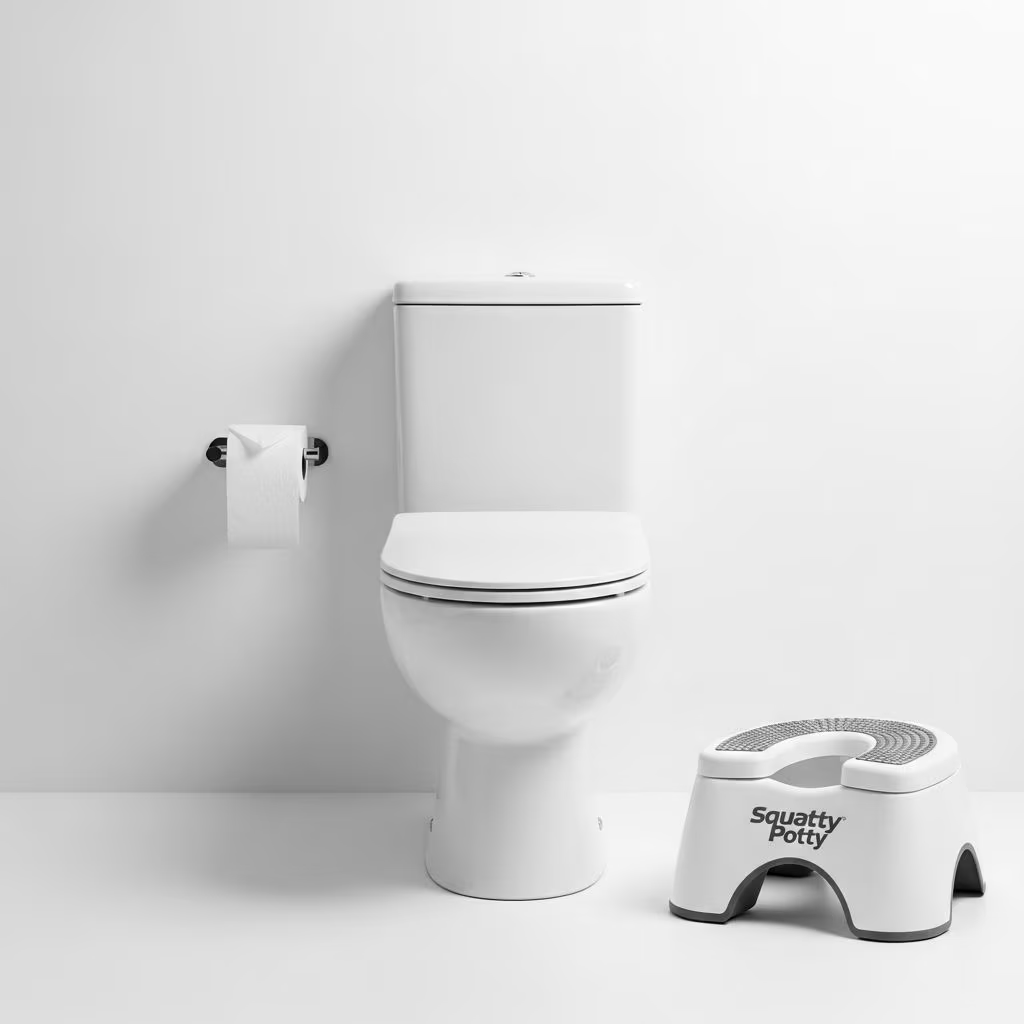
Modern bathroom habits often overlook the significance of proper posture during elimination. The Squatty Potty offers a simple but effective solution, simulating a natural squatting position to improve bowel movements and colon health. This comprehensive guide outlines evidence-based protocols for using a Squatty Potty, aiming to inform users on posture, preparation, hygiene, and troubleshooting for healthy and comfortable elimination.
Introduction
The Squatty Potty is a footstool designed to change the angle of the hips during defecation. By elevating the feet, users can replicate a natural squatting position while still using a standard Western toilet. This position relaxes the puborectalis muscle, straightening the rectum and facilitating easier elimination with less strain.
The Science Behind the Squatty Potty
Centuries before the advent of flush toilets, humans squatted naturally to evacuate. The sitting position that modern toilets encourage creates a kink in the anorectal angle—the angle between the anus and the rectum—due to tension in the puborectalis muscle. This kink helps maintain continence between bowel movements but makes elimination difficult by partially blocking the passageway. Squatting straightens this angle, allowing smoother elimination and requiring less effort.
- Puborectalis muscle relaxation: Squatting fully relaxes this muscle.
- Decreased straining: Less intra-abdominal pressure is needed to evacuate.
- Health benefits: Regular use of a squatting posture helps reduce constipation, bloating, and hemorrhoids.
Selecting the Right Squatty Potty
Choosing the correct Squatty Potty size is important for comfort and effectiveness. The goal is to achieve a position where the knees are slightly higher than the hips, mimicking a natural squat.
- 7-inch stool: Ideal for standard toilet heights (14–15 inches) and beginners.
- 9-inch stool: Best for taller toilets (16–17 inches) or for those who are more flexible and want a deeper squat.
- 5-inch variant: Available for children or users with limited mobility.
The Squatty Potty is designed to be discreet and storable, fitting conveniently under most toilets when not in use.
Setting Up Your Squatty Potty
Proper placement of your Squatty Potty ensures optimal ergonomics during elimination. Follow these steps:
- Place the Squatty Potty under the toilet bowl so it’s readily accessible.
- When ready to use, slide the stool out to a comfortable distance from the base of the toilet – usually 6–10 inches depending on your leg length.
- Ensure your space is clear of obstacles to allow for easy foot placement.
For public or shared bathrooms, ensure the Squatty Potty is stored neatly under the toilet to avoid tripping hazards.
Preparation Protocols Before Elimination
To maximize the benefits of the Squatty Potty, observe these preparatory steps:
- Ensure the Squatty Potty is clean and dry.
- Take a seat on the toilet as you normally would.
- Slide the Squatty Potty into position in front of the toilet bowl.
- Place both feet flat and firmly on the stool, hip-width apart.
- Relax your body and take a few breaths to prepare for elimination.
Achieving the Correct Position
Correct posture is critical for effective elimination. With the Squatty Potty, the goal is to recreate the anatomical squatting position without discomfort:
- Bring your knees higher than your hips; an angle of approximately 35 degrees is optimal.
- Lean forward slightly, placing your chest gently towards your thighs if possible. This increases intra-abdominal pressure and facilitates smooth passage.
- Keep your feet flat, ankles and knees aligned.
- Relax your abdominal muscles and pelvic floor.
- Do not tense or strain.
Visual Reference Table: Proper Position vs. Incorrect Position
| Aspect | Correct (Squatty Potty) | Incorrect (Conventional Sitting) |
|---|---|---|
| Knee Position | Knees above hips, about chest level | Knees at or below hip level |
| Back Angle | Slightly leaning forward | Upright, perpendicular back |
| Foot Placement | Flat on Squatty Potty | Flat on floor |
| Abdomen | Relaxed, in contact with thighs | Separate from thighs |
Protocols During Elimination
- Maintain the squatted position with feet secure on the stool.
- Do not rush—let elimination occur naturally; avoid straining.
- Use diaphragmatic breathing: inhale through the nose, exhale gently, focusing on relaxing your pelvic floor.
- If no urge occurs after a few minutes, don’t force it. Stand up, walk around, hydrate, and return later.
Benefits observed with correct technique:
- Shorter time spent on the toilet
- Reduced straining and sensation of incomplete evacuation
- Lower risk of hemorrhoids and anal fissures
Protocols After Elimination
- Carefully remove feet from the stool.
- Slide the Squatty Potty back under the toilet bowl for storage.
- Practice thorough hygiene: wash hands and clean the stool if necessary.
- Flush and leave the area tidy for the next user.
Maintenance and Hygiene Protocols
To maintain a healthy bathroom environment, regular cleaning and inspection of your Squatty Potty is essential:
- Wipe the stool with a household disinfectant or soapy water weekly, or more often as needed.
- Inspect for cracks or wear and replace if structural integrity is compromised.
- Keep the area around the toilet free of clutter to avoid interfering with stool placement.
- If used by multiple family members, encourage everyone to clean after use when necessary.
Protocols for Special Populations
Certain users may require modifications to standard Squatty Potty protocols:
- Children: Use a smaller stool and assist with foot and leg positioning. Supervise young children closely.
- Seniors or Individuals with Mobility Impairments: Choose a lower height Squatty Potty (5–7 inches). Provide handrails or support bars as needed. Never stand or jump onto the stool.
- Pregnancy: The Squatty Potty can reduce straining, but comfort should be prioritized; adjust stool position as needed.
- Post-surgery: Always consult with a healthcare provider before using the Squatty Potty after abdominal, pelvic, or lower-limb surgery.
Troubleshooting and Common Concerns
- Lack of comfort: Adjust the distance of the stool from the toilet. Try a lower height or use a pillow for foot support.
- Knee or hip pain: Reduce the squat depth or seek medical guidance if discomfort persists.
- No perceived benefit: Allow your body time to adjust. Consistent use over several weeks may yield improvements in bowel habits.
- Toilet height mismatch: Use the recommended Squatty Potty size for your specific toilet.
- Sanitation concerns: Clean regularly and avoid spilling water or waste on the stool.
Frequently Asked Questions (FAQs)
Q: Do I need to fully squat or can I stay seated?
A: Most users remain seated with feet elevated. Full squatting is possible but not necessary for benefit; the key is elevating the knees above the hips.
Q: Is the Squatty Potty safe for children or elderly individuals?
A: Yes, with supervision and the correct stool height. Always ensure safety, especially for those with balance or mobility issues.
Q: Can using a Squatty Potty help with constipation and bloating?
A: Yes. By promoting a more natural position, the Squatty Potty can reduce straining and help alleviate symptoms commonly associated with constipation and bloating.
Q: What if I have a tall or low toilet?
A: Select the Squatty Potty height (7 or 9 inches) that best suits your toilet and comfort preferences. For very low toilets, use a 7-inch or lower stool.
Q: How should I clean my Squatty Potty?
A: Wipe with disinfectant or soap and water regularly. For shared bathrooms, consider a quick clean after each use.
Q: How long will it take to adjust to using a Squatty Potty?
A: Some users report immediate benefits, while others need a few weeks to adapt. Consistency improves comfort and results over time.
Q: Can I travel with a Squatty Potty?
A: There are compact and foldable models available for travel. Alternatively, improvise by using a stable footstool or similar object.
Summary Table: Key Protocols at a Glance
| Protocol Step | Best Practice |
|---|---|
| Stool Selection | Choose 7- or 9-inch height based on toilet and body needs |
| Setup | Slide stool to comfortable distance, ensure stability |
| Foot Placement | Both feet flat, knees above hips, hip-width apart |
| Body Position | Lean forward, relax abdomen, do not strain |
| After Use | Store Squatty Potty under toilet, clean if needed |
Final Advice
The Squatty Potty revolutionizes the way we approach elimination—restoring natural posture, reducing discomfort, and supporting digestive wellness. Successful adoption involves understanding and following proper protocols, choosing the right equipment, practicing good posture, and maintaining proper hygiene. For most healthy adults, the transition is straightforward; for children, seniors, or those with medical issues, adapt protocols and consult health professionals as needed. Over time, these strategies can help foster lifelong well-being and comfort in the bathroom.
References
- https://www.squattypotty.com
- https://www.youtube.com/watch?v=FBkgXKZhjMA
- https://www.squattypotty.com/blogs/blog/squatty-potty-101-adjusting-to-having-a-squatty-potty-in-your-home
- https://www.youtube.com/watch?v=izylyU7gHq4
- https://www.youtube.com/watch?v=WvJtsXGr2Vo
- https://www.healthline.com/health/does-the-squatty-potty-work


