


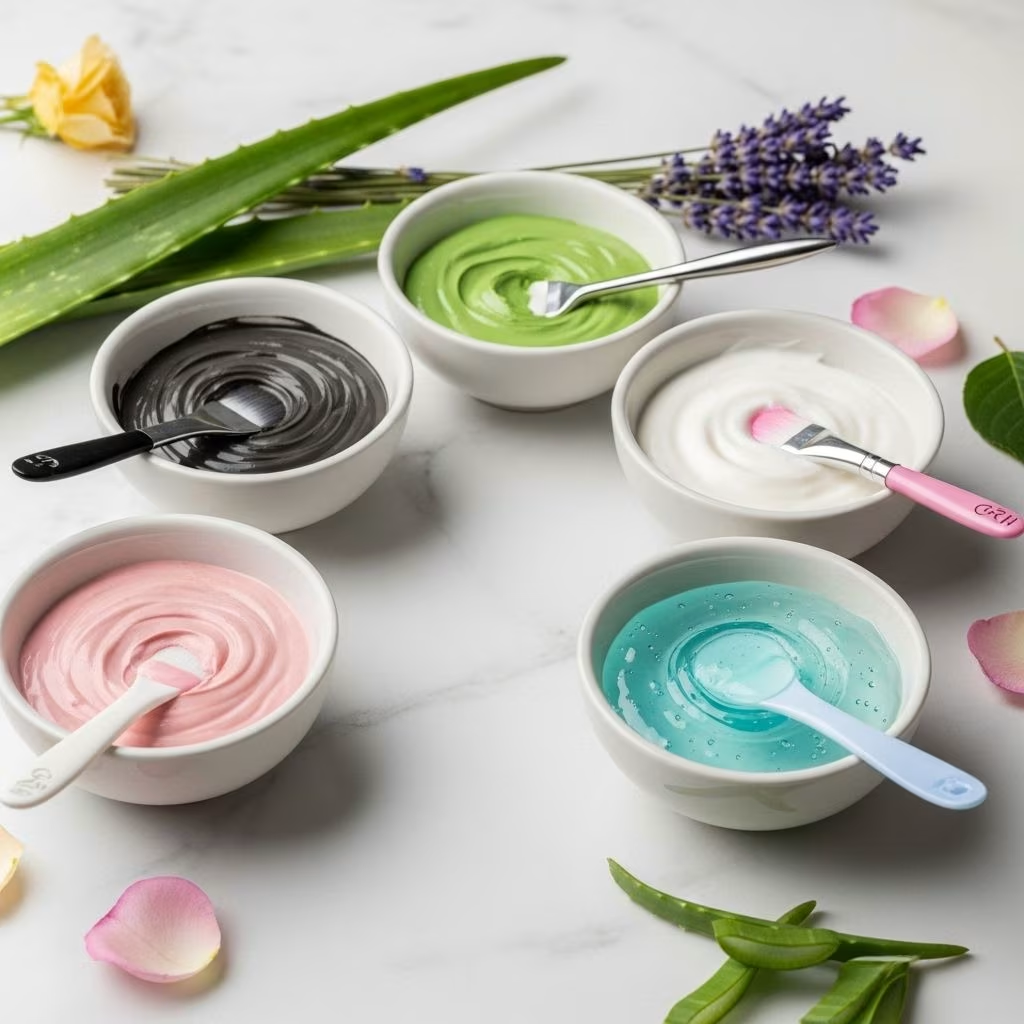
Introduction to Multi-Masking
Multi-masking is a skincare technique that involves applying different face masks to various areas of the face to address specific skin concerns. This approach allows for a more personalized and effective skincare routine, as it caters to the unique needs of each facial zone. Whether you have oily skin in the T-zone, dry cheeks, or hyperpigmentation, multi-masking can help you tackle these issues simultaneously.
Benefits of Multi-Masking
The primary benefit of multi-masking is its ability to target multiple skin concerns at once. Unlike using a single mask that might not effectively address all areas of the face equally, multi-masking ensures that each zone receives the treatment it needs. This can lead to improved skin texture, reduced oiliness, enhanced hydration, and a more even complexion.
Skincare Map for Multi-Masking
To create a skincare map for multi-masking, you need to identify the different zones of your face and their respective skin concerns.
Identifying Facial Zones and Skin Concerns
- T-Zone (Forehead, Nose, Chin): Typically oily and prone to blackheads and whiteheads.
- Cheeks and Jawline: Often drier and may require hydration.
- Under-Eye Area: Delicate and may need soothing treatments.
- Dark Spots or Hyperpigmentation: Require brightening treatments.
Choosing the Right Masks
Here are some guidelines for selecting masks based on your skin concerns:
- For the T-Zone:
- Oil-absorbing masks like clay or charcoal masks are ideal for controlling oil and reducing pores.
- For blackheads or whiteheads, a clay mask can help draw out impurities.
- For Cheeks and Jawline:
- Hydrating masks with hyaluronic acid or nourishing botanical oils are suitable for dry areas.
- Masks with soothing ingredients like aloe vera or honey can help calm sensitive skin.
- For the Under-Eye Area:
- Lightweight, soothing masks or eye creams with caffeine or vitamin K can help reduce puffiness and dark circles.
- For Dark Spots or Hyperpigmentation:
- Brightening masks with kojic acid or tranexamic acid can help even out the skin tone.
Step-by-Step Multi-Masking Guide
Here’s how to apply multi-masking effectively:
Step 1: Prepare Your Skin
Begin with a clean face by washing it with a gentle cleanser. Pat dry and apply a toner to balance your skin’s pH and enhance absorption.
Step 2: Identify Your Skin Zones
Assess your face to determine which areas need different treatments based on their skin concerns.
Step 3: Apply the Masks Strategically
Use a brush or your fingertips to apply each mask to its designated area. For example:
- Forehead, Nose, and Chin (T-Zone): Apply an oil-absorbing mask.
- Cheeks and Jawline: Use a hydrating mask.
- Under-Eye Area: Apply a soothing eye mask.
- Dark Spots or Hyperpigmentation: Use a brightening mask.
Step 4: Relax and Let the Masks Work
Leave the masks on for 10–20 minutes. Avoid excessive facial movements to allow the ingredients to penetrate effectively.
Step 5: Rinse and Follow Up
Gently remove the masks with lukewarm water and a soft washcloth. After drying your face, apply a hydrating serum followed by a moisturizer suited to your skin type.
Popular Masks for Multi-Masking
Here are some popular masks that can be used for multi-masking:
For Oil Control and Detoxification
- Bamboo Charcoal Mask: Absorbs excess oil and detoxifies the skin.
- CannaCell DeTox Mask: Uses bentonite clay for detoxification.
For Hydration and Soothing
- Calming Rejuvenation Crème: Hydrates and soothes sensitive areas.
- Sensitive 1000 Roses Rosewater Mask: Soothes and nourishes sensitive skin.
For Brightening and Hyperpigmentation
- Multi-Factor Brightening Crème: Contains kojic acid to brighten the skin.
- Brightening Pumpkin Honey Glycolic Mask: Exfoliates and brightens with vitamin C and glycolic acid.
Frequently Asked Questions (FAQs)
Q: How often should I multi-mask?
A: You can incorporate multi-masking into your routine 1-2 times a week, depending on your skin type and concerns.
Q: Can I use multi-masking if I have sensitive skin?
A: Yes, but start with gentle masks and patch test on a small area first to avoid any adverse reactions.
Q: How long does multi-masking take?
A: Typically, it involves a 10–20 minute masking session, followed by rinsing and skincare follow-up.
Conclusion
Multi-masking offers a versatile and effective approach to skincare, allowing you to customize your routine to address specific skin concerns across different facial zones. By understanding your skin map and choosing the right masks, you can enhance your skin’s texture, clarity, and overall health.
References
- https://www.revivalabs.com/how-to-multi-mask-for-maximum-benefits/
- https://us.gotoskincare.com/blogs/the-go-to-guide/your-definitive-guide-to-multi-masking
- https://andalou.com/blogs/our-blog/multi-masking-with-andalou-targeted-face-masks
- https://www.patchology.com/blogs/the-blog/multi-masking-magic-our-guide-to-a-radiant-winter-glow
- https://www.heydayskincare.com/blogs/skin-deep/the-best-face-mask-for-your-skin-type
- https://www.skincare.com/expert-advice/skin-care-advice/3-ways-to-use-the-multi-masking-technique
- https://www.youtube.com/watch?v=QKLFNR7htJU
- https://rationale.com/blogs/find-your-inspiration/a-guide-to-multi-masking
- https://jurlique.com.au/blogs/news/guide-to-multi-masking


