


Introduction
Peripheral circulation issues affect millions worldwide, manifesting prominently as skin symptoms on the lower limbs. These issues, whether from arterial or venous causes, can lead to significant discomfort, disability, and even limb-threatening complications if left unmanaged. This article provides a comprehensive overview of the causes, symptoms, diagnostic pathways, and management strategies for skin changes due to poor peripheral circulation in the lower legs.
Anatomy and Physiology of Peripheral Circulation
The circulatory system in the legs consists of arteries, veins, and capillaries. Arteries transport oxygen-rich blood to muscles and skin, while veins carry deoxygenated blood back to the heart. Capillaries facilitate nutrient and oxygen exchange at the tissue level. Efficient circulation is vital for tissue health, wound healing, and overall limb function. Disruption in this system—whether due to arterial narrowing or venous insufficiency—can result in characteristic skin changes.
Causes of Poor Circulation in the Lower Legs
Peripheral arterial disease (PAD) and chronic venous insufficiency (CVI) are the two primary conditions affecting lower limb circulation.
- Peripheral Arterial Disease (PAD): Caused primarily by atherosclerosis, leading to narrowing and stiffening of arteries. Risk factors include smoking, diabetes, high cholesterol, hypertension, and older age.
- Chronic Venous Insufficiency (CVI): Results from malfunctioning venous valves, causing blood to pool in the legs. Risk factors include obesity, prolonged standing, venous thrombosis, and genetic predisposition.
- Other Causes: Deep vein thrombosis (DVT), Raynaud’s phenomenon, and certain systemic diseases can also impair peripheral circulation.
Skin Symptoms of Poor Peripheral Circulation
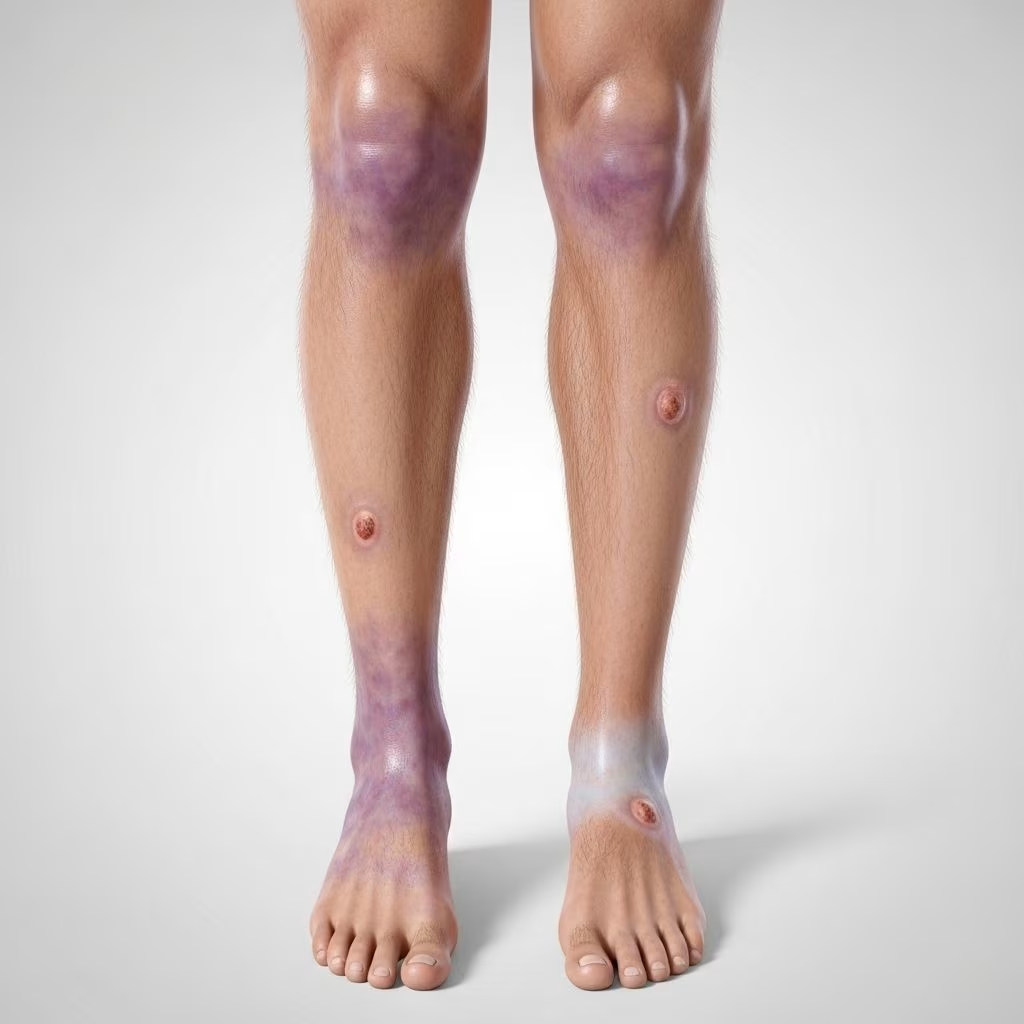
Recognizing the skin changes associated with poor peripheral circulation is critical for early intervention. Symptoms vary based on whether the problem is arterial or venous.
Arterial Insufficiency Symptoms
Classic signs of PAD-related skin changes include:
- Coolness, especially when compared to the other leg
- Pale or bluish skin discoloration, particularly when the leg is elevated
- Shiny, thin, or stretched-looking skin
- Hair loss on the legs and feet
- Slow-growing or brittle toenails
- Non-healing ulcers or sores on the feet or legs
- Severe pain at night, often relieved by dangling the leg over the bed
Venous Insufficiency Symptoms
CVI more often causes:
- Swelling (edema) in the legs and feet
- Varicose or spider veins
- Brownish skin discoloration, often near the ankles (lipodermatosclerosis)
- Dry, itchy, or flaking skin (venous eczema)
- Split, weeping, or hardened skin (especially in advanced disease)
- Venous ulcers, typically above the ankle
General Symptoms of Poor Circulation
- Leg pain, cramping, or aching, especially with walking (claudication)
- Numbness or tingling in the legs and feet
- Heaviness or fatigue in the legs
- Muscle wasting in severe cases
Diagnostic Approach to Skin Changes
Healthcare providers use a combination of clinical assessment and diagnostic tests to identify the underlying cause of skin symptoms.
- Medical History and Physical Exam: Evaluation of risk factors, symptoms, and visible skin changes.
- Ankle-Brachial Index (ABI): A painless test comparing blood pressure in the arms and legs to screen for PAD.
- Ultrasound: Doppler ultrasound assesses blood flow and identifies blockages or valve incompetence.
- Blood Tests: To check for diabetes, high cholesterol, and other contributing conditions.
| Diagnostic Test | Purpose | What It Detects |
|---|---|---|
| ABI | Non-invasive screening | Arterial blockages |
| Doppler Ultrasound | Imaging | Blood flow, clots, valve function |
| Blood Tests | Laboratory | Diabetes, high cholesterol |
Complications Arising from Chronic Poor Circulation
If untreated, peripheral circulation issues can lead to severe complications:
- Chronic Ulcers: Non-healing wounds prone to infection
- Gangrene: Tissue death requiring urgent intervention
- Deep Vein Thrombosis (DVT): Blood clots in deep veins, a medical emergency
- Cellulitis and Other Infections: Due to impaired immune response and poor healing
These complications can result in significant morbidity, reduced quality of life, and, in extreme cases, limb amputation.
Treatment and Management Strategies
Management depends on the underlying cause and the severity of the condition.
Lifestyle Modifications
- Smoking cessation
- Regular exercise, especially walking
- Weight management
- Blood sugar and blood pressure control
Medical Therapies
- Medications: Antiplatelets (e.g., aspirin), statins, blood pressure medications, and occasionally vasodilators
- Compression Therapy: Compression stockings for venous disease
- Wound Care: Topical treatments, debridement, and infection management
Interventional Procedures
- Angioplasty and Stenting: To widen narrowed arteries
- Bypass Surgery: For severe arterial blockages
- Vein Surgery or Ablation: For advanced venous disease
Multidisciplinary Care
Collaboration between vascular specialists, wound care teams, and primary care providers is essential for optimal outcomes.
Prevention and Lifestyle Recommendations
Prevention focuses on mitigating risk factors and promoting vascular health.
- Healthy Diet: Rich in fruits, vegetables, whole grains, and lean proteins
- Regular Exercise: Improves circulation and overall cardiovascular health
- Smoking Cessation: Critical for arterial health
- Foot Care: Regular inspection, moisturizing, and prompt treatment of minor injuries
- Annual Check-ups: Especially for those with diabetes, hypertension, or a family history of vascular disease
When to Seek Medical Attention
Prompt medical evaluation is crucial if you experience:
- Sudden, severe leg pain or swelling (possible DVT)
- Non-healing ulcers or sores
- Signs of infection (redness, warmth, fever)
- Leg numbness, pallor, coldness, or paralysis (acute limb ischemia—seek emergency care)
Frequently Asked Questions
What are the most common signs of poor circulation in the lower legs?
The most common signs include pain or cramping with walking, coldness, swelling, skin discoloration, hair loss, brittle nails, and non-healing ulcers.
Does poor circulation always cause visible skin changes?
Not always. Some individuals, especially in early stages, may have minimal or no visible skin changes. Symptoms can progress over time.
Can poor circulation in the legs be reversed?
While some damage may be irreversible, lifestyle changes, medications, and, in some cases, surgery can improve symptoms and prevent complications.
How can I prevent circulation problems in my legs?
Preventive measures include quitting smoking, managing chronic conditions like diabetes and hypertension, exercising regularly, and maintaining a healthy weight.
When should I see a doctor for leg skin symptoms?
Seek medical attention if you notice persistent pain, swelling, skin ulcers, signs of infection, or sudden changes in skin color or sensation.
Summary
Peripheral circulation issues on the lower legs, whether arterial or venous in origin, present with distinctive skin symptoms that can serve as early warning signs of underlying vascular disease. Recognizing these changes, understanding their causes, and seeking timely medical intervention are essential steps in preventing complications and preserving limb health. A combination of lifestyle modifications, medical therapy, and, when necessary, procedural interventions can significantly improve outcomes for individuals affected by these conditions.
References
- https://medlineplus.gov/ency/article/000170.htm
- https://www.cvmus.com/vascular-treatment/poor-circulation-treatment-and-causes
- https://www.nhs.uk/conditions/peripheral-arterial-disease-pad/
- https://www.healthdirect.gov.au/peripheral-vascular-disease
- https://www.mayoclinic.org/diseases-conditions/peripheral-artery-disease/symptoms-causes/syc-20350557
- https://ccvsa.com/5-warning-signs-of-poor-circulation-you-shouldnt-ignore/
- https://my.clevelandclinic.org/health/diseases/21882-poor-circulation


