


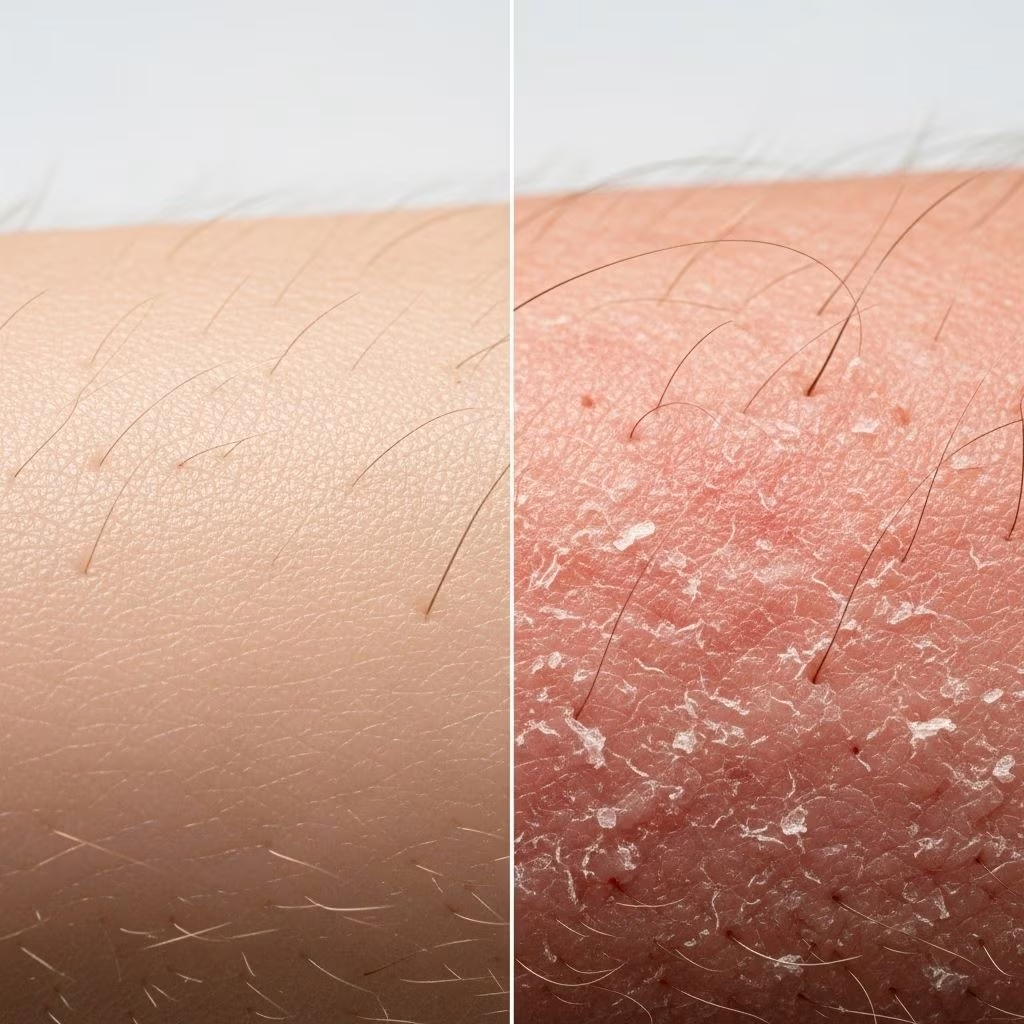
The skin is a highly complex organ, acting as the body’s first line of defense against environmental threats and maintaining overall wellness. Two frequently misunderstood skin conditions—skin barrier damage and sensitive skin—often present with similar symptoms but have distinct origins, implications, and care requirements. This comprehensive guide examines the fundamental differences between skin barrier damage and sensitive skin, exploring causes, signs, impacts, and best practices for diagnosis, management, and prevention.
Introduction
Many people confuse skin barrier damage with sensitive skin because both can cause dryness, redness, and discomfort. However, conflating these terms can hinder effective treatment. Distinguishing the two is crucial: skin barrier damage is primarily a structural and functional issue of the skin’s protective layer, while sensitive skin refers to a heightened sensory response to external or internal stimuli.
Understanding the Skin Barrier
The skin barrier is the skin’s outermost layer, medically known as the stratum corneum. This layer consists of tightly-packed dead skin cells (corneocytes) in a lipid matrix, topped by the acid mantle—a thin, slightly acidic film formed by sebum and sweat. These combined elements serve multiple protective roles:
- Prevents moisture loss by keeping water inside the skin
- Shields against irritants and allergens
- Maintains balanced skin microbiome to reduce infection risk
- Regulates skin pH for physiological and immune defense
Healthy barrier function is essential for smooth, resilient, and hydrated skin. When damaged, the skin becomes vulnerable to dehydration, irritation, and infection.
What Causes Skin Barrier Damage?
- Environmental factors: UV radiation, pollution, harsh weather strip the skin of lipids and proteins.
- Harsh chemicals: Alkaline soaps, strong detergents, improper products disrupt the acid mantle.
- Physical stress: Over-exfoliation, excessive cleansing, hot water mechanically remove protective layers.
- Internal stress: Lack of sleep, poor diet, increased psychological or physical stress negatively affect repair processes.
- Hormonal changes: Fluctuations during aging, pregnancy, or illness can weaken skin structure.
- Inherited skin conditions: Genetic predisposition (eczema, psoriasis) can cause chronic barrier impairment.
What Is Sensitive Skin?
Sensitive skin describes a condition where skin easily reacts to external or internal triggers with irritation, redness, or discomfort. Unlike barrier damage—which results from physical or chemical disruption—sensitivity often emerges as a symptom of underlying inflammation, genetic tendency, or nervous system over-responsiveness. Sensitive skin is often lifelong or recurring, though its severity can fluctuate based on environment, health, and age.
Common Causes of Sensitive Skin
- Genetic factors: Inherited skin reactivity, thinner epidermis, lower lipid content
- Chronic inflammatory skin conditions: Eczema, rosacea, or contact dermatitis
- Immune system variations: Overactive response leading to inflammation from minor stimuli
- External irritants: Fragrances, preservatives, climate changes, pollution
- Psychological stress: Heightened sensitivity may be exacerbated by stress or anxiety
Not all sensitive skin is the result of a damaged skin barrier, and not all barrier damage results in persistent sensitivity. Both conditions may occur together but require different care strategies.
Symptoms and Signs: How They Differ
| Symptom | Skin Barrier Damage | Sensitive Skin |
|---|---|---|
| Redness | Often with flaking or roughness; signs of inflammation or infection | Prompted by triggers (products, weather), typically without structural change |
| Dryness/Tightness | Loss of hydration, trans-epidermal water loss (TEWL) | Feels tight or dry after exposure to irritants; not always due to water loss |
| Itchiness/Stinging | Persistent, often with flakiness, burning, or visible damage | Immediate after contact with triggers, short-lived unless repeatedly exposed |
| Increased Sensitivity to Products | Burning/stinging with even gentle products; sudden onset | Long-term intolerance to many products; often lifelong |
| Discoloration | Patches, hyperpigmentation due to chronic irritation/healing issues | Temporary flushing, redness; rarely hyperpigmentation |
| Infection/Delayed Healing | High risk due to loss of protection | Low risk unless underlying barrier is also compromised |
| Rosacea/Eczema/Other Diseases | Often a consequence of barrier failure or pre-existing condition | Core feature in skin’s sensitivity profile |
Root Causes: What Triggers Barrier Damage vs Sensitivity
Skin Barrier Damage Triggers
- Over-exfoliation with physical or chemical agents
- Strong surfactants and soaps strip natural oils
- Frequent hot showers and baths
- Sun exposure, UV radiation, and pollution
- Poor nutrition, lack of sleep, high stress
- Medications (topical steroids, systemic drugs)
- Genetic predispositions; aging
Sensitive Skin Triggers
- Cosmetics with fragrance, alcohol, or harsh preservatives
- Temperature changes, humidity, wind exposure
- Allergens (pollen, dust, pet dander)
- Emotional stress and anxiety
- Pre-existing inflammatory skin diseases
Core Differences Between Skin Barrier Damage and Sensitive Skin
Summary Table: Key Distinctions
| Aspect | Skin Barrier Damage | Sensitive Skin |
|---|---|---|
| Nature | Physical/biochemical impairment | Functional/reactive skin response |
| Onset | Sudden or gradual, often from lifestyle, products, or disease | Chronic or lifelong, genetic or immune-driven |
| Symptoms | Redness, flaking, infection, water loss, discomfort | Stinging, burning, redness without visible change or damage |
| Risk Factors | Environmental, chemical, mechanical, health status | Genetic, immunological, environmental |
| Diagnosis | Clinical observation, history of triggers, recovery with barrier support | Patient history, reaction to known triggers, exclusion of other disease |
| Management | Barrier restoration: hydration, lipid replenishment, gentle products | Avoidance of triggers, anti-inflammatory support, gentle regimen |
Diagnosis and Identification
Both skin barrier damage and sensitive skin present challenges in accurate diagnosis, but clinical observation and thorough patient history typically guide the process.
- Skin barrier damage: Look for visible peeling, roughness, persistent redness, water loss (skin feels tight/dry), recurrent infections, delayed wound healing.
- Sensitive skin: Symptoms develop rapidly after exposure to specific triggers, such as new products or temperature changes, but resolve quickly with avoidance. Long-term pattern may suggest sensitivity rather than barrier compromise.
Dermatologists may also use patch testing, hydration measurements, or even biopsy in rare cases to distinguish underlying pathologies.
Management and Treatment Strategies
How to Restore the Skin Barrier
- Discontinue harsh products: Avoid strong acids, exfoliants, and irritating cleansers.
- Moisturize generously: Use fragrance-free, lipid-rich creams to replenish lost ceramides and fatty acids.
- Limit exfoliation and scrubbing: Gentle cleansing only, with lukewarm (not hot) water.
- Sun protection: Daily use of broad-spectrum SPF to minimize UV-induced damage.
- Support healing: Apply barrier-supportive substances like niacinamide, cholesterol, ceramides, and panthenol.
- Repair through rest: Adequate sleep, stress reduction, nutrient-dense diet.
Managing Sensitive Skin
- Avoid triggers: Identify and eliminate irritating products and environmental exposures.
- Choose appropriate skincare: Simple, minimal routines using hypoallergenic, fragrance-free products.
- Address inflammation: Topical anti-inflammatories (like prescription corticosteroids for flare-ups), soothing botanicals (like aloe or centella asiatica).
- Monitor for worsening: Seek professional guidance if symptoms escalate or spread.
Often, those with sensitive skin are also prone to barrier compromise, so prevention and management strategies frequently overlap.
Prevention Tips and Lifestyle Advice
- Practice gentle cleansing: Avoid over-washing and use mild, pH-balanced cleansers.
- Protect from environmental stress: Wear SPF, avoid harsh climate exposure when possible.
- Hydrate inside and out: Drink ample water and apply regular moisturizer.
- Limit exfoliation: Once every 1–2 weeks, only if skin tolerates.
- Eat a nutrient-rich diet: Omega-3 fatty acids, vitamins A, C, E, and zinc support skin health.
- Prioritize sleep: Cellular repair is strongest during proper rest.
- Manage stress: Mindfulness, exercise, or therapy can help support healthy skin function.
Frequently Asked Questions (FAQs)
Q: Can sensitive skin become damaged if consistently exposed to irritants?
A: Yes. Chronic exposure may eventually disrupt the skin barrier, leading to compounded symptoms and longer recovery times.
Q: How long does it take for a damaged skin barrier to heal?
A: Mild barrier disruption may recover in a few days with appropriate care. Severe cases can take weeks to several months for full repair, requiring gentle routines and possibly dermatological intervention.
Q: Can you have both sensitive skin and a damaged skin barrier?
A: Absolutely. The two conditions often coexist, especially in those with chronic inflammatory skin diseases like eczema or rosacea.
Q: What are the best ingredients for repairing the skin barrier?
A: Ceramides, cholesterol, fatty acids, niacinamide, glycerin, and hyaluronic acid are top choices due to their replenishing and hydrating properties.
Q: Is sensitive skin always a sign of a medical problem?
A: No. Many people naturally have sensitive skin, which can be well managed with proper care. Persistent or worsening symptoms, however, may warrant professional evaluation.
Q: How do I know if I am over-exfoliating?
A: Signs include new or worsening dryness, increased redness, burning or stinging sensations, and a persistently tight or flaky appearance to the skin. Reduce exfoliation if these symptoms occur.
Q: Should I avoid all active ingredients if I have sensitive skin?
A: Not necessarily. Many with sensitive skin can tolerate certain actives (like niacinamide or azelaic acid) if used in low concentrations and properly introduced. Patch testing is advised.
Summary
Though both skin barrier damage and sensitive skin may look and feel similar, their root causes and care strategies differ markedly. Restoring and protecting the skin barrier centers around gentle, hydrating, and replenishing routines, while sensitive skin management relies on trigger avoidance and calming interventions. Understanding the difference is essential for selecting effective products, preventing future episodes, and maintaining a resilient, healthy complexion.
References
- https://wellconnected.murad.com/skin-barrier-damage-how-to-tell-if-you-have-it-and-how-to-fix-it/
- https://www.shiseido.co.uk/gb/en/shiseido-blog/causes-of-skin-barrier-damage.html
- https://www.healthline.com/health/skin-barrier
- https://www.webmd.com/skin-problems-and-treatments/skin-barrier-what-to-know
- https://health.clevelandclinic.org/skin-barrier
- https://theordinary.com/en-us/blog/signs-of-damage-skin-barrier.html
- https://nationaleczema.org/blog/what-is-my-skin-barrier/


