


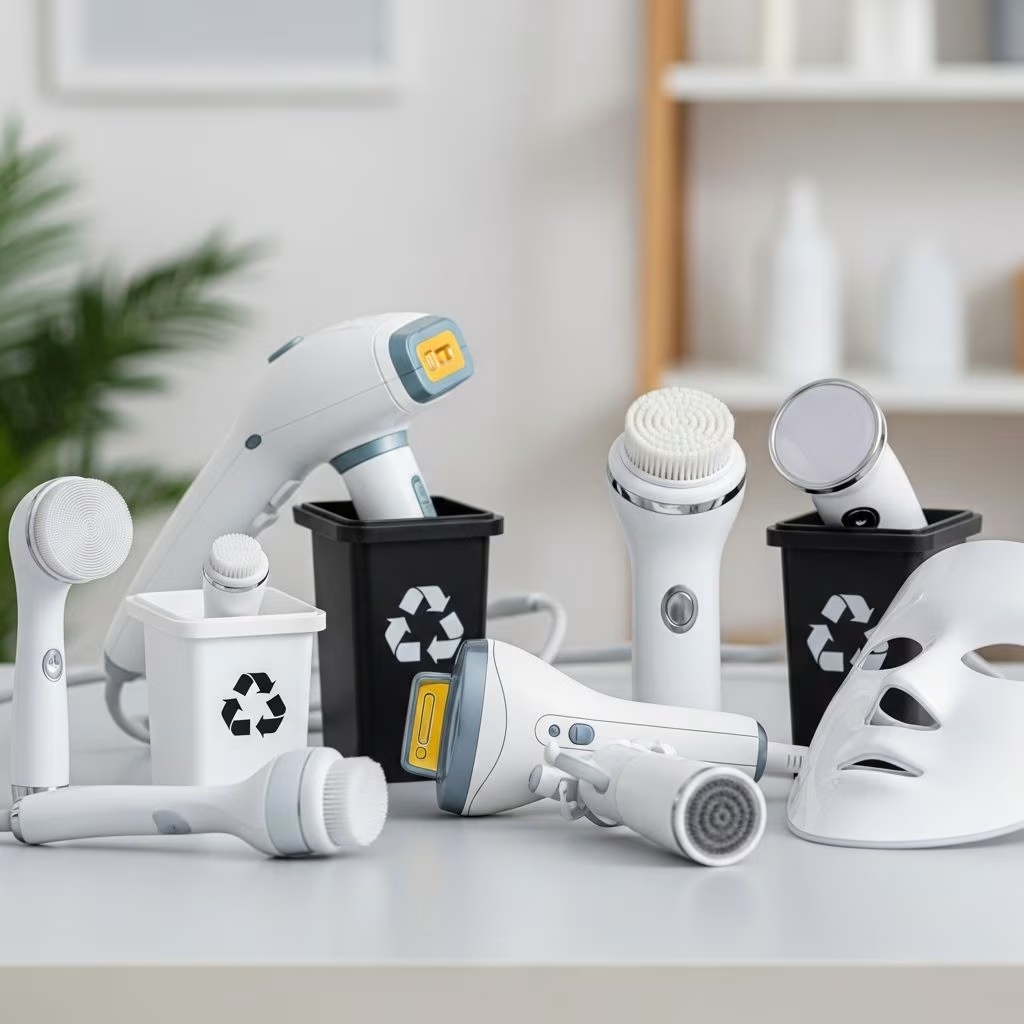
With the rise of innovative at-home beauty technologies and expanding product choices, responsible disposal and recycling of these devices have become both a necessity and a challenge. From facial cleansing brushes and LED masks to hair removal gadgets, the safe and sustainable retirement of old, broken, or obsolete beauty devices is crucial for protecting both human health and the environment. This guide delves into the best practices for recycling beauty devices, managing hazardous components, and adopting sustainable behaviors for a cleaner, greener beauty routine.
Why Recycling Beauty Devices Matters
At-home beauty devices and their packaging contribute to electronic and plastic waste streams. Improper disposal can release toxic substances into the environment and waste valuable materials that could otherwise be reused.
- Electronic Waste (E-Waste): Many devices contain batteries, circuit boards, or electrical components that are considered hazardous waste when landfilled. Recycling prevents toxic leaching and recovers precious metals.
- Plastic Pollution: Devices and beauty packaging often include plastics that are challenging to recycle and add to persistent waste accumulation in landfills and oceans.
- Sustainable Resource Use: Recycling helps recover materials like metals and plastics, reducing reliance on raw material extraction and lowering the carbon footprint of new product manufacturing.
Identifying At-Home Beauty Devices for Recycling
The category of at-home beauty devices encompasses a wide range of products, including:
- Electric cleansing brushes and exfoliation tools
- LED facial masks and light therapy devices
- Microcurrent, ultrasound, and radiofrequency gadgets
- Hair removal devices (IPL/laser, epilators)
- Facial steamers and humidifiers
- Electric toothbrushes and facial massagers
- Heated lash curlers, electronic nail files, and more
Common packaging items also include:
- Plastic and glass bottles
- Jars, compacts, tubes
- Cardboard boxes, trays, and individual packets
- Mirrors, pumps, sprayers, and applicators
Understanding the Recycling Challenges
Recycling beauty devices is complicated by their design and composition:
- Mixed Materials: Most devices use a combination of plastics, metals, glass, magnets, and sometimes batteries, making separation and recycling difficult for conventional municipal facilities.
- Small Size & Specialty Items: Many components—like mascara wands, pump dispensers, or batteries—are too small or made of complex materials not accepted by curbside recycling.
- Hazardous Contents: Batteries, chemical residues, or magnetic components can present environmental and safety hazards if not handled appropriately.
- Cleaning Requirements: Recyclables must be as clean and dry as possible; contaminated materials are often rejected and sent to landfill.
- Unrecyclable Components: Mirrors, magnets, pumps with springs or metal, and some colored plastics are typically non-recyclable.
The Limits of Curbside Recycling
Curbside municipal recycling programs primarily accept basic plastics (like PET #1, HDPE #2) and glass—typically only if items are clean, dry, and single-material. Beauty packaging is often too small or contains mixed materials, meaning much of it slips through and ends up in landfills.
Preparing Devices and Packaging for Recycling
Proper preparation maximizes the chances that your beauty device and associated packaging will be recycled instead of trashed.
- Disassemble if Possible: Remove batteries, magnets, and separate mixed material parts. Take out pumps, sprays, or springs.
- Wipe Containers Clean: For bottles, jars, and tubes, use a paper towel to remove as much residual product as possible, but do not rinse hazardous formulations down the drain.
- Check for Labels and Symbols: Look for recycling symbols indicating material type; #1 (PET) and #2 (HDPE) plastics are most widely accepted.
- Avoid Trash for Hazardous Items: Never throw away items like batteries, nail polish, or products marked as hazardous. Seek a hazardous waste facility or a specialty recycling program.
Hazardous Components and Special Handling
Certain beauty devices contain hazardous elements that require specialized disposal:
- Batteries (Lithium-ion, AA/AAA, button cell): Must be removed if possible and disposed of via battery recycling programs such as Call2Recycle or at dedicated e-waste collection points.
- Magnets: Found in compacts, palettes, or clasps. Magnets are never recyclable through municipal programs and can be hazardous when incinerated or landfilled.
- Chemically Hazardous Products: Nail polish, certain serums, and devices with liquid chemicals fall under household hazardous waste. Contact your local waste center for drop-off options.
- Mirrors and Springs: Remove mirrors from compacts and treat as trash (not recyclable); springs or pumps often contain mixed materials and should also go in the trash if not accepted by specialized programs.
Table 1: Common At-Home Beauty Device Components and Recommended Disposal Methods
| Component | Contains | Disposal Method |
|---|---|---|
| Electric Facial Brush | Plastic, battery, circuit board | Remove battery (recycle e-waste); device – specialty program or e-waste facility |
| LED Mask | Plastic, wiring, LED bulbs, sometimes batteries | Battery via e-waste; rest via specialty recycling |
| Laser Hair Removal Device | Plastic, electronics, metal | E-waste collection or manufacturer take-back |
| Compact with Magnet/Mirror | Plastic, glass, metal, magnet | Remove magnet/mirror (trash); plastic components – specialty recycler |
| Nail Polish/Nail Lamp | Glass/plastic, lamp contains LED/UV bulbs, wires | Empty polish per hazardous waste program; lamp as e-waste |
| Pump/Spray Bottle | Plastic, spring (metal) | Remove spring/pump (trash); bottle (if #1/#2) – curbside clean; otherwise – specialty recycler |
| Batteries | Various types | Battery recycling program or e-waste facility (never trash) |
Where and How to Recycle Beauty Devices
Municipal and Curbside Recycling
- Accepts large plastic and glass containers if clean, single-material, and labeled with accepted recycling symbols
- Does not accept electronics, batteries, or small/mixed-material beauty devices
Household Hazardous Waste & E-Waste Facilities
- Drop-off programs for hazardous products (certain chemicals, nail polish, batteries)
- Community e-waste sites often accept electronic beauty devices for safe processing
- Check your city or county government for collection schedules and accepted items
Specialty Recycling Companies
- TerraCycle: Offers both free and paid at-home or drop-off programs for hard-to-recycle beauty packaging and devices, in partnership with many major brands.
- Zero Waste Boxes: Purchase a box (like TerraCycle’s Beauty Box), fill with qualified beauty products and their packaging, and send it back for responsible recycling.
- Pact Collective/Ulta Beauty Drop-off: Accepts small, non-curbside-recyclable beauty packaging at participating retailer locations.
- Call2Recycle: For batteries and related components (find local drop-off locations).
Brand-Specific Take-Back Programs
- Some brands and retailers offer mail-in or drop-off take-back programs for used devices or empty packaging. Check with the manufacturer for their sustainability initiatives and requirements.
- Companies like L’Oréal, Garnier, and several boutique brands partner with TerraCycle and other recyclers for such programs.
Brand Take-Back & Specialty Programs
Many global beauty brands and retailers are stepping up with device and packaging recycling efforts:
- TerraCycle Partnership: From toothpaste tubes and mascara wands to old devices, TerraCycle guarantees responsible and audited recycling, with up to 98% of collected waste being successfully processed and reused.
- Retailer Drop-offs: Ulta Beauty’s “Beauty Dropoff” collaboration with Pact Collective is an example of specialized in-store recycling bins for items not accepted by general curbside programs.
- Green Packaging Pledge: Some brands have shifted to designing single-material packaging (easier to recycle) and minimizing non-recyclable components like magnets, mirrors, and mixed plastics.
DIY Recycling: Do’s and Don’ts
Do
- Disassemble devices and packaging into single-material parts where possible
- Deposit separated, clean, and dry recyclable plastics and glass in curbside bins only if labeled as accepted
- Collect hazardous waste (batteries, nail polishes, leaded items) for city hazardous waste programs
- Wipe containers clean with a towel—avoid washing chemicals down the sink
- Use retailer or manufacturer-provided take-back schemes for complex devices
Don’t
- Do not put electronics, batteries, and mixed-material packaging in curbside recycling
- Never dispose of hazardous chemicals (nail polish, leaded lipsticks) in household trash or regular recycling
- Avoid rinsing product-laden bottles or tubes—leftover product can pollute waterways if washed out
- Do not attempt to microwave, incinerate, or dismantle devices beyond basic separation, as this could cause injury or hazardous releases
Sustainable Choices and the Future of Beauty Device Recycling
Beyond proper recycling, your best choice as a conscious consumer is to:
- Select beauty brands committed to sustainability and packaging reduction
- Purchase devices designed for long-term use, with replaceable batteries or recyclable components
- Choose products with single-material, non-magnetic, and easily separated components
- Research a device’s eventual end-of-life options before purchase
- Advocate for manufacturer responsibility in product design and end-of-life programs
The beauty industry is gradually adopting greener materials and greater transparency, moving toward packaging made from recycled plastics, refillable modules, and clear labeling for disposal. As consumers, your informed participation and demand for sustainability direct the pace of this transition.
Frequently Asked Questions (FAQs)
Q: What should I do with an old beauty device that has a built-in, non-removable battery?
A: Treat the entire unit as e-waste. Take it to a local e-waste collection event or find a specialty program through the manufacturer or a partner like TerraCycle to ensure safe processing.
Q: Are all beauty packaging items recyclable through curbside programs?
A: No, most beauty packaging is made of mixed materials or is too small for curbside processing. Use special drop-off schemes or retailer collection bins for items like pumps, tubes, or compacts.
Q: Can I rinse out old cosmetic bottles and tubes before recycling?
A: For non-toxic products, yes, rinse and dry thoroughly. For toxic or hazardous materials, wipe out as much product as possible with a towel and dispose of residue in the trash, not via the sink or regular recycling.
Q: What are the most environmentally harmful components in beauty devices?
A: Batteries, magnets, and chemical residues are particularly hazardous. They can leach toxins into water and soil; always isolate and dispose of these via appropriate hazardous waste channels.
Q: How effective are specialty recycling solutions like TerraCycle?
A: TerraCycle solutions have been shown to be 74% better for the environment than landfill and 67% better than waste-to-energy options, with up to 98% of collected waste successfully recycled.
Q: Are there any programs that let me recycle beauty device packaging from home?
A: Yes, TerraCycle and some brands offer mail-in boxes (like the Zero Waste Box) you can fill at home and ship back for processing. Always follow outlined instructions for contents and preparation.
References
- https://www.beauty-heroes.com/blog/the-right-way-to-dispose-of-toxic-beauty-products/
- https://tcrwusa.com/products/beauty-products-and-packaging-zero-waste-box%E2%84%A2
- https://www.westman-atelier.com/blogs/guccis-guide/how-to-guide-to-recycling-your-beauty-products-shampoo-makeup-nail-polish
- https://www.terracycle.com/en-US/pages/how-terracycle-recycles-beauty-products
- https://www.pactcollective.org/ultaxpact


