


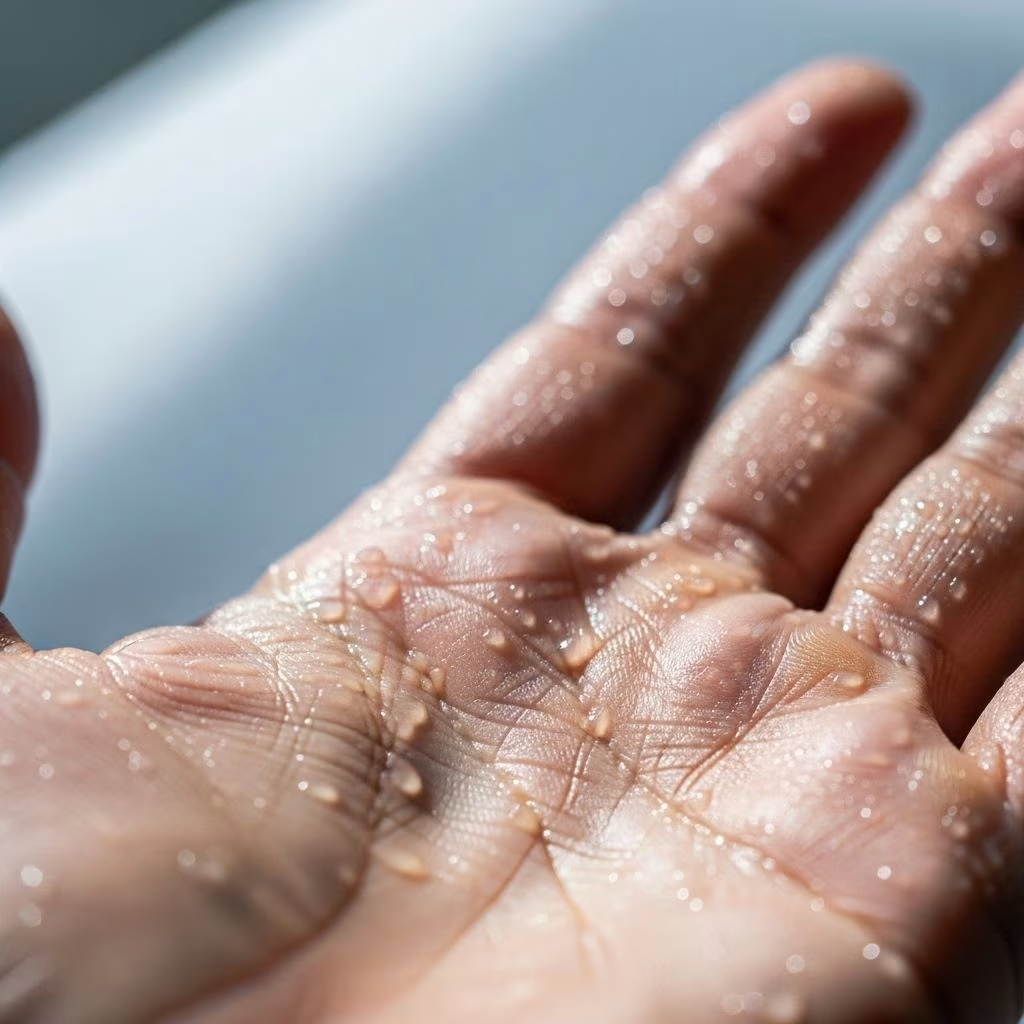
Hyperhidrosis is a complex medical condition characterized by excessive, uncontrollable sweating that far exceeds the body’s physiological requirements for regulating temperature. Affecting both the physical and emotional well-being of millions worldwide, hyperhidrosis can significantly impair social, professional, and daily activities. This article offers a comprehensive overview of the causes, diagnostic strategies, and modern treatment options for hyperhidrosis, as well as practical advice for patients seeking management and relief.
What is Hyperhidrosis?
Hyperhidrosis is a chronic condition defined by excessive, unpredictable sweating well beyond what is required for temperature regulation or emotional responses. This sweating can occur even in cool temperatures and during periods of rest, significantly differing from normal perspiration patterns. The disorder affects an estimated 3% to 5% of the U.S. population, translating to about 15 million people, though it is widely believed to be underdiagnosed and undertreated.
Hyperhidrosis commonly manifests during childhood or adolescence but can develop at any age. It is a physically and emotionally burdensome condition that can adversely affect personal relationships, professional performance, and overall well-being.
Symptoms of Hyperhidrosis
Individuals with hyperhidrosis experience intense sweating in specific localized areas or across the entire body. Symptoms may fluctuate throughout the day but are usually persistent and unpredictable.
- Frequent sweating that is not related to physical activity, warm temperatures, or emotional triggers
- Moist or dripping hands, feet, armpits, face, or other body areas
- Clammy or wet skin, particularly in focal regions
- Sweating that interferes with daily tasks (for example: difficulty gripping objects, smudging paperwork, frequent shirt changes)
- Emotional impact such as embarrassment, anxiety, or avoidance of social situations
- Secondary skin complications: maceration, fungal infections, or irritation from chronic moisture
Symptoms often worsen during periods of stress or heat but, notably, can occur at rest or in cool conditions in hyperhidrosis.
Causes of Hyperhidrosis
The underlying causes of hyperhidrosis differ based on whether the condition is classified as primary (idiopathic) or secondary (due to another underlying disorder or medication).
Primary (Idiopathic) Hyperhidrosis
- No identifiable cause found, though often has a genetic component—runs in families
- Frequently starts in childhood or adolescence
- Classically affects specific bilateral body areas (hands, feet, armpits, face)
- Associated with overactivity of eccrine (sweat) glands, possibly due to a malfunction in nervous system feedback loops
Secondary Hyperhidrosis
- Excessive sweating as a consequence of another medical condition or medication
- Often generalized (widespread) rather than localized
- Potential causes include:
- Endocrine disorders (e.g., hyperthyroidism, diabetes, hypoglycemia, menopause)
- Neurological diseases (e.g., Parkinson’s disease, spinal cord injury, stroke)
- Infection (e.g., tuberculosis, bacterial or viral illness)
- Medications (e.g., certain antidepressants, antipyretics, hypoglycemic agents)
- Cancer (e.g., lymphoma, carcinoid syndrome, pheochromocytoma)
- Cardiovascular disease (e.g., heart attack)
- Substance abuse
When excessive sweating develops suddenly or is accompanied by weight loss, fever, night sweats, or other systemic symptoms, secondary hyperhidrosis must be considered and investigated.
Types of Hyperhidrosis
| Type | Characteristics | Commonly Affected Sites |
|---|---|---|
| Primary/Focal | Localized, idiopathic, symmetrical, and begins in childhood or adolescence | Palms, soles, axillae (armpits), craniofacial region, groin, buttocks |
| Secondary/Generalized | Widespread, often with underlying health condition or medication as cause | Entire body or larger regions |
Within primary/focal hyperhidrosis, subtypes are further recognized based on the anatomic area:
- Palmar: Hands
- Plantar: Feet
- Axillary: Underarms
- Craniofacial: Face and scalp
Diagnosing Hyperhidrosis
The diagnosis of hyperhidrosis is predominantly clinical, based on the patient’s reported symptoms and physical examination findings. However, secondary causes must be ruled out, especially in cases of generalized sweating or adult-onset symptoms. Key steps in diagnosis include:
- Detailed Medical History: Assess onset, duration, triggering factors, family history, presence of underlying conditions, medications, and pattern of sweating (localized vs. generalized).
- Physical Examination: Observe anatomical sites affected, severity, any skin changes (e.g., maceration, infection), and exclude alternative causes.
- Screening for Secondary Causes: If secondary hyperhidrosis is suspected, investigations may include:
- Blood glucose (to rule out diabetes/hypoglycemia)
- Thyroid function tests (to rule out hyperthyroidism)
- Complete blood count (CBC), metabolic panel, infection screen, as appropriate
- Assessment of medication or substance use
- Severity Assessment: Several self-assessment scales and objective tests are utilized:
- Hyperhidrosis Disease Severity Scale (HDSS)
- Starch-iodine test: Identifies sweat pattern and intensity on the skin
- Gravimetric measurement: Quantifies amount of sweat produced
Proper diagnosis is essential to tailor effective management and rule out life-threatening secondary causes.
Treatment Options
Treatment aims to reduce sweating, relieve symptoms, and improve quality of life. Management strategies depend on the type, severity, anatomical location, and patient preference. Approaches can be broadly categorized as non-invasive, minimally invasive, or surgical.
Non-Invasive Treatments
- Topical Antiperspirants (Aluminum Chloride & Related Compounds): First-line therapy for mild to moderate focal hyperhidrosis. Prescription-strength antiperspirants block sweat gland ducts. Potential side effects include skin irritation.
- Oral Anticholinergic Medications: These suppress the stimulation of sweat glands but may have systemic side effects such as dry mouth, constipation, urinary retention, and blurred vision. Used for more severe or widespread cases.
- Iontophoresis: Involves passing a mild electrical current through water to affected areas (typically the hands and feet) to reduce sweating. Safe for home use with special devices. May require regular, prolonged sessions for effectiveness.
Minimally Invasive Treatments
- Botulinum Toxin Injections (Botox): Blocks the nerve signals that stimulate sweat glands. Particularly effective for axillary (underarm) and palmar hyperhidrosis. Effects last 4–12 months and treatment can be repeated. Side effects include pain at injection site and temporary muscle weakness when injected in the palms.
- Microwave Thermolysis: Uses controlled microwaves to destroy sweat glands in the axillae. Provides lasting reduction in sweating with minimal downtime, though availability may be limited.
- Laser and Radiofrequency Therapies: Newer approaches that physically ablate sweat glands beneath the skin. Most effective for axillary hyperhidrosis.
Surgical Treatments
- Endoscopic Thoracic Sympathectomy (ETS): A minimally invasive surgical procedure where the nerves responsible for stimulating sweat glands in the chest are cut, cauterized, or clipped. Usually reserved for severe, treatment-resistant cases affecting the hands or face. Risks include compensatory sweating in other body areas, pneumothorax, and nerve injury.
- Surgical Excision or Curettage of Sweat Glands: Direct removal or scraping of sweat glands, most commonly performed for axillary hyperhidrosis.
Other and Emerging Treatments
- Glycopyrronium cloths or solutions: Topical anticholinergic agents for focal hyperhidrosis
- Psychological Support: Cognitive behavioral therapy or counseling may benefit those with significant social anxiety or depression related to hyperhidrosis
- Investigational drugs and new energy-based devices are under study for patients not responding to existing options
Comparison Table: Treatment Options at a Glance
| Treatment | Mode of Action | Common Use | Typical Side Effects |
|---|---|---|---|
| Topical Antiperspirants | Blocks sweat gland ducts | Mild-moderate, localized | Skin irritation |
| Oral Anticholinergics | Inhibit sweat gland stimulation | Severe/generalized | Dry mouth, constipation |
| Iontophoresis | Reduces sweat via mild electric current through water | Palms, soles | Skin dryness, irritation |
| Botulinum Toxin | Blocks nerve signals to sweat glands | Axillae, palms, soles, face | Injection site pain, temporary weakness |
| Surgical Excision/Curettage | Removes sweat glands | Axillae | Scarring, infection |
| ETS Sympathectomy | Cuts nerves supplying sweat glands | Hands, face (severe cases) | Compensatory sweating, nerve injury |
Living with Hyperhidrosis: Practical Tips
For many, lifestyle modification and symptom management remain essential aspects of living with hyperhidrosis. Practical tips include:
- Wearing loose, breathable fabrics (cotton, linen) and moisture-wicking undergarments
- Choosing light-colored clothing to minimize visible sweat stains
- Carrying spare clothing and absorbent pads, especially during travel or social events
- Using absorbent insoles or moisture-controlling socks for plantar hyperhidrosis
- Hygiene: Frequent washing and thorough drying of affected areas to prevent infections
- Using clinical-strength antiperspirants regularly, even at night
- Seeking support from patient organizations or counseling for emotional or psychological impact
Frequently Asked Questions (FAQs)
Q: Is hyperhidrosis dangerous or life-threatening?
A: While hyperhidrosis is usually not dangerous in itself, it can have a profound impact on daily life, leading to social isolation, emotional stress, and increased risk of skin infections. Secondary hyperhidrosis may signal a potentially serious underlying condition and should be evaluated by a healthcare provider.
Q: How can I tell if my sweating is abnormal?
A: Excessive sweating that occurs without typical triggers (such as heat, exercise, or emotional stress), persists during rest, or causes daily life disruptions should prompt a medical evaluation for hyperhidrosis.
Q: Can dietary changes help reduce hyperhidrosis symptoms?
A: Evidence is limited, but reducing caffeine, spicy foods, and hot drinks may help some individuals. Maintaining hydration and a balanced diet supports general well-being.
Q: Will hyperhidrosis go away on its own?
A: Primary hyperhidrosis is generally a long-term condition, though symptoms may fluctuate over time. Some patients experience spontaneous improvement, while others require ongoing management.
Q: When should I see a doctor about excessive sweating?
A: If sweating is persistent, causes significant distress, interferes with daily activities, or is associated with other health concerns (e.g., fever, weight loss, night sweats), consult your healthcare provider promptly to rule out secondary causes and discuss management.
Further Resources
- International Hyperhidrosis Society – Comprehensive resources and support for patients
- American Academy of Dermatology – Patient education and treatment advances
- Cleveland Clinic – Up-to-date information on testing and therapies
- MedlinePlus – Overviews, treatment, and self-care guidance
Hyperhidrosis is a recognized medical condition that warrants greater awareness, early diagnosis, and evidence-based treatment. Timely intervention can dramatically improve quality of life for those affected, allowing them to manage symptoms confidently and effectively.
References
- https://bestpractice.bmj.com/topics/en-us/856
- https://www.sweathelp.org/about-hyperhidrosis/condition-overview.html
- https://www.ncbi.nlm.nih.gov/books/NBK459227/
- https://medlineplus.gov/ency/article/007259.htm
- https://www.nm.org/conditions-and-care-areas/pulmonary/hyperhidrosis
- https://my.clevelandclinic.org/health/diseases/17113-hyperhidrosis
- https://www.aad.org/public/diseases/a-z/hyperhidrosis-overview


