


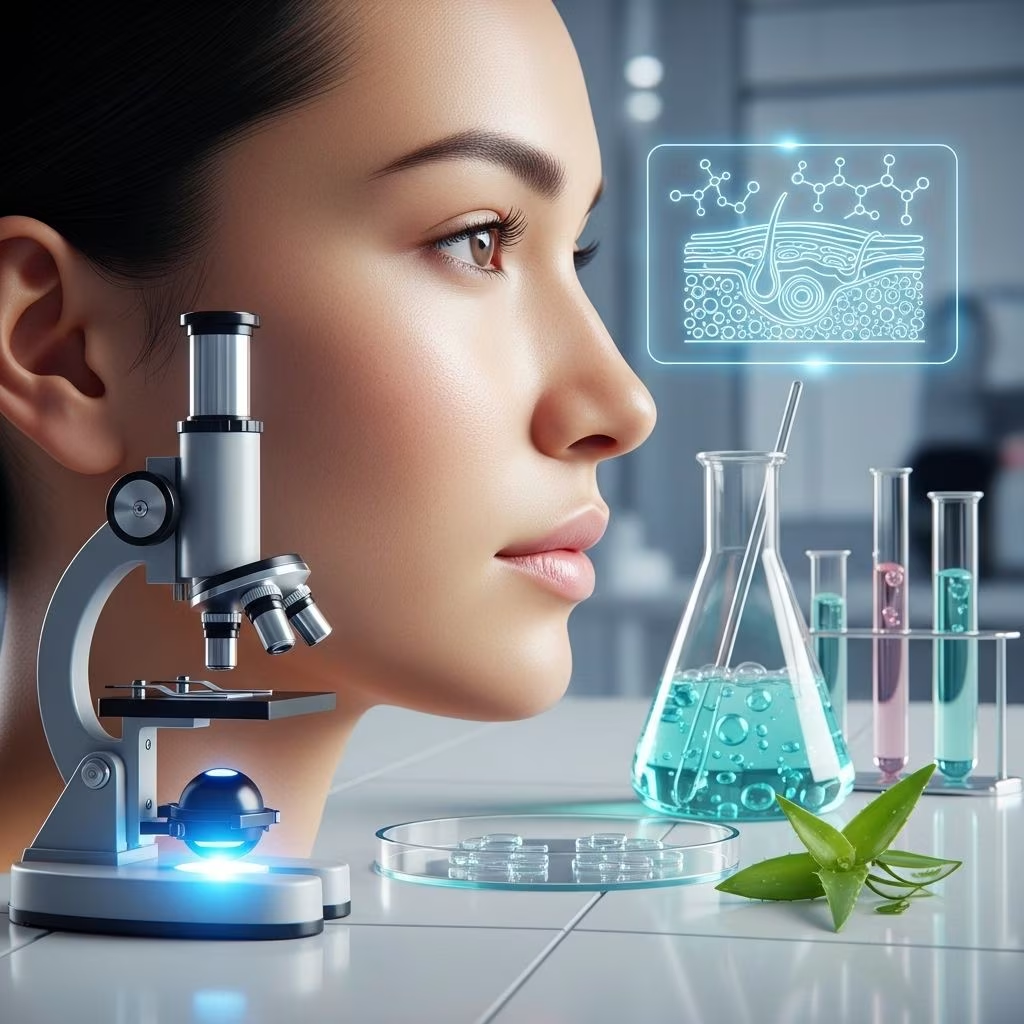
Introduction to Anti-Aging Science
The quest for maintaining youthful skin has driven decades of scientific research into understanding the fundamental mechanisms of aging. At the cellular and molecular level, skin aging represents a complex interplay of intrinsic biological processes and external environmental factors. The dermis, which comprises the majority of skin thickness, undergoes significant structural and functional changes throughout the aging process, primarily affecting three key components: collagen, elastin, and the cellular response systems that retinoids influence.
Modern anti-aging science has revealed that skin aging occurs through multiple pathways involving extracellular matrix degradation, cellular senescence, and impaired repair mechanisms. Understanding these processes at the molecular level provides the foundation for developing effective interventions that can slow, halt, or even reverse visible signs of aging.
Collagen: The Foundation of Youthful Skin
The Structure and Function of Collagen
Collagen represents the most abundant protein in human skin, comprising approximately 70-80% of the dermis by dry weight. This fibrous protein provides structural integrity, mechanical strength, and acts as a scaffold for other important skin components. The collagen network in healthy skin forms an organized, dense matrix that maintains skin thickness, firmness, and overall structural support.
Type I collagen, the predominant form in skin, consists of triple-helix structures that bundle together to form strong, flexible fibers. These fibers create a three-dimensional network that supports cellular functions and provides the mechanical properties essential for healthy skin appearance and function.
Age-Related Collagen Changes
From early adulthood, fibroblasts become less active and collagen production declines by approximately 1.0-1.5% annually. This gradual decrease results in several observable changes in skin structure and appearance. The remaining collagen becomes fragmented and coarsely distributed, losing its organized arrangement and functional capacity.
The primary mechanisms driving collagen degradation include increased activity of matrix metalloproteinases (MMPs), particularly MMP-1, MMP-2, and MMP-3. These enzymes break down existing collagen fibers faster than they can be replaced. Additionally, impaired transforming growth factor-β (TGF-β) signaling, often induced by reactive oxygen species generated during aging, further compromises collagen synthesis.
Collagen Supplementation Mechanisms
Research into collagen supplementation has revealed fascinating mechanisms of action that extend beyond simple protein replacement. When collagen peptides are consumed orally, they undergo digestion and absorption, with bioactive peptides distributing throughout various tissues including the skin.
These collagen-derived peptides demonstrate a dual mechanism of action. First, they provide essential amino acid building blocks necessary for collagen and elastin synthesis. Second, and perhaps more importantly, they bind to fibroblast receptors in the dermis, initiating signaling cascades that stimulate the production of new collagen, elastin, and hyaluronic acid.
Studies have shown that oral collagen supplementation can improve skin elasticity, increase collagen density, and enhance the diameter of collagen fibrils. Unlike topical collagen applications, which face limitations due to large molecular weight preventing deep skin penetration, oral collagen peptides with lower molecular weights can effectively reach target tissues.
Elastin: Maintaining Skin Flexibility and Resilience
Understanding Elastic Fiber Structure
Elastic fibers represent a crucial component of the dermal extracellular matrix, providing skin with its characteristic flexibility, elasticity, and ability to return to its original shape after stretching. These fibers consist of two main components: elastin, the core protein that provides elastic properties, and fibrillin-rich microfibrils that serve as scaffolding for elastin deposition.
The formation of functional elastic fibers requires several key proteins, including tropoelastin (the precursor to elastin), fibulin-5, and lysyl oxidase (LOX) enzymes that facilitate cross-linking. This complex assembly process is essential for creating the resilient, long-lasting elastic fiber network found in youthful skin.
Age-Related Changes in Elastic Fibers
The aging process affects elastic fibers differently depending on whether aging is primarily intrinsic (chronological) or extrinsic (primarily photoaging from UV exposure). In intrinsically aged skin, fibrillin-rich microfibrils in the papillary dermis undergo selective degradation, leading to a gradual decrease in functional elastic fibers.
Fibulin-5 plays a critical role in elastic fiber remodeling during aging. In young, photoprotected skin, fibulin-5 is distributed throughout elastic fibers across the dermis. However, in aged skin, this organized pattern becomes completely disrupted, contributing to loss of skin elasticity.
Photoaging presents a different scenario, characterized by the accumulation of disorganized elastic fibers throughout the dermis in a process called solar elastosis. While this might seem contradictory to fiber loss, these accumulated fibers are essentially nonfunctional, consisting of coarse, disoriented material that cannot provide proper elastic support.
Matrix Metalloproteinases and Elastic Fiber Degradation
Multiple matrix metalloproteinases contribute to elastic fiber degradation, including MMP-2, MMP-3, MMP-9, MMP-12, and MMP-13. Among these, MMP-12 (human macrophage metalloelastase) demonstrates the highest activity in elastin degradation. UV radiation significantly induces MMP-12 gene and protein expression, directly contributing to solar elastosis development.
The breakdown of elastic fibers occurs alongside reduced production of new fibers. Aging results in decreased expression of LOX and LOX-like enzymes, essential for assembling new elastic fibers, creating a double burden of increased degradation and reduced synthesis.
Retinoids: Cellular Renewal and Repair
Retinoid Mechanisms of Action
Retinoids, derivatives of vitamin A, represent one of the most scientifically validated anti-aging ingredients available. These compounds work through multiple mechanisms to address various aspects of skin aging at the cellular level. Retinoids primarily function by binding to specific nuclear receptors (retinoic acid receptors and retinoid X receptors) that act as transcription factors, directly influencing gene expression patterns.
The primary mechanisms through which retinoids combat skin aging include accelerating cellular turnover, stimulating collagen synthesis, inhibiting collagen degradation, improving skin texture and pigmentation, and enhancing the overall structural organization of the epidermis and dermis.
Collagen Stimulation and Protection
Retinoids demonstrate remarkable ability to stimulate fibroblast activity and promote collagen synthesis. They upregulate genes responsible for collagen production while simultaneously inhibiting matrix metalloproteinases that break down existing collagen. This dual action helps restore the balance between collagen synthesis and degradation that becomes disrupted with aging.
Additionally, retinoids improve the organization and quality of newly formed collagen, contributing to enhanced skin strength, thickness, and overall structural integrity. Long-term retinoid use has been shown to increase dermal thickness and improve the architecture of collagen fibers.
Cellular Renewal and Differentiation
Retinoids significantly accelerate keratinocyte turnover, promoting the shedding of damaged, aged cells and encouraging the production of healthier, more functional cells. This process helps improve skin texture, reduce the appearance of fine lines, and enhance overall skin radiance.
The compounds also normalize cellular differentiation patterns that become disrupted with aging, helping maintain proper skin barrier function and cellular organization throughout all skin layers.
Molecular Mechanisms of Skin Aging
Extracellular Matrix Degradation
The primary mechanism underlying visible skin aging involves progressive degradation of the extracellular matrix, particularly affecting collagen, elastin, glycosaminoglycans, and proteoglycans. This degradation occurs through multiple pathways, with matrix metalloproteinases playing a central role in breaking down structural proteins.
The reduction in extracellular matrix components creates a cascading effect. As the structural scaffold weakens, fibroblasts experience reduced mechanical tension, which further impairs their function and decreases their production of matrix components. This creates a self-perpetuating cycle of matrix degradation and reduced repair capacity.
Cellular Senescence and Inflammation
Aging skin accumulates senescent cells, which are cells that have stopped dividing but remain metabolically active. These senescent fibroblasts secrete senescence-associated secretory phenotypes (SASPs), including inflammatory cytokines and matrix-degrading enzymes that further accelerate extracellular matrix breakdown.
Specific proteins like CCN1 (cysteine-rich protein 61) become markedly elevated in aged dermal fibroblasts, accelerating dermal aging by dysregulating collagen production and homeostasis. CCN1 increases MMP expression while impairing TGF-β/Smad signaling, resulting in reduced collagen expression and matrix fragmentation.
Oxidative Stress and Free Radical Damage
Reactive oxygen species generated during normal cellular metabolism and environmental exposure accumulate with age, causing direct damage to cellular structures and interfering with normal repair processes. This oxidative stress impairs TGF-β signaling, reduces collagen synthesis, and promotes inflammatory responses that accelerate aging.
Evidence-Based Anti-Aging Strategies
Topical Interventions
Topical anti-aging treatments focus on delivering active ingredients directly to the skin to stimulate repair processes and protect against further damage. Retinoids remain the gold standard for topical anti-aging, with extensive research supporting their efficacy in stimulating collagen production and improving skin texture.
Antioxidants like vitamin C, vitamin E, and various botanical extracts help neutralize free radicals and protect against oxidative damage. Peptides can signal fibroblasts to increase collagen and elastin production, while hydroxy acids promote cellular renewal and improve skin texture.
Oral Supplementation Approaches
Oral collagen supplementation has gained significant scientific support, with studies demonstrating improvements in skin elasticity, hydration, and wrinkle reduction. The bioactive peptides from hydrolyzed collagen can reach dermal fibroblasts and stimulate collagen, elastin, and hyaluronic acid production through receptor-mediated mechanisms.
Nutritional support through omega-3 fatty acids, vitamins, minerals, and antioxidants provides the building blocks and protective factors necessary for optimal skin health and repair processes.
Professional Treatments
Energy-based procedures including laser treatments, radiofrequency, and microneedling can stimulate collagen production through controlled tissue injury and healing responses. These treatments activate fibroblasts and promote new collagen formation while improving skin texture and firmness.
Injectable treatments like dermal fillers containing hyaluronic acid can immediately restore volume and hydration while potentially stimulating natural collagen production through mechanical stimulation of fibroblasts.
Treatment Options Comparison
| Treatment Type | Mechanism | Timeframe | Cost Level | Side Effects |
|---|---|---|---|---|
| Topical Retinoids | Gene regulation, collagen stimulation | 6-12 weeks | Low-Medium | Irritation, sensitivity |
| Oral Collagen | Peptide signaling, matrix support | 8-12 weeks | Medium | Minimal |
| Professional Lasers | Controlled injury, collagen remodeling | 3-6 months | High | Downtime, pigmentation risk |
| Injectable Fillers | Volume restoration, mechanical stimulation | Immediate | High | Swelling, bruising |
| Antioxidant Serums | Free radical neutralization | 4-8 weeks | Low-Medium | Rare irritation |
Frequently Asked Questions
Q: How long does it take to see results from collagen supplementation?
A: Most studies show visible improvements in skin elasticity and hydration within 8-12 weeks of consistent oral collagen supplementation, with continued benefits developing over 3-6 months of regular use.
Q: Can topical collagen products effectively penetrate the skin?
A: Traditional collagen molecules are too large to penetrate skin effectively. However, smaller collagen peptides and ingredients that stimulate natural collagen production are more effective for topical use.
Q: Are retinoids safe for long-term use?
A: Yes, retinoids are considered safe for long-term use when properly introduced and monitored. Start with lower concentrations and gradually increase tolerance while using proper sun protection.
Q: What’s the difference between elastin and collagen in skin function?
A: Collagen provides structural strength and firmness, while elastin gives skin its flexibility and ability to snap back after stretching. Both work together to maintain youthful skin properties.
Q: Can you restore elastin in aged skin?
A: While elastin is more difficult to restore than collagen due to its complex structure and slower turnover rate, some treatments including specific peptides and energy-based procedures may help stimulate new elastin formation.
Q: What age should someone start using anti-aging treatments?
A: Prevention is most effective, so gentle anti-aging approaches including antioxidants and mild retinoids can begin in the mid-20s, with more intensive treatments introduced as needed in the 30s and beyond.
Conclusion
The science of anti-aging continues to evolve, revealing increasingly sophisticated understanding of how collagen, elastin, and cellular repair mechanisms contribute to youthful skin. The evidence strongly supports a multi-faceted approach combining topical treatments, nutritional support, and professional interventions when appropriate.
Key takeaways from current research include the importance of starting preventive measures early, the synergistic benefits of combining different treatment modalities, and the critical role of consistent, long-term approaches for optimal results. As our understanding of skin aging mechanisms deepens, new therapeutic targets and treatment strategies continue to emerge, offering hope for more effective and personalized anti-aging interventions.
The future of anti-aging science lies in personalized approaches that consider individual genetic factors, lifestyle influences, and specific aging patterns to optimize treatment selection and outcomes. By understanding the fundamental science behind collagen, elastin, and retinoid mechanisms, individuals can make informed decisions about their anti-aging strategies and maintain healthier, more youthful skin throughout their lives.


