


Histamine-induced hives, also known as chronic spontaneous urticaria (CSU) or chronic idiopathic urticaria (CIU), present unique challenges for those living with persistent itchy, raised welts on the skin. While medications such as antihistamines form the first line of treatment, increasing evidence supports the value of dietary modifications—particularly a low-histamine and pseudoallergen-restricted diet—in alleviating symptoms for many patients.
Understanding Histamine-Induced Hives
Histamine-induced hives refer to a skin condition where raised, itchy welts (hives) appear on the skin, often triggered by the body’s abnormal release of histamine. This condition, classified medically as chronic spontaneous urticaria (CSU) or chronic idiopathic urticaria (CIU) when lasting over six weeks with no identifiable cause, affects a considerable number of people globally. Unlike acute hives, which are usually linked to allergic reactions, chronic hives often lack a clear external trigger and may be influenced by internal factors, including diet, stress, temperature changes, and autoimmune dysfunction.
Mechanism: Histamine and Its Impact on Urticaria
Histamine is a naturally occurring compound in the human body that plays a crucial role in the immune system, regulating inflammation and allergic responses. When the immune system perceives a threat—or, in some cases, misidentifies non-threatening stimuli—it releases histamine. This excess histamine can cause:
- Capillary dilation and increased permeability
- Redness and swelling (the classic presentation of hives)
- Itchiness and discomfort on the skin
While antihistamine medications are often effective, dietary sources of histamine and compounds that trigger histamine release (pseudoallergens) can exacerbate symptoms for sensitive individuals.
The Role of Diet in Histamine-Induced Hives
Dietary intervention is increasingly recognized as a valuable adjunct to pharmacological therapy in the management of histamine-induced hives. Several studies and reviews have found that reducing the intake of histamine-rich foods and substances known as pseudoallergens can decrease both the frequency and severity of urticaria episodes. In particular:
- A 2016 study found that 75% of participants following a low-histamine diet for three weeks experienced significant symptom improvement.
- A 2018 trial observed a notable reduction in severity scores and blood histamine levels in people with chronic hives after four weeks on a low-histamine diet.
Dietary change may not replace medication for all, but it can offer additional symptomatic relief, especially for those who are non-responsive or partially responsive to standard therapies.
Low-Histamine Diet: Principles and Evidence
The low-histamine diet is designed to minimize the ingestion of foods naturally high in histamine or that promote histamine release in the body. The core principles include:
- Restriction or elimination of high-histamine foods, such as fermented products, aged cheeses, and certain seafoods.
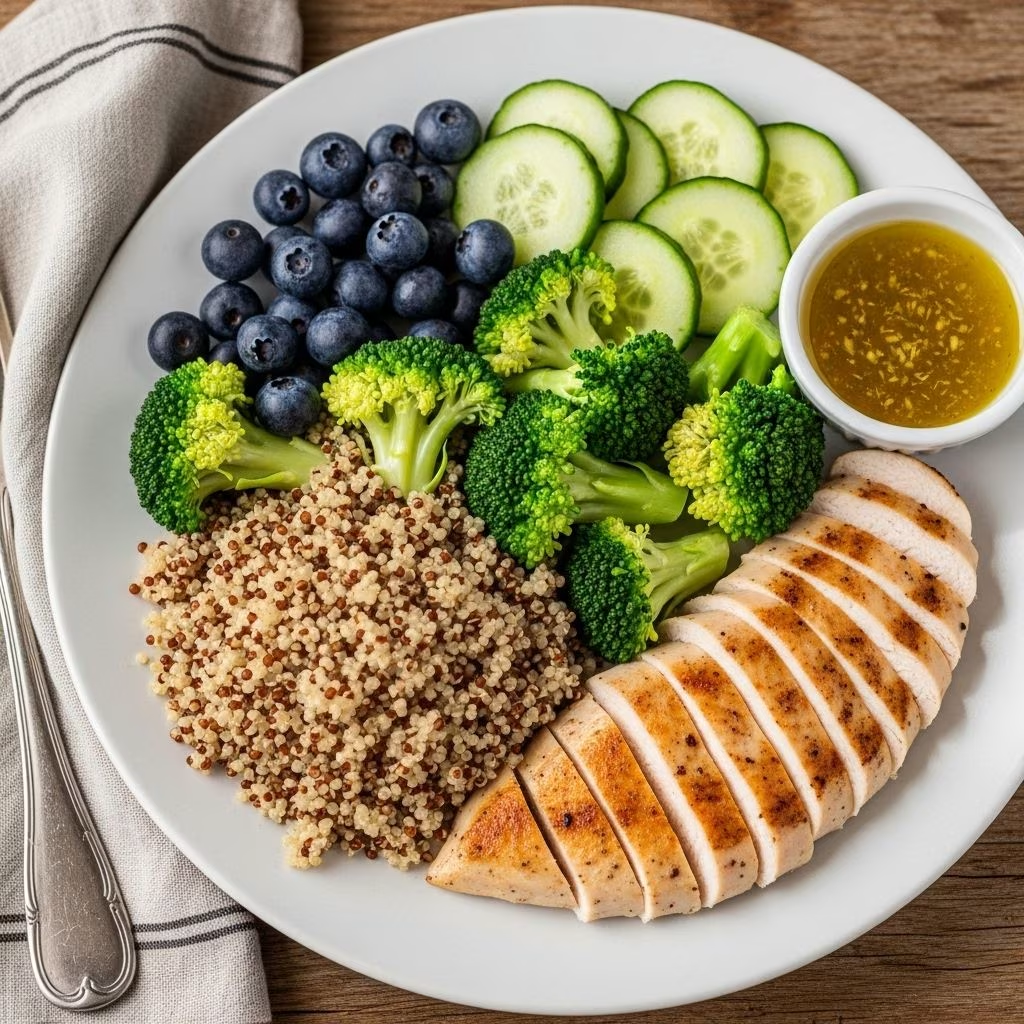
- Favoring foods with naturally low histamine content, including most fresh vegetables, meats, and select grains.
- Attention to food preparation and storage, as histamine content often increases in leftovers and aged items.
- Awareness of cross-reactive or histamine-liberating foods that may exacerbate symptoms in sensitive individuals.
Importantly, the response to a low-histamine diet can be highly individual. Experts recommend a 3-to-4 week trial to assess whether symptoms improve, and urge continued collaboration with healthcare providers.
Foods to Eat on a Low-Histamine Diet
The following foods are generally considered low in histamine and suitable for those managing histamine-induced hives:
- Most fresh vegetables (excluding tomatoes, spinach, and eggplant)
- Fresh, unprocessed meats (beef, chicken, turkey, lamb)
- Certain varieties of fresh fish (such as cod, sole, and pollack; consume shortly after purchase)
- Fresh eggs
- Dairy products (excluding aged cheeses and yogurt; some people may tolerate milk)
- Grains: rice, millet, sorghum, bread, and pasta (without additives/preservatives)
- Oils and Fats: olive oil, coconut oil, butter
- Some salad ingredients: cucumbers, radishes, lettuce
- Simple sweeteners: honey, maple syrup
Table: Sample of Low-Histamine Foods
| Food Category | Allowed Foods |
|---|---|
| Vegetables | Lettuce, cucumber, carrots, zucchini, radish, potatoes |
| Meats | Fresh (unprocessed) beef, chicken, turkey, lamb |
| Seafood | Fresh cod, sole, pollack (avoid if not confirmed fresh) |
| Grains | Rice, millet, sorghum, unprocessed bread |
| Dairy | Milk (if tolerated), ricotta, cream cheese (if not aged) |
| Sweets | Honey, sugar, maple syrup |
Foods to Avoid on a Low-Histamine Diet
High-histamine foods and histamine liberators should be minimized or eliminated to reduce hive triggers. Common culprits include:
- Fermented foods: sauerkraut, kimchi, pickles, vinegar, soy sauce, miso
- Aged cheeses: cheddar, parmesan, swiss
- Processed/cured meats: salami, dry sausages, ham, bacon
- Seafood (canned, smoked, or preserved): tuna, anchovies, sardines, mackerel
- Alcoholic beverages: especially red wine, beer, champagne
- Certain fruits and vegetables: tomatoes, eggplant, spinach, avocado, citrus (oranges, lemons), strawberries, cherries, pineapple, papaya
- Nuts: especially walnuts, cashews, peanuts
- Chocolate
- Food additives: artificial preservatives, colorants, flavor enhancers (especially in processed products)
- Leftover or aged foods (due to increased histamine content)
- Seasonings: chili powder, cinnamon, cloves, vinegar, soy sauce
Table: Sample of High-Histamine Foods and Triggers
| Category | Foods to Avoid |
|---|---|
| Fermented Foods | Sauerkraut, kimchi, pickled vegetables, soy sauce, vinegar |
| Cheeses | Aged cheeses (parmesan, cheddar, blue cheese) |
| Processed Meats | Salami, smoked ham, bacon, dry sausages |
| Seafood | Canned tuna, sardines, mackerel, smoked salmon |
| Fruits/Vegetables | Tomatoes, eggplant, spinach, avocado, strawberries, citrus, pineapple, papaya |
| Nuts & Others | Walnuts, cashews, peanuts, chocolate |
Pseudoallergen Elimination: An Additional Layer
Some foods, while not necessarily high in histamine, can stimulate its release or contribute to inflammation in a subset of sensitive patients. These include:
- Certain fruits: citrus, papaya, strawberries, pineapple
- Food preservatives and artificial coloring/flavor additives
- Nuts
- Spices: certain spices and seasonings can act as triggers
- Egg whites
For those with resistant symptoms, a pseudoallergen elimination diet may be trialed alongside low-histamine guidelines for 3–4 weeks, followed by reintroduction and monitoring for symptom changes.
Sample 3-Day Low-Histamine Meal Plan
| Meal | Day 1 | Day 2 | Day 3 |
|---|---|---|---|
| Breakfast | Oatmeal with pears and honey | Rice porridge with apples and a splash of milk | Millet pancakes with maple syrup and cucumber slices |
| Lunch | Grilled chicken breast with steamed carrots and rice | Beef stir-fry (no soy sauce) with zucchini and millet | Egg omelet with lettuce and radish salad, served with bread |
| Dinner | Baked cod with potatoes and green beans | Turkey stew with root vegetables and sorghum side | Tofu (unfermented) sauteed with cucumber and rice |
| Snacks | Apple slices, rice cakes | Plain yogurt (if tolerated), carrot sticks | Rice crackers, pear |
Practical Tips for Dietary Success
- Plan meals ahead and cook in small batches to avoid leftovers (which develop higher histamine content over time).
- Shop for fresh ingredients and avoid processed, packaged, or ready-made foods.
- Read labels carefully for hidden additives, preservatives, and flavor enhancers.
- Maintain a symptom and food diary to track any patterns in your reactions.
- Consider consulting a registered dietitian or allergist—this is especially important for individuals with complex dietary needs or coexisting food allergies.
Potential Challenges and Solutions
- Dietary Restrictions: The limited selection of low-histamine foods can make meal planning monotonous. Solution: Explore new recipes using safe ingredients and rotate foods for variety.
- Social and Lifestyle Constraints: Dining out or eating at social events can be challenging. Solution: Communicate dietary needs in advance, select simple dishes (grilled meats, steamed vegetables), and consider bringing your own snacks.
- Hidden Histamine Sources: Even some supplements and medications can interfere with histamine metabolism. Solution: Discuss all medications and over-the-counter drugs with your healthcare team to avoid surprises.
Additional Strategies: Beyond Diet
While diet is central to managing histamine-induced hives, other strategies may also help:
- Continue medical management with antihistamines as advised.
- Address stress, exercise, temperature changes, and infections, which also exacerbate urticaria episodes.
- Enhance diamine oxidase (DAO) activity—the primary enzyme for histamine breakdown—through certain supplements, though evidence is still emerging in this area.
- Work closely with a healthcare provider to monitor progress and adjust strategies as needed.
Frequently Asked Questions (FAQs)
Q: How quickly can I expect improvement if I follow a low-histamine diet for hives?
Most studies and clinical experience suggest that improvement can be noticed within 3-4 weeks of strict adherence to the diet. It may take longer in some individuals, and not everyone responds equally.
Q: Do I have to avoid all high-histamine foods for life?
Not necessarily. Strict elimination is usually trialed for several weeks. If symptoms improve, foods can be gradually reintroduced to assess tolerance. Long-term strict restriction may result in unnecessary dietary limitations and potential nutritional gaps.
Q: What’s the difference between histamine-rich foods and pseudoallergens?
Histamine-rich foods contain high amounts of histamine, while pseudoallergens are foods that do not contain histamine themselves but can trigger histamine release from cells or promote inflammation. Some sensitive individuals react to both.
Q: Can I use herbal teas or spices?
Some herbal teas are low in histamine (such as rooibos or chamomile), but caution is advised, as certain teas and spices act as histamine liberators. Avoid chili powder, cinnamon, and strong spice mixtures.
Q: Should I consult a healthcare provider before starting a low-histamine diet?
Yes. A registered dietitian or healthcare provider with experience in managing chronic urticaria can offer tailored advice and monitor your progress to avoid nutritional deficiencies or unnecessary restrictions.
References
- Medical News Today: Foods to eat and avoid with chronic idiopathic urticaria
- PubMed: Effect of low pseudoallergen and histamine diet in chronic urticaria
- Healthline: Low Histamine Diet for Chronic Idiopathic Urticaria
- WebMD: Can a Low-Histamine Diet Help With Chronic Hives?
- NCBI/PMC: A Histamine-Free Diet Is Helpful for Treatment of Adult Patients with Chronic Urticaria
- OSHI Health: The low histamine diet guide
- Cleveland Clinic: Histamine Intolerance Overview
References
- https://www.medicalnewstoday.com/articles/chronic-idiopathic-urticaria-diet
- https://pubmed.ncbi.nlm.nih.gov/40627139/
- https://www.healthline.com/health/ciu/foods-to-eat-and-avoid
- https://www.webmd.com/skin-problems-and-treatments/csu-low-histamine-diet
- https://pmc.ncbi.nlm.nih.gov/articles/PMC5839887/
- https://oshihealth.com/low-histamine-diet/
- https://my.clevelandclinic.org/health/diseases/histamine-intolerance


