


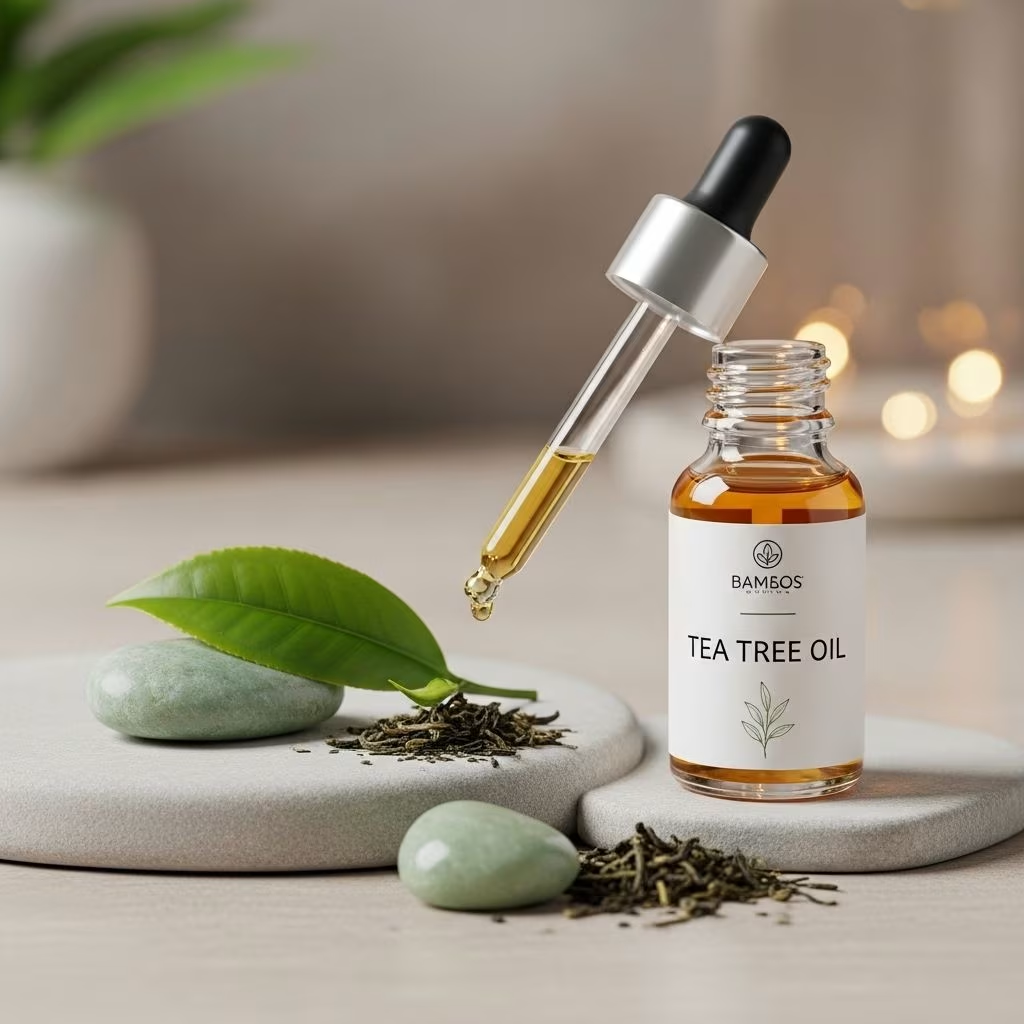
Tea tree oil, derived from the leaves of the *Melaleuca alternifolia* tree, is renowned for its antibacterial, anti-inflammatory, and antifungal properties, making it a popular natural remedy for various skin issues, including warts and acne. In this article, we’ll explore the benefits and methods of using diluted tea tree oil for these conditions.
Benefits of Tea Tree Oil
Tea tree oil’s effectiveness in treating warts and acne can be attributed to its:
– Antimicrobial Properties: These help in reducing the growth of bacteria that cause acne and other skin infections, making it beneficial for treating acne lesions.- Anti-Inflammatory Properties: It helps reduce inflammation, which is crucial in managing acne and preventing further irritation.- Antifungal and Antiviral Properties: While not as commonly used for these purposes, these properties can be beneficial in treating warts and other viral infections, though its use for warts is less documented compared to other remedies.
Using Tea Tree Oil for Acne
### Understanding the Science Behind Tea Tree Oil and Acne
Research indicates that tea tree oil can significantly improve mild to moderate acne by reducing the number of lesions and inflammation. A study comparing 5% tea tree oil to 5% benzoyl peroxide found that while benzoyl peroxide worked faster, tea tree oil caused fewer side effects. However, it’s crucial to use tea tree oil in diluted form to avoid skin irritation.
### How to Use Tea Tree Oil for AcneTo use tea tree oil for acne effectively:1. Dilution Ratio: Mix 1 to 2 drops of tea tree oil with 12 drops of carrier oil (like coconut or jojoba oil) or witch hazel to avoid skin irritation.2. Application Frequency: Apply the diluted mixture twice daily to the affected area.3. Monitoring and Adjustments: Monitor for any adverse reactions and adjust the dilution ratio if necessary.
Using Tea Tree Oil for Warts
### Can Tea Tree Oil Help with Warts?While tea tree oil’s antiviral properties might suggest its potential for treating warts, there is limited scientific evidence supporting its efficacy for this purpose. However, some users report positive results from using it as a complementary treatment. ### How to Use Tea Tree Oil for Warts (If Attempted)If you decide to try tea tree oil for warts:1. Dilution: Use a similar dilution ratio as for acne.2. Application Method: Apply the mixture directly to the wart, ideally using a cotton swab.3. Frequency: Apply 2-3 times a day.4. Caution: Be aware that there is no strong scientific evidence supporting its effectiveness for warts.
Precautions and Safety Guidelines
Using undiluted tea tree oil can cause skin irritation, including redness, itching, and blistering. Always dilute it with a carrier oil and perform a patch test before applying it to larger areas. If you experience any adverse reactions, discontinue use.
Alternative Uses of Tea Tree Oil
Beyond treating warts and acne, tea tree oil can be used for:
– Skin Infections: Due to its antimicrobial properties, it can help treat minor cuts and scrapes.- Fungal Infections: Effective against toenail fungus and other fungal infections.- Natural Deodorants and Mouthwashes: Adds antiseptic properties.- Insect Repellents: Can be used as a natural insect repellent.
Frequently Asked Questions
Q: Is Tea Tree Oil Safe to Use on All Skin Types?
A: Tea tree oil can be used on most skin types, but it’s essential to dilute it and perform a patch test first to avoid irritation.
Q: Can I Use Tea Tree Oil on Open Wounds?
A: It’s not recommended to use tea tree oil on open wounds as it may cause further irritation or delay healing.
Q: Can Tea Tree Oil Cure Acne Completely?
A: While tea tree oil can help improve acne, it is not a cure-all. It may reduce the severity but is best used as part of a comprehensive acne treatment plan.
Conclusion
Tea tree oil, when diluted and used properly, can be a valuable addition to skincare routines for managing acne. While its effectiveness for warts is less documented, it remains a popular natural remedy for various skin issues. Always prioritize caution and consult a healthcare professional if you have severe skin conditions or concerns.
References
- https://pubmed.ncbi.nlm.nih.gov/27000386/
- https://www.healthline.com/health/skin/tea-tree-oil-for-acne
- https://www.stratumclinics.com/a-guide-to-tea-tree-oil-and-using-it-for-acne-spots/
- https://pmc.ncbi.nlm.nih.gov/articles/PMC10295805/
- https://health.clevelandclinic.org/tea-tree-oil-for-acne
- https://www.health.harvard.edu/staying-healthy/could-tea-tree-oil-help-treat-acne-or-athletes-foot
- https://www.mayoclinic.org/drugs-supplements-tea-tree-oil/art-20364246
- https://www.paulaschoice.com/expert-advice/skincare-advice/acne-and-breakouts/does-tea-tree-oil-help-acne.html


