


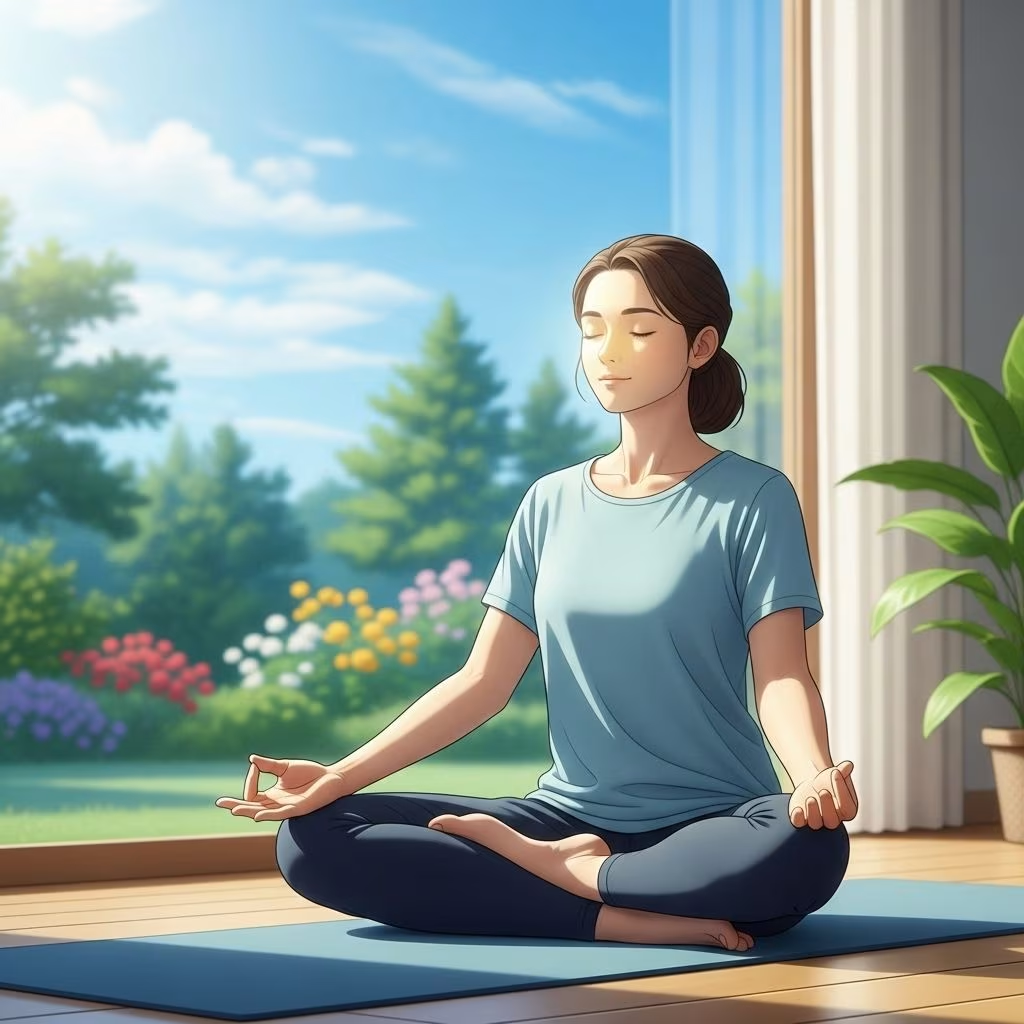
Morning vagal nerve toning is gaining attention from neuroscientists and wellness professionals for its ability to rapidly induce calm, improve resilience, and set a balanced tone for the day. The vagus nerve—an essential part of our nervous system spanning from brainstem to gut—regulates stress responses and supports digestion, heart health, and emotional well-being. This comprehensive guide presents the background, science, benefits, and a detailed morning protocol to harness the power of vagal nerve exercises for calm and clarity.
Understanding the Vagus Nerve
The vagus nerve (from the Latin for “wandering”) is the chief component of the parasympathetic nervous system—the body’s primary regulator of rest and relaxation. It runs from the medulla in the brainstem, branching throughout the face, throat, heart, lungs, and digestive tract. Because it interfaces with so many organs, the vagus nerve is essential for:
- Regulating heart rate and blood pressure
- Controlling digestion and gut movement
- Balancing the immune response
- Modulating stress, mood, and inflammation
- Facilitating social engagement and emotional communication
Vagus nerve tone refers to the efficiency and responsiveness of this nerve. Higher vagal tone indicates better adaptability to stress, faster recovery from negative emotions, and more robust physical health.
Why Morning Vagal Nerve Toning Matters
Starting your day with intentional vagal nerve stimulation sets a healthy baseline for your nervous system before encountering daily stressors. Morning practice offers unique advantages:
- Interrupts the cortisol spike and “fight or flight” drag many people experience upon waking
- Primes the nervous system for emotional balance, focus, and resilience
- Forms a consistent daily habit more easily than at other times of day
- Can be combined with other morning rituals (e.g., brushing teeth, showering, journaling)
Core Benefits of Vagal Nerve Exercises
- Reduces Anxiety and Depression: Vagal stimulation has been shown to lower symptoms of anxiety, depression, and PTSD through its influence on the limbic system.
- Lowers Inflammation: The vagus nerve activates anti-inflammatory pathways, supporting relief in conditions like arthritis and IBD.
- Improves Heart Health: Regular activation can decrease heart rate and blood pressure, and support cardiovascular resilience.
- Enhances Digestion: Stimulating the vagus nerve optimizes digestion and gut-brain axis functions for overall wellness.
- Boosts Emotional Regulation: Promotes calm, peacefulness, and positive mood throughout the day.
Scientific Support & Evidence
Multiple studies confirm the wide-ranging impact of vagal nerve toning:
- Research consistently links higher vagal tone with faster recovery from stress and improved emotional resilience.
- Interventions such as vagus nerve stimulation therapy are FDA-approved for certain drug-resistant depressions and epilepsy, and studies suggest non-invasive methods (breathwork, chanting, cold exposure) offer similar day-to-day benefits.
- Physical and emotional symptoms such as heart palpitations, digestive upsets, and poor stress control are improved with consistent vagal nerve exercises.
Daily practice increases “vagal tone”—an adaptability metric for your nervous system, comparable to muscle tone in your abdominals.
Morning Vagal Nerve Toning: Step-by-Step Exercises
The following morning routine integrates evidence-backed techniques to awaken your vagus nerve and foster calm. Customize as desired; even just a few exercises performed consistently can make a substantial difference.
1. Deep, Slow Diaphragmatic Breathing
- Sit upright in a comfortable position; shoulders relaxed.
- Inhale deeply through the nose, expanding your belly—not the chest.
- Count to five as you inhale, then exhale slowly through pursed lips for a count of seven to eight.
- Repeat for three to five minutes.
Effect: Stimulates the vagus nerve via the diaphragm, induces a relaxation response, and immediately lowers heart rate.
2. Alternate Nostril Breathing (Nadi Shodhana)
- With your right thumb, close off your right nostril and inhale slowly through your left.
- Close your left nostril with your ring finger, open the right nostril, and exhale through it.
- Inhale through the right, close it, and exhale through the left. Continue for several cycles.
Effect: Balances both hemispheres of the brain, increases vagal tone, reduces morning anxiety.
3. Cold Water Face Immersion or Splash
- Fill a sink with cold (not icy) water or use a cold washcloth.
- Submerge your face for 10–20 seconds, or press the cold cloth to your cheeks and neck for 30 seconds.
- Breathe naturally and notice the shift in alertness and mood.
Effect: Triggers the dive reflex, enhancing vagal activity and producing instant calm and mental clarity.
4. Gargling
- Take a mouthful of water and gargle vigorously in the back of your throat for 30–60 seconds.
- Repeat once or twice. Do this while brushing teeth or washing your face.
Effect: Vibrations activate branches of the vagus nerve in the throat, improving vagal tone and voice quality.
5. Humming, Chanting, or “Om” Practice
- Choose a resonant sound: “Om,” “hum,” or a soothing tone of your choice.
- Sit with eyes closed and chant or hum aloud for one to three minutes.
- Focus on the vibrations around the lips, cheeks, and chest.
Effect: Vocal cord vibration stimulates the auricular branch of the vagus nerve, calming the limbic system and reducing morning tension.
6. Gentle Neck and Jaw Release (Self-Massage)
- Gently massage the base of your skull, sides of the neck, and jaw muscles in circular motions for two minutes.
- Pay special attention to areas just below the ears (the vagal nerve emerges here).
Effect: Physical stimulation enhances vagus nerve activity, releases physical stress held overnight.
7. Laughter and Smiling Exercise
- Watch or recall something genuinely funny, or practice extended smiling for a full minute.
- If possible, laugh out loud—even forced laughter can trigger beneficial feedback loops.
Effect: Both laughter and genuine smiling increase vagal tone and foster a positive mood at the start of the day.
8. Mindful Movement or Simple Yoga
- Try a simple yoga flow or a few rounds of Cat-Cow and gentle twists.
- Hold gentle stretches, focusing on breath and the sensations in your abdomen and chest.
Effect: Engages the parasympathetic nervous system and activates vagal pathways through breath, movement, and body awareness.
Example: Rapid Morning Routine (10 Minutes)
- 2 minutes: Diaphragmatic Breathing
- 1 minute: Alternate Nostril Breathing
- 1 minute: Cold face splash
- 1 minute: Gargling or humming
- 2 minutes: Neck and jaw massage
- 1 minute: Smiling/laughter
- 2 minutes: Gentle yoga or stretching
Tips for Building a Sustainable Morning Routine
- Bundle exercises with existing habits (e.g., hum in the shower, gargle while brushing teeth).
- Begin with one or two exercises and gradually increase as your routine grows.
- Use reminders or prompts: leave sticky notes or set phone alarms.
- Track your progress in a journal to notice benefits over time and reinforce habit formation.
- Remember, consistency trumps intensity: 5–10 minutes daily yields better results than sporadic, longer sessions.
Frequently Asked Questions
Q: Can anyone practice morning vagal nerve exercises?
A: Most vagal nerve toning techniques are considered safe and gentle for all ages. If you have known medical conditions, especially affecting the heart, throat, or face, consult your healthcare provider before starting.
Q: How quickly will I notice results?
A: Many people report an immediate sense of calm following exercises such as breathwork or cold water immersion. Long-term changes—such as greater resilience to stress or improved mood—are generally observed after 2–4 weeks of daily practice.
Q: Can vagal nerve exercises replace medication or therapy for anxiety?
A: These practices powerfully complement standard treatments, but should not replace medical care for anxiety, depression, or other health concerns. Always discuss changes in your healthcare routine with your provider.
Q: Is it necessary to do all the exercises every day?
A: No. Personalize the protocol based on what feels effective and enjoyable for you. Even a single, well-chosen exercise can be transformative if practiced consistently.
Q: Can I practice these routines at different times of the day?
A: Absolutely. While mornings offer unique benefits, vagal nerve toning can be done at any time, especially during stressful moments or before sleep.
Conclusion: Embracing Morning Calm
Morning vagal nerve toning is one of the most accessible, evidence-backed strategies for transforming stress, improving resilience, and supporting full-body wellness. By incorporating simple, practical exercises into your morning routine, you can harness your body’s natural capacity for calm—setting the tone for a balanced and fulfilling day.
References
- https://neuvanalife.com/blogs/blog/daily-vagus-nerve-exercises
- https://www.parsleyhealth.com/blog/how-to-stimulate-vagus-nerve-exercises
- https://kineon.io/blogs/news/daily-vagus-nerve-exercise
- https://www.charliehealth.com/post/vagus-nerve-exercises
- https://www.cedars-sinai.org/blog/stimulating-the-vagus-nerve.html
- https://www.youtube.com/watch?v=WmhCqjc6-Mo
- https://drarielleschwartz.com/vagus-nerve-yoga-dr-arielle-schwartz/
- https://www.allied-services.org/news/2020/june/the-vagus-nerve-your-secret-weapon-in-fighting-s/
- https://www.youtube.com/watch?v=0bBOgmc45Cs


