


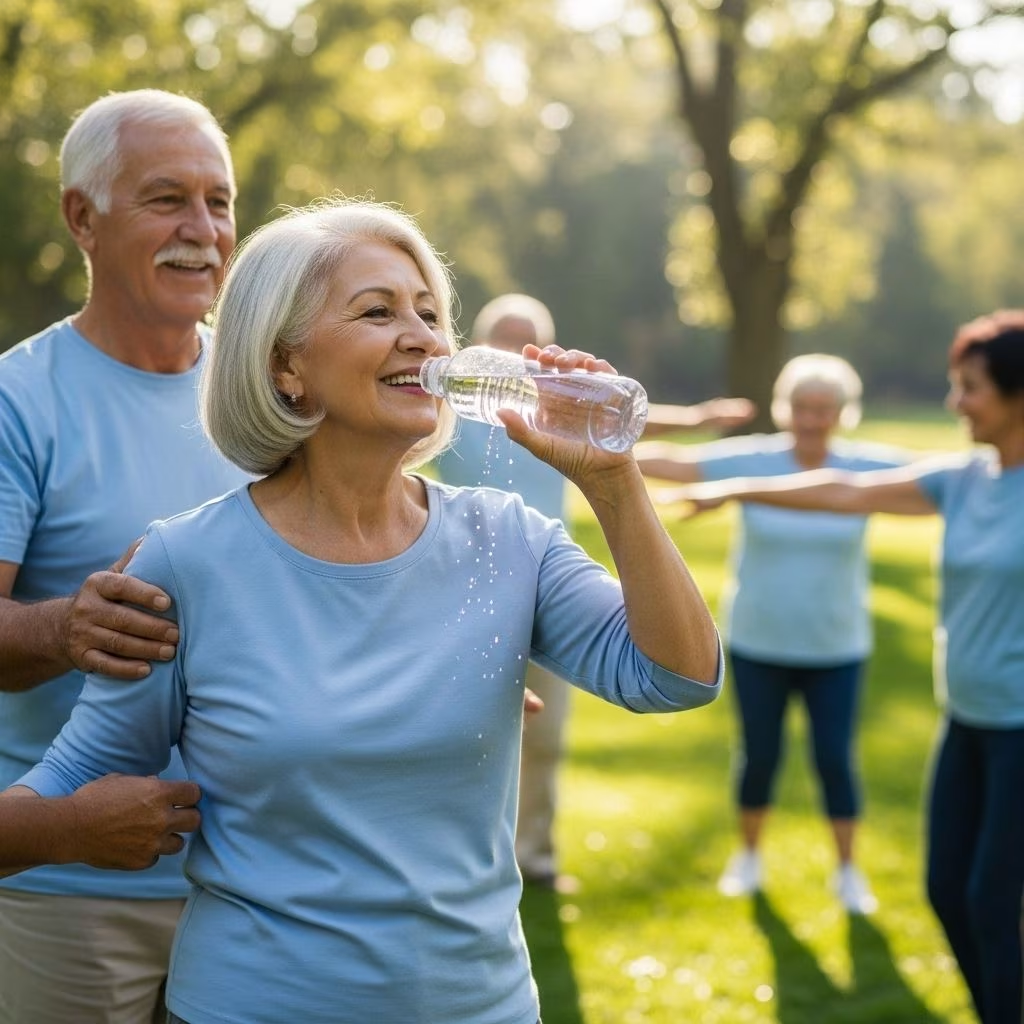
As people age, their bodies undergo physiological changes that not only increase their risk for chronic illness but also make them more susceptible to falls and functional decline. One simple, yet profoundly impactful factor in maintaining health and independence is adequate hydration. In older adults, dehydration can quietly undermine mobility, cognition, and well-being—significantly raising the risk for falls and accelerating health decline. This comprehensive guide explores the science, risks, and actionable strategies for optimizing hydration in seniors, equipping individuals and caregivers alike to prevent unnecessary injuries and promote healthy aging.
Why Hydration Matters More as We Age
Water is crucial for every bodily function, from temperature regulation and digestion to brain function and balance. However, natural aging brings several changes that make dehydration both more likely and more harmful:
- Reduced thirst sensation: Older adults may not feel thirsty, even when their body needs fluid, due to changes in the hypothalamus and body signaling.
- Decreased total body water: Age-related loss of muscle mass reduces the reservoir of water in the body, making fluid balance more fragile.
- Declining kidney function: Kidneys are less efficient at concentrating urine, so more fluid is lost, and hydration needs are higher.
- Medication side effects: Common drugs (such as diuretics, laxatives, and certain medications for blood pressure or cardiac conditions) can increase fluid loss.
- Chronic illnesses: Diabetes, heart disease, and cognitive impairment can disrupt fluid balance and the ability to self-hydrate.
Because of these factors, seniors are especially vulnerable to dehydration, often with subtle symptoms that, if overlooked, may escalate into serious health challenges, including debilitating falls.
The Link Between Hydration and Fall Prevention
Falls are a leading cause of injury, hospitalization, and loss of independence among older adults. In the United States alone, over one in four people aged 65 or older experiences a fall each year, resulting in more than 32,000 deaths annually. Dehydration contributes to falls through multiple physiological and cognitive mechanisms:
- Dehydration affects balance and coordination: Lack of fluid decreases blood volume, leading to lower blood pressure and less efficient circulation to the brain, which can cause lightheadedness or dizziness upon standing—a key risk for falls.
- Impact on muscle strength: Dehydration leads to electrolyte imbalances and muscle cramps, reducing strength and stability.
- Compromised mental clarity: Dehydrated individuals may experience confusion or delayed reaction time, making environmental hazards harder to navigate.
Minimizing dehydration is thus a critical, modifiable factor in any fall prevention strategy, alongside exercise, environmental safety, and medication management.
Hydration’s Impact on Cognition and Mood
Even mild dehydration (as little as 2% loss of body fluid) can impair key mental functions, including memory, concentration, mood, and reaction time. Seniors are especially sensitive to these changes:
- Mental confusion and delirium: Dehydration is a recognized cause of acute confusion and delirium, often confused with dementia in emergency settings.
- Decreased alertness: Poor hydration can leave older adults feeling fatigued, apathetic, or unsteady, raising the risk for both accidents and overall functional decline.
- Emotional instability: Studies indicate that boosting fluid intake can help stabilize mood and reduce anxiety.
Proper hydration supports the senior’s ability to safely interact with their environment, follow routines, and maintain independence.
Key Risk Factors and Causes of Dehydration in Seniors
A range of factors, both internal and external, increase the risk of dehydration with age:
- Impaired mobility: Difficulty getting to the kitchen or bathroom leads some seniors to reduce fluid intake.
- Fear of incontinence: Some avoid drinking to minimize bathroom trips, especially at night or outside the home.
- Cognitive impairment: Seniors with dementia or memory problems may forget to drink or be unable to communicate thirst.
- Acute illness or infection: Vomiting, diarrhea, fever, or excessive sweating all rapidly deplete fluid reserves.
- Medications: Diuretics, antihistamines, antipsychotics, and laxatives often worsen fluid loss.
- Sensory changes: Reduced sense of taste and smell can diminish the appeal of fluids.
Understanding these risks enables caregivers and clinicians to target prevention efforts more effectively.
Recognizing Signs and Symptoms of Dehydration
Dehydration in seniors can develop subtly, often without pronounced thirst. Early identification is essential:
- Fatigue and generalized weakness
- Dizziness or loss of coordination
- Confusion or new-onset mental status changes
- Dry mouth, parched lips, or persistent cough
- Muscle cramps
- Dark-colored urine or decreased urine output
- Headache or heat intolerance
- Chills or flushed skin
Severe dehydration may present with rapid heartbeat, very low blood pressure, sunken eyes, or even unconsciousness—necessitating immediate medical attention.
Hydration Guidelines and Recommendations for Older Adults
How much water is enough? Recommendations vary, but most experts advise:
- Six to eight 8-ounce glasses of water per day as a baseline, but individual needs may differ based on climate, activity, health conditions, and medications.
- Monitor urine color—light yellow usually indicates adequate hydration, while dark urine points to a need for more fluids.
- Incorporate fluids throughout the day, not just during meals.
Consult with healthcare providers to customize hydration needs, especially for seniors with heart or kidney disease.
Practical Strategies for Improving Hydration
- Boost water flavor and variety. Infuse water with fruit slices, mint, or low-calorie flavorings to improve taste and increase appeal.
- Use reminders and accessibility tools: Keep a water bottle or cup within reach at all times and set phone alarms or visual cues to prompt regular sipping.
- Avoid or limit caffeine and alcohol: Both have diuretic effects and can promote fluid loss.
- Eat water-rich foods: Snack on water-packed fruits and vegetables like cucumbers, melon, oranges, and tomatoes.
- Address barriers: Use adaptive cups for those with arthritis and ensure routine bathroom access.
- Encourage small, frequent sips: For those with limited appetite for fluids, smaller doses more often can help meet daily needs.
Sample Table: Water Content in Common Foods
| Food | Percent Water |
|---|---|
| Watermelon | 91% |
| Cucumber | 95% |
| Strawberries | 91% |
| Tomatoes | 94% |
| Celery | 95% |
| Oranges | 87% |
Nutrition, Water-Rich Foods, and Hydration
Beyond beverages, proper nutrition plays a supporting role in keeping seniors hydrated and fall-resistant:
- Water-rich foods such as fruits and vegetables not only supply fluid but provide essential vitamins, minerals, and fiber that support tissue health, muscle strength, and immune function.
- Balanced meals with adequate protein, calcium, and vitamin D help preserve muscle and bone density, further minimizing fall risk.
- Monitor sodium intake; excessive salt can increase urinary fluid loss.
Creative culinary approaches—soups, smoothies, and salads—can boost both nutrition and hydration status, especially in those with poor appetite.
How Caregivers Can Support Healthy Hydration
Caregivers play a pivotal role in detecting and preventing dehydration-linked falls. Key steps include:
- Encouraging frequent, gentle reminders to drink fluids
- Offering beverages at every meal and snack
- Monitoring urine color and signs of fluid imbalance
- Addressing physical barriers—providing spill-proof mugs or assisting with bathroom trips
- Consulting with healthcare professionals if medications or illnesses may complicate hydration management
- Educating about the importance of hydration and its link to falls, confusion, and infection risk
With regular monitoring and positive encouragement, the risk of falls linked to dehydration can be substantially reduced.
Common Myths & Frequently Asked Questions (FAQs)
Q: Is it true seniors don’t need as much water as younger adults?
No. While metabolism slows and thirst cues decrease, the need for hydration is similar or greater due to changes in body composition and kidney function. Fluid requirements may even rise due to certain medications or illnesses.
Q: Can coffee or tea help with hydration?
In small amounts, they count toward fluid intake, but their diuretic effect means water should still be the primary drink. Limit caffeine and avoid energy drinks or excessive sodas.
Q: How can hydration prevent falls specifically?
Proper hydration supports healthy blood pressure and brain perfusion, reducing dizziness, preserving balance, and maintaining muscle function—all crucial for fall prevention.
Q: What is an easy way to know if I am hydrated?
Frequent urination with light yellow urine is a good sign of normal hydration. Watch for dark urine, infrequent trips to the bathroom, or sudden confusion as warning signs.
Q: If I have heart or kidney disease, should I be drinking so much water?
Fluid needs may vary with medical conditions. Always consult your healthcare provider for personalized hydration recommendations if you have congestive heart failure, advanced kidney disease, or are on fluid restrictions.
Resources and Further Reading
- National Council on Aging: Resources on hydration and wellness for seniors
- Sequoia Living: Fall prevention tips and activity recommendations
- UCLA Health and Fox Rehabilitation: Scientific overviews on hydration and aging
- Discuss concerns and strategies regularly with a registered dietitian or primary care physician
Final Thoughts
Hydration is a cornerstone of senior health and fall prevention. Through simple practical choices—regular fluid intake, mindful nutrition, and collaborative caregiving—it is possible to significantly lower the risk of falls, maintain cognitive clarity, and promote independence throughout the golden years. Proactively paying attention to hydration can mean the difference between thriving and declining as we age. Make hydration a daily priority for yourself or the senior loved ones in your life.
References
- https://www.aveanna.com/blog/article/4-ways-to-stay-hydrated-and-lower-the-risk-of-falls/
- https://sequoialiving.org/fall-prevention/
- https://www.ncoa.org/article/10-reasons-why-hydration-is-important/
- https://foxrehab.org/older-adult-patient-better-hydration-habits/
- https://www.uclahealth.org/news/article/hydration-and-older-adults-why-water-matters-more-you-age
- https://pmc.ncbi.nlm.nih.gov/articles/PMC9523684/
- https://www.ncoa.org/article/how-to-stay-hydrated-for-better-health/
- https://pmc.ncbi.nlm.nih.gov/articles/PMC10255140/


