


Introduction: The New Frontier of Hydration
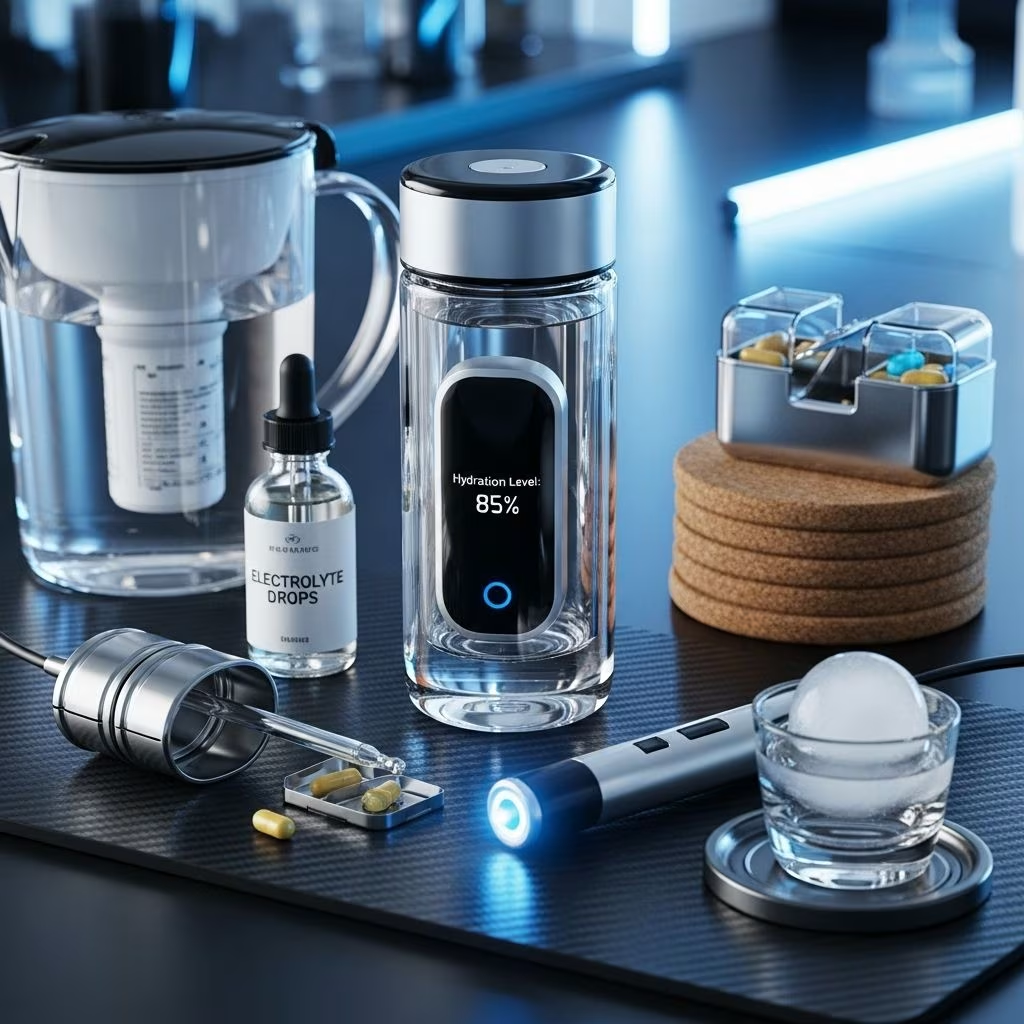
Hydration is foundational to human health, but in the age of biohacking, it’s no longer about simply drinking water. Modern science and technology have transformed hydration into a precise, data-driven practice aimed at optimizing everything from athletic performance and recovery to cognitive function and longevity. Biohacking hydration leverages advanced tools, personalized protocols, and a deep understanding of electrolyte balance to ensure that every drop of water you drink is maximally effective.
This article explores the cutting-edge intersection of hydration science and biohacking, providing actionable insights for anyone looking to elevate their health, energy, and performance.
The Science of Biohacking Hydration
Traditional hydration advice focuses on drinking a set amount of water each day, but biohackers know that true hydration is about cellular water uptake—getting fluids into your cells where they’re needed most. This process depends on a delicate balance of electrolytes, which are minerals like sodium, potassium, magnesium, and calcium that regulate fluid movement across cell membranes.
Without the right electrolyte balance, water can pass through your body without actually hydrating your cells, a phenomenon known as “mineral thirst”. This is especially common among those who eat clean, low-sodium diets, practice intermittent fasting, or engage in regular high-intensity exercise.
Biohacking hydration means using science and technology to monitor, adjust, and optimize this balance in real time, ensuring that your body is always perfectly hydrated at the cellular level.
The Problem with Water Alone
Drinking plain water without adequate electrolytes can lead to:
- Dilution of blood sodium levels (hyponatremia), especially during prolonged exercise
- Poor cellular hydration despite high water intake
- Increased urination without actual hydration benefits
- Reduced athletic performance and recovery
The Biohacker’s Approach
Biohackers address these issues by:
- Tracking hydration status with wearable devices and smart bottles
- Personalizing electrolyte intake based on sweat rate, diet, and activity level
- Using data to adjust fluid and mineral intake in real time
Electrolytes: The Key to Cellular Hydration
Electrolytes are essential for maintaining fluid balance, nerve function, muscle contraction, and pH balance. The primary electrolytes involved in hydration are:
| Electrolyte | Function | Sources |
|---|---|---|
| Sodium | Regulates fluid balance, nerve impulses | Salt, broths, sports drinks |
| Potassium | Muscle and nerve function, heart health | Bananas, leafy greens, potatoes |
| Magnesium | Muscle relaxation, energy production | Nuts, seeds, dark chocolate |
| Calcium | Bone health, muscle contraction | Dairy, fortified plant milks, leafy greens |
| Chloride | Fluid balance, digestion | Table salt, seaweed |
Biohackers often use precision-engineered electrolyte blends, such as those from companies like Harlo, designed to mimic the body’s natural electrolyte ratios for optimal absorption and retention. These blends help prevent dehydration, muscle cramps, and fatigue, supporting faster recovery and sustained energy levels.
Real-World Benefits
- Enhanced Recovery: Rapid restoration of electrolyte levels post-exercise.
- Improved Hydration: Better water absorption at the cellular level.
- Performance Support: Sustained energy and reduced risk of muscle cramps during workouts.
Advanced Tools for Hydration Tracking
Biohacking hydration is made possible by a new generation of wearable devices, smart water bottles, and mobile apps that provide real-time insights into your hydration status. These tools help you move beyond guesswork and tailor your hydration strategy to your unique physiology and lifestyle.
Wearable Hydration Monitors
Devices like smartwatches and specialized hydration wearables track:
- Sweat rate and composition
- Fluid intake and losses
- Electrolyte balance
- Urine color and frequency
By analyzing this data, these devices can alert you when you need to drink more (or less) and suggest the optimal electrolyte mix for your current activity level.
Smart Water Bottles
Smart bottles equipped with sensors remind you to drink at optimal intervals, track your daily intake, and even sync with your fitness tracker to adjust recommendations based on your activity and environment.
Mobile Apps
Hydration apps integrate data from wearables, bottles, and manual entries to provide a comprehensive view of your hydration status, trends, and personalized recommendations.
Biohacking Hydration Strategies and Protocols
Effective biohacking hydration goes beyond gadgets—it requires intentional, science-backed strategies tailored to your body and goals.
Personalized Hydration Plans
Start by assessing your individual needs based on:
- Body weight and composition
- Activity level and type
- Climate and environment
- Diet and fasting practices
Use this information to create a baseline hydration plan, then refine it with data from your tracking tools.
Pre- and Post-Workout Hydration
Pre-hydrating with electrolytes and water can boost blood volume, improve heat dissipation, and delay fatigue during exercise. Post-workout, focus on replenishing fluids and electrolytes to speed recovery and reduce muscle soreness.
Electrolyte Supplementation
For those on low-sodium diets, fasting, or engaging in prolonged exercise, adding an electrolyte supplement can prevent imbalances and improve cellular hydration. Look for products with a balanced ratio of sodium, potassium, magnesium, and calcium.
Micro-Dosing Hydration
Instead of chugging large amounts of water at once, sip smaller quantities throughout the day with added electrolytes to maintain optimal balance and avoid overhydration.
Hydration and Lifestyle Biohacks
Biohacking hydration isn’t limited to athletes—it’s relevant for anyone seeking to optimize health, energy, and cognitive function.
Intermittent Fasting and Hydration
During fasting, electrolyte needs can increase even if calorie intake is zero. Adding a pinch of salt and other electrolytes to your water can help maintain energy and focus.
Sauna and Cold Exposure
Both sauna use and cold exposure increase fluid and electrolyte losses. Replenishing both is crucial for recovery and maintaining hydration status. Alternating hot and cold therapies can also enhance vascular health and metabolic resilience.
Sleep and Hydration
Quality sleep supports hormonal balance, including hormones that regulate fluid and electrolyte balance. Poor sleep can disrupt hydration, so prioritize both for optimal results.
Mindful Hydration
Pay attention to thirst cues, urine color, and energy levels as natural indicators of hydration status. Use technology to augment, not replace, these innate signals.
IV Hydration Therapy: The Ultimate Biohack?
For rapid, maximal hydration and nutrient delivery, some biohackers turn to intravenous (IV) therapy. IV hydration bypasses the digestive system, delivering fluids, electrolytes, vitamins, and amino acids directly into the bloodstream for immediate effect.
Types of IV Hydration Therapy
- Electrolyte Infusions: For rapid rehydration after intense exercise, travel, or illness.
- Vitamin and Antioxidant Drips: To combat oxidative stress and boost immunity.
- NAD+ Therapy: For energy production, brain function, and anti-aging.
- Custom Blends: Tailored to individual health goals, such as performance, recovery, or detoxification.
Benefits of IV Hydration
- Faster and more complete hydration and nutrient absorption.
- Enhanced athletic performance and recovery.
- Support for detoxification and cellular repair.
- Boosted cognitive function and mental clarity.
Considerations and Cautions
IV therapy should be administered by trained professionals in a clinical setting. While effective for certain situations, it’s not necessary for everyday hydration and should be used judiciously.
Frequently Asked Questions (FAQs)
Q: How much water should I drink each day?
A: There’s no one-size-fits-all answer. Your needs depend on your body, activity level, climate, and diet. Use thirst, urine color, and tracking tools to personalize your intake.
Q: Can I drink too much water?
A: Yes, overhydration (hyponatremia) can be dangerous, especially without adequate electrolytes. Balance water intake with electrolyte consumption, especially during prolonged exercise.
Q: Do I need electrolyte supplements if I eat a healthy diet?
A: If you sweat heavily, fast, or eat a very low-sodium diet, you may benefit from added electrolytes. Otherwise, a balanced diet usually provides enough.
Q: Are smart water bottles and wearables worth it?
A: For those serious about optimizing hydration, these tools provide valuable data and reminders. They’re especially useful for athletes and biohackers seeking peak performance.
Q: Is IV hydration therapy safe for everyone?
A: IV therapy should be performed by qualified professionals. It’s generally safe when done correctly but isn’t necessary for most people’s daily hydration needs.
Q: How do I know if I’m properly hydrated?
A: Look for clear to pale yellow urine, steady energy levels, and absence of excessive thirst. Wearable devices can provide additional, objective metrics.
Conclusion
Biohacking hydration represents the convergence of ancient wisdom and modern technology—using science, data, and personalized strategies to ensure that every cell in your body is optimally hydrated. By understanding the role of electrolytes, leveraging advanced tracking tools, and adopting targeted protocols, you can unlock new levels of energy, performance, and well-being. Whether you’re an athlete, a busy professional, or a health enthusiast, these advanced tools and tips can help you stay ahead in the hydration game.
References
- https://drinkharlo.com/blogs/news/biohacking-hydration-how-harlos-electrolyte-masterplan-gives-you-an-unfair-advantage
- https://hololifecenter.com/blogs/biohacking-guides/the-smart-biohackers-guide-to-optimal-hydration-electrolytes
- https://ivelements.net/blog/what-is-biohacking
- https://www.betterwayhealth.com/blogs/beta-glucan/examples-of-biohacking
- https://vitality-pro.com/biohacking/water/ultimate-guide-wat/
- https://www.medicalnewstoday.com/articles/biohacking
- https://mynucleus.com/blog/biohacking
- https://www.harleyhealthcentre.com/blog/general-health/biohacking
- https://www.qualialife.com/expert-biohacking-tips-to-increase-your-athletic-performance-and-recovery


