


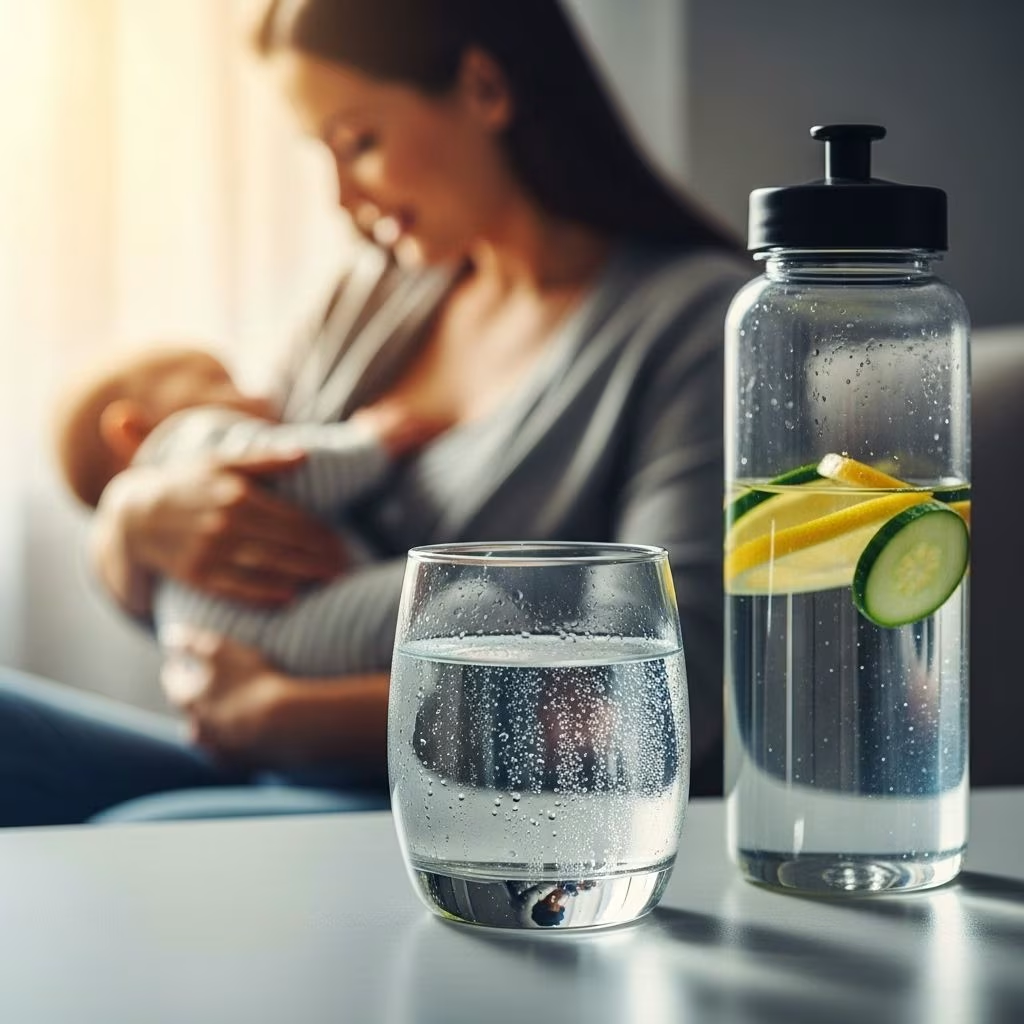
Hydration for Breastfeeding Mothers: Comprehensive Guide to Optimal Fluid Intake
Proper hydration is a cornerstone of health for breastfeeding mothers, directly impacting both maternal well-being and the nourishment of the infant. As breast milk is composed of approximately 88% water and lactating parents lose significant fluid daily, understanding and meeting hydration needs is crucial for sustaining milk production and supporting recovery and energy during this demanding period.
The Importance of Hydration During Breastfeeding
Hydration plays a vital role in overall health, but it is particularly crucial during breastfeeding. Breast milk is typically 88% water, and a mother’s fluid needs increase to compensate for both milk production and natural body functions.
- Breastfeeding mothers lose 25 ounces (about 750 mL) of water daily through milk production.
- Dehydration can affect milk supply, energy levels, and recovery.
- Water is essential for maintaining maternal and infant health, supporting metabolic functions, and preventing complications.
Inadequate hydration can lead to fatigue, headaches, muscle cramps, poor mood, constipation, dry mouth, and a reduction in breast milk volume.
Recommended Fluid Intake for Breastfeeding Mothers
Fluid recommendations vary slightly by authority and region, but most converge on the need for increased water intake when breastfeeding. According to clinical experts:
- WebMD: 16 cups (125 ounces or about 3.7 liters) per day during breastfeeding.
- European Food Safety Authority (EFSA): 2,700 mL (approx. 91 ounces) per day, with a rise of 700 mL above non-breastfeeding intake.
- General consensus (USA): 13–16 cups (3.1–3.7 liters) per day.
- Rule of thumb (Tahoe Forest Physicians): Drink enough that you rarely feel thirsty and your urine is pale yellow.
- During hot climates or prolonged exercise, fluid needs can rise further.
Here is a detailed comparison table of suggested fluid intake by major recommendations:
| Source | Recommended Daily Fluid Intake |
|---|---|
| WebMD | 16 cups (125 ounces / 3.7 liters) |
| EFSA (Europe) | 2,700 mL (91 ounces / 2.7 liters) |
| General US Guidelines | 13-16 cups (3.1-3.7 liters) |
| Tahoe Forest Physicians | Half your body weight in ounces (e.g., 150 lbs = 75 oz) |
Key Sources of Fluids: More Than Just Water
While water is the most important source, other beverages and certain foods provide hydration and nutrients. Nearly all liquids count towards daily intake.
- Plain water (still, mineral, sparkling)
- Milk & dairy/non-dairy beverages (milk, yogurt drinks, kefir, soy/rice/almond milk)
- Juices (fruit/vegetable, preferably unsweetened)
- Herbal & decaf teas
- Soups & broths
- Coconut water
- Hydrating foods such as watermelon, cucumber, celery, oranges, and strawberries
- Non-caffeinated soft drinks (in moderation)
Most dietary guidelines suggest limiting caffeine and alcohol, as caffeine is a diuretic and alcohol can inhibit letdown and alter breast milk composition.
- Limit caffeine intake to less than 200 mg per day (about 1–2 cups of coffee)
- Avoid alcohol while breastfeeding or drink only occasionally and in small amounts.
How to Recognize and Prevent Dehydration
Dehydration can develop quickly due to increased fluid losses from breastfeeding. Recognizing early warning signs helps prevent complications and maintain milk supply.
- Common symptoms of dehydration:
- Thirst
- Fatigue
- Headaches
- Dry lips or skin
- Constipation
- Muscle cramps
- Dark, concentrated urine
- Trouble producing milk or lower milk volume
Quick hydration checks:
- Do you rarely feel thirsty?
- Is your urine pale yellow throughout the day?
If you answer yes to both, your hydration is likely adequate. Persistently dark urine or ongoing thirst signal that more fluids are needed.
Practical Strategies for Staying Hydrated
Maintaining hydration as a new mother can be challenging, given fatigue, busy schedules, and constant care demands. However, integrating effective strategies into daily routines supports both health and ease.
- Drink a glass of water first thing in the morning.
- Keep a water bottle at places you frequently sit or nurse (by your bed, near the breastfeeding station).
- Consume water or other hydrating fluids every time you breastfeed.
- Incorporate “spa water”: infuse water with fruit, cucumber, or herbs for flavor.
- Try water bottles with flip-top straws for easy, one-handed drinking.
- Eat high-water foods throughout the day (see next section).
- Prepare hydrating smoothies with fruit, greens, and yogurt or milk.
- Allow family or friends to bring fluids regularly, supporting healthy habits.
- Set reminders on your phone or notes around the house to prompt hydration.
Dietary Tips for Enhancing Hydration
Hydration is closely linked to nutrition, and balancing fluids with a nutrient-rich diet maximizes energy, healing, and breast milk quality.
- Increase your fluid intake to satisfy thirst—do not wait until very thirsty to drink.
- Drink a glass (8 ounces) of water, juice, or milk at every meal and every time you breastfeed.
- Include at least three servings of milk products daily, or choose non-dairy calcium sources like broccoli, spinach, almonds, fortified drinks, and oranges if you avoid dairy.
- Eat fresh fruits and a variety of vegetables—these offer both nutrients and hydration.
- Limit foods and drinks with excessive added sugars.
- Increase daily calorie intake by about 500 calories to support milk production and maternal health.
- Balance meals with proteins (meat, fish, eggs, legumes), whole grains, and healthy fats.
Note: Relaxation and warmth can trigger the letdown reflex and help with milk flow. Sometimes having a warm beverage is both comforting and physiologically supportive during feeds.
Health Impacts of Hydration on Mother and Baby
For mothers: Proper hydration supports healing, hormones, energy, and mood. It helps prevent headache, muscle cramps, and fatigue. Inadequate hydration can provoke nausea, decrease milk production, and lead to overall health deterioration.
For babies: Good maternal hydration ensures an adequate supply of breast milk, which is itself 88% water and crucial for the infant’s health, growth, and hydration needs. Dehydration in infants can be life-threatening and result quickly if maternal fluid intake is insufficient.
- Breast milk production may drop if the mother is dehydrated.
- Infant dehydration signs include less wet diapers, sunken fontanelle, lethargy, dry mouth.
Consistent, sufficient fluid intake maintains milk output and supports both mother’s and baby’s well-being.
Special Considerations: Climate, Activity, and Lifestyle
Fluid needs are not static: Environmental factors, physical activity, medical conditions, and dietary choices all influence daily hydration requirements.
- Warm climate or summer: Increase fluid intake in hot weather or high humidity.
- Physical activity: Active mothers may require additional fluid before, during, and after exercise.
- Medical conditions: Gastrointestinal issues or infections may increase water loss—consult with your provider for individualized guidance.
- Breastfeeding method: Exclusive breastfeeding places the highest fluid demand; combi-/mixed or partial feeding may require marginally less.
- Lifestyle: Busy schedules and sleep deprivation require intentional hydration strategies.
Frequently Asked Questions (FAQs)
Q: How can I tell if I’m drinking enough water while breastfeeding?
A: Aim for pale yellow urine and infrequent thirst as markers of good hydration. If you’re thirsty or have dark urine, increase fluid intake.
Q: Is it safe to drink coffee or tea while breastfeeding?
A: Yes, but limit caffeine to below 200 mg daily (1–2 cups of coffee) and choose decaffeinated or herbal options for additional fluids. Excess caffeine may reduce milk production and affect your baby.
Q: Which foods can help me stay hydrated?
A: Water-rich foods include watermelon, cucumber, celery, oranges, strawberries, soups, and smoothies. These complement your fluid intake and provide vitamins.
Q: Can dehydration decrease my milk supply?
A: Yes. Dehydration can lower milk volume and lead to fatigue, headaches, and other health problems. Stay ahead by drinking fluids regularly.
Q: Does drinking extra water increase breast milk?
A: Drinking enough water helps maintain normal milk production, but drinking excessively above your needs does not further increase supply. Listen to your body.
Q: Should I limit certain drinks while breastfeeding?
A: Avoid excessive caffeine and sugary drinks. Alcohol should be minimized or discussed with your healthcare provider.
Quick Tips for Hydration Success
- Drink at every feeding session and with each meal.
- Enjoy water-rich fruits and vegetables daily.
- Limit caffeine and sugar; choose water, milk, or herbal teas.
- Keep fluids accessible and make hydration part of your routine.
- Ask family or visitors to help by bringing you water or drinks.
Summary: Hydration Is Essential for Breastfeeding Mothers
Meeting your fluid needs is vital for your own health and for ensuring your baby receives all the benefits of breast milk. Following recommended intakes, choosing a variety of fluid sources, and employing practical routines will help you thrive physically and emotionally during your breastfeeding journey. Consult with your healthcare provider if you have specific questions, unique circumstances, or concerns about hydration needs.
References
- https://www.webmd.com/baby/what-to-know-staying-hydrated-while-pregnant-breastfeeding
- https://pmc.ncbi.nlm.nih.gov/articles/PMC11243499/
- https://www.tfhd.com/news/hydration-while-breastfeeding-provided-by-tahoe-forest-registered-dietitians/
- https://www.uhhospitals.org/services/obgyn-womens-health/patient-resources/pregnancy-resources/breastfeeding-guide/breastfeeding-diet-and-fluid-intake
- https://lacted.org/questions/fluid-intake-and-the-sport-of-breastfeeding/
- https://motifmedical.com/blog/how-to-stay-hydrated-while-breastfeeding
- https://www.cdc.gov/breastfeeding-special-circumstances/hcp/diet-micronutrients/maternal-diet.html
- https://thisisneeded.com/blogs/postpartum/staying-hydrated-while-breastfeeding-isnt-always-easy-here-are-some-of-our-favorite-needed-team-recipes


