


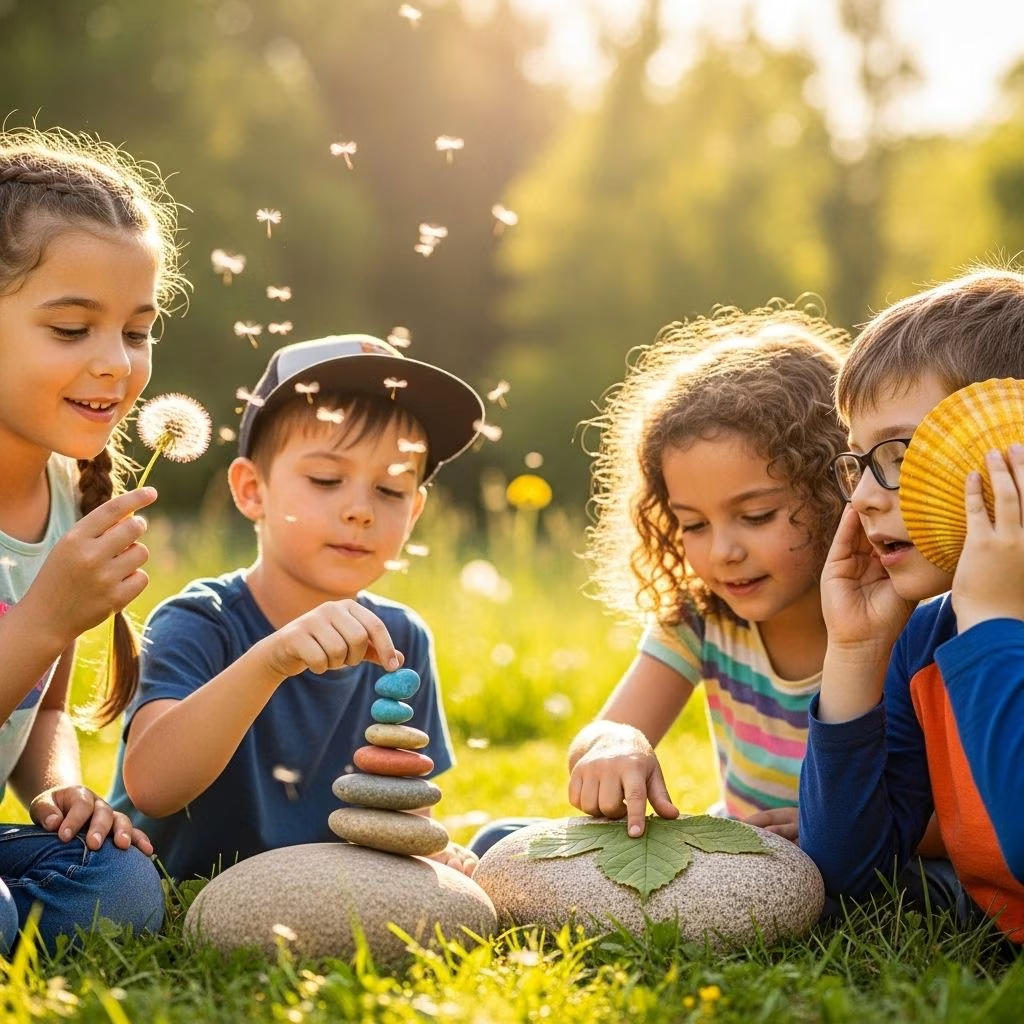
Introduction to Playful Mindfulness for Children with ADHD
Mindfulness is a powerful tool for children with Attention Deficit Hyperactivity Disorder (ADHD), helping them navigate their energetic and active minds. By incorporating playful elements into mindfulness practices, children can more effectively manage their focus, emotions, and energy. This article explores the benefits and methods of playful mindfulness for children with ADHD.
Benefits of Mindfulness for Children with ADHD
Mindfulness offers several benefits for children with ADHD, including improving focus, reducing impulsivity, and enhancing emotional regulation. It teaches children to be present in the moment, reducing feelings of overwhelm and increasing self-awareness.
Playful Mindfulness Activities for Children with ADHD
Out-loud Sense Noting
This activity encourages active listening and awareness of surroundings. Participants take turns noting what they sense, such as a sound or feeling, and then direct the other to notice something else, like a smell or sight.
Coloring and Mindfulness
Coloring is a calming activity that helps children relax and focus. Using mindful coloring books, like “Be Happy & Color,” can promote feelings of happiness and well-being while teaching self-expression.
The Mindful Jar
Create a sensory or calm-down jar filled with glitter. When shaken, the jar represents the mind when it’s upset—spinning thoughts. As the glitter settles, it symbolizes calmness and focus, providing a visual reminder to regulate emotions.
Deep Breathing Exercises
Deep breathing is fundamental to mindfulness. Techniques like the “hot chocolate breath” help children connect their breathing with a pleasant sensation, calming the body and mind.
Guided Imagery
Guided imagery involves leading children on a mental journey to peaceful places, using descriptive narratives to redirect their focus from distracting thoughts to calming images.
Progressive Muscle Relaxation
This technique helps children recognize and release tension in their bodies. By tensing and relaxing different muscle groups, they learn to manage stress physically.
Sensory Awareness Walks
Take quiet walks focusing on sensory experiences, such as smelling flowers or feeling textures. This grounds children in the present moment, away from internal distractions.
Yoga and Balance
Yoga, especially balance poses like Tree Pose, encourages focus and control. Upside-down poses can help children feel calm and centered.
Knitting and Creative Activities
Activities like knitting or finger knitting provide calming repetitive motions, teaching concentration and fine motor skills. Gardening is another option, offering sensory experiences and physical activity.
Technology and Mindfulness
Apps like Pause can transform breathing exercises into fun, interactive games, helping children focus and calm down.
Implementing Mindfulness in Daily Life
Incorporate mindfulness into daily routines by starting small, such as taking a few deep breaths before meals or during transitions. Consistency is key to developing mindfulness habits.
Frequently Asked Questions (FAQs)
Q: What is the primary benefit of mindfulness for children with ADHD?
A: The primary benefit is improved focus and emotional regulation, reducing impulsivity and stress.
Q: How can I start a mindfulness practice with my child?
A: Begin with simple breathing exercises and gradually introduce more playful activities like coloring or sensory walks.
Q: Are there any specific apps or tools for mindfulness in children?
A: Yes, apps like Pause offer interactive mindfulness games for kids.
Conclusion
Playful mindfulness provides a engaging and effective way to help children with ADHD manage their symptoms and enhance their overall well-being. By incorporating these exercises into daily life, parents and caregivers can support their children’s development and provide them with lifelong skills for emotional regulation and focus.
References
- https://hes-extraordinary.com/manage-adhd-mindfulness
- https://www.abbeyneuropsychologyclinic.com/calming-mindfulness-for-kids-with-adhd/
- https://utahparentcenter.org/wp-content/uploads/2020/04/Easy-Mindfulness-Exercises-for-Kids-with-ADHD.pdf
- https://impactparents.com/blog/adhd/mindfulness-and-adhd-4-relaxation-games-for-children/
- https://chadd.org/attention-article/from-my-classroom-to-yours-supporting-adhd-with-mindfulness-techniques/
- https://www.additudemag.com/mindfulness-meditation-for-kids-with-adhd/
- https://positivepsychology.com/mindfulness-for-children-kids-activities/
- https://pmc.ncbi.nlm.nih.gov/articles/PMC3267931/
- https://www.kutestkids.com/blog/the-benefits-of-using-mindfulness-techniques-for-children-with-adhd
- https://blissfulkids.com/supporting-children-with-adhd-through-mindfulness-and-play/


