


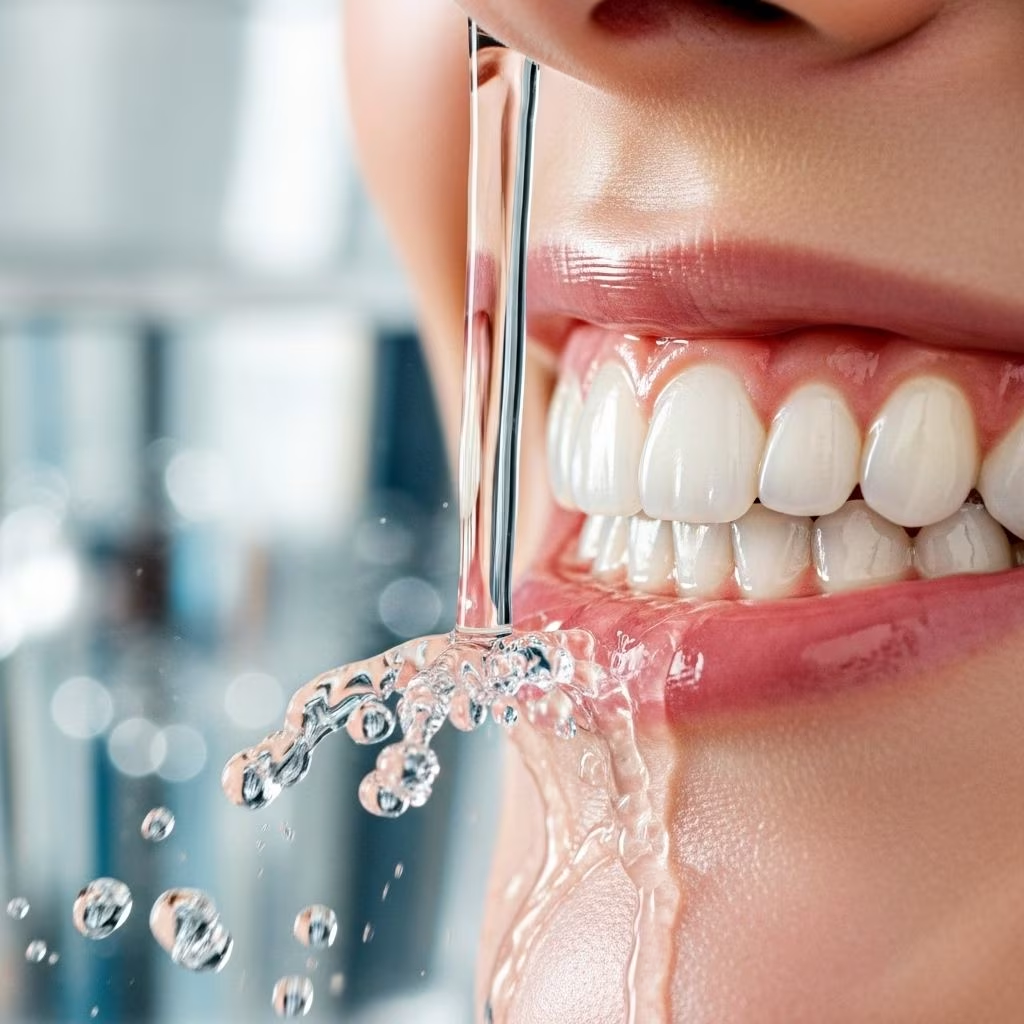
Hydration for Oral Health & Gum Disease: The Crucial Role of Water in a Healthy Smile
Maintaining proper hydration isn’t just about feeling good or supporting general well-being; it’s an often-overlooked cornerstone of oral health, influencing everything from saliva production and gum health to preventing gum disease and protecting your teeth. This comprehensive guide explores the science behind hydration and its direct impact on your gums, teeth, and overall oral hygiene, providing practical advice and strategies for a healthier, brighter smile.
Introduction: Hydration and Oral Health
Drinking water is foundational for every system in your body, but its role in oral health is unique and critical. Your mouth is a complex environment maintained by saliva, healthy tissues, and beneficial bacteria—all of which are deeply influenced by how much water you drink each day. Chronic dehydration leads to oral problems that range from bad breath and stained teeth to gum recession and severe periodontal disease, underscoring why dentists and health professionals prioritize hydration in dental care routines.
The Science: How Water Influences Oral Health
Water performs several essential functions in your mouth:
- Promotes Saliva Production: Water is a key component in saliva, which neutralizes acids, washes away debris, and remineralizes tooth enamel.
- Cleanses Mouth: Drinking water reduces the concentration of sugars and acids, maintaining a less hospitable environment for harmful bacteria.
- Supports Nutrient Delivery: Well-hydrated tissues receive important nutrients and minerals, supporting cell repair and immune defense in the gums.
- Regulates pH: Water helps keep the pH of the oral cavity balanced, which protects enamel and prevents decay.
Fluoridated water, found in many municipal supplies, adds extra protection by strengthening tooth enamel and reducing the risk of cavities and tooth decay by up to 25% in children and adults.
Saliva Production: Hydration’s Defensive Shield
Saliva is your mouth’s natural defense mechanism, and its production is closely linked to hydration:
- Washes Away Food Particles: Saliva flushes debris and bacteria, reducing plaque build-up.
- Contains Antibacterial Agents: Elements within saliva fight infections and maintain a healthy microbial balance.
- Delivers Minerals: Essential minerals in saliva help remineralize teeth and repair minor enamel damage.
- Prevents Dry Mouth: Adequate hydration stops the cycle of dry mouth, a major risk factor for gum disease and tooth decay.
A reduction in saliva—whether from dehydration, certain medications, or medical conditions—leads to dry mouth, increasing the risk of caries, gingivitis, bad breath, and difficulty wearing dentures.
Hydration and Gum Disease: The Connection
Gum disease, ranging from mild gingivitis to serious periodontitis, is driven by bacteria, inflammation, and immune changes. Hydration intervenes on multiple fronts:
- Prevents Plaque Accumulation: Water and saliva together wash away bacteria, stopping the chain reaction that leads to plaque, tartar, and gum degradation.
- Reduces Inflammation: Hydrated gums are less likely to become swollen, red, or tender—classic signs of gingivitis.
- Supports Healing: After dental treatments or injury, hydrated tissues heal faster and resist infection better.
Chronic dehydration disrupts these defense systems, resulting in swollen gums, bleeding, recession, sensitivity, and even loose teeth. The CDC reports that nearly half of adults over 30 have some form of periodontal disease, with dehydration being a significant but preventable risk factor.
Table: Hydration vs. Gum Disease Risk Factors
| Hydration Status | Saliva Production | Plaque/Tartar Build-Up | Gum Health | Risk of Gum Disease |
|---|---|---|---|---|
| Optimal | High | Low | Healthy (no redness, swelling) | Low |
| Mildly Dehydrated | Reduced | Moderate | Slight swelling, tenderness | Moderate |
| Chronic Dehydration | Low/Minimal | High | Receding, swollen, bleeding | High |
Signs and Symptoms of Oral Dehydration
Early recognition of dehydration-related oral problems is vital for intervention:
- Dry mouth or sticky tongue
- Bad breath (halitosis)
- Swollen, puffy, or tender gums
- Reddened gums or receding gum line
- White spots or dry patches on teeth
- Cracked lips or dry skin around mouth
- Increased tooth sensitivity or pain
- Fatigue or nausea
- Infrequent urination or dark urine (systemic signs of dehydration)
Persistent symptoms may indicate advanced gum disease and require professional dental evaluation.
Risks and Complications: Beyond Gums and Teeth
Unchecked oral dehydration is more than a cosmetic or comfort issue. Its complications include:
- Advanced Gum Disease: Progressing from gingivitis to periodontitis can result in tooth loss and bone damage.
- Tooth Decay: Weakened enamel and an increase in plaque bacteria escalate the risk of cavities.
- Systemic Illness: Chronic oral inflammation increases risk for cardiovascular diseases, diabetes, and even kidney disease.
- Delayed Healing: Dehydrated tissues are slow to heal after dental procedures or accidental injury.
Hydration, therefore, plays a role in both prevention and recovery from dental disease.
Optimizing Hydration for Oral Health
Effective strategies to boost hydration and protect your oral health include:
- Drink Adequate Water: Aim for at least 8 glasses (2 liters) per day; adjust for climate and physical activity.
- Choose Water Over Sugary Drinks: Replace soda, juice, and sports drinks with plain water to avoid sugar and acid buildup.
- Monitor Saliva: If you experience dry mouth, consult a dentist and check your daily water intake.
- Consider Fluoridated Tap Water: Provides added enamel protection—avoid filtering out fluoride unless medically necessary.
- Stay Hydrated Before and After Dental Treatments: Optimal tissue hydration speeds recovery and enhances treatment success.
- Carry a Water Bottle: Gentle reminders throughout the day can improve habits.
Dietary and Lifestyle Considerations
- Eat Water-Rich Foods: Incorporate cucumbers, watermelon, oranges, and other high-water fruits and veggies.
- Limit Dehydrating Beverages: Excess coffee, tea, and alcohol deplete body fluids and dry the mouth.
- Check Medications: Some prescriptions (antihistamines, antidepressants) cause dry mouth. Discuss alternatives or solutions with your healthcare provider.
Mindful dietary habits—paired with optimal water intake—form the backbone of sustainable oral health.
Frequently Asked Questions (FAQs)
Q: How much water should I drink daily for optimal gum health?
Most adults benefit from at least 8 glasses (about 2 liters) of water per day, but individual needs vary based on age, activity level, climate, and overall health.
Q: Does drinking water help prevent plaque and cavities?
Yes. Water helps wash away food particles and neutralizes acids that cause plaque and tooth decay. Fluoridated water provides additional cavity protection.
Q: Can dehydration cause swollen or bleeding gums?
Dehydration reduces saliva, increasing bacterial growth in the mouth, which can cause swelling, redness, tenderness, and bleeding in the gums.
Q: Are there foods that help with hydration for oral health?
Water-rich foods such as cucumbers, watermelon, and oranges supplement your water intake and support saliva production.
Q: What should I do if medications are making my mouth dry?
Consult your dentist or physician. There may be alternatives or strategies to increase moisture in the mouth, such as sipping water frequently, using saliva substitutes, or chewing sugar-free gum.
Q: Does hydration help with dental healing?
Definitely. Well-hydrated tissues heal faster and are less prone to infection after dental treatments.
Conclusion: Making Hydration a Lifelong Oral Health Habit
Hydration is far more than a simple lifestyle choice; it’s a clinical necessity for maintaining oral health and preventing gum disease. From saliva production and plaque control to tissue healing and enamel protection, water’s role is multifaceted and powerful. Begin by monitoring your water intake, choosing water-rich foods, and being mindful of medications or habits that impact oral hydration. Your gums and teeth—and your entire body—will benefit from the life-long habit of drinking water.
For more information or concerns about oral hydration, schedule an exam with your local dental professional. Adopt hydration as an integral part of your daily dental hygiene and enjoy lasting wellness for your entire smile.
References
- https://www.carydentalassociates.com/dehydrated-gums-how-dehydration-affects-oral-health/
- https://www.blessedsmiles.com/the-importance-of-hydration-in-oral-health
- https://www.phdental.com/oral-health-news/2021/june/how-drinking-water-supports-your-oral-health/
- https://pmc.ncbi.nlm.nih.gov/articles/PMC10770954/
- https://npperioimplants.com/blog/stay-hydrated-to-prevent-gum-disease
- https://www.gilroydentalcare.com/the-importance-of-hydration-for-your-oral-health
- https://www.bladenborofamilydentistry.com/2023/12/04/how-hydration-helps-oral-health/
- https://www.concordfdcentral.com/the-importance-of-hydration-for-your-oral-health


