


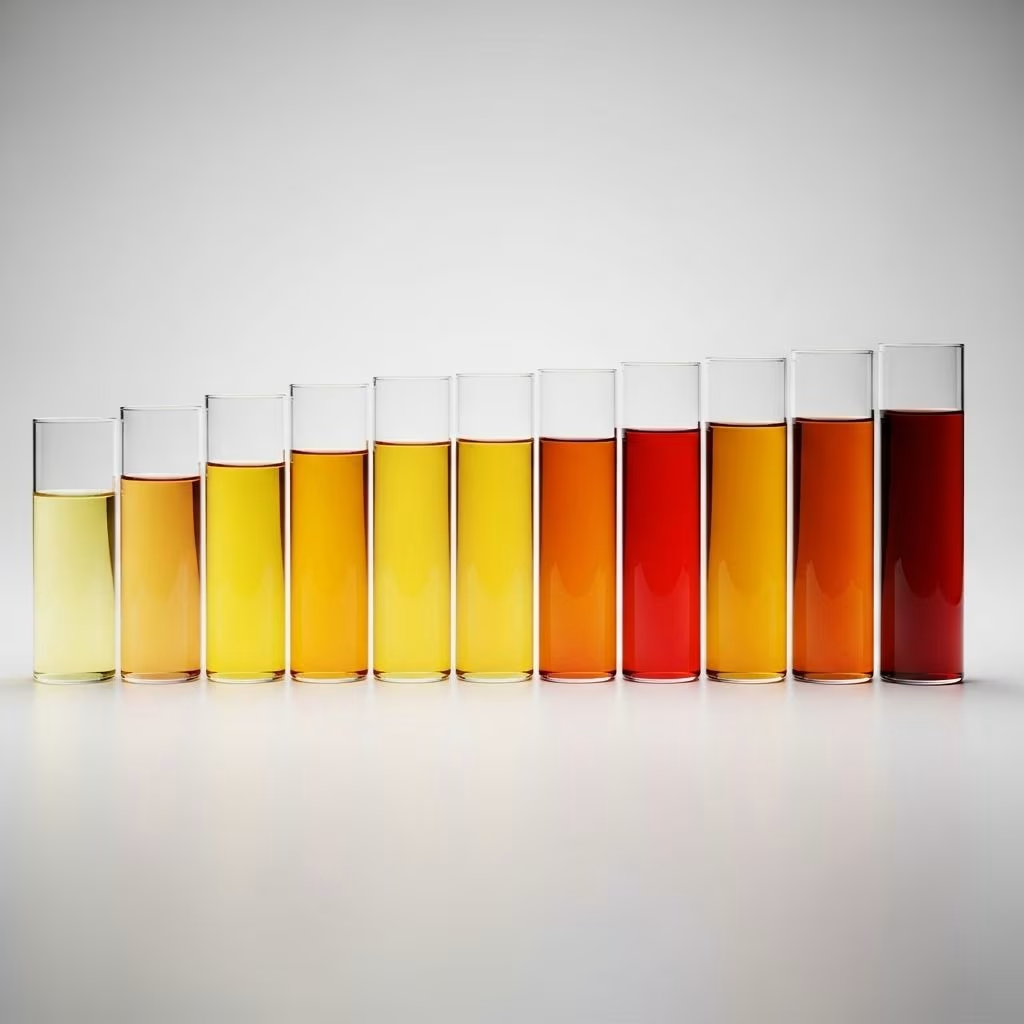
Urine Color as Hydration Indicator: Guide
Urine is one of the most accessible, real-time indicators of hydration and health. The color of your urine fluctuates depending on your body’s fluid balance, the foods and medications you consume, and certain health conditions. Learning to observe and interpret urine color empowers you to assess your hydration status and spot health issues promptly. This comprehensive guide will walk you through understanding, using, and applying urine color charts in everyday life, exploring the factors that affect urine color, and addressing frequently asked questions for practical awareness.
Introduction: Why Urine Color Matters
Urine analysis is a simple self-monitoring tool that can reveal your body’s current hydration status and, in some cases, alert you to potential underlying health concerns. From athletes to everyday individuals, observing urine color is a non-invasive, cost-free method to stay aware of your fluid balance. Because the kidneys regulate water retention or excretion, any imbalance in your hydration will immediately be reflected in the color and concentration of your urine. Understanding what these changes mean is vital for maintaining optimal health.
The Urine Color Spectrum: What Do Different Colors Mean?
The color of urine ranges from completely clear to deep amber or brown. Each hue signals specific hydration levels and, occasionally, health conditions. Here is a breakdown of what typical urine colors mean:
| Urine Color | Hydration Status | Possible Causes | Recommended Action |
|---|---|---|---|
| Transparent/Clear | Overhydrated | Excess water intake; mild hyponatremia risk | Consider reducing water intake temporarily |
| Pale Yellow/Light Straw | Optimal Hydration | Balanced water intake | Maintain current fluid habits |
| Medium Yellow | Mild dehydration | Body starting to conserve water | Increase fluid intake |
| Dark Yellow | Moderate dehydration | Concentration of waste and toxins; low fluid levels | Drink water soon |
| Amber/Honey | Significant dehydration | Kidneys heavily conserving water | Immediate fluid replenishment advised |
| Brown/Tea | Severe dehydration, possible health concern | Liver or kidney dysfunction | Seek medical attention if persists |
| Orange | Dehydration or medication/food influence | Medications, some foods like carrots or beets | Monitor; consult doctor if unlinked to diet/meds |
| Red or Pink | Blood presence or food/medication influence | UTIs, bladder issues, foods (beets, berries) | Seek medical evaluation if persists |
The majority of hydration charts agree on this spectrum, though subtle variations exist. The most important rule is: lighter urine generally means better hydration, while darker urine signals dehydration or potential health issues .
Key Takeaways
- Pale yellow or clear urine: You’re likely well hydrated.
- Dark yellow, amber, or brown urine: You may be dehydrated and should increase fluid intake.
- Unusual colors (red, blue, green): May indicate dietary influences, medication, or medical concern—seek advice if persistent.
How Hydration Influences Urine Color
The color of urine directly reflects the concentration of waste products and water in the body. When adequately hydrated, the kidneys excrete diluted urine that’s pale yellow. During dehydration, the kidneys conserve water, producing more concentrated, dark-colored urine .
- Kidneys maintain fluid balance by adjusting concentration of waste in urine.
- Low fluid intake leads to highly concentrated urine, darker yellow or amber.
- High fluid intake yields dilute urine, appearing pale yellow or clear.
- Severe dehydration can manifest as brown or tea-colored urine due to increased waste concentration.
Consistently checking your urine color is a practical marker for hydration, especially easy to spot during daily bathroom visits.
Other Factors Affecting Urine Color
While hydration status is the main influencer, various external and internal factors can temporarily alter urine color. These include:
- Diet: Foods such as beets, blackberries, asparagus, and carrots may cause red, green, or orange tint to urine.
- Medications and Supplements: Vitamin B complex, certain antibiotics (e.g., rifampin), chemotherapy drugs, and urinary pain relief medications may alter urine color.
- Medical Conditions: Blood in the urine (hematuria), liver diseases, urinary tract infections, and diabetes insipidus influence hue and clarity.
- Assessment Timing: Morning urine tends to be more concentrated due to overnight fasting; post-activity urine can reflect dehydration after sweating.
Most dietary or medication-induced color changes are harmless and temporary. However, persistent abnormal hues, especially when paired with other symptoms such as pain or burning, require medical evaluation.
Using the Urine Color Chart for Self-Assessment
Urine color charts are standardized visual tools designed to help people interpret hydration status rapidly. Commonly found in healthcare offices, gyms, and locker rooms, they act as a reference point for daily self-checks.
- Match the color of your urine (in the bowl or sample cup) to the chart’s hues.
- Charts may use three to seven color panels, ranging from clear/pale yellow (excellent hydration) to dark brown (critical dehydration).
- For best accuracy, observe urine during the day and note consistency throughout different times, especially after physical activity or fluid intake changes.
- Some advanced charts, like the 3-panel lavatory chart, even factor in voiding duration for more immediate hydration assessment .
- Self-assessment based on urine color is found to be about 72% accurate compared to laboratory tests, making it a useful general guideline .
Step-by-Step Use:
- Locate a urine color chart in your bathroom or use one accessible from medical resources.
- Assess the color and clarity of your urine immediately after voiding.
- Compare the observed color to the chart and follow recommended hydration guidance.
Sample Urine Color Chart Reference
| Panel | Color Description | Hydration Status |
|---|---|---|
| 1 | Pale yellow, clear, or light straw | Well-hydrated |
| 2 | Medium yellow | Mild dehydration |
| 3 | Dark yellow to amber | Dehydrated |
| 4 | Brown, tea, or orange | Severe dehydration or medical concern |
When to Seek Medical Attention
While urine color is a practical marker for hydration, certain signs warrant medical consultation.
- Persistent dark, brown, or tea-colored urine despite adequate fluid intake
- Red or pink urine not explained by food, medication, or menstruation (potential presence of blood)
- Blue, green, or purple urine (rare but may indicate metabolic or medication-related issues)
- Accompanied symptoms such as pain, burning, fever, or changes in urinary frequency
Severe dehydration symptoms—such as rapid heartbeat, confusion, dizziness, or fainting in combination with dark urine—require urgent medical evaluation.
Tips for Staying Hydrated
- Drink water regularly throughout the day; do not wait for thirst.
- Adjust fluid intake according to activity level, climate, and health status.
- Improve hydration with foods high in water content (fruits, vegetables, soups).
- Limit intake of caffeinated and alcoholic beverages, which increase urine output and risk of dehydration.
- Monitor urine color daily and increase fluids when color shifts toward darker yellows.
- Create reminders or track fluid intake for consistent hydration habits.
Frequently Asked Questions (FAQs)
Q: Is clear urine always best?
A: Not necessarily. Completely clear urine may signal overhydration, which in rare cases can dilute electrolytes and cause health problems called hyponatremia. Pale yellow is generally considered optimal for hydration .
Q: What if my urine is dark in the morning?
A: Morning urine is typically more concentrated because of overnight reduced intake. If it lightens throughout the day with regular drinking, this is normal.
Q: Can foods cause my urine to change color?
A: Yes. Beets, asparagus, blackberries, carrots, and some artificial colorings can cause red, green, or orange tints, which are harmless and temporary.
Q: How does physical activity affect urine color?
A: Sweating and activity increase fluid loss, lowering body water levels and causing darker urine unless replenished promptly.
Q: When should I see a doctor about urine color?
A: Seek medical advice if dark, brown, or red urine persists, especially if you experience other symptoms such as pain, burning, or fever, or if color doesn’t resolve with more fluids.
Q: What colors should prompt immediate action?
A: Brown/tea urine may suggest liver issues, and red/pink may signal blood—both require medical evaluation if not explained by diet or medication.
Final Notes: Listen to Your Body’s Signals
Urine color analysis is an excellent, practical way to monitor your day-to-day hydration and overall health. A quick glance in the bathroom is often enough to prompt action: maintain healthy pale yellow urine for best results. Remember, while urine color is a valuable tool, always consider additional symptoms and seek help when concerned. Healthy hydration supports energy, concentration, kidney function, and prevention of urinary tract problems.
Remember: Stay hydrated, stay healthy, and keep watching those shades in the bowl for wellness insights!
References
- https://urocarechennai.com/blog/urine-color-a-simple-guide-to-monitoring-your-hydration/
- https://centersurgentcare.net/urine-color-chart-what-your-pee-says-about-your-health/lab-work/
- https://dripdrop.com/blogs/hydration-blog/chart-dehydrated
- https://news.asu.edu/20210507-discoveries-studies-provide-insight-advancements-self-assessing-hydration
- https://www.health.nsw.gov.au/environment/beattheheat/Pages/urine-colour-chart.aspx
- https://www.healthline.com/health/urine-color-chart
- https://www.healthline.com/health/hydration-chart
- https://www.medicalnewstoday.com/articles/urine-color-chart
- https://www.southtees.nhs.uk/wp-content/uploads/2022/08/Urine-colour-chart.pdf


