


Introduction
Hydration is crucial for athletes and individuals seeking to optimize their physical performance. Proper hydration enhances endurance, reduces the risk of dehydration, and supports overall health. Traditional methods of assessing hydration status include monitoring body weight changes and urine concentration, but advancements in technology have led to more precise and innovative approaches, such as blood tests and sweat analysis.
Methods of Hydration Monitoring
Several methods are employed to evaluate an individual’s hydration status, each with its advantages and limitations:
- Body Mass Changes: This method involves measuring body weight before and after exercise to estimate fluid loss. It is simple and cost-effective but may not provide precise measurements of hydration levels.
- Urine Markers: Assessing urine osmolality, specific gravity, or color can provide valuable insights into hydration status. Darker urine typically indicates dehydration.
- Bioelectrical Impedance Analysis (BIA): This technique measures the resistance of body tissues to electrical currents, which can indicate hydration levels based on the amount of water in the body.
Advances in Sweat Analysis
Sweat analysis has emerged as a promising tool for monitoring hydration and other physiological parameters. Recent advancements in wearable technology allow for real-time monitoring of sweat biomarkers, providing valuable insights into hydration status and other health indicators:
- Electrochemical Methods: These methods offer high precision in analyzing sweat biomarkers like glucose, lactate, and electrolytes, which are crucial for assessing hydration and energy levels.
- Colorimetric Methods: While less precise than electrochemical methods, colorimetric techniques use color changes to detect biomarkers, offering a simpler and more cost-effective approach.
Wearable devices such as epidermal patches and temporary tattoos are preferred due to their flexibility and unobtrusive nature, allowing athletes to monitor their sweat composition during exercise without interference.
Blood Tests for Hydration
Blood tests can provide detailed information about hydration by analyzing plasma markers such as osmolality, sodium, hematocrit, and hemoglobin. These tests are particularly useful in clinical settings where precise hydration assessments are necessary:
- Plasma Osmolality: This measures the concentration of solutes in the blood, which can indicate dehydration if elevated.
- Sodium Levels: Changes in sodium concentration can affect hydration status; high levels may indicate dehydration.
- Hematocrit and Hemoglobin: Elevated levels can indicate dehydration due to increased blood concentration.
Wearable Technology and Hydration
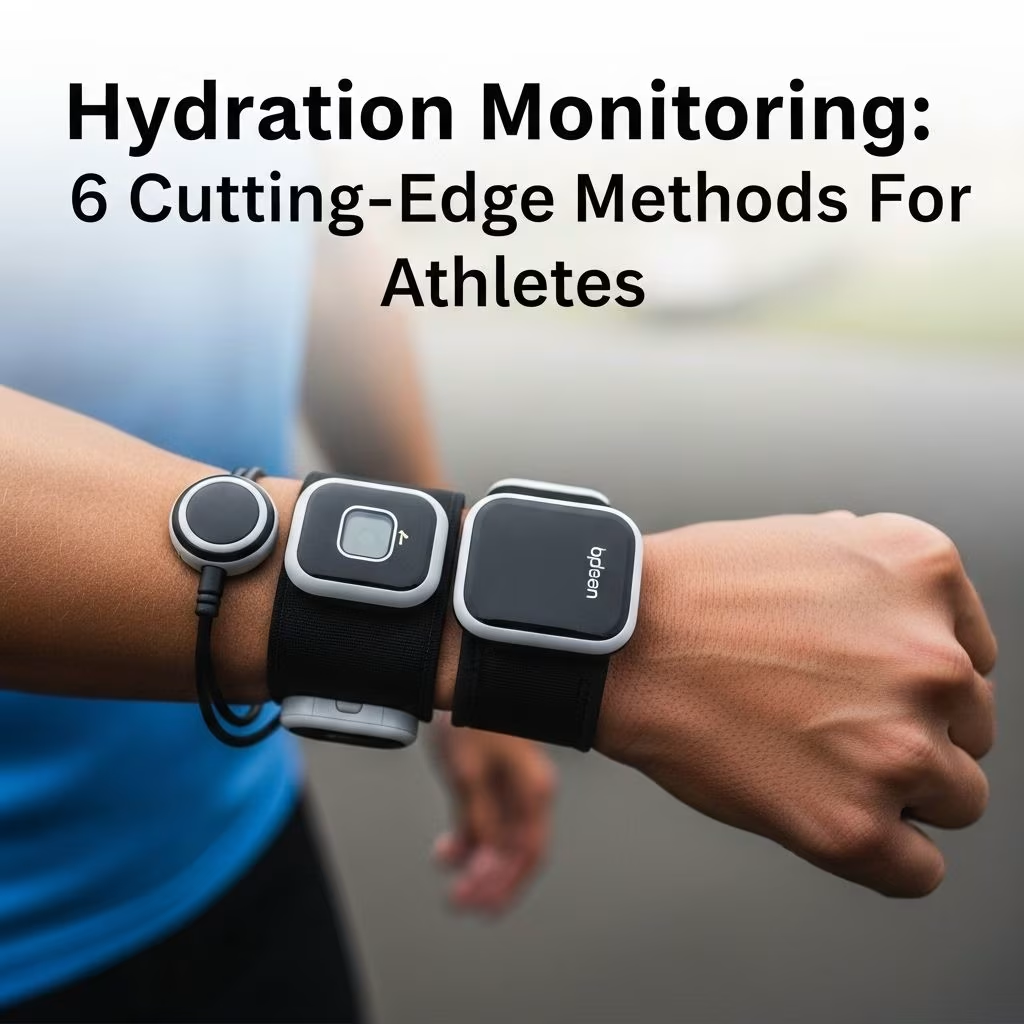
Wearable devices have revolutionized hydration monitoring by providing real-time data without the need for invasive procedures. These devices use various sensors to track physiological parameters, including heart rate, temperature, and sweat rate, offering insights into hydration status:
- Electrodes and Sensors: Some wearable devices employ electrodes to measure skin hydration levels or use photoplethysmography to estimate sweat volume.
- Machine Learning Models: Advanced algorithms analyze data from wearable sensors to predict dehydration status, enhancing accuracy and practicality.
- Impedance Measurements: Wearable devices can use impedance analysis to monitoring skin hydration levels, providing continuous feedback during exercise.
Future of Hydration Monitoring
As technology continues to advance, the future of hydration monitoring looks promising. Wearable devices will become more sophisticated, integrating multiple testing methods to provide comprehensive health insights. Furthermore, machine learning will play a significant role in improving the accuracy and efficiency of hydration monitoring systems.
Frequently Asked Questions (FAQs)
Q: What are the most accurate methods for assessing hydration status?
A: Plasma osmolality and body mass changes are among the most accurate methods for assessing hydration status, with plasma osmolality providing precise measurements of fluid concentration in the blood.
Q: How does sweat analysis contribute to hydration monitoring?
A: Sweat analysis helps monitor hydration by detecting biomarkers like electrolytes and glucose, offering insights into fluid balance and energy levels during exercise.
Q: What role do wearable devices play in hydration monitoring?
A: Wearable devices use sensors and machine learning algorithms to track physiological parameters in real-time, providing continuous feedback on hydration status without the need for invasive tests.
References
- https://mhealth.jmir.org/2025/1/e60569
- https://www.gssiweb.org/sports-science-exchange/article/sse-97-hydration-assessment-of-athletes
- https://pubmed.ncbi.nlm.nih.gov/39727839/
- https://www.scienceforsport.com/hydration-testing/
- https://simplifaster.com/articles/hydration-monitoring-misconceptions-and-best-practices-for-team-sports/
- https://pmc.ncbi.nlm.nih.gov/articles/PMC7602338/
- https://www.germanjournalsportsmedicine.com/archive/archive-2022/issue-4/hydration-management-in-sports/
- https://therackapc.com/the-science-of-hydration-importance-and-strategies-for-athletes/


