


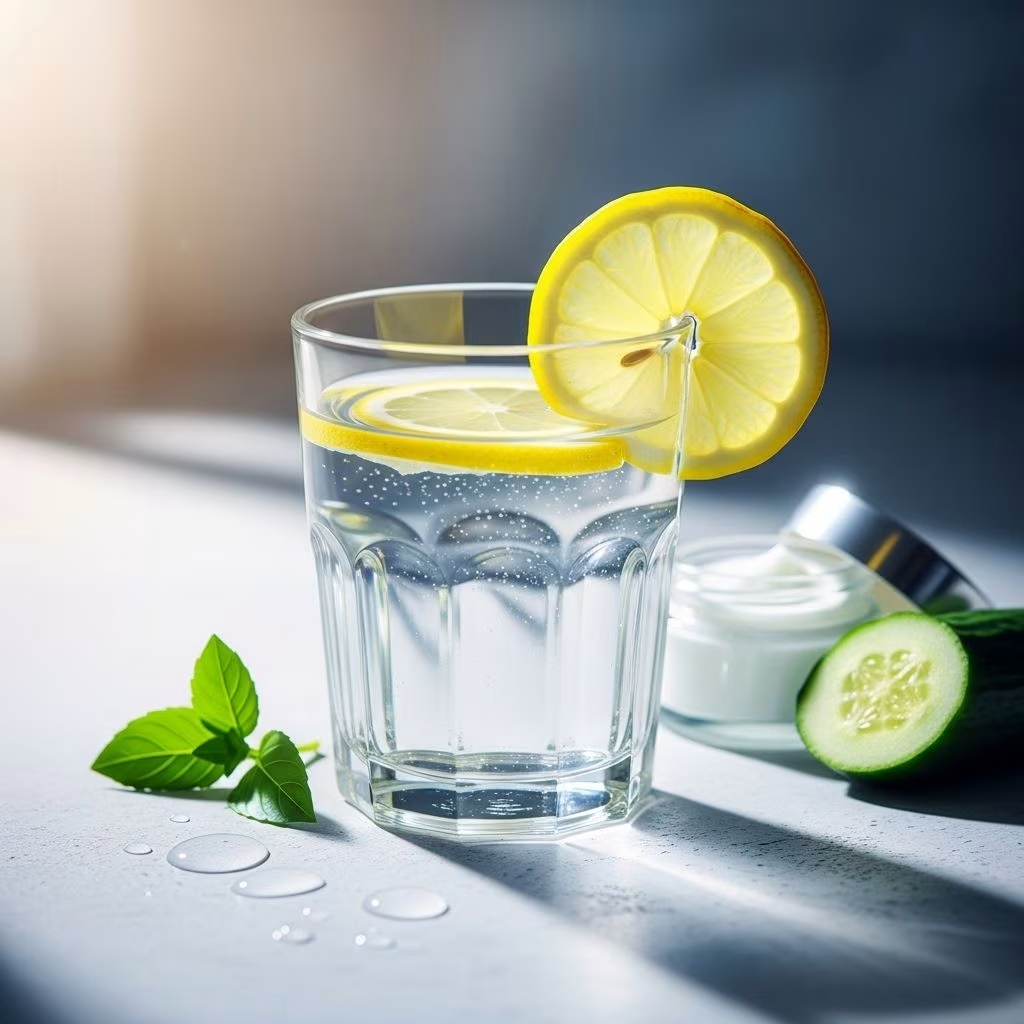
Hydration is universally recognized as a pillar of overall health, but its impact on skin clarity and acne prevention is often overlooked or misunderstood. For those battling acne, understanding the role of water—inside and out—in maintaining the skin’s barrier function and preventing breakouts is essential to achieving a healthier, clearer complexion.
Introduction
Acne affects millions of people across all age groups, influencing not only appearance but also self-confidence and skin comfort. While treatments often focus on topical or prescription solutions, one crucial element is frequently underestimated: hydration. Understanding the link between the body’s water balance, surface skincare, and acne development empowers individuals to implement lasting, effective solutions for clearer skin.
The Science: How Hydration Influences Skin Health & Acne
The skin’s outermost layer, the stratum corneum, requires sufficient moisture to function effectively. When dehydrated—either from inadequate water intake or disruption of the surface barrier—the skin becomes vulnerable to irritation and inflammation. These processes can fuel excess sebum production and foster the proliferation of acne-causing bacteria, such as Cutibacterium acnes .
Proper hydration supports:
- Efficient exfoliation (desquamation): Hydrated skin sheds dead skin cells more effectively, reducing the risk of clogged pores.
- Stable oil production: Prevents dehydration-triggered overproduction of sebum, which can clog pores.
- Balanced skin pH: Maintains the healthy acidity needed to prevent overgrowth of harmful bacteria.
- Optimal absorption of topical treatments: Well-hydrated skin can better tolerate and absorb prescription creams and serums, making treatment more effective and less irritating .
A scientific study showed that people using moisturizers along with acne treatments experienced fewer side effects and better hydration, ultimately leading to reduced acne severity .
Internal vs. External Hydration
| Hydration Source | How It Works | Benefits to Skin |
|---|---|---|
| Internal (Drinking Water) | Fluid intake, including water and water-rich foods | Maintains cell hydration, supports detoxification, stabilizes blood flow to skin |
| External (Topical Hydration) | Moisturizers, hydrating cleansers, facial mists | Prevents water loss from skin’s surface, soothes irritation, strengthens barrier |
Internal hydration ensures that the skin receives adequate water through bloodstream circulation, maintaining cell flexibility and overall function. On the other hand, external hydration—through moisturizers and hydrating products—protects the skin’s surface against environmental factors, locking in moisture and supporting the barrier against aggressors.
Skin Barrier Function in Acne-Prone Skin
People with acne often show signs of barrier disruption, such as higher transepidermal water loss (TEWL) and increased sebum production . Importantly, the skin barrier in acne-prone individuals is less effective at retaining moisture and repelling irritants. While some studies noted increased skin hydration in acne-affected areas (possibly due to inflammatory responses or treatment), the essential issue is barrier integrity—not just moisture content .
Consequences of a weak skin barrier:
- Increased risk of irritation and inflammation
- Heightened susceptibility to breakouts
- Poor tolerance to acne medications (dryness, stinging, flaking)
- Unstable skin hydration and increased TEWL
This is why modern recommendations increasingly emphasize using barrier-repairing moisturizers—especially those containing ceramides, fatty acids, and cholesterol—to restore barrier strength rather than simply increasing moisture .
How Much Water Do You Really Need?
There’s no universal number appropriate for everyone, but common guidelines suggest around 2–3 liters (8–12 cups) of total fluids daily, including water-rich foods like fruit and vegetables .
- Physical activity, hot climates, and certain health conditions may increase fluid needs.
- Symptoms of insufficient hydration include dry mouth, fatigue, darker urine, and skin dullness.
Consuming adequate water not only supports general wellness, but emerging evidence suggests it can modestly improve skin elasticity and reduce visible dryness .
Hydrating Skincare: Products and Ingredients
Selecting the right skincare products amplifies hydration and defends against acne-linked irritation:
- Gentle Cleansers: Avoid stripping the skin; look for hydrating formulations free of harsh surfactants.
- Humectants: Ingredients like hyaluronic acid and glycerin attract and hold water in the outer skin layers.
- Emollients and Occlusives: Nourish and lock moisture in the skin; shea butter, squalane, dimethicone are common occlusives.
- Ceramide-rich Moisturizers: Replenish vital lipids in the protective barrier, crucial in acne-prone skin on treatments .
Note: When using acne medications (e.g., benzoyl peroxide, retinoids), which often dry the skin, replenishing hydration and barrier lipids can minimize peeling, stinging, and worsening of breakouts from irritation.
The Role of Moisturizers in Acne Management
Not all moisturizers are equal. Important considerations:
- Select non-comedogenic (won’t clog pores) options
- Avoid fragranced or alcohol-heavy formulas
- Look for breadth of humectants, emollients, and ceramides.
- Apply after active treatments once products are fully absorbed.
Diet, Hydration, and Skin Health
Diet plays a dual role: it provides water and specific nutrients that bolster the skin’s natural moisture retention and healing abilities.
Top Dietary Sources of Hydration
- Fruits: watermelon, cucumber, oranges, strawberries
- Vegetables: lettuce, celery, tomatoes
- Soups, broths, smoothies
Key Nutrients for Hydrated, Clear Skin
- Omega-3 fatty acids (found in fatty fish, walnuts, flaxseed): help manage skin inflammation.
- Vitamin A (carrots, sweet potatoes): essential for healthy cell turnover.
- Vitamin E (sunflower seeds, almonds): antioxidant, supports skin repair.
- Zinc (pumpkin seeds, lean meats): shown to reduce acne severity in some studies.
Minimize refined carbohydrates and sugars, which have been linked to increased breakouts in several clinical studies .
Building a Daily Hydration Routine for Clearer Skin
Practical tips for integrating hydration into a skin-clarifying daily routine:
- Drink water regularly: Carry a reusable bottle, sip consistently, and adjust intake for activity/weather.
- Start and end your day with hydration: Have a glass of water upon waking and before bed.
- Apply moisturizer after cleansing, twice daily, especially if using acne treatments.
- Choose a humidifier at night if you live in a dry climate, helping skin retain moisture overnight.
- For those with acne: Pair hydrating products with your prescribed regimen, and pay extra attention to avoiding over-washing or physical scrubbing, both of which can worsen dehydration.
Sample Daily Hydration Skincare Routine
- Morning: Gentle cleanser – Hydrating, non-comedogenic moisturizer – Sunscreen
- Evening: Remove makeup (if worn) – Gentle cleanser – Prescription/topical acne treatment – Hydrator/moisturizer
Efficacy, Limitations, and Common Misconceptions
Though hydration is vital, it is not a stand-alone cure for acne. Key points:
- Drinking excessive water does not \”flush out\” acne, but it does support normal detoxification and proper cell function .
- Hydrated skin is less vulnerable to irritation, making breakouts fewer and less severe, but does not stop acne if underlying hormonal or genetic causes exist.
- Moisturizers do not worsen acne when appropriately chosen (look for non-comedogenic labeling).
- Skin hydration measured in acne patients can be paradoxically high due to surface inflammatory processes, meaning focus must be on restoring the barrier rather than simply increasing water content .
Frequently Asked Questions (FAQs)
Q: Can drinking more water alone clear up my acne?
A: Water supports skin health and helps reduce the risk of irritation that worsens acne, but it is not an exclusive \”cure.\” Other factors—genetics, hormones, diet, and skincare choices—all play critical roles .
Q: How do I know my skin barrier is compromised?
A: Symptoms include increased redness, stinging, sensitivity to products, flakiness, and persistent breakouts. Using barrier-repair moisturizers can help restore resilience .
Q: What is transepidermal water loss (TEWL) and why does it matter?
A: TEWL measures how much water escapes from the skin. High TEWL means vulnerable, poorly protected skin, which is common in acne sufferers and those using drying treatments .
Q: What ingredients should I look for in a moisturizer if I have acne-prone skin?
A: Prioritize products labeled \”non-comedogenic\” with hyaluronic acid, glycerin, and ceramides. Avoid heavy oils, fragrances, and denatured alcohols.
Q: Besides water, what else helps keep skin hydrated and acne-resistant?
A: A diet rich in water-dense fruits and vegetables, omega-3 fatty acids, vitamins (A, E), and zinc, combined with the consistent use of well-formulated moisturizers and gentle cleansers, all support clearer and more resilient skin .
Conclusion
Hydration—both internal and external—forms the foundation of healthy, clear skin, especially for those prone to acne. By understanding how water intake, barrier-supporting skincare, and a balanced diet interact, you can develop a holistic routine that empowers your skin to resist breakouts, recover from irritation, and reveal its natural clarity. Remember, while water alone isn’t a solo cure for acne, it is an unmissable step in any effective skincare regimen.
References
- https://www.revivalabs.com/does-hydrating-skin-help-acne/
- https://aventusclinic.com/does-drinking-water-help-acne/
- https://pmc.ncbi.nlm.nih.gov/articles/PMC11537166/
- https://www.dermatologytimes.com/view/patients-treated-for-acne-exhibit-higher-sebum-hydration-and-tewl-levels-than-general-population
- https://pmc.ncbi.nlm.nih.gov/articles/PMC4529263/
- https://www.healthline.com/nutrition/does-drinking-water-help-acne
- https://www.semanticscholar.org/paper/b4fd38556c4c704d173729296c0088c709b181e6


