


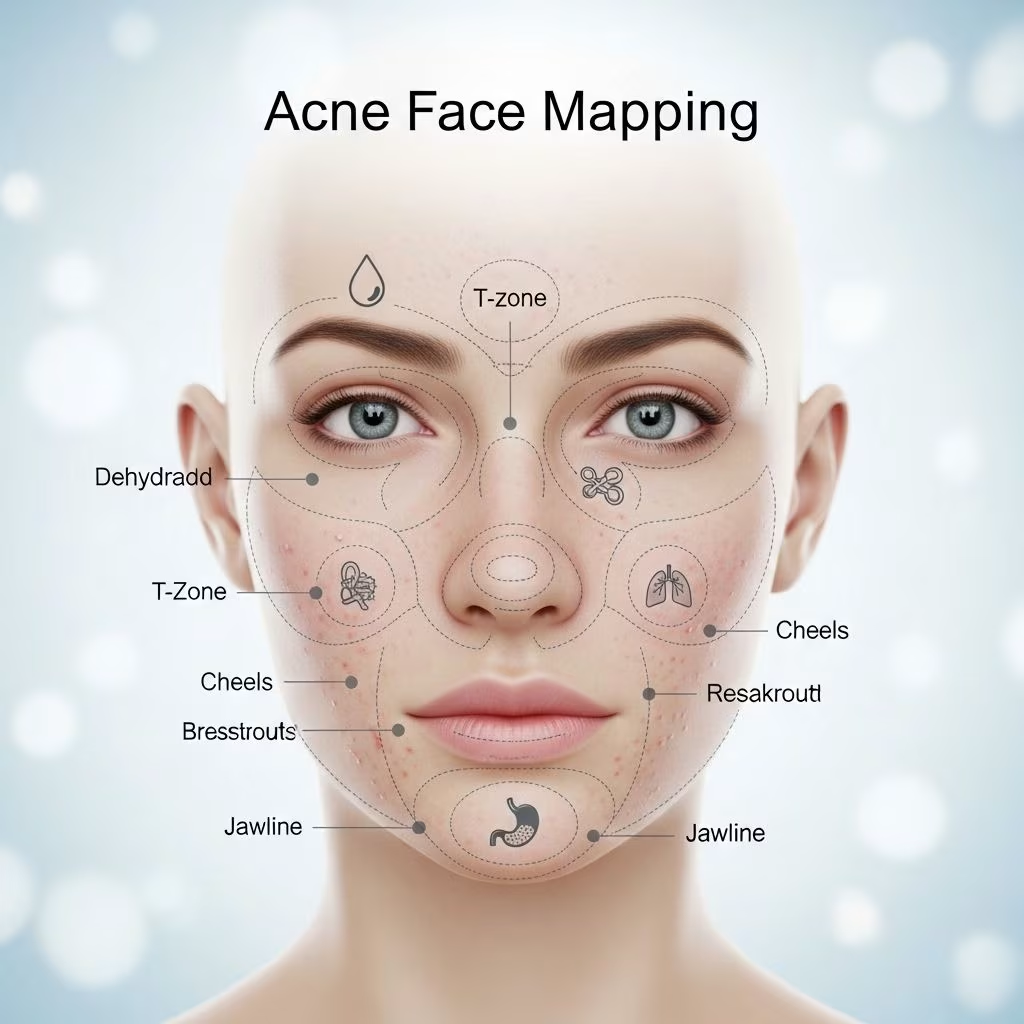
Understanding why acne appears in certain facial areas can guide targeted treatments and reveal underlying imbalances. Acne face mapping combines traditional beliefs and modern dermatology to decode what your jawline, forehead, and T-zone breakouts might be signaling about your health, habits, and skin.
What Is Acne Face Mapping?
Acne face mapping is the practice of analyzing the location of breakouts on your face to identify their possible root causes. The face is divided into multiple zones—such as the jawline, forehead, cheeks, chin, and T-zone—with the idea that acne in each zone may reflect different triggers ranging from hormonal to environmental to lifestyle-related.
Historical and Scientific Origins
Face mapping traces its roots to ancient Chinese and Ayurvedic medicine, where it was thought that facial zones corresponded to organ health and internal imbalances. In these traditions:
- The forehead was often linked to digestive health and stress.
- The jawline and chin were connected to hormones and reproductive organs.
- The cheeks corresponded to the lungs and respiratory or environmental factors.
Modern dermatology, while acknowledging the multifactorial nature of acne, finds some overlap—like linking lower face breakouts to hormones but largely focuses on physical and lifestyle causes rather than organ linkages.
Breakdown by Face Zones
The face is commonly mapped into the following zones related to specific acne patterns:
| Zone | Associated Triggers |
|---|---|
| Forehead | Stress, poor digestion, hair products, sleep habits |
| T-Zone (Forehead, Nose, Chin) | Excess oil, hormones, poor hygiene, diet |
| Jawline/Chin | Hormonal fluctuations, PCOS, high dairy/sugar intake |
| Cheeks | Pollution, dirty pillowcases, cellphone bacteria |
| Hairline | Comedogenic hair products (Pomade acne) |
| Nose | Blackheads, enlarged pores, oily skin |
Jawline Acne: Causes & Solutions
Acne on the jawline and chin is one of the most widely discussed patterns in face mapping.
Main Causes
- Hormonal fluctuations: Jawline acne often flares up during the menstrual cycle, pregnancy, or as a result of polycystic ovary syndrome (PCOS).
- Diet: Diets high in dairy or processed sugars have been linked to breakouts in hormonal zones, including the jawline.
- Stress: Can prompt hormone imbalances (cortisol spikes) contributing to lower face acne.
Typical Appearance
- Often manifests as deeper, tender cysts or nodules compared to superficial pimples.
- Frequently recurring at certain times of the month for menstruating people.
Targeted Solutions
- Medical intervention: Consult with a dermatologist for hormonal therapies such as oral contraceptives or anti-androgens if hormonal imbalance is suspected.
- Lifestyle modifications: Reduce intake of high-glycemic foods and dairy. Manage stress through relaxation techniques.
- Consistent cleansing: Gentle, non-irritating cleansers and targeted acne treatments containing benzoyl peroxide or salicylic acid can help.
Forehead Acne: Causes & Solutions
Forehead acne is commonly linked to both internal issues (like stress, sleep, and digestion) and external influences (especially hair products).
Main Causes
- Stress: High stress levels can impact oil production and inflammation.
- Sleep deprivation: Poor sleep disrupts hormonal balance and skin healing.
- Digestive issues: Some traditions connect poor digestion and liver function to forehead breakouts, though scientific evidence is limited.
- Hair products (pomade acne): Oily or waxy grooming products clog pores along the hairline and forehead.
Typical Appearance
- Clusters of small bumps or blackheads.
- Pimples concentrated close to the hairline.
Targeted Solutions
- Switch to noncomedogenic hair and skincare products.
- Cleanse the area regularly to remove sweat and residue.
- Adopt stress and sleep hygiene routines: Meditation, regular exercise, and proper rest.
- Maintain a balanced diet: Increase fruits, vegetables, and hydration.
T-Zone Acne: Causes & Solutions
The T-zone covers the forehead, nose, and chin and is especially prone to oiliness and clogged pores, making it a breakout hotspot.
Main Causes
- Excess sebum (oil) production: The T-zone has a high density of sebaceous glands.
- Hormonal surges: Lead to increased oiliness and breakouts, especially in teenagers and young adults.
- Improper cleansing: Failing to adequately remove makeup or sunscreen can clog pores.
- Environmental triggers: Humidity and pollution further contribute to T-zone congestion.
Typical Appearance
- Blackheads on and around the nose.
- Whiteheads and superficial pimples along the forehead and chin.
Targeted Solutions
- Regular exfoliation: Use gentle chemical exfoliants like salicylic acid to clear pores.
- Oil control: Choose oil-absorbing products or blotting papers during the day.
- Proper cleansing: Double cleanse especially after wearing makeup or sunscreen.
Cheek Acne: Environmental & Lifestyle Factors
Cheek breakouts often reflect external factors more than internal imbalances:
- Contact with phones: Phones transfer bacteria to the skin.
- Pillowcase hygiene: Dirty pillowcases accumulate oil and bacteria.
- Air quality: Pollution and secondhand smoke are linked to more cheek acne.
- Dietary links: Emerging research ties high sugar intake and possibly dairy to cheek breakouts for some individuals.
Tips: Disinfect your phone, regularly wash pillowcases, and avoid touching your face unnecessarily.
Is Acne Face Mapping Scientifically Supported?
While modern dermatology recognizes patterns—such as hormonal acne often appearing on the lower face—most dermatologists regard face mapping’s organ linkage claims as unsupported by strong clinical evidence. However, analyzing where acne occurs can still be a useful step in personalizing a treatment plan, as patterns may signal consistent triggers like hormonal shifts, lifestyle, or external irritation.
If you consistently break out in specific areas, it is sensible to examine potential triggers—diet, hair and skincare products, contact with surfaces, or stress—as part of your approach to clearer skin.
Personalized Acne Treatment Strategies
Successful acne management combines mapping observations with evidence-based, individualized care:
- Consult a dermatologist: For persistent or severe breakouts, especially along the jawline or in cystic form.
- Customize your products: Use noncomedogenic cleansers, moisturizers, and treatments matched to breakout-prone areas.
- Address lifestyle and diet: Manage stress, optimize sleep, and reduce excess sugar or dairy intake if linked to your acne.
- Environmental hygiene: Keep pillowcases, makeup brushes, and phones clean.
- Advanced treatments (for stubborn cases): Consider professional options such as chemical peels, LED therapy, or laser treatment under expert supervision.
Modern tools like face scans and digital skin analysis can further personalize your regimen, identifying triggers through pore size, oil level, and skin type metrics.
Frequently Asked Questions (FAQs)
Q: Can face mapping really diagnose internal organ problems?
No. While rooted in traditional medicine, there is no strong scientific evidence linking facial acne zones directly to internal organ dysfunction. Modern dermatology instead focuses on direct factors that influence skin health.
Q: Why do I get more breakouts on my jawline during my period?
Hormonal fluctuations—especially increased androgens premenstrually—stimulate oil glands, making the jawline a common site for cyclical breakouts in women.
Q: What is pomade acne?
Pomade acne refers to breakouts along the hairline or forehead caused by pore-clogging hair products. Using lighter, noncomedogenic products and double cleansing can help prevent it.
Q: Will changing my pillowcase really make a difference?
Yes. Regularly washing pillowcases removes accumulated oil and bacteria, reducing potential cheek breakouts—especially if you notice pimples predominantly on the side of your face where you sleep.
Q: When should I see a dermatologist for my acne?
If over-the-counter routines aren’t working, if your acne is severe, deep, scarring, or causing emotional distress, it’s time to consult a professional for individualized treatment.
Key Takeaways
- Breakout location can give clues to causes such as hormones, environmental contact, or product use, but is only one piece of the puzzle.
- Jawline and chin outbreaks are commonly linked to hormonal dynamics, especially in women.
- Forehead and T-zone acne point toward excess oil, stress, hair products, and hygiene factors.
- Cheek acne often results from bacteria transferred by items like phones and pillowcases.
- Combining mapping insights with science-backed self-care and professional advice offers the best chance at lasting clarity.
For best results, monitor patterns in your breakouts, make thoughtful lifestyle adjustments, use targeted skincare for vulnerable zones, and seek professional support as needed.
Your skin will thank you for the attention both inside and out!
References
- https://northernbeachescosmetic.com.au/blog/acne-face-map/
- https://www.healthline.com/health/face-mapping
- https://www.medicalnewstoday.com/articles/325971
- https://www.cosmopolitan.com/style-beauty/beauty/a62805057/acne-face-map/
- https://health.clevelandclinic.org/acne-face-map
- https://www.paulaschoice.com/expert-advice/skincare-advice/acne-and-breakouts/face-mapping-for-acne.html
- https://thebeautygypsy.com/what-is-your-acne-telling-you/
- https://www.allentaintordermatology.com/acne-face-map/


