


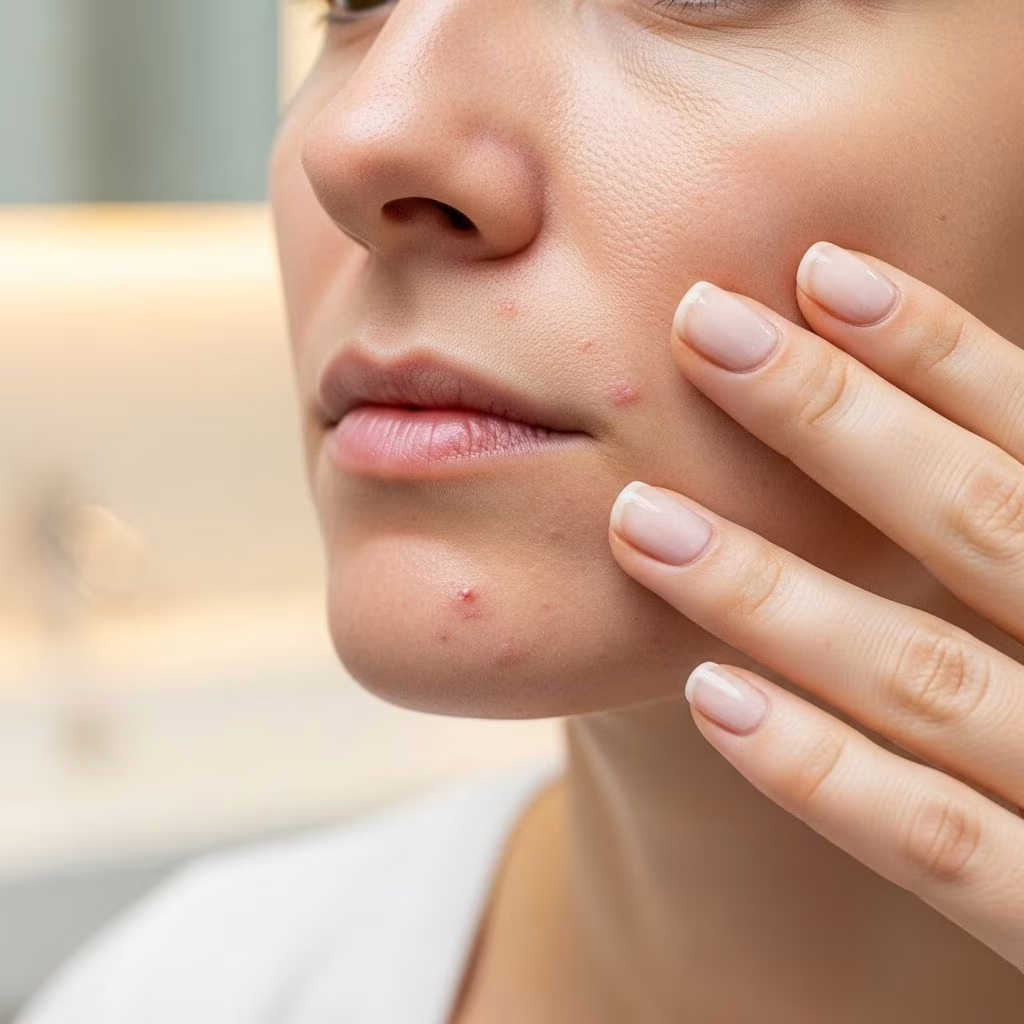
Adapalene Purge Survival Guide: Stop Breakouts During Retinoid Use
Starting adapalene, a potent topical retinoid widely used to treat acne, is a major step toward clearer, healthier skin. However, many users experience an initial increase in breakouts—a process often called the “adapalene purge”—which can be frustrating and confusing. This guide offers an in-depth look at the science behind purging, how to distinguish it from ordinary breakouts, and the best strategies to minimize discomfort and accelerate your progress toward clear skin.
Understanding the Adapalene Purge
Purging describes the process where acne temporarily worsens before improvement when starting certain skin care products, particularly retinoids like adapalene. Unlike random breakouts, purging is a sign the medication is accelerating cell turnover and bringing pre-existing clogged pores rapidly to the surface for clearance.
This initial flare does not mean the product is ineffective or harming your skin. Instead, it reflects adapalene’s deep action in unblocking pores and reducing inflammatory acne at its source. Sticking through the purge is essential for success.
Purging vs Breakouts: How to Tell the Difference
| Feature | Purging | Breakouts |
|---|---|---|
| Cause | Pre-existing blockages surfacing due to increased cell turnover | New clogged pores or external triggers (stress, hormones, incorrect products) |
| Timing | Begins shortly after starting retinoid; lasts up to 4–8 weeks | Can occur anytime, often ongoing without pattern |
| Location | Areas where you typically breakout | May appear in new areas |
| Appearance | Small pustules, redness, sometimes flaking or peeling skin | Cysts, inflammatory nodules, random pimples |
True purging resolves once your skin adapts to the retinoid; persistent or worsening breakouts may signal irritation, improper use, or another type of acne requiring different treatment.
How Adapalene Works in Skin Renewal
Adapalene is a third-generation topical retinoid prescribed under brand names such as Differin and Plixda. By binding to specific retinoic acid receptors, adapalene:
- Regulates the growth of keratinocytes (skin cells) to prevent clogged pores
- Enhances exfoliation and cell turnover, removing dead cells and promoting healthier skin texture
- Offers anti-inflammatory effects to calm redness and swelling
- Improves post-inflammatory hyperpigmentation and photoaging
Adapalene is effective against comedones (blackheads and whiteheads), inflammatory acne, and helps prevent recurrence with ongoing use.
Typical Timeline of the Adapalene Purge
- Week 1–2: Skin starts adapting; increased breakouts, redness, and mild irritation often appear.
- Week 3–4: Purging reaches its peak, with visible peeling, dryness, and inflamed pimples common.
- Week 4–8: New breakouts start to decrease, inflammation calms; overall skin texture may improve.
- Week 8–12: Significant reduction in active acne with smoother skin and fading dark spots.
Purging typically lasts between 4–8 weeks. If symptoms persist beyond 12 weeks, consult a dermatologist for reassessment.
Common Side Effects of Adapalene
- Dryness and Flaking: A natural result of accelerated cell turnover; can be managed with gentle moisturizers.
- Redness and Irritation: Often most intense in the first month; gradually fades.
- Burning or Stinging: Occasional, generally mild; persistent sensation merits medical advice.
- Increased Sensitivity to Sun: Retinoids can make skin more vulnerable to UV damage; strict sun protection is advised.
Proper skincare and product application minimizes side effects, allowing you to maintain adapalene consistently and benefit from its effects.
Survival Strategies During the Purge
- Stick to a Consistent Routine: Apply adapalene as directed, usually once daily in the evening; skip if severe irritation occurs but avoid discontinuing unnecessarily.
- Use Gentle Cleansers: Avoid harsh scrubs, foaming cleansers, or alcohol-based products; opt for non-comedogenic, fragrance-free formulas.
- Moisturize Appropriately: Hydrating, non-greasy moisturizers soothe dryness and build resilience; consider layering with a barrier cream if tolerance issues arise.
- Protect from Sun: Use broad-spectrum SPF 30 or higher every morning and reapply as needed; adapalene can make skin photosensitive.
- Limit Other Actives: Avoid exfoliating acids (AHA/BHA), benzoyl peroxide (unless prescribed together), and potent actives until skin adapts.
- Spot-Treat Wisely: Only use spot-treatment on persistent, painful pimples if necessary, under professional guidance.
- Patience Is Key: Understand that success is gradual; the purging phase is temporary and leads to improved results.
Preventing and Minimizing Purge Breakouts
While purging is often unavoidable, certain measures can help lessen severity:
- Start Slowly: Introduce adapalene 2–3 times weekly before building to daily use, allowing the skin more time to adjust.
- Hydrate Aggressively: Apply moisturizers before/after adapalene (the “moisturizer sandwich” technique) to reduce irritation and dryness.
- Avoid Picking or Scratching: Tempting as it may be, this disrupts healing and increases the risk of scarring or hyperpigmentation.
- Simplify Your Regimen: Pare down to the basics (cleanser, retinoid, moisturizer, SPF) during the adaptation period.
- Monitor and Adapt: If purging is severe or lasts beyond 12 weeks, or new types of breakouts arise, seek guidance from a dermatologist.
Long-Term Benefits of Adapalene
- Clearer Skin: Reduces ongoing breakouts and risk of acne recurrence with maintenance use.
- Improved Texture & Tone: Smoother, brighter skin surface; reduced post-acne dark spots and scarring.
- Anti-Aging Effects: Increased collagen synthesis tackles fine lines, wrinkles, and sun damage.
- Enhanced Resilience: Skin recovers more quickly from inflammation, helping maintain an even and healthy appearance.
Research shows adapalene’s stability in sunlight and suitability for long-term use make it a preferred choice among retinoids for chronic acne or photoaging.
Frequently Asked Questions (FAQs)
Q: How long does the adapalene purge last?
A: Most people experience purging over 4–8 weeks, peaking early and subsiding with continued use. Skin improvement typically follows in 2–3 months.
Q: What should I do if my breakouts worsen?
A: If breakouts persist beyond 12 weeks, worsen, or appear in new locations, review your skin care routine for potential irritants and consult with a dermatologist.
Q: Can I use other acne treatments while on adapalene?
A: Some doctors combine adapalene with benzoyl peroxide; however, avoid layering multiple actives until skin adjusts, and only add products as directed by a professional.
Q: Is adapalene suitable for sensitive or dark skin?
A: Yes, adapalene can be safely used across skin types and tones. However, monitor for post-inflammatory hyperpigmentation and adapt routine as needed to prevent irritation and scarring.
Q: Will adapalene help with acne scars?
A: Adapalene accelerates cell turnover and may fade acne marks, but deep scars may require additional treatment (like chemical peels or microneedling).
Takeaway: Mastering the Adapalene Purge
Though the adapalene purge brings temporary challenges, following these survival strategies sets a strong foundation for lasting skin improvements. Maintain consistent use, adjust your routine for gentle care, and remain patient—clearer, healthier skin is within reach.
- Expect an initial worsening; don’t quit early.
- Identify purging vs persistent breakouts and seek professional help for unresolved or worsening symptoms.
- Hydrate, protect, and support your skin as it transforms.
- Trust the process—adapalene’s benefits emerge over time.
References
- https://www.theindependentpharmacy.co.uk/acne/guides/differin-purge
- https://curistrelief.com/blogs/curist/adapalene-for-acne-treatment
- https://miiskin.com/acne/skin-purging/
- https://plushcare.com/blog/adapalene-gel
- https://www.dermatica.co.uk/skinlab/adapalene-before-and-after/
- https://www.medicalnewstoday.com/articles/skin-purging-vs-breakout
- https://smoodbeauty.com/blogs/smood-blog/purging-vs-breakouts-the-skincare-might-not-be-right-for-you
- https://www.webmd.com/beauty/skin-purging-causes-signs-and-treatment


