


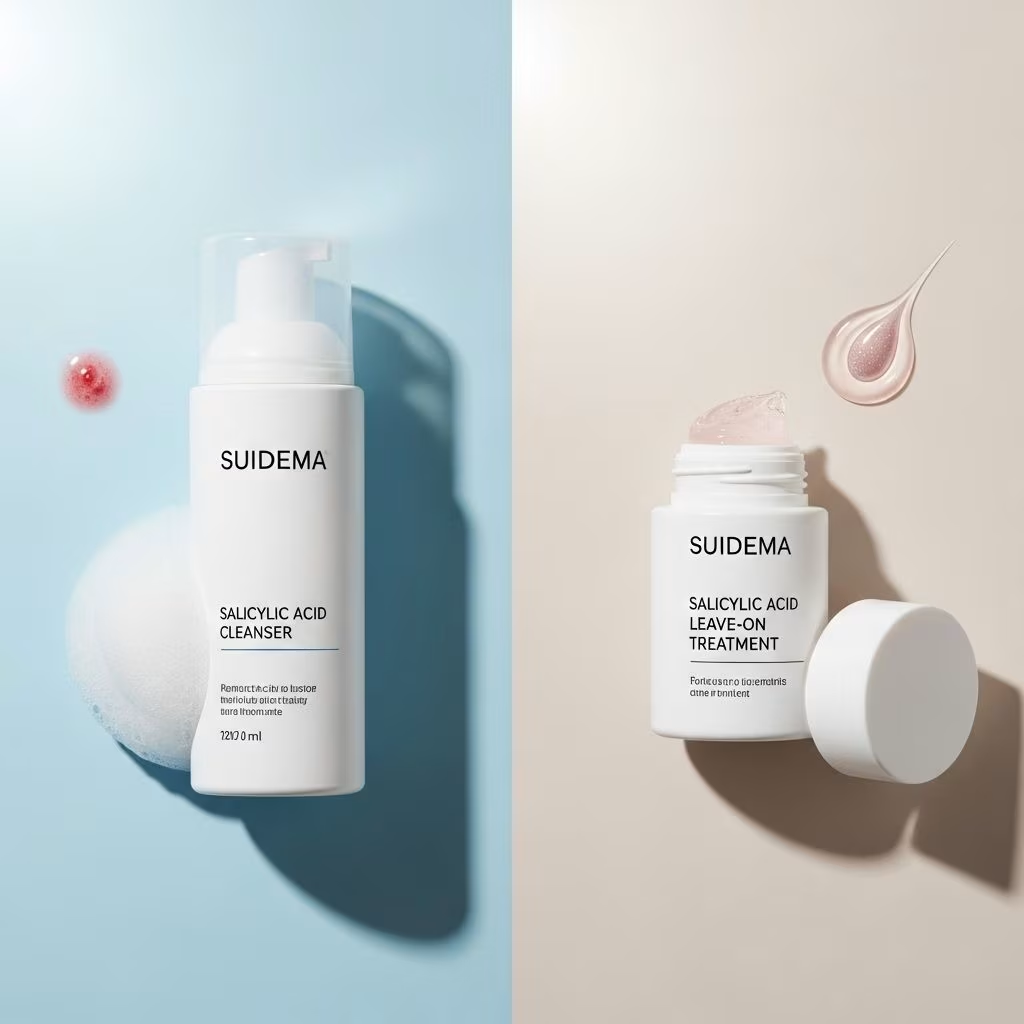
Acne is a universal skin concern affecting millions across all age groups. Amid the myriad of treatments, salicylic acid stands out as a gold-standard ingredient due to its exfoliating powers and pore-clearing abilities. When it comes to using salicylic acid, two major product types dominate the skincare market—cleansers (rinse-off) and leave-on treatments (such as serums, gels, or creams). But which is most effective for acne? Should you use one, the other, or a combination? This guide provides an in-depth comparison, evidence-based insights, and practical applications for both approaches to help you make informed choices for acne care.
Understanding Salicylic Acid
Salicylic acid is a beta-hydroxy acid (BHA) renowned for its ability to combat acne. As an oil-soluble acid, it penetrates deep into pores to dissolve blockages and exfoliate dead skin cells, making it uniquely effective for treating acne, especially blackheads and whiteheads.
- Acts as a keratolytic: gently loosens and removes the top layer of dead skin.
- Decongests pores: breaks down sebum and debris that can cause acne.
- Reduces inflammation: calms redness and swelling associated with breakouts.
- Has antimicrobial properties: inhibits acne-causing bacteria to some extent.
Mechanism of Action & Key Benefits
The dual action of salicylic acid—exfoliation and oil control—makes it a popular ingredient in both prescription and over-the-counter acne products. Its ability to penetrate oily or congested skin distinguishes it from water-soluble acids like AHAs (glycolic, lactic acid).
- Removes excess oil: dissolves sebum within pores.
- Refines skin texture: promotes smoother, clearer skin over time.
- Prevents new breakouts: keeps pores clear with continued use.
Salicylic Acid Cleansers: Approach & Efficacy
Salicylic acid cleansers (or face washes) are one of the most accessible forms of BHA in the skincare market. They are designed to be massaged onto damp skin and then rinsed off after 30 seconds to two minutes. Most cleansers contain 2% salicylic acid—the maximum allowed over the counter in many countries.
How They Work
During cleansing, salicylic acid comes into contact with the skin, removing debris, excess oil, makeup, and dead skin cells from the surface and inside pores. Despite being a wash-off product, research demonstrates noticeable benefits:
- Daily use of 2% salicylic acid cleanser significantly reduces acne lesions without causing major dryness or irritation.
- Clinical studies show it outperforms 10% benzoyl peroxide cleansers in certain scenarios for mild to moderate acne.
- “Gentle exfoliation”: suitable for daily use in many skin types, especially oily and combination skin.
- Some cleansers, like CeraVe’s Acne Control Cleanser, combine salicylic acid with niacinamide, ceramides, and purifying clay for additional skin barrier support and oil absorption.
Key Benefits
- Unclogs and minimizes pores for brighter, more even skin.
- Removes surface oil and environmental pollutants.
- Presents a lower risk of irritation compared to stronger leave-on formulations for those with sensitive skin.
- Easy to integrate into basic daily routines (morning and/or night).
Limitations
- Short contact time may provide less intensive exfoliation than leave-on products for stubborn or severe acne.
- Effect may be less pronounced on cystic or nodular acne compared to lighter forms (blackheads, whiteheads).
Salicylic Acid Leave-On Treatments: Features & Impact
Leave-on salicylic acid products are designed to stay on the skin for extended periods, maximizing the ingredient’s time to work. These include serums, gels, creams, and medicated pads. Common concentrations for consumer products are 0.5% to 2%.
How They Work
- Provide sustained contact with pores, allowing deeper exfoliation and longer-term sebum regulation.
- Promote cell turnover and often target persistent blemishes or comedones.
- Many formulas include soothing agents (e.g., niacinamide, ceramides) to balance potential dryness or irritation.
Key Benefits
- Effective for moderate to stubborn acne, persistent clogged pores, and post-acne marks.
- Can visibly refine skin texture, reduce oiliness, and fade stubborn blackheads with regular use.
- Allows layering with other active ingredients and targeted application (such as spot treating).
- Best suited to users seeking pronounced results and comfortable with multi-step routines.
Limitations
- May cause dryness, flaking, or irritation, especially if overused or paired with other exfoliants (retinoids, benzoyl peroxide).
- Not always well-tolerated by sensitive or highly reactive skin types.
- Requires diligent moisturizing and sun protection to prevent barrier disruption and sun sensitivity.
Salicylic Acid Cleanser vs. Leave-On: Head-to-Head Comparison
| Feature | Salicylic Acid Cleanser | Salicylic Acid Leave-On |
|---|---|---|
| Contact Time | 30 sec–2 min (rinse-off) | Several hours (overnight usually) |
| Strength | Generally less intensive, milder exfoliation | Deeper, more intensive exfoliation |
| Best For | Mild to moderate acne, oil control, maintenance | Persistent acne, stubborn blackheads, uneven texture |
| Risk of Irritation | Lower (better for sensitive skin) | Higher, especially with overuse or combination with other actives |
| Convenience | Easy, as part of existing cleansing routine | Takes extra step, may require additional layering |
Skin Types, Acne Types & Product Recommendations
Best Use Cases by Skin Type
- Oily and Combination Skin: Benefit from both cleansers and leave-ons; cleansers for daily maintenance, leave-ons for intensive treatment.
- Dry or Sensitive Skin: Cleansers may be a gentler introduction; leave-ons can be used sparingly or with dermatologist guidance to avoid barrier disruption.
- Normal Skin: Either can be used, tailored to acne severity and personal routine preferences.
Best Use Cases by Acne Type
- Blackheads & Whiteheads (Comedonal Acne): Both options effective; leave-ons yield greater exfoliation for stubborn comedones.
- Inflammatory Acne (Red Bumps, Pimples): Leave-on formulations offer deeper anti-inflammatory and exfoliating benefits, especially at consistent, dermatologist-approved concentrations.
- Cystic or Nodular Acne: Generally requires a comprehensive regimen, with salicylic acid as a supporting agent rather than sole treatment.
Popular Example Products
- Cleansers: CeraVe Acne Control Cleanser (2% SA), Neutrogena Oil-Free Acne Wash (2% SA)
- Leave-On: Paula’s Choice Skin Perfecting 2% BHA Liquid, The Ordinary Salicylic Acid 2% Solution
Combining Salicylic Acid Cleanser and Leave-On Treatments: Is It Safe?
Combining both a cleanser and a leave-on BHA can be effective for some, but it requires careful attention to avoid over-exfoliation and irritation:
- For Oily/Resistant Skin: Can safely use a salicylic acid cleanser in the morning and a leave-on at night, provided both are at or below 2% strength.
- For Sensitive/Dry Skin: One salicylic acid product (either cleanser or leave-on) is usually sufficient. Always perform a patch test when introducing any new exfoliant.
Monitor for signs of redness, peeling, tightness, or stinging. If any of these occur, reduce usage frequency or concentrate on only one type of product per routine. Companion products such as moisturizers with ceramides can help buffer risk of dryness and support barrier repair.
Side Effects and Precautions
- Dryness & Irritation: More common with leave-on products, especially at higher concentrations or with sensitive skin.
- Sun Sensitivity: All exfoliants increase susceptibility to sunburn. Consistent SPF use is critical.
- Interactions: Avoid layering with strong actives (retinoids, benzoyl peroxide) at the same time without medical guidance.
- Allergic Reactions: Rare, but monitor for excessive swelling, hives, or systemic symptoms; discontinue if these arise.
Those with very dry, eczema-prone, or highly sensitive skin or who are on prescription acne regimens should consult a dermatologist before introducing BHA-based products into their routine.
Frequently Asked Questions (FAQs)
Q: Can I use a salicylic acid cleanser and leave-on serum together?
A: Yes, they can be used together in routines for oily or resistant skin, with the cleanser applied AM and leave-on at night (maximum 2% concentration in each). Always monitor for irritation and reduce frequency if sensitivity occurs.
Q: Which is better for new acne breakouts—cleanser or leave-on?
A: For ongoing or stubborn acne, leave-on treatments provide more prolonged exfoliation and oil control, which can be more effective for breaking the cycle of recurring breakouts. Cleansers are excellent for prevention and maintenance in mild cases.
Q: Is salicylic acid safe for sensitive skin?
A: Cleansers are generally safer for sensitive skin since they are rinsed off quickly. Leave-on products require caution and should be introduced slowly, ideally starting with lower concentrations.
Q: Should teenagers use salicylic acid cleanser or leave-on for acne?
A: Teens with mild to moderate acne typically benefit from gentle salicylic acid cleansers as a first step. If needed, they can add a leave-on product with dermatologist guidance for extra support.
Q: When should I see a dermatologist?
A: If over-the-counter salicylic acid products (cleanser or leave-on) do not improve acne after 2-3 months, or if you have severe, cystic, or scarring acne, seek dermatologic care for stronger prescription options and tailored advice.
Conclusion: Choosing the Optimal Approach
Both salicylic acid cleansers and leave-on treatments offer clear benefits for acne-prone skin, but the best choice depends on your individual skin type, acne severity, lifestyle, and tolerance. Cleansers are a mild, maintenance-focused introduction suitable for most, while leave-on treatments provide greater potency for persistent or moderate acne. Combining them can be effective when managed with care and proper barrier support. For optimal outcomes, introduce new products slowly, use non-stripping cleansers and moisturizers, and always apply sunscreen daily. Consult with a dermatologist for advice tailored to your unique needs and acne profile.
References
- https://www.cerave.com/skincare/cleansers/acne-salicylic-acid-cleanser
- https://beminimalist.co/blogs/skin-care/salicylic-acid-in-face-washes-for-oily-or-acne-prone-skin
- https://www.webmd.com/skin-problems-and-treatments/acne/cleansers
- https://www.healthline.com/health/beauty-skin-care/salicylic-acid-vs-benzoyl-peroxide
- https://www.mayoclinic.org/diseases-conditions/acne/in-depth/acne-treatments/art-20045814
- https://www.rexburgskincare.com/the-ultimate-guide-to-acne-cleansers-which-one-is-right-for-you
- https://seoulceuticals.com/blogs/news/how-to-use-salicylic-acid-correctly-an-easy-cheat-sheet
- https://www.beautypie.com/us/blog/how-to-use-salicylic-acid
- https://www.cerave.com/skin-smarts/skincare-tips-advice/understanding-and-treating-different-types-of-acne


