


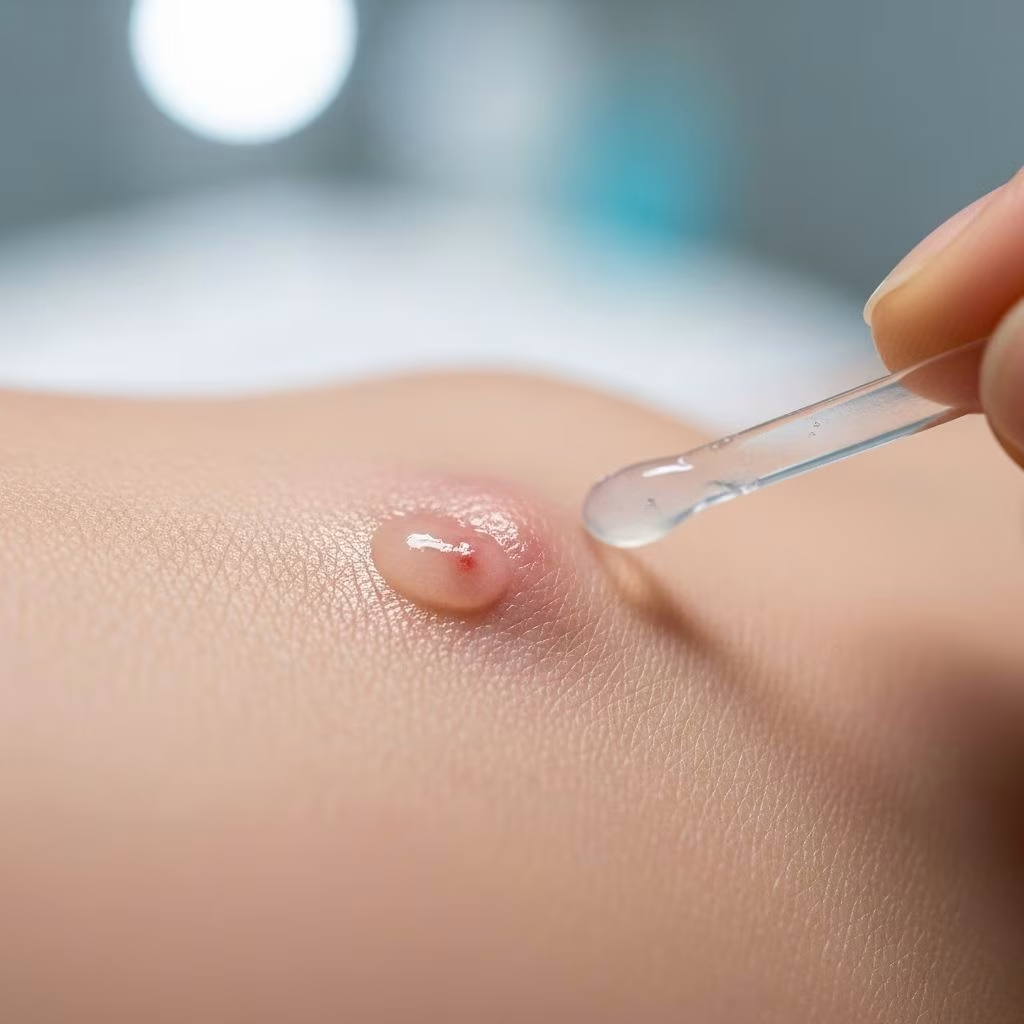
Cystic acne is a severe, deeply rooted form of acne that poses unique challenges. Unlike typical breakouts, cystic acne is painful, persistent, and prone to scarring, requiring a nuanced approach to spot treatment. In this guide, you’ll find a comprehensive exploration of the best evidence-based spot treatments for cystic acne, expert perspectives on their effectiveness, and advice on integrating these treatments into a long-term skincare strategy.
Understanding Cystic Acne
Cystic acne is a particularly severe form of acne characterized by large, red, painful bumps that form deep under the skin’s surface. Unlike more superficial pimples, cysts can persist for weeks or months and frequently result in scarring if not managed properly. These lesions are the result of pore blockage, inflammation, and bacterial invasion, often exacerbated by hormonal fluctuations, genetics, and external irritants.
- Symptoms include pain, swelling, redness, and nodules that are tender to the touch and slow to heal.
- Most commonly appears on the face, jawline, neck, shoulders, and back, but can affect any area with pores.
Why Standard Acne Treatments Fail on Cystic Acne
Cystic acne extends deeper into the skin than ordinary pimples, making regular over-the-counter (OTC) spot treatments like benzoyl peroxide or salicylic acid less effective. While these ingredients are staples in most acne routines, cysts typically require a different approach due to their depth and immune system involvement.
According to dermatology experts, spot treating cystic acne should involve a combination of targeted, potent ingredients, and sometimes professional interventions that go beyond what standard acne regimens offer.
Overview of Spot Treatments
Spot treatments for cystic acne refer to products or procedures applied directly to the cyst to reduce inflammation, kill bacteria, and speed up healing. These may involve topical applications, oral medications, or in-office procedures. The efficacy of each depends on the cyst’s severity and individual skin factors.
| Spot Treatment Type | Typical Ingredients/Methods | Best For |
|---|---|---|
| Topical Treatments | Benzoyl peroxide, salicylic acid, topical retinoids, antibiotics | Mild to moderate cysts near skin’s surface |
| Oral Medications | Antibiotics, hormonal therapy (e.g., spironolactone), isotretinoin | Repeated, widespread, or severe cysts |
| At-Home Remedies | Ice packs, warm compresses, gentle cleansing | Temporary relief, early intervention |
| In-Office Procedures | Cortisone injections, drainage/extraction | Large, painful, or unresponsive cysts |
Topical Spot Treatments
Topical treatments are frequently the first line of defense for individual cystic acne lesions close to the skin surface. They offer targeted action with minimal systemic side effects. However, their efficacy is limited for deeply rooted cysts, and less effective for more severe or persistent flare-ups.
1. Benzoyl Peroxide
- Mechanism: Kills acne-causing bacteria (Cutibacterium acnes), reduces inflammation, helps unclog pores.
- Usage: Best for early-stage or superficial lesions; available in gels, creams, and cleansers.
- Considerations: May cause dryness, peeling, or irritation in sensitive skin. Can bleach fabrics.
2. Salicylic Acid
- Mechanism: Beta-hydroxy acid (BHA) that penetrates pores, exfoliates from within, dissolves dead skin and sebum plugs.
- Forms: Leave-on spot gels, overnight treatments, and medicated cleansers (0.5%–2% concentration).
- Best for: Preventing pore blockages and treating inflamed pimples rather than deep cysts.
3. Topical Retinoids
- Examples: Retinol, adapalene, tretinoin. Prescription strengths are often required for cystic lesions.
- Mechanism: Promotes rapid skin cell turnover, reduces clogged pores, diminishes inflammation.
- Combination: Can be combined with topical antibiotics or benzoyl peroxide for enhanced efficacy.
4. Topical Antibiotics
- Mechanism: Reduces acne-causing bacteria, minimizes inflammation.
- Typical agents: Clindamycin or erythromycin, sometimes in combination with benzoyl peroxide.
- Usage: Generally prescribed by dermatologists for persistent infection-driven cysts.
5. New and Emerging Actives
- Phytosteroids: Plant-based ingredients mimicking corticosteroid action for at-home anti-inflammatory effect.
- Azelaic Acid: An option for sensitive skin, reduces redness and is gentler than many conventional actives.
6. Limitations of Topical Spot Treatments
- Some cysts lie too deep to be reached by topical agents alone.
- Pimple patches and hydrocolloid dressings are generally ineffective for cystic lesions, as the active process occurs beneath the skin’s surface.
Oral and Prescription Spot Therapies
For severe, recurrent, or unresponsive cystic acne, dermatologists often recommend oral or prescription-grade treatments. These therapies address the deeper roots of inflammation, hormonal triggers, and bacterial overgrowth.
1. Oral Antibiotics
- Reduce inflammation and suppress bacterial activity throughout the body.
- Common agents include doxycycline, minocycline, and tetracycline.
- Used short-term to prevent antibiotic resistance.
2. Hormonal Therapy
- Spironolactone: A diuretic that also blocks androgen hormones, reducing sebum production and flare-ups—especially effective for hormonally driven cystic acne in women.
- Oral Contraceptives: Certain birth control pills regulate hormone levels and may reduce cystic outbreaks in some women.
3. Oral Isotretinoin (Accutane)
- Powerful systemic retinoid that can permanently reduce severe cystic acne through a multi-month course.
- Targets all major mechanisms: reduces oil production, normalizes skin shedding, curbs bacteria, and calms inflammation.
- Risks: Teratogenic (must not be used during pregnancy), may cause dry skin, mood changes, and requires close medical monitoring.
Home Remedies and At-Home Care
While not a replacement for medical therapy, several at-home tactics may reduce pain and swelling or support the action of prescribed treatments. Use these carefully to avoid aggravating the skin:
1. Ice Application
- Effect: Reduces swelling and numbs the pain of cystic lesions.
- How-to: Wrap an ice cube in a clean cloth and apply to the cyst for up to 5 minutes several times daily.
2. Warm Compress
- Effect: Promotes drainage, especially after a whitehead has formed over the cyst.
- How-to: Soak a cloth in hot (not scalding) water and press gently onto the cyst for 10–15 minutes, up to 4 times daily.
3. Gentle Cleansing and Moisturizing
- Use a non-abrasive, alcohol-free cleanser twice daily to keep pores clear and reduce infection risk.
- Apply an oil-free, non-comedogenic moisturizer to support the skin barrier.
4. What NOT to Do
- Avoid picking, squeezing, or attempting to pop cysts, which can drive infection deeper and worsen scarring.
- Do not use harsh scrubs or alcohol-based toners, as these increase irritation.
In-Office Dermatologic Spot Treatments
When cystic acne does not respond to at-home or topical treatments, in-office dermatology procedures provide rapid, potent relief. These interventions are most appropriate for large, painful, or stubborn cysts, or when urgent cosmetic improvement is desired.
1. Cortisone (Steroid) Injections
- Injects a small amount of corticosteroid directly into the cyst, rapidly reducing swelling, pain, and redness within 24–72 hours.
- Reserved for isolated, severe lesions—not for routine or repeated use on every cyst.
2. Incision and Drainage
- A minor surgical procedure in which the dermatologist opens the cyst and drains pus or debris.
- Not performed at home due to infection and scarring risk.
3. Light and Laser Therapies
- Occasionally used as adjunctive treatments for persistent cystic acne, especially when scarring is a concern.
Safety Tips and Common Mistakes in Spot Treating Cystic Acne
- Follow your dermatologist’s instructions and use prescription products precisely as directed.
- Be patient—cystic lesions often take days or weeks to fully resolve, even with optimal treatment.
- Always use sunscreen; many acne therapies increase sun sensitivity.
- If you experience severe irritation, allergic reactions, or no improvement after several weeks, seek professional evaluation.
Prevention and Long-Term Management
- Adopt a gentle skincare routine tailored for acne-prone skin—avoid heavy oils and comedogenic ingredients.
- Minimize triggers such as stress, certain foods, or cosmetic irritants as identified through personal observation.
- Consider regular, dermatologist-guided maintenance treatments for chronic cases.
- Prompt intervention at the first sign of a cyst can reduce severity and risk for scarring.
Frequently Asked Questions About Cystic Acne Spot Treatments
Q: Can I use over-the-counter spot treatments on cystic acne?
A: OTC spot treatments containing benzoyl peroxide or salicylic acid may help lessen mild cysts but are generally less effective for deeper lesions. Prescription and professional therapies are often needed for meaningful improvement.
Q: Are pimple patches effective for cystic acne?
A: No, hydrocolloid pimple patches do not treat the source of cystic lesions, which occur far beneath the surface.
Q: Is it OK to pop a cystic pimple?
A: Never attempt to pop or squeeze a cystic lesion—this increases infection risk, drives inflammation deeper, and significantly raises the chance of scarring.
Q: How long does a cystic spot treatment take to work?
A: Most spot treatments show improvement within 2–7 days; however, complete healing may take several weeks depending on severity.
Q: Should I see a dermatologist for every cyst?
A: While occasional, single cysts can often be managed at home, recurrent, large, or very painful lesions warrant dermatologic evaluation for optimal care and to prevent complications such as scarring.
Q: Is isotretinoin (Accutane) a spot treatment?
A: Isotretinoin is a systemic, course-based prescription for severe acne, not a targeted spot treatment, but it is the most effective option for chronic cystic outbreaks.
References
This article synthesizes information from established medical sources and dermatology guidelines for accuracy and completeness. Please consult your healthcare provider for individualized advice.
References
- https://www.medicalnewstoday.com/articles/how-to-shrink-a-cystic-pimple
- https://www.dwoseth.com/blog/a-dermatologist-role-in-cystic-acne-treatment/
- https://wellconnected.murad.com/what-is-cystic-acne/
- https://my.clevelandclinic.org/health/diseases/21737-cystic-acne
- https://onlinelibrary.wiley.com/doi/full/10.1002/med4.43
- https://www.ama-assn.org/public-health/prevention-wellness/what-doctors-wish-patients-knew-about-acne-treatment
- https://pmc.ncbi.nlm.nih.gov/articles/PMC11266290/
- https://www.mayoclinic.org/diseases-conditions/acne/in-depth/acne-treatments/art-20045814


