


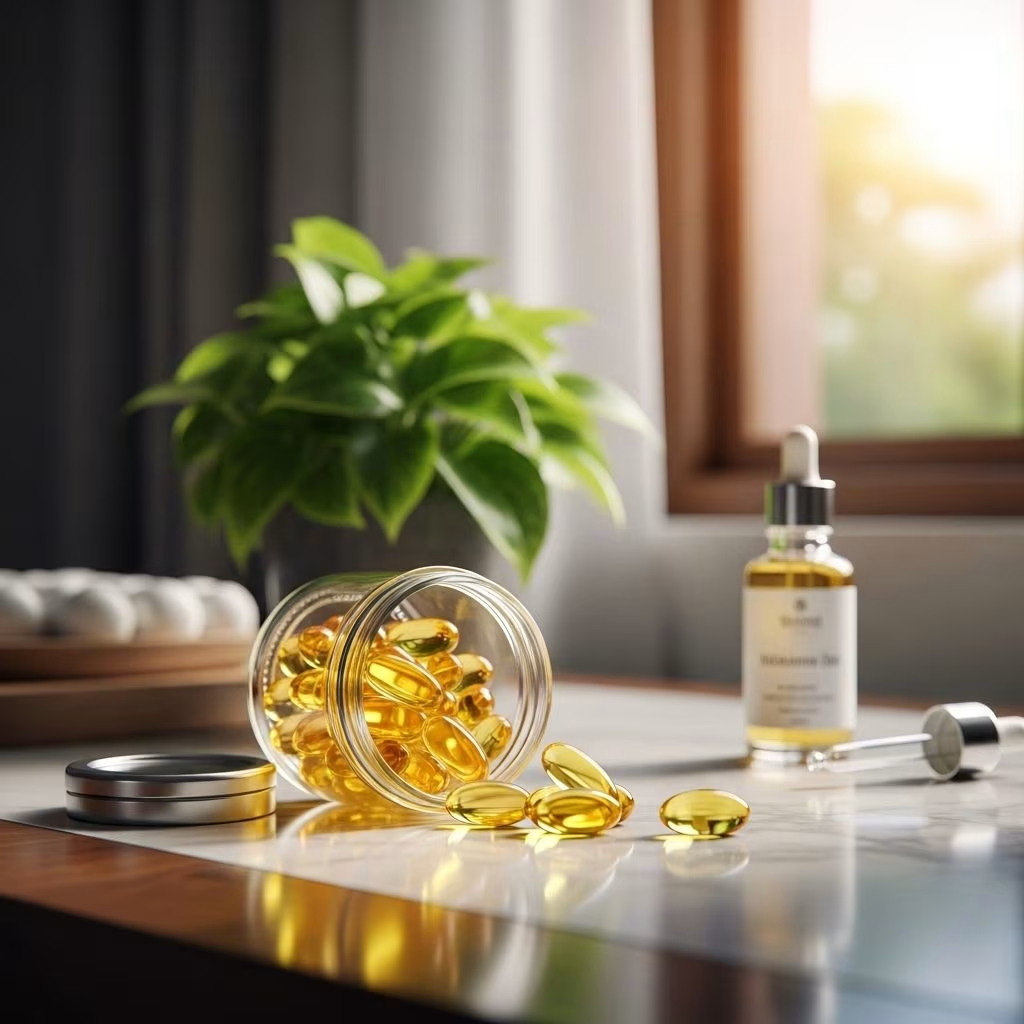
Vitamin D is emerging as one of the most essential nutrients for maintaining healthy skin, particularly for those leading predominantly indoor lifestyles. With natural sunlight being a major source of vitamin D, today’s indoor-centric routines often result in suboptimal vitamin D levels, impacting not only bone health but also the appearance, aging, and resilience of the skin. This article explores the critical role of vitamin D in skin health, mechanisms of action, scientific evidence, deficiency risks indoors, how to supplement effectively, and answers to commonly asked questions about vitamin D supplementation for skin health.
Vitamin D and the Skin: An Overview
Vitamin D, historically recognized for its pivotal role in bone health and calcium metabolism, is also fundamental for maintaining optimal skin health. The skin is not only the principal site for vitamin D synthesis but also a key organ where vitamin D exerts several regulatory functions. When ultraviolet B (UVB) rays strike the skin, they convert 7-dehydrocholesterol into previtamin D3, which is subsequently transformed into active forms utilized throughout the body, including within the skin itself.
- Source and Target: The skin both produces vitamin D and responds to its active forms, making vitamin D uniquely linked to skin function.
- Vitamin D Receptors (VDR): Skin cells, including keratinocytes and melanocytes, express vitamin D receptors and respond to 1,25-dihydroxyvitamin D (the most active vitamin D metabolite).
The Modern Indoor Dilemma
Due to increased time spent indoors, use of sun protection, and contemporary office-based lifestyles, many people have reduced natural vitamin D synthesis, necessitating alternative means of maintaining adequate levels for skin and overall health.
How Vitamin D Supports Skin Health
Vitamin D plays multi-layered roles in supporting the structural, functional, and immunological integrity of the skin. These actions are both preventive and therapeutic, affecting skin aging, wound healing, photoprotection, pigmentation, and immune responses.
Key Mechanisms and Benefits
- Photoprotection: Vitamin D metabolites have photoprotective properties, reducing DNA damage, inflammation, and cell death after UV exposure. Preclinical studies suggest that vitamin D can decrease erythema (redness) and increase cell survival in skin exposed to radiation.
- Antioxidant Activity: Active vitamin D promotes expression of antioxidant proteins, limiting free radical damage and oxidative stress processes associated with skin aging.
- Regulation of Skin Cell Growth: Vitamin D and calcium regulate differentiation and proliferation of skin cells (keratinocytes). They are essential for forming the skin’s barrier and overall tissue integrity.
- Immunomodulation & Anti-Inflammatory Effects: Vitamin D modulates immune responses in the skin, helping suppress overactive inflammation and supporting innate defense mechanisms.
- Wound Healing: Vitamin D stimulates the production of cathelicidin, an antimicrobial peptide that promotes tissue repair, angiogenesis (new blood vessel formation), and re-epithelialization following skin injury or surgical procedures.
- Pigmentation & Disorders: Vitamin D influences melanocyte activity and protects against pigmentary disorders, such as vitiligo, by modulating the immune response and reducing melanocyte destruction.
- Prevention of Skin Aging: Active vitamin D helps counteract external stressors, promotes DNA repair, and inhibits skin aging and carcinogenesis through multiple intracellular pathways, including VDR and nongenomic effects.
| Skin Function | Role of Vitamin D | Evidence |
|---|---|---|
| Photoprotection | Reduces DNA damage, cell death, erythema from UV | Cell/mouse studies, some human data |
| Wound Healing | Stimulates antimicrobial peptides, supports tissue repair | Laboratory & clinical data |
| Pigmentation | Protects melanocytes, modulates immune attack in vitiligo | Review studies |
| Skin Aging | Anti-inflammatory, antioxidant, DNA repair | Mechanistic, animal and limited clinical studies |
Risks of Indoor Living for Vitamin D Status
Individuals—such as office workers, students, gamers, older adults, and others whose routines are primarily indoors—have significantly increased risk for vitamin D deficiency. Indoor lifestyles limit UVB exposure, the primary driver of cutaneous vitamin D synthesis.
- Window Glass Blocks UVB: Glass stops UVB rays from penetrating, meaning sunlight through windows does not stimulate vitamin D synthesis.
- Sunscreen and Clothing: Protective measures reduce vitamin D production, which—while essential for cancer prevention—needs to be balanced with supplementation.
- Geographic and Seasonal Factors: Those in higher latitudes or cloudy climates, or during winter months, synthesize less vitamin D.
Vitamin D Deficiency and Skin Problems
Deficiency in vitamin D can influence several dermatological conditions and overall skin appearance.
- Impaired Barrier Function: Low vitamin D is linked to delayed wound healing and weakened epidermal barriers, amplifying skin’s susceptibility to infections and irritation.
- Pigmentary Disorders: Evidence indicates a potential role for vitamin D deficiency in the development and persistence of conditions like vitiligo and post-inflammatory hyperpigmentation.
- Increased Skin Aging: Lower vitamin D status is associated with greater photoaging, fine lines, pigmentation changes, and possibly increased risk of certain skin cancers, though more research is warranted.
- Exacerbation of Autoimmune Skin Conditions: Conditions such as psoriasis and eczema may worsen with insufficient vitamin D, as its active metabolites help modulate inflammatory and immune responses in the skin.
Supplementation: Oral and Topical Strategies
Given the high prevalence of vitamin D insufficiency among the indoor population and recognizing the limitations of dietary intake alone, supplementation is a practical and effective strategy to maintain optimal skin health and resilience.
Oral Supplementation
- Forms: Typically available as vitamin D3 (cholecalciferol) and, less commonly, vitamin D2 (ergocalciferol).
- Benefits: Systemic support for skin as well as musculoskeletal and immune systems.
- Practicality: Especially beneficial for individuals with very limited sun exposure, darker skin, or older age (reduced skin synthesis efficacy).
Topical Supplementation
- Creams and Ointments: Topical preparations of active vitamin D analogs (like calcitriol) have demonstrated efficacy in treating psoriasis, certain pigmentary disorders, and possibly for wound healing.
- Cosmetic Formulations: Some anti-aging skin serums and creams contain vitamin D derivatives, though their effectiveness varies widely based on formulation and concentration.
- Adjunct Therapy: May be considered as an adjunct to oral supplementation, not a complete alternative, for general vitamin D deficiency.
Evidence and Expert Guidelines
Expert medical bodies and dermatological associations emphasize the importance of maintaining adequate vitamin D levels for overall and skin-specific health, but caution against excessive unsupervised supplementation.
- Linus Pauling Institute: Strong evidence for photoprotective and wound healing actions, while recognizing the need for further large-scale research on oral or topical vitamin D for wound repair.
- Recent Reviews: Highlight the mechanisms whereby vitamin D impacts skin differentiation, immune modulation, anti-aging, and pigmentation.
- Mayo Clinic & Harvard Health: Vitamin D primarily supports bone and calcium metabolism, but emerging data support secondary benefits for skin health.
Optimal Vitamin D Dosage for Skin Health
Recommended dosages for vitamin D supplementation to prevent deficiency in indoor populations typically range from 600–2000 IU per day for adults, though some individuals may require higher intakes based on body weight, age, and baseline levels.
| Population Group | Recommended Vitamin D Intake | Special Notes |
|---|---|---|
| Adults (19–70 years) | 600–800 IU daily | May require 1000–2000 IU if indoors most of the time |
| Older Adults (71+) | 800–1000 IU daily | Absorption and skin synthesis decline with age |
| Dark-Skinned Individuals | 800–2000 IU daily | Reduced UVB conversion, higher deficiency risk |
- Consult a healthcare provider before high-dose supplementation.
- Serum 25(OH)D levels between 30–50 ng/mL are generally considered optimal for health.
Considerations and Potential Side Effects
Vitamin D is fat-soluble, and excessive supplementation can result in toxicity, though rare. It is essential to supplement within recommended ranges and under medical guidance when taking higher doses.
- Potential Side Effects (when excessively dosed): Hypercalcemia, kidney stones, nausea, weakness.
- Monitoring: Individuals taking supplements long-term or at high doses should periodically monitor serum vitamin D levels.
Frequently Asked Questions (FAQs)
Q: Can vitamin D supplements replace sun exposure completely?
Supplements are effective at correcting deficiency and supporting skin and overall health, but sunlight also provides other photobiological benefits. For most people, supplements are the pragmatic alternative to sun for vitamin D.
Q: Will vitamin D supplementation improve my skin tone or glow?
Correcting a deficiency may enhance overall skin health, moisture, and barrier function. However, vitamin D supplementation alone is unlikely to produce dramatic cosmetic changes unless deficiency is present.
Q: Is topical or oral vitamin D better for skin conditions?
For generalized vitamin D status (including for indoor living), oral supplementation is preferred. Topical forms are recommended primarily for specific skin conditions, such as psoriasis or localized wounds, under professional guidance.
Q: Should I take vitamin D with other nutrients for better skin?
Combined supplementation with calcium is sometimes advised for bone health. Overall skin health also benefits from a balanced intake of antioxidants, omega-3s, and adequate hydration.
Q: How long until I see an improvement in my skin with vitamin D supplementation?
Visible benefits may take several weeks to months, particularly for chronic conditions. Ongoing supplementation is key to maintaining results and overall health.
Takeaways and Practical Advice
- If you spend most of your time indoors, monitor your vitamin D status and consider supplementation to support skin and overall health.
- Discuss your individual risk factors (skin type, age, lifestyle, geography) with a healthcare professional to tailor supplementation.
- Choose high-quality, tested vitamin D supplements in a dosage appropriate to your needs.
- Combine oral supplementation with a healthy diet and hydration for best skin outcomes.
- Do not use sun exposure as an excuse to avoid sun protection—supplement instead.
References
- https://lpi.oregonstate.edu/mic/health-disease/skin-health/vitamin-D
- https://pmc.ncbi.nlm.nih.gov/articles/PMC4642156/
- https://pmc.ncbi.nlm.nih.gov/articles/PMC8396468/
- https://www.mayoclinic.org/drugs-supplements-vitamin-d/art-20363792
- https://www.skincancer.org/blog/sun-protection-and-vitamin-d/
- https://www.health.harvard.edu/staying-healthy/vitamin-d-and-your-health-breaking-old-rules-raising-new-hopes


