


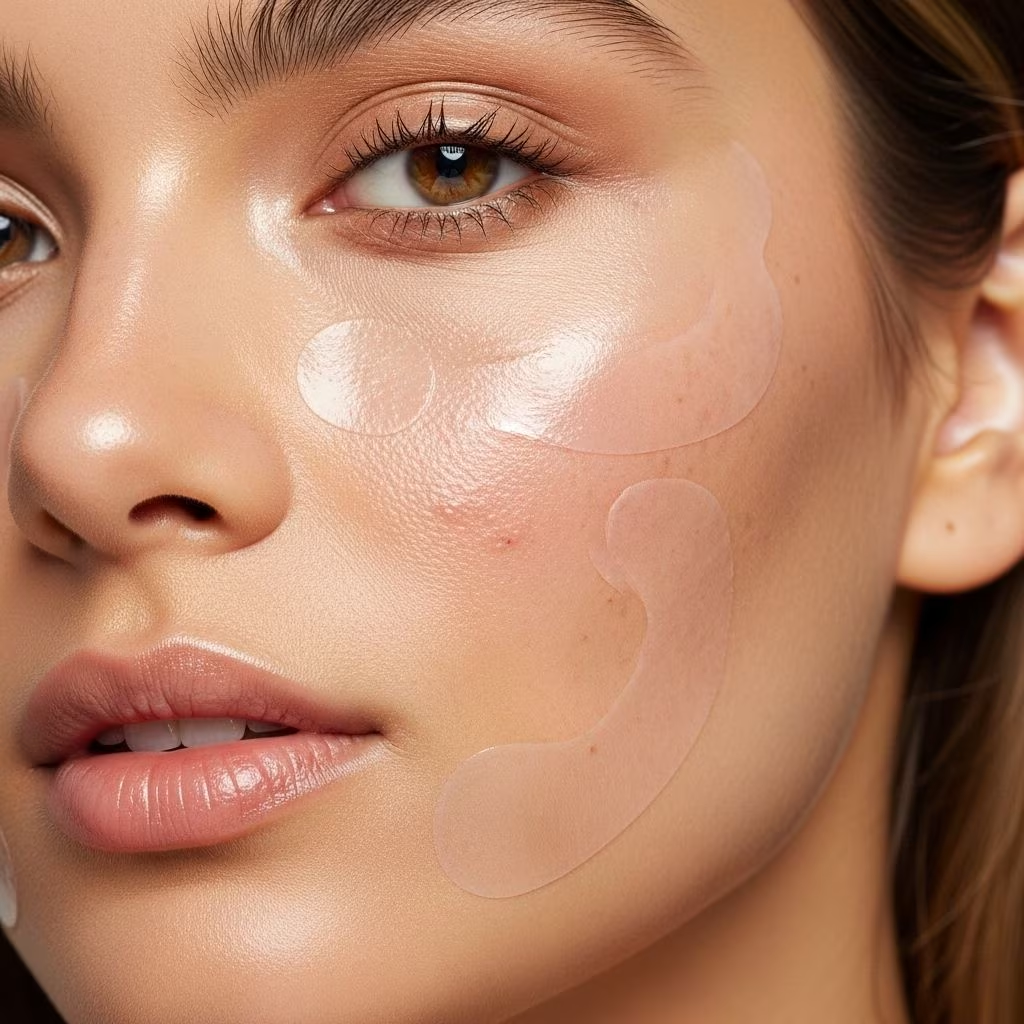
Understanding Spot Patches and Their Function
Spot patches, also known as hydrocolloid patches or pimple patches, have revolutionized acne treatment by providing a targeted, effective solution for individual breakouts. These small, transparent adhesive patches work by creating a moist healing environment that draws out pus, oil, and other impurities from active blemishes.
The hydrocolloid technology originally used in wound care has been adapted for acne treatment, making these patches highly effective at reducing inflammation, preventing bacterial contamination, and accelerating the healing process. When applied to clean skin, the patches create a seal that protects the blemish from external irritants while simultaneously extracting fluid.
Understanding how these patches function is crucial when considering makeup application. The adhesive properties and fluid-absorbing capabilities can be affected by various factors, including the products applied underneath or on top of them.
Can You Wear Makeup with Spot Patches?
The short answer is yes, you can wear makeup with spot patches, but there are important considerations to ensure optimal results. While spot patches work best on clean, dry skin, many people need to wear makeup for professional or personal reasons and cannot go bare-faced while treating active breakouts.
The key challenge lies in maintaining the patch’s effectiveness while achieving satisfactory coverage. Oil-based makeup products, including foundations, BB creams, and CC creams, can interfere with the patch’s adhesive properties and reduce its ability to absorb fluids from the blemish.
However, even when used with makeup, spot patches still provide valuable benefits including protection from picking, bacterial contamination prevention, and some level of healing acceleration.
Step-by-Step Application Guide
Method 1: Applying Makeup Around Patches
This method involves applying the patch first and then working around it with makeup:
Step 1: Start with clean, completely dry skin. Remove any traces of skincare products from the affected area.
Step 2: Select a patch that is slightly larger than your blemish to ensure complete coverage and proper adhesion.
Step 3: Apply the patch directly to the clean blemish, pressing gently but firmly for 10-15 seconds to ensure proper adhesion.
Step 4: Complete your skincare routine, carefully avoiding the patch area to prevent moisture from compromising adhesion.
Step 5: Apply your makeup base around the patch, being careful not to disturb the edges.
Method 2: Makeup First, Then Patch
This alternative method can work when you need to apply makeup to a larger area:
Step 1: Apply your makeup base as usual across your entire face.
Step 2: Using a clean cotton swab or makeup remover, carefully remove all makeup from the blemish area.
Step 3: Allow the area to dry completely before applying the patch.
Step 4: Apply the patch and gently blend any harsh edges with surrounding makeup.
Choosing the Right Products
Patch Selection
Not all patches are created equal when it comes to makeup compatibility. Thin, translucent patches work best under makeup as they create less visible texture and blend more seamlessly with surrounding skin.
| Patch Type | Makeup Compatibility | Visibility | Best For |
|---|---|---|---|
| Ultra-thin hydrocolloid | Excellent | Minimal | Daily makeup wear |
| Standard hydrocolloid | Good | Moderate | Light makeup application |
| Medicated patches | Fair | High | No-makeup days |
| Decorative patches | N/A | Intentional | Statement looks |
Makeup Product Selection
The type of makeup products you choose significantly impacts the success of wearing makeup over patches. Lightweight, buildable formulas work best, while heavy, oil-rich products can compromise patch adhesion.
Recommended Base Products:
- Lightweight, water-based foundations
- Tinted moisturizers with minimal oil content
- Powder foundations for oil control
- Color-correcting products in stick form
Products to Avoid:
- Heavy, full-coverage foundations
- Oil-based primers and bases
- Cream blushes applied near patch areas
- Excessive powder application over patches
Professional Application Techniques
Foundation Application
When applying foundation over or around patches, technique is everything. Use gentle patting motions rather than rubbing or blending in circular motions, which can disturb the patch edges and create visible lines.
Start with a small amount of product and build coverage gradually. This approach prevents product buildup around the patch edges, which can make the patch more noticeable and create an uneven finish.
Concealer Strategy
Concealer application requires special attention when working with patches. Apply concealer around the patch perimeter to blend it into the surrounding skin, but avoid applying directly on top of the patch, as this can reduce its effectiveness and create a cakey appearance.
Use a small, precise brush or sponge to tap concealer around the edges, feathering it outward to create a seamless transition.
Setting Techniques
Setting your makeup is crucial when wearing patches, but traditional powder application can emphasize texture differences. Instead, use a light dusting of translucent powder around the patch area, avoiding direct application on the patch itself.
Setting spray can be used, but apply it from a distance and avoid saturating the patch area, as excess moisture can compromise adhesion.
Common Mistakes to Avoid
Over-Application of Products
One of the most common mistakes is using too much foundation or concealer in an attempt to hide the patch completely. This approach typically has the opposite effect, making the patch more noticeable and creating an unnatural texture variation.
Ignoring Skin Preparation
Proper skin preparation is crucial for both patch adhesion and makeup application. Skipping cleansing or applying patches to oily skin reduces their effectiveness and creates makeup application challenges.
Using Incompatible Products
Oil-based skincare products and makeup can significantly impact patch performance. Always check product ingredients and opt for water-based alternatives when wearing patches.
Improper Removal
Forceful patch removal can damage skin and disrupt makeup. Always remove patches gently, preferably after cleansing, to avoid tearing or irritation.
Troubleshooting Common Issues
Patch Edges Lifting
If patch edges begin lifting during makeup application, it usually indicates inadequate initial adhesion or product interference. Gently press the edges down and avoid applying products directly on top.
Visible Texture Differences
When patches create noticeable texture variations, use a damp beauty sponge to gently tap and blend the surrounding makeup, creating a more seamless finish.
Color Matching Issues
Patches can sometimes affect how makeup colors appear on the skin. Test your usual shade over a patch on your hand first to ensure color consistency.
Product Recommendations
Top Patches for Makeup Compatibility
Several brands have developed patches specifically designed for wear under makeup. These ultra-thin formulations provide effective treatment while maintaining discretion.
Look for patches labeled as “invisible,” “ultra-thin,” or “makeup-friendly.” These typically offer the best balance between treatment effectiveness and cosmetic compatibility.
Complementary Makeup Products
Certain makeup products work exceptionally well with spot patches. Water-based foundations, mineral powders, and cream-to-powder formulations typically provide the most compatible base for patch wear.
Color-correcting products can also help neutralize any discoloration around treated areas, creating a more uniform base for foundation application.
Frequently Asked Questions
Q: How long should I wear a patch under makeup?
A: You can wear patches for 6-8 hours under makeup, though they may be less effective than when worn on clean skin. Remove them during your evening skincare routine.
Q: Can I reapply makeup over a patch during the day?
A: Light touch-ups are possible, but avoid heavy reapplication as it can compromise patch adhesion and effectiveness.
Q: What should I do if my patch becomes visible through makeup?
A: Use a small amount of concealer around the patch edges and gently pat with a damp sponge to blend. Avoid applying products directly on the patch surface.
Q: Are there specific makeup brands that work better with patches?
A: Water-based formulations from any brand typically work better than oil-based products. Look for lightweight, buildable coverage foundations and concealers.
Q: Can I use primer with spot patches?
A: Water-based primers can be used around patch areas, but avoid applying directly on the patch as it may interfere with adhesion.
Q: How do I remove makeup and patches at the end of the day?
A: Remove makeup first with a gentle cleanser, then carefully peel off patches. Follow with your regular cleansing routine.
Q: Can I wear patches overnight after wearing makeup all day?
A: It’s better to remove the patch, cleanse thoroughly, and apply a fresh patch to clean skin for optimal overnight treatment.
Mastering the art of wearing makeup over spot patches requires patience and practice, but with the right techniques and products, you can maintain both effective acne treatment and satisfactory coverage. Remember that while makeup compatibility is important, the primary goal should always be skin health and proper treatment of active breakouts.


