


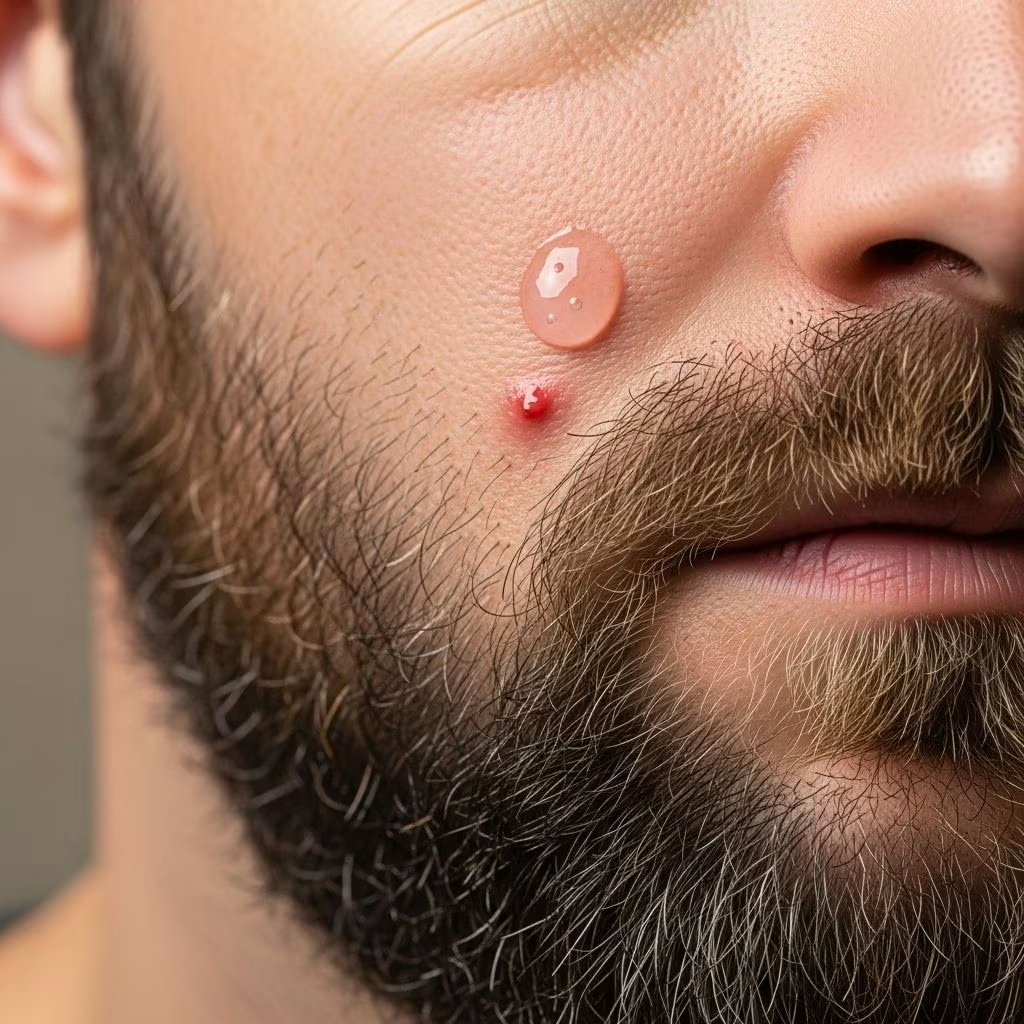
Facial hair—beards, mustaches, and sideburns—adds style and confidence, but many individuals encounter unique skin and hair challenges beneath their facial hair. Managing acne, irritation, patchy growth, and bald spots demands targeted spot treatment strategies that address both the skin and hair follicle health. This guide covers science-backed approaches, clinical treatments, home remedies, and essential tips for maintaining clear, healthy skin and robust facial hair growth.
Introduction
Facial hair presents both aesthetic opportunities and unique dermatological challenges. The skin beneath beard and mustache can become prone to acne, irritation, bald spots (alopecia barbae), and inconsistent hair growth. Addressing these issues requires a dual-focus: treating underlying skin health and supporting optimal hair follicle function.
Common Skin Issues Under Beard & Facial Hair
Problems occurring underneath facial hair include:
- Beard acne – inflammation and pimples caused by blocked pores, excess oil, and trapped bacteria[10].
- Alopecia Barbae – localized hair loss resulting in bald patches in the beard.
- Dry, itchy skin – exacerbated by improper cleaning, humidity, or aggressive grooming products.
- Irritation & rash – may result from friction, ingrown hairs, or harsh product use.
Skin Issues and Typical Causes
| Skin Issue | Main Causes | Common Symptoms |
|---|---|---|
| Beard Acne | Blocked pores, bacteria, oily skin, ingrown hairs | Pimples, redness, inflammation |
| Alopecia Barbae | Autoimmune reactions, stress, genetics | Bald patches, smooth hairless skin |
| Dry Skin | Lack of moisture, harsh products, overwashing | Flakiness, itchiness |
| Irritation/Rash | Friction, allergies, sensitive skin | Redness, burning, discomfort |
Spot Treatment for Acne Under Facial Hair
Acne beneath the beard presents unique challenges due to trapped oil, friction, and difficulty reaching the skin surface. Key spot treatments include:
- Topical antibacterials (benzoyl peroxide, salicylic acid) – target bacteria and unclog pores but should be used cautiously to avoid drying or bleaching facial hair[10].
- Gentle exfoliation – removes dead skin cells and reduces clogged follicles. Choose beard-safe scrubs designed for sensitive facial skin.
- Targeted acne gels – apply directly onto blemishes underneath parted facial hair for maximum effect.
- Warm compress – helps reduce inflammation and soften ingrown hairs.
Prevention tips:
- Wash beard and underlying skin regularly with gentle, non-comedogenic cleansers.
- Use a clean beard brush or comb to distribute oils and prevent buildup.
- Avoid heavy oils and waxes that can clog pores.
Targeting Bald Spots and Alopecia Barbae
Alopecia barbae manifests as distinct bald spots within the beard due to autoimmune reactions targeting hair follicles. Common treatment options include:
- Topical corticosteroids – anti-inflammatory creams prescribed to suppress immune response and encourage hair regrowth; low-potency versions are favored for facial application.
- Intralesional corticosteroid injections – direct administration into bald patches, repeated every 4–6 weeks, particularly effective in stubborn cases but with risks of local skin thinning and pigmentation changes.
- Topical immunotherapy – chemicals (e.g., DPCP, SADBE) applied to induce allergic reactions that may disrupt the autoimmune process and stimulate growth; requires medical supervision due to possible severe itching or redness.
- Platelet-rich plasma (PRP) therapy – concentrates your own platelets with growth factors and injects them into patchy spots to promote follicle repair and regrowth.
Duration to see results varies, with initial hair regrowth often observed in a few months and full recovery potentially taking up to a year. Response is individual and may be affected by severity, genetics, and compliance.
Bald Spots: Comparing Treatments
| Treatment | Administration | Main Benefits | Main Risks |
|---|---|---|---|
| Topical Corticosteroids | Daily/alternate day cream | Convenient, low systemic risk | Thinning, pigmentation changes |
| Corticosteroid Injections | Every 4-6 weeks into bald spot | Higher efficacy at patch site | Localized side effects |
| Topical Immunotherapy | Weekly supervised application | Potential long-term regrowth | Severe itching, allergic response |
| PRP Therapy | Monthly injections | Natural growth stimulation | Pain, inconsistent results |
Enhancing Patchy Beard Growth
Patchiness in beard growth is commonly attributed to genetics, hormone sensitivity, or dormant hair follicles. The gold-standard medical solution is minoxidil.
- Minoxidil topical solution – Over-the-counter medication available in 2% and 5% strengths. Originally for scalp hair loss, now widely used for facial hair. Works by dilating blood vessels, improving nutrient delivery, and prolonging the active phase of hair growth.
- Clinical trials indicate measurable increases in beard density and coverage after 12–16 weeks of consistent application; results reverse if use stops.
- Results can vary based on genetics and sufficiency of dormant follicles; not everyone responds equally.
- Side effects may include mild irritation, dryness, or contact dermatitis; higher concentrations yield stronger results but may increase risk.
Other adjunct treatments:
- Bimatoprost – another topical solution sometimes used for enhancing hair growth, although primarily for eyelashes and brows; studies reveal similar efficacy to minoxidil.
- PRP therapy – May amplify responsiveness and results if combined with minoxidil or as a stand-alone therapy.
Minoxidil should be applied directly to clean, dry skin under the beard as per product instructions. Long-term commitment is required to maintain gains; discontinuation leads to reversal.
Managing Itchiness and Skin Irritation
Itching and irritation often result from dry skin, ingrown hairs, or sensitivity to grooming products. Prevention and treatment strategies:
- Moisturize daily – apply non-comedogenic, beard-safe moisturizers to restore hydration.
- Clean regularly – gently rinse and shampoo beard with products formulated for facial hair and sensitive skin.
- Soften beard hair – use beard oils and conditioners free from heavy fragrances and irritants.
- Avoid harsh chemicals – minimize use of alcohol-containing aftershaves and highly fragranced products.
- Bristle brush – regularly brush to exfoliate skin, distribute natural oils, and reduce local irritation.
For severe or persistent cases, consult dermatologists for prescription solutions or allergy testing.
Clinical Treatments: Topical & Injectable Therapies
- Minoxidil: Highly effective for beard enhancement, increases follicular density and growth.
- Corticosteroids: Treats autoimmune-related bald spots; available in cream or injection form for targeted results.
- Topical immunotherapy: Used for resistant cases of alopecia barbae.
- Platelet-rich plasma (PRP) therapy: Stimulates follicle repair and regrowth using body’s own growth factors.
All clinical treatments should be supervised by healthcare professionals, with individualized plans based on severity, underlying cause, and response to initial therapy.
Home Remedies and Preventative Care
- Gentle beard washing: Use mild shampoos or cleansers to prevent buildup and maintain healthy follicles.
- Regular exfoliation: Remove dead skin cells and prevent ingrown hairs with gentle scrubs or bristle brushes.
- Use beard oil & balm: Apply light, non-clogging oils/balms post-wash for hydration and softness.
- Diet and lifestyle: Support skin and hair health with balanced nutrition, hydrate regularly, and manage stress.
- Avoid aggressive grooming: Trim with sanitized tools and avoid frequent, abrasive shaving.
- Monitor new products: Patch test any new skincare or beard product to ensure compatibility and prevent reactions.
Frequently Asked Questions (FAQ)
Q: What causes acne under the beard?
A: Acne under the beard is typically caused by blocked pores, excess oil production, trapped bacteria, or ingrown hairs resulting from improper cleaning or shaving technique[10].
Q: Can minoxidil permanently improve beard growth?
A: Minoxidil can significantly enhance beard density and fill patchy areas when used consistently, but results may reverse if discontinued; its effects are dose-dependent and affected by individual factors.
Q: How soon can you expect results from bald spot treatments?
A: Results vary but initial regrowth can be visible in several months (typically 3–4), with maximal regrowth taking up to a year for conditions like alopecia barbae.
Q: Is PRP therapy effective for beard bald spots?
A: PRP therapy shows promise for stimulating follicle repair and regrowth but works best where dormant follicles exist and may require combinational therapy for optimal results.
Q: How should I prevent irritation under my beard?
A: Maintain good hygiene with gentle beard cleansers, moisturize daily, avoid harsh grooming products, and regularly brush your beard to distribute oils and minimize friction-based irritation.
Conclusion
Spot treatment under beard and facial hair is a multi-factorial endeavor requiring an understanding of skin conditions, hair follicle biology, and targeted therapies. Solutions range from proven clinical treatments like minoxidil and corticosteroids to home remedies and preventative strategies. Consistency in care, professional guidance, and patience are the cornerstones for achieving healthy, clear skin and well-groomed, dense facial hair.
References
- https://aventusclinic.com/minoxidil-beard-growth/
- https://metrobostoncp.com/blogs/alopecia-barbae/
- https://www.ijpsonline.com/articles/review-of-topical-therapies-for-beard-enhancement.pdf
- https://www.facialplasticsurgerymiami.com/blog/beard-growth-medications
- https://wimpoleclinic.com/blog/minoxidil-beard-growth-before-and-after/
- https://www.aad.org/public/everyday-care/skin-care-secrets/face/healthy-beard
- https://www.healthline.com/health/alopecia-barbae
- https://www.yalemedicine.org/news/beard-mustache-skin-problems
- https://elithair.co.uk/blog/alopecia-barbae/
- https://thebeardclub.com/blogs/beard-culture/beard-acne


