


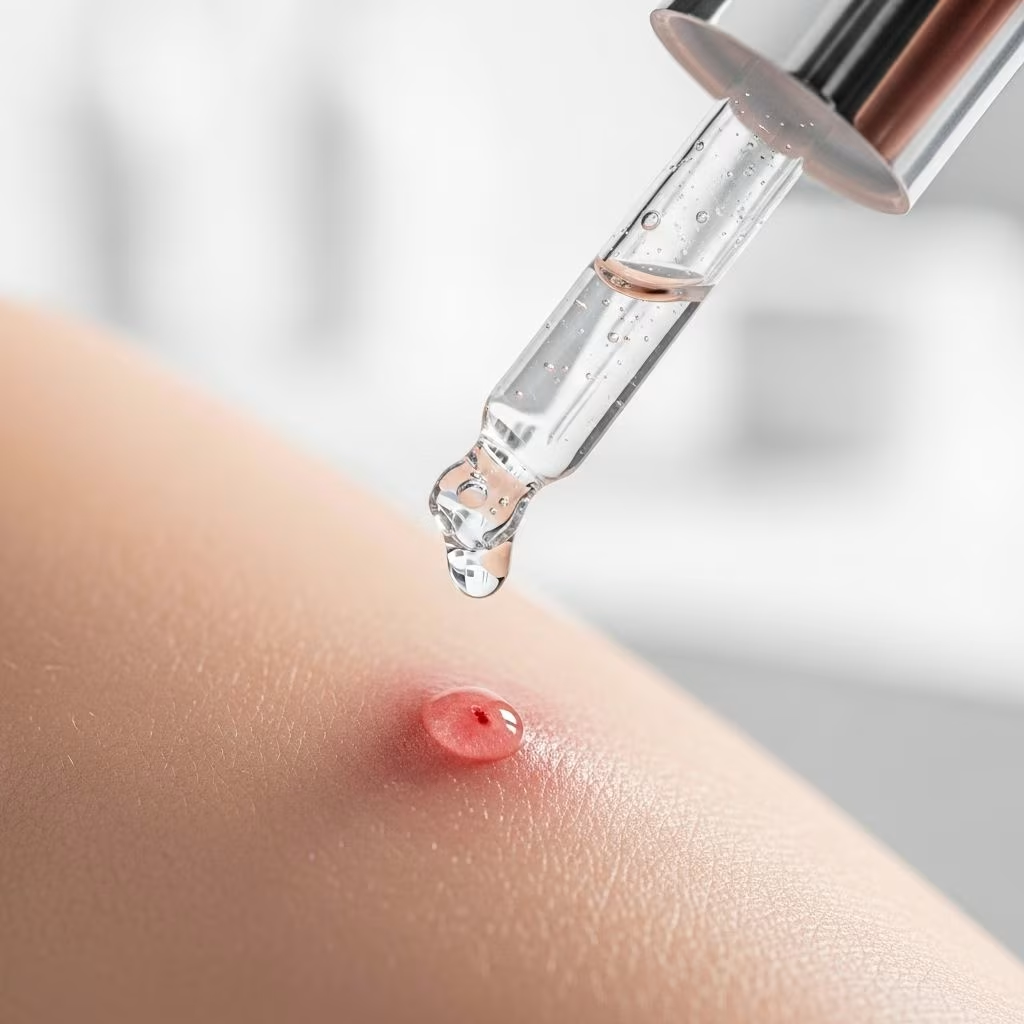
Introduction to Succinic Acid Spot Treatment
Succinic acid, a naturally occurring dicarboxylic acid, is rapidly gaining attention in the skincare world—particularly as a spot treatment for acne-prone, sensitive, and combination skin. Unlike harsher exfoliating acids like salicylic or glycolic acid, succinic acid is noted for its gentle nature and multifaceted benefits, making it a promising option for those seeking effective yet soothing care for breakouts, redness, and inflammation.
What Is Succinic Acid?
Succinic acid is an organic compound found naturally in plants and animals, including the human body, where it participates in the Krebs cycle—a fundamental energy-producing process. In skincare, it is valued for its anti-inflammatory, antimicrobial, and antioxidant properties, and for its structural similarity to the skin’s own lipids, which allows it to deliver hydration without clogging pores.
How Succinic Acid Works as a Spot Treatment
As a spot treatment, succinic acid directly targets blemishes and breakouts, especially inflamed, tender, or cystic acne. Its mechanism of action is multifaceted:
- Antimicrobial Action: Succinic acid inhibits the growth of acne-causing bacteria, including Cutibacterium acnes, which helps prevent new breakouts from forming.
- Anti-inflammatory Effects: It soothes redness, swelling, and discomfort associated with active acne, making it suitable for sensitive skin.
- Sebum Regulation: By balancing oil production, succinic acid reduces the likelihood of clogged pores without over-drying the skin.
- Accelerated Cell Renewal: It speeds up the skin’s natural exfoliation process, promoting a clearer, more radiant complexion and aiding in the prevention of post-acne marks and scars.
- pH Balancing: Succinic acid helps restore the skin’s optimal pH, supporting a healthy skin barrier and microbiome.
Key Benefits for Acne-Prone Skin
Succinic acid is particularly suited for those with acne, sensitivity, or eczema, offering several benefits over traditional acne treatments:
Anti-Acne Properties
Succinic acid’s antimicrobial activity helps clear existing blemishes and prevent new ones by reducing bacterial overgrowth in the pores. Its gentle exfoliation aids in unclogging pores without the irritation common with stronger acids.
Soothing and Anti-Inflammatory
Unlike many exfoliants, succinic acid calms irritated skin, reduces redness, and may even have mild pain-relieving (analgesic) effects, making it a good choice for those with cystic or inflamed acne.
Hydration and Barrier Support
Due to its structural similarity to skin lipids, succinic acid supports hydration and barrier function, helping the skin retain moisture without contributing to excess oiliness.
Antioxidant and Anti-Aging Effects
Its antioxidant properties protect against free radical damage and environmental stressors, potentially delaying signs of aging such as dullness, pigmentation, and fine lines.
Supports Skin Healing
Succinic acid can accelerate wound healing and tissue regeneration, which may reduce the severity of post-acne scarring when used promptly on new breakouts.
Comparison With Other Spot Treatments
| Ingredient | Mechanism | Benefits | Drawbacks | Best For |
|---|---|---|---|---|
| Succinic Acid | Antimicrobial, anti-inflammatory, antioxidant, hydrating, pH-balancing | Gentle, soothes, non-drying, accelerates healing, non-photosensitive | Less FDA-recognized than benzoyl peroxide/salicylic acid | Sensitive, acne-prone, combination skin |
| Benzoyl Peroxide | Strong antimicrobial, oxidizing agent | Highly effective for inflammatory acne | Can bleach fabrics, drying, may irritate | Oily, resilient skin |
| Salicylic Acid | Beta-hydroxy acid, exfoliates, unclogs pores | Good for blackheads, whiteheads, oily skin | Drying, photosensitive, can irritate sensitive skin | Oily, congested skin |
| Tea Tree Oil | Natural antimicrobial, anti-inflammatory | Antibacterial, soothing | Can irritate, slow to show results, may cause contact dermatitis | Mild acne, natural skincare enthusiasts |
Succinic acid stands out for its multifaceted approach: it addresses acne by reducing bacteria and inflammation, soothes irritation, and supports skin hydration and renewal—without the harshness associated with traditional spot treatments. Its non-photosensitive and non-drying profile make it a compelling choice for those with sensitive or easily irritated skin.
How to Use Succinic Acid for Spot Treatment
- Choose the Right Product: Opt for serums, gels, or creams formulated with succinic acid, ideally as a targeted blemish treatment.
- Cleanse First: Wash your face with a gentle cleanser and pat dry before application.
- Apply Sparingly: Dab a small amount directly onto blemishes, avoiding the surrounding skin if it is very sensitive.
- Layering: Follow with a light moisturizer to lock in hydration, especially if your skin is prone to dryness.
- Sun Protection: While succinic acid itself is not photosensitizing, always use sunscreen during the day to protect healing skin.
- Consistency: Use as directed, usually 1–2 times daily, until the blemish resolves.
Potential Side Effects and Who Should Use It
Succinic acid is recognized as safe by the FDA and is generally well-tolerated, even by those with sensitive or reactive skin. Side effects are rare but may include mild redness or irritation, especially with overuse. Those with extremely dry or compromised skin should introduce succinic acid gradually and monitor for any signs of sensitivity.
Scientific Research and Evidence
While succinic acid is not yet FDA-recognized as a primary acne treatment, emerging research and observational evidence support its efficacy. Studies note its anti-inflammatory effects, ability to inhibit P. acnes growth, and potential to enhance mitochondrial activity for faster skin renewal and healing. However, more large-scale, peer-reviewed clinical trials are needed to solidify its position relative to established actives like benzoyl peroxide and salicylic acid.
Product Recommendations
When selecting a succinic acid spot treatment, look for products that combine succinic acid with complementary ingredients like hyaluronic acid, niacinamide, or soothing botanicals for enhanced results and comfort. As the market expands, brands offering targeted blemish treatments with succinic acid are increasingly available at various price points.
Frequently Asked Questions (FAQ)
What is succinic acid used for in skincare?
Succinic acid is used primarily as a gentle spot treatment for acne, inflammation, and redness. It is suitable for sensitive, acne-prone, and combination skin types.
How does succinic acid help acne?
Succinic acid helps acne by reducing bacteria, soothing inflammation, regulating oil production, and accelerating skin cell renewal, leading to faster healing of blemishes and less risk of scarring.
Can succinic acid be used with other acne treatments?
Yes, succinic acid can generally be combined with other non-irritating acne treatments, though it’s best to avoid over-exfoliation. Always patch-test and introduce new products gradually.
Is succinic acid safe for sensitive skin?
Yes, succinic acid is considered gentle and non-drying, making it a suitable option for sensitive or irritated skin types.
How often should I use a succinic acid spot treatment?
Most formulations recommend applying once or twice daily to affected areas until improvement is seen. Always follow the product’s instructions and monitor your skin’s response.
Is succinic acid better than salicylic acid?
Succinic acid is gentler, less likely to cause irritation, and does not dry out the skin or make it photosensitive, unlike salicylic acid. However, salicylic acid may be more effective for stubborn blackheads and whiteheads for those with oilier, more resilient skin.
Conclusion
Succinic acid spot treatment represents a promising, multi-action solution for acne-prone, sensitive, and combination skin types. With its gentle yet effective antimicrobial, anti-inflammatory, and hydrating properties, it fills a unique niche in modern skincare—offering relief from breakouts without the drawbacks of harsh exfoliants. While more clinical research is needed, current evidence and user experiences suggest that succinic acid is a valuable addition to any acne-fighting regimen, especially for those seeking a soothing, non-irritating approach to clearer skin.
References
- https://draxe.com/beauty/succinic-acid-benefits/
- https://us.upcirclebeauty.com/blogs/upcircle/succinic-acid
- https://www.clinikally.com/blogs/news/benefits-of-succinic-acid-for-acne-treatment
- https://www.cosmopolitan.com/style-beauty/beauty/a43775714/succinic-acid-for-skin/
- https://curology.com/blog/does-succinic-acid-really-help-treat-acne/
- https://hiperskin.com/blogs/unlock-high-performance/succinic-acid-vs-tea-tree-oil-which-is-better-for-spot-treatment
- https://www.miye.care/en/blogs/le-blog-miye/what-are-the-advantages-of-succinic-acid-over-salicylic-acid
- https://prequelskin.com/blogs/skin-notes-skincare-blog/succinic-acid-in-skincare


