


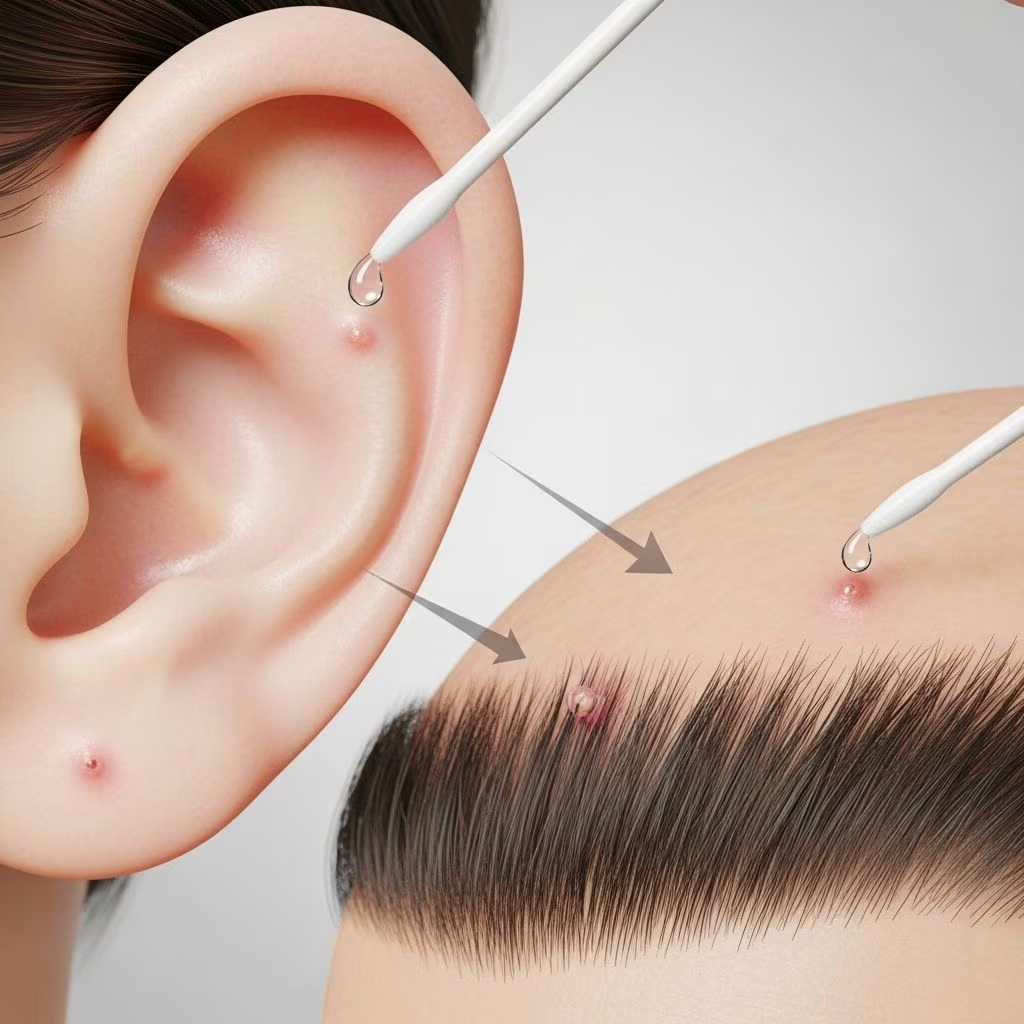
Ear and scalp pimples present unique challenges compared to facial acne. Hidden beneath hair or inside the ear, these blemishes can cause discomfort, itching, and sometimes infection. This guide explores the causes, effective spot treatments, medical and home approaches, how to avoid future outbreaks, and answers common questions to help you maintain healthy skin on your scalp and ears.
Introduction
Pimples, also known as acne or folliculitis when occurring on the scalp, can affect any area with hair follicles—including the scalp and ears. While mild cases are mostly a cosmetic concern, severe or persistent outbreaks may result in pain, hair loss, infections, or permanent scarring. Effective management starts by understanding the causes and adopting targeted spot treatments, supplemented with preventive measures and clinical intervention where necessary.
Understanding Causes of Ear & Scalp Pimples
Pimples form when hair follicles or pores become clogged with dead skin cells, oil (sebum), and sometimes bacteria or yeast. The scalp and ear environment can be particularly prone to such blockages due to:
- Dead skin cell or oil buildup clogging follicles
- Buildup from hair products—gels, sprays, oil-based creams
- Insufficient washing or hygiene after sweating
- Not washing after exercising or excess sweat trapped by hats/headgear
- Earphones, hearing aids, or head coverings that cause friction and trap moisture
- Bacterial, fungal, or mite invasion
Other contributing factors include hormonal changes, genetics, stress, and allergies to hair or skin care products.
Types of Ear & Scalp Acne
Pimples on the ear or scalp can vary in appearance and severity:
- Comedones: Blackheads and whiteheads (mild acne)
- Papules: Small, raised, reddish bumps
- Pustules: Pimples containing pus
- Nodules and cysts: Large, deep, painful lumps under the skin (severe acne)
- Acne necrotica/Dissecting cellulitis: Scalp with blackened crusts, risk of permanent scarring, and potential hair loss
Some scalp and ear bumps may also be caused by folliculitis (inflammation due to infection of hair follicles), which may need different treatment compared to typical acne.
Spot Treatment Solutions
Spot treatment focuses on quickly addressing individual pimples or localized outbreaks. The main approaches include over-the-counter medicated treatments, topical antibiotics, and gentle hygiene practices.
Over-the-counter Active Ingredients
- Salicylic acid: Exfoliates dead skin cells and helps unclog pores.
- Benzoyl peroxide: Reduces bacteria and inflammation (use cautiously on scalp, may bleach hair).
- Glycolic acid: Exfoliates and controls microbe growth.
- Ketoconazole & ciclopirox: Antifungal agents—effective for pimples due to yeast or fungus.
- Tea tree oil: Natural antibacterial, anti-inflammatory agent.
- Jojoba oil: May reduce inflammation, but use sparingly.
For ears, gentle cleansers containing the above ingredients can be applied externally—never inside the ear canal without medical supervision.
Application Tips for Spot Treatment
- Clean the affected area with water and a gentle cleanser
- Apply a small amount of the chosen spot treatment with a cotton swab
- Do not use multiple treatments at once unless directed by a dermatologist
- Do not pick, squeeze, or scratch pimples to avoid spread and scarring
It is crucial to avoid harsh scrubbing; gentle care prevents further irritation and infection.
Medical Treatment Options
When pimples are persistent, painful, or associated with hair loss/infection, consider professional medical options:
- Topical antibiotic creams (prescribed)
- Topical steroid creams to decrease inflammation
- Oral antibiotics for widespread or deep infections
- Isotretinoin (reserved for severe, unresponsive acne)
- Light therapy/phototherapy
- Steroid injections for large, deep cysts
- Physical extraction by a dermatologist
Consult your healthcare provider before starting prescription treatments—these may interact with other medications and have side effects. Regular follow-up may be needed for severe cases, and healthcare providers can distinguish acne from other conditions such as seborrheic dermatitis, abscess, or even rare skin cancers.
At-Home Remedies and Care
For mild ear or scalp pimples, simple home care is often sufficient:
- Wash hair and scalp regularly using a mild, non-comedogenic shampoo
- Avoid heavy, oil-based hair products or makeup around hairline and ears
- Clean hats, headbands, headphones, and pillowcases frequently
- Avoid prolonged use of earphones or headgear that traps sweat
- After workouts, shower promptly to remove sweat and bacteria
- Apply natural spot treatments such as diluted tea tree oil for mild outbreaks
- Use clarifying shampoos weekly to remove product buildup—but not too often to avoid drying hair
- Eat a balanced diet and stay hydrated (overall skin health)
Do not use scented or harsh cleansers, and avoid scratching to reduce inflammation and prevent bacteria from entering open skin.
Prevention Strategies
Consistent prevention is key to avoiding recurrences:
- Choose non-comedogenic hair and skin products
- Limit use of styling gels, sprays, waxes, and pomades
- Ensure thorough rinsing of shampoo and conditioner from scalp, hair, and around ears
- Consider switching brands if current products irritate skin
- Maintain scalp hygiene, especially after sweating
- Avoid touching scalp/ears with dirty hands
- Dry hair well after washing, especially if prone to yeast infections
- Regularly change pillowcases and hats
For the ear canal, avoid inserting objects (swabs, headphones) and keep the area dry.
Comparison Table: Ingredients & Their Effects
| Ingredient | Main Action | Effectiveness | Precautions |
|---|---|---|---|
| Salicylic Acid | Exfoliate, unclog pores | Suitable for mild/moderate pimples | May irritate sensitive skin |
| Benzoyl Peroxide | Antibacterial, anti-inflammatory | Effective, but may bleach hair | Use with caution on scalp |
| Glycolic Acid | Exfoliate, kill microbes | Helps with recurring pimples | Use in controlled amounts |
| Tea Tree Oil | Natural antibacterial | Mild to moderate effectiveness | May cause allergy in sensitive users |
| Ketoconazole/Ciclopirox | Antifungal | Effective for fungally-induced acne | Primarily for dandruff-prone users |
Potential Complications
- Persistent acne may lead to secondary infections of the scalp or ear
- Scarring or permanent hair loss in severe cases
- Spread of infection if pimples are popped or scratched
- Risk of confusion with other skin disorders (folliculitis, dermatitis, cysts, skin cancer)
- Allergic reactions or irritation from overuse of harsh products
If you notice spreading, pain, or hair loss, consult your provider for further assessment.
Frequently Asked Questions
Q: Are scalp and ear pimples the same as acne elsewhere?
A: They are similar in formation but may differ in triggers such as hair products, sweat, or headgear. Special care and tailored spot treatments are essential due to tender skin and hair follicles.
Q: Which spot treatment is best for urgent relief?
A: Salicylic acid is gentle and effective for quick relief, while tea tree oil offers natural antibacterial properties for mild cases. For severe infections, consult your dermatologist for prescription therapies.
Q: Can I use benzoyl peroxide on my scalp?
A: Benzoyl peroxide is potent but may bleach hair. If used, apply sparingly and avoid contact with colored hair or sensitive skin.
Q: How long does it take for pimples to heal?
A: Most pimples respond to treatment in 4 to 8 weeks. Scarring may take up to six months to fade. Persistent issues require ongoing management and possibly professional intervention.
Q: Should I pop scalp or ear pimples?
A: No. Popping pimples increases infection, scarring, and sometimes spreads bacteria.
Q: Can shampoo cause scalp acne?
A: Yes. Heavy, oil-rich, or poorly rinsed shampoos can clog follicles. Use sulfate-free, clarifying, or medicated shampoos as appropriate.
Q: When should I see a dermatologist?
A: If pimples are persistent, painful, associated with hair loss, or unresponsive to over-the-counter approaches, consult a dermatologist.
Conclusion
Ear and scalp pimples demand a specific care regimen due to sensitive skin and close contact with hair and accessories. By recognizing causes, leveraging suitable spot treatments, maintaining hygiene, and working with a dermatologist for severe cases, clearer skin and improved comfort are well within reach. Remember, gentle care is paramount—never use excessive products or harsh treatments unless guided by a healthcare professional.
References
- https://www.medicalnewstoday.com/articles/320968
- https://www.healthline.com/health/beauty-skin-care/scalp-acne
- https://my.clevelandclinic.org/health/diseases/24397-scalp-pimples-acne
- https://www.usdermatologypartners.com/blog/scalp-acne-treatment/
- https://www.mayoclinic.org/diseases-conditions/acne/in-depth/acne-treatments/art-20045814
- https://www.webmd.com/skin-problems-and-treatments/acne/what-to-know-about-scalp-acne
- https://slmdskincare.com/blogs/learn/how-to-treat-prevent-scalp-acne
- https://my.clevelandclinic.org/health/diseases/22468-pimples
- https://dermatologyseattle.com/folliculitis-why-you-might-mistake-it-for-acne/


