


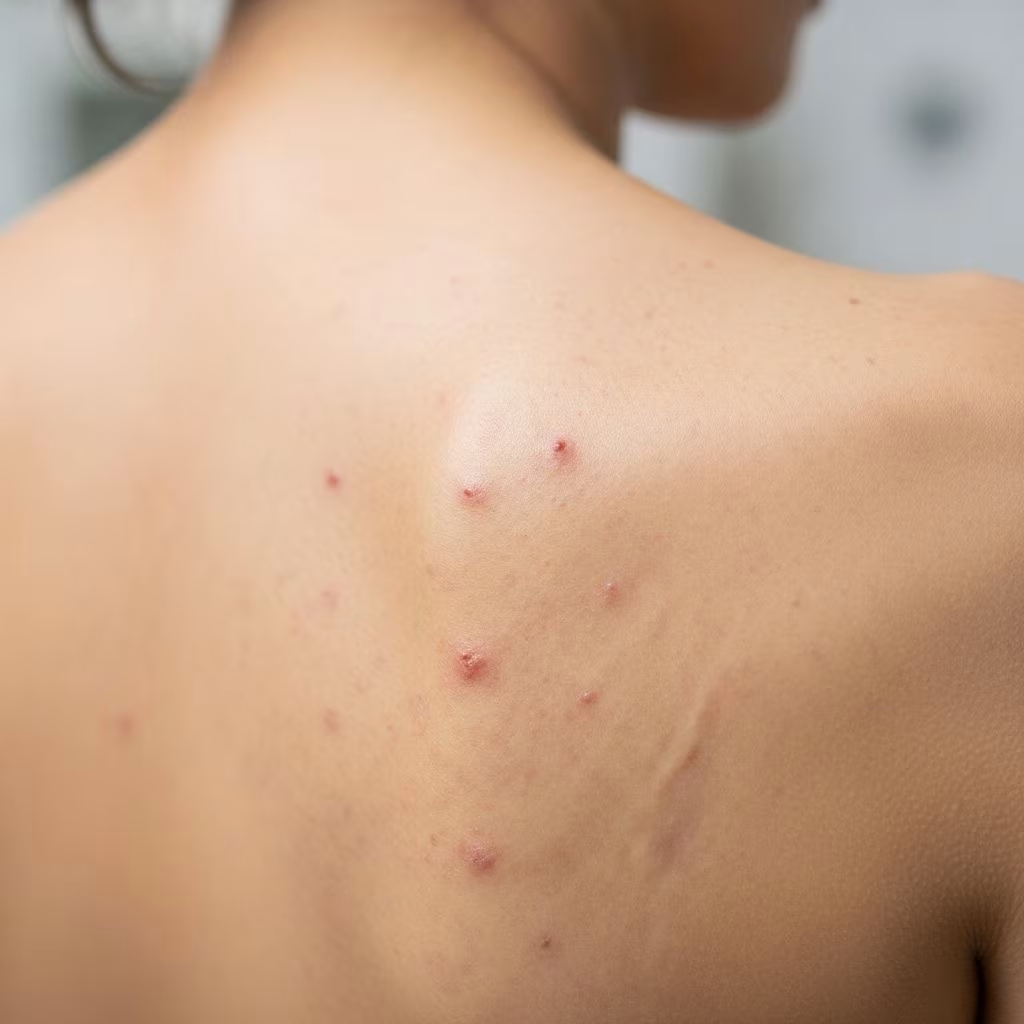
Back acne, commonly known as “bacne,” affects millions of people worldwide, often leaving behind unwanted reminders in the form of scars and spots. Understanding the fundamental differences between these skin concerns is crucial for selecting the most effective treatment approach. While both can significantly impact confidence and skin appearance, scars and spots require distinctly different treatment strategies to achieve optimal results.
Understanding the Difference: Scars vs. Spots
The distinction between back acne scars and spots lies primarily in their physical characteristics and underlying skin structure changes. Acne spots, also known as post-inflammatory hyperpigmentation (PIH) or post-inflammatory erythema (PIE), are flat discolored areas that remain after acne healing. These marks represent changes in skin pigmentation rather than structural alterations to the skin tissue.
In contrast, acne scars involve actual changes to the skin’s texture and structure. These occur when the skin’s natural healing process is disrupted during severe acne inflammation, resulting in either excess collagen production or collagen loss. The key differentiating factor is that scars create physical indentations, raised areas, or textural irregularities that can be felt when running fingers across the skin surface.
Visual and Physical Characteristics
Acne spots typically appear as:
- Flat, discolored patches
- Brown, red, or purple pigmentation
- Smooth texture matching surrounding skin
- Gradually fading appearance over time
Acne scars present as:
- Raised or depressed skin areas
- Altered skin texture
- Permanent structural changes
- Varying depths and shapes
Types of Back Acne Scars
Back acne can produce several distinct types of scars, each requiring specific treatment approaches. Understanding these variations helps determine the most effective treatment strategy.
Hypertrophic Scars
Hypertrophic scars are the most common type of scarring resulting from back acne. These scars form when the body produces excess collagen during the healing process, creating raised, thick scar tissue that extends above the skin’s surface. They are characterized by their firm, elevated appearance and tend to remain within the boundaries of the original acne lesion.
Keloid Scars
Keloid scars represent a more severe form of hypertrophic scarring where scar tissue growth extends beyond the original wound boundaries. These scars appear as shiny, smooth growths that can continue expanding over time. Keloid formation has a genetic component and occurs more frequently in individuals with darker skin tones.
Atrophic Scars
Though less common on the back compared to facial acne, atrophic scars can occur when back acne causes significant tissue loss. These scars appear as sunken or punctured areas in the skin, creating an uneven texture. They result from insufficient collagen production during the healing process.
Acne Spots and Marks Explained
Post-acne pigmentation occurs in two primary forms, each with distinct characteristics and treatment requirements.
Post-Inflammatory Hyperpigmentation (PIH)
PIH manifests as brown or dark spots that develop after acne inflammation subsides. This condition results from increased melanin production triggered by the inflammatory response. PIH is more prevalent in individuals with darker skin tones and can persist for months or even years without proper treatment.
Post-Inflammatory Erythema (PIE)
PIE appears as red or purple spots caused by dilated or damaged capillaries beneath the skin surface. This type of discoloration is more common in lighter skin tones and typically fades more quickly than PIH, though it can still persist for several months without intervention.
Professional Treatment Options
Professional treatments offer the most effective solutions for both back acne scars and spots, with various procedures targeting different aspects of skin healing and regeneration.
Laser Treatments
Pulsed-Dye Laser Treatment proves particularly effective for hypertrophic and keloid scars. This treatment uses targeted laser energy to realign skin cells, improve elasticity, and reduce inflammation. The procedure works by delivering precise wavelengths that penetrate scar tissue, promoting better healing and smoother skin texture.
Ablative Laser Resurfacing utilizes CO2 or Erbium lasers to remove damaged skin layers and stimulate collagen remodeling. This intensive treatment effectively addresses severe scarring by creating controlled wounds that heal with improved skin structure.
Non-Ablative Laser Therapy heats underlying skin tissue without affecting the surface, encouraging collagen production from within. This gentler approach suits patients seeking improvement with minimal downtime.
Chemical Peels
Strong chemical peels containing glycolic acid, salicylic acid, and other hydroxyl acids can significantly improve acne scar appearance. Professional-grade peels penetrate deep into skin layers, removing damaged tissue and promoting cellular regeneration. Studies indicate that single chemical peel applications can improve scar appearance by up to 90 percent.
Microneedling
Also known as collagen induction therapy, microneedling creates controlled micro-injuries using fine, sterile needles. This process stimulates natural collagen and elastin production, helping to improve skin texture and reduce the appearance of both scars and spots. The treatment is particularly effective for atrophic scarring and can support the fading of pigmentation marks.
Cryotherapy
For deep hypertrophic scarring, cryotherapy offers a targeted approach by significantly reducing skin temperature and restricting blood flow to scar tissue. The goal is to cause controlled cell death, allowing the scar to naturally shed. Multiple sessions may be required for optimal results.
Dermal Fillers
For certain types of depressed or atrophic scars, dermal fillers containing hyaluronic acid can be injected directly into the scar tissue. This procedure lifts indented skin to match surrounding tissue levels, creating a smoother appearance. Results are temporary, typically lasting 6-18 months depending on the filler used.
At-Home Treatment Solutions
While professional treatments offer the most dramatic results, several at-home options can effectively address mild scarring and pigmentation issues.
Topical Retinoids
Over-the-counter retinoids, such as adapalene (Differin), increase cellular turnover rates and encourage new skin cell growth. These products help fade pigmentation marks and can improve mild textural irregularities over time. Prescription-strength retinoids offer enhanced efficacy for more stubborn scarring.
Vitamin C Serums
Vitamin C provides antioxidant protection while supporting collagen synthesis and helping to fade pigmentation. Regular use can brighten dark spots and improve overall skin tone and texture.
Niacinamide
This form of vitamin B3 helps reduce sebum production, minimizing future breakouts while supporting the fading of existing pigmentation. Niacinamide also provides anti-inflammatory benefits that can help prevent further scarring.
Salicylic Acid Body Washes
Regular use of salicylic acid body washes helps exfoliate dead skin cells and unclog pores, preventing future acne while gently improving skin texture. These products are particularly effective when used consistently as part of a comprehensive skincare routine.
Scar Removal Creams
Specialized scar removal creams containing ingredients like silicone, onion extract, or hydroquinone can help soften the appearance of scars and fade pigmentation when used consistently over several months.
Prevention Strategies
Preventing back acne scarring and spots is significantly more effective than treating existing damage. Implementing comprehensive prevention strategies can minimize the risk of permanent skin changes.
Active Acne Management
The most crucial step in preventing scarring is effectively managing active breakouts. Early intervention with appropriate acne treatments prevents the deep inflammation that leads to scarring. Avoiding picking, scratching, or squeezing acne lesions is essential, as these actions increase inflammation and scarring risk.
Lifestyle Modifications
- Clothing Choices: Wearing loose-fitting, breathable clothing reduces friction and allows proper air circulation
- Shower Timing: Showering immediately after exercise prevents sweat and bacteria buildup
- Backpack Alternatives: Using tote bags or messenger bags reduces constant pressure on the back
- Bedding Maintenance: Regular washing of sheets and pillowcases eliminates bacteria accumulation
Sun Protection
Daily sunscreen application to affected areas is crucial for preventing pigmentation darkening and maintaining treatment results. UV exposure can worsen existing discoloration and interfere with healing processes.
Treatment Effectiveness Comparison
| Treatment Type | Best For | Effectiveness | Downtime | Cost Range |
|---|---|---|---|---|
| Laser Therapy | Hypertrophic/Keloid Scars | High | 1-2 weeks | $$$ |
| Chemical Peels | All Scar Types/PIH | High | 1-2 weeks | $$ |
| Microneedling | Atrophic Scars/Texture | Moderate-High | 3-5 days | $$ |
| Topical Retinoids | PIH/Mild Scarring | Moderate | Minimal | $ |
| Vitamin C | PIH/PIE | Moderate | None | $ |
Timeline Expectations
Professional treatments typically require 6-12 weeks before visible improvements become apparent, with optimal results occurring after multiple sessions spaced 4-6 weeks apart. At-home treatments require consistent use over 3-6 months for noticeable changes, with continued improvement over 12-18 months.
Frequently Asked Questions
Q: How long does it take for back acne spots to fade naturally?
A: Post-inflammatory erythema (red spots) typically fades within 3-6 months, while post-inflammatory hyperpigmentation (brown spots) can persist for 6-24 months without treatment. Professional treatments can significantly accelerate this timeline.
Q: Can back acne scars be completely removed?
A: While complete removal may not always be possible, modern treatments can achieve 70-90% improvement in scar appearance. The success depends on scar type, depth, and individual healing response.
Q: Are professional treatments safe for all skin types?
A: Most professional treatments can be adapted for different skin types, but individuals with darker skin tones may have higher risks of pigmentation changes. Consultation with a qualified dermatologist is essential for personalized treatment planning.
Q: How can I prevent back acne from scarring?
A: Treat active acne promptly, avoid picking or squeezing lesions, maintain proper hygiene, wear breathable clothing, and use sunscreen daily. Early intervention with appropriate acne treatments prevents the deep inflammation that leads to scarring.
Q: What’s the difference between ablative and non-ablative laser treatments?
A: Ablative lasers remove the skin’s surface layers, offering dramatic results with longer recovery times. Non-ablative lasers heat underlying tissue without surface damage, providing gentler improvement with minimal downtime.
Q: Can I combine different treatments for better results?
A: Yes, combination therapy often yields superior results. For example, combining chemical peels with microneedling or using topical treatments alongside professional procedures can enhance overall outcomes. However, this should be done under professional guidance.
Understanding the fundamental differences between back acne scars and spots empowers individuals to make informed treatment decisions. While spots represent temporary pigmentation changes that often respond well to topical treatments, scars require more intensive intervention due to their structural nature. The key to successful treatment lies in accurate identification, appropriate treatment selection, and consistent prevention strategies. Whether pursuing professional procedures or at-home solutions, patience and realistic expectations are essential for achieving optimal results in back acne scar and spot treatment.
References
- https://www.healthline.com/health/back-acne-scars
- https://www.kins-clinic.com/blogs/acne-marks-or-acne-scars-understanding-the-difference-and-management-options
- https://www.skin.software/journal/back-acne-scars
- https://pmc.ncbi.nlm.nih.gov/articles/PMC2958495/
- https://www.alineamedicalspa.com/blog/post-acne-hyperpigmentation-vs-scarring/
- https://my.clevelandclinic.org/health/diseases/21222-acne-scars
- https://brickellmensproducts.com/blogs/grooming-manual/how-to-get-rid-of-bacne-and-back-acne-scars
- https://www.healthline.com/health/skin-disorders/types-of-acne-scars
- https://www.brynmawrdermatology.com/the-best-treatments-for-acne-scars-a-dermatologists-guide/


