


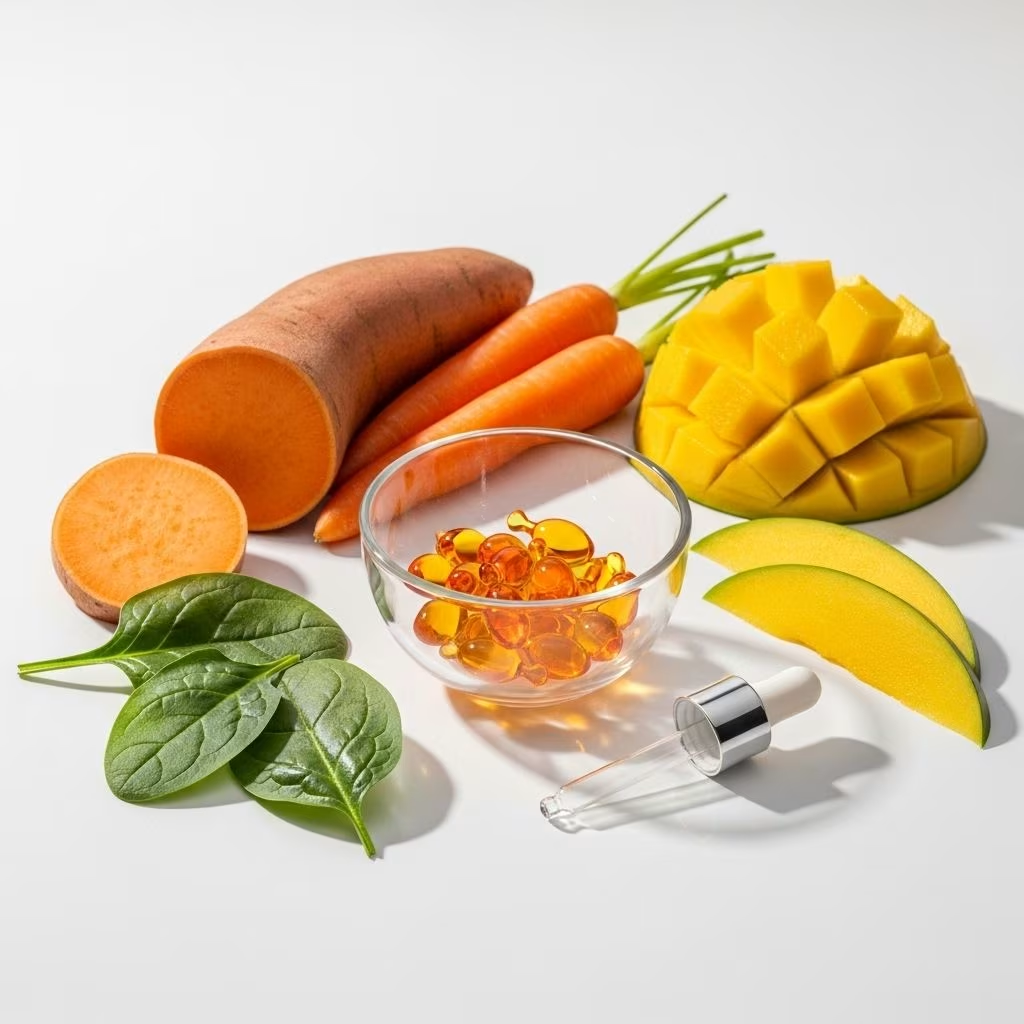
Vitamin A plays a vital role in maintaining healthy skin, supporting immune function, and ensuring normal vision. Its popularity as an oral and topical supplement for skin concerns has surged in recent years. However, understanding the safe upper limits for vitamin A supplementation is crucial to maximize its benefits while minimizing serious health risks. This comprehensive guide explores recommended limits, potential dangers of excess intake, effective dosage strategies, and special precautions – all with a focus on maintaining optimal skin health.
Understanding Vitamin A and Its Role in Skin Health
Vitamin A is a fat-soluble vitamin essential for various physiological processes, including vision, immune defense, cellular communication, and, importantly, skin integrity. In the context of dermatology, vitamin A is widely recognized for its ability to regulate skin cell growth, keratinization, and sebum production. The vitamin exists in two primary forms:
- Preformed Vitamin A (retinol, retinyl esters): Mostly found in animal foods and supplements.
- Provitamin A carotenoids (beta-carotene, alpha-carotene): Primarily derived from plant foods and can be converted into retinol by the body.
Both forms contribute to skin health, but preformed vitamin A is far more potent and carries a greater risk of toxicity when consumed in excess.
Benefits of Vitamin A for Skin
Vitamin A’s popularity in skin care is due to several scientifically recognized benefits:
- Regulation of Cell Turnover: Retinoids promote the shedding of dead skin cells and encourage the growth of new ones.
- Acne Treatment: Retinoids, both oral (prescription) and topical, are commonly prescribed to reduce acne by unclogging pores and reducing inflammation.
- Reduction of Hyperpigmentation: Vitamin A helps fade dark spots and even skin tone.
- Anti-aging Effects: Promotes collagen production, smoothing fine lines and wrinkles.
- Treatment of Skin Conditions: Used therapeutically in managing psoriasis, keratosis pilaris, and other dermatological disorders.
Forms of Vitamin A: Oral vs. Topical Supplementation
Vitamin A can be utilized for skin health in two primary ways:
- Oral Supplements: Available as capsules, tablets, or softgels containing preformed retinol or beta-carotene. Prescription oral retinoids (such as isotretinoin) are reserved for severe acne or certain skin diseases.
- Topical Retinoids: Creams, gels, serums, and lotions containing retinol, retinaldehyde, or retinoic acid derivatives (tretinoin, adapalene) are applied directly to the skin for localized effects.
While topical formulations generally carry a lower risk of systemic toxicity than oral supplements, both forms should be used with awareness of potential side effects and safe dosage limits.
Recommended Dosage and Safe Upper Limits
The tolerable upper intake level (UL) for vitamin A is the maximum daily amount that is unlikely to cause adverse health effects for most individuals. It is important to distinguish between preformed vitamin A and provitamin A carotenoids as the risk profiles differ significantly.
| Population | Upper Limit of Preformed Vitamin A (mcg RAE/day) | Upper Limit (IU) |
|---|---|---|
| Adults (19+ years) | 3,000 mcg RAE | 10,000 IU |
| Teens (14-18 years) | 2,800 mcg RAE | 9,333 IU |
| Children (9-13 years) | 1,700 mcg RAE | 5,667 IU |
| Children (4-8 years) | 900 mcg RAE | 3,000 IU |
| Children (1-3 years) | 600 mcg RAE | 2,000 IU |
Note: These limits include vitamin A from all sources (food, beverages, and supplements). The upper limits apply only to preformed vitamin A (retinol and retinyl esters). Provitamin A carotenoids such as beta-carotene do not have an established upper limit for non-smokers, though excessive intake may still discolor the skin (carotenodermia), which is harmless and reversible.
Safe Use Summary
- For adults, vitamin A supplementation from all sources should not exceed 3,000 mcg retinol activity equivalents (RAE) per day, equal to about 10,000 IU.
- Daily recommended intake for men: 900 mcg RAE. For women: 700 mcg RAE.
Choose lower doses or split doses for older adults due to increased toxicity risk. - Multivitamins should contain no more than 750 mcg RAE as preformed vitamin A per dose for routine use, especially in older adults.
- Consult with a health professional before using high-dose supplements.
Vitamin A Toxicity: What Happens When You Exceed the Limit?
Excessive intake of vitamin A from supplements can result in acute or chronic toxicity, known as hypervitaminosis A. The risk applies exclusively to preformed vitamin A; provitamin A carotenoids rarely cause toxicity.
Potential Side Effects of Overconsumption
- Headache and blurred vision
- Nausea and vomiting
- Dizziness and mental confusion
- Liver damage
- Bone pain and increased risk of fractures (particularly in older adults)
- Dry, peeling, itchy skin and skin irritation
- Birth defects (teratogenicity) in pregnant women
- In severe cases: coma or death
Chronic daily consumption even slightly above the UL can cause subtle but serious health effects over time, especially for older individuals or those with liver disease.
Special Precautions: Who Should Be Extra Careful?
- Pregnant Women: Vitamin A is a well-established teratogen. Exceeding 3,000 mcg RAE (10,000 IU) per day can cause severe birth defects. Monitor vitamin A intake closely during pregnancy and consult a healthcare provider before supplementing.
- Breastfeeding Women: Similar restrictions apply; do not exceed recommended limits.
- Older Adults: They may experience toxicity at lower doses and are also more prone to bone-related side effects.
- Liver Disease: As vitamin A is metabolized in the liver, those with liver disorders should avoid high doses.
- Certain Skin Conditions: People with eczema, rosacea, or skin allergies may experience increased irritation from topical retinoids; consult a dermatologist before use.
- Individuals Using Specific Medications: Vitamin A can interact with medications such as acitretin (for psoriasis), bexarotene (for T-cell lymphoma), and Orlistat (weight loss).
Vitamin A from Diet vs. Supplements
Most people can meet their vitamin A needs through a balanced diet. The risk of toxicity from dietary sources alone is very low unless consuming large amounts of animal liver regularly. Supplements, however, can result in highly concentrated doses and potential overuse.
| Source | Risk of Toxicity | Remarks |
|---|---|---|
| Dietary (mixed foods) | Low (except liver in high amounts) | Balanced diet sufficient for most; no upper limit for beta-carotene. |
| Supplements (preformed) | Moderate to high if exceeding UL | Toxicity may occur more easily due to concentrated dosing. |
| Topical retinoids | Mainly local irritation/risk; minimal systemic toxicity unless misused | Start with lower strengths and gradually increase as tolerated. |
Reading Supplement Labels and Ensuring Safety
Labeling of vitamin A supplements varies, with contents sometimes listed in International Units (IU) or micrograms (mcg), and not always specifying the form or proportion of vitamin A. To ensure safe use:
- Check for manufacturer transparency: Labels should clearly state the amount in mcg RAE and the forms (retinol vs. beta-carotene).
- Be cautious with “high-potency” products and those marketed for rapid skin results.
- Supplements should include a pregnancy warning if doses approach or exceed 3,000 mcg RAE.
- Discuss supplement use with healthcare providers, especially if you are pregnant, over 50, or living with chronic health conditions.
Regulatory oversight is limited with over-the-counter supplements. Reports of adverse reactions should be submitted to the FDA’s MedWatch program. When in doubt, prioritize a food-first approach to vitamin A and use supplements only when recommended by a qualified healthcare provider.
Frequently Asked Questions (FAQs)
Q: Can taking more vitamin A improve my skin faster?
No. Doses above the upper daily limit will not further improve your skin and significantly increase the risk of toxicity and side effects. Results are best achieved at safe and recommended doses.
Q: Are topical vitamin A products (retinoids) as risky as oral supplements?
Topical retinoids may cause local irritation (redness, peeling, sun sensitivity), but systemic toxicity is rare when used as directed. Oral supplements carry a much higher risk of systemic side effects.
Q: Is it safe to use both oral and topical vitamin A for skin concerns?
Combining oral and topical vitamin A increases the risk of excessive vitamin A exposure. Consult a dermatologist before using both concurrently, and monitor for signs of irritation or toxicity.
Q: What signs signal vitamin A overdose?
Acute signs include headache, blurred vision, dizziness, and nausea. Chronic signs may include bone pain, liver abnormalities, dry and peeling skin, and mental confusion. Discontinue use and seek medical advice if these symptoms develop.
Q: Should smokers take beta-carotene supplements for skin health?
No. Studies have shown that high-dose beta-carotene supplements increase the risk of lung cancer in smokers and possibly former smokers.
References
- Healthline: Vitamin A for Skin – Benefits, Risks, and Limitations
- WebMD: Vitamin A – Uses, Side Effects, and More
- NIH Office of Dietary Supplements: Vitamin A Fact Sheet
- Linus Pauling Institute (Oregon State University): Vitamin A
- Cleveland Clinic: Vitamin A Toxicity – How Much Vitamin A Is Too Much?
- Mayo Clinic: Vitamin A
- NHS: Vitamin A – Vitamins and Minerals
- Journal of Ethics, AMA: Assessing Risks of Over-the-Counter Vitamin Supplements
References
- https://www.healthline.com/health/vitamin-a-for-skin
- https://www.webmd.com/vitamins/ai/ingredientmono-964/vitamin-a
- https://ods.od.nih.gov/factsheets/VitaminA-Consumer/
- https://journalofethics.ama-assn.org/article/do-you-know-how-assess-risks-posed-over-counter-vitamin-supplements/2022-05
- https://lpi.oregonstate.edu/mic/vitamins/vitamin-A
- https://ods.od.nih.gov/factsheets/VitaminA-HealthProfessional/
- https://www.mayoclinic.org/drugs-supplements-vitamin-a/art-20365945
- https://www.nhs.uk/conditions/vitamins-and-minerals/vitamin-a/
- https://health.clevelandclinic.org/vitamin-a-toxicity


