


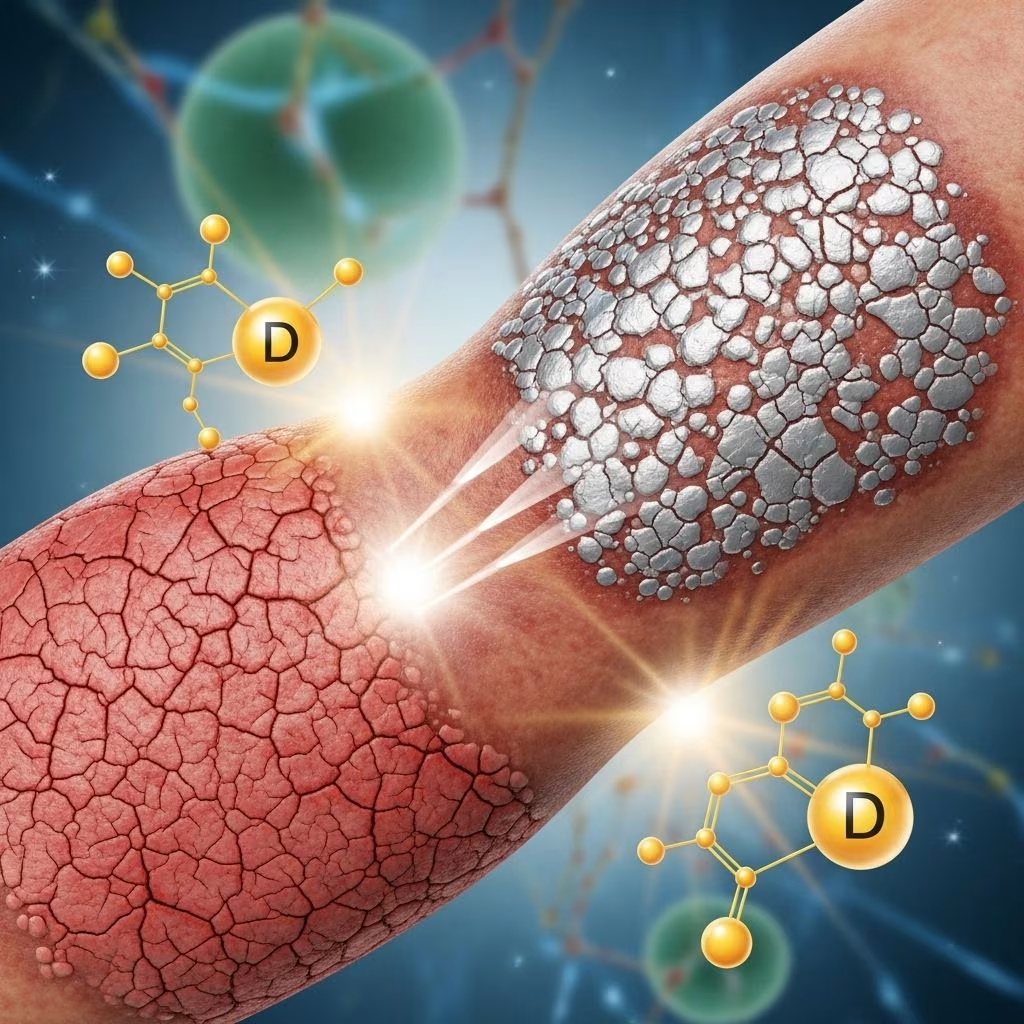
Introduction to Vitamin D and Skin Health
Vitamin D, once primarily recognized for its role in bone health, has been found to play significant roles in immune system regulation and skin health. Recent studies have highlighted a potential connection between vitamin D deficiency and skin conditions like psoriasis and eczema. This article will explore the current understanding of vitamin D’s role in these conditions, examining both the research and practical implications.
Understanding Psoriasis and Eczema
Psoriasis is a chronic immune-mediated inflammatory skin condition characterized by hyper-proliferation of epidermal keratinocytes. It results in thick plaques and can significantly impact quality of life. Eczema (atopic dermatitis) is another chronic condition involving inflammation of the skin, leading to itching, redness, and small, raised bumps. Both conditions are influenced by genetic and environmental factors.
Vitamin D and Psoriasis
There is a notable association between vitamin D deficiency and the severity of psoriasis. Studies have shown that individuals with more severe psoriasis often have lower vitamin D levels in their blood. This is important because vitamin D is involved in the proliferation and maturation of keratinocytes, which are key cells in psoriatic lesions. Topical vitamin D analogs are commonly used to treat psoriasis by binding to vitamin D receptors on these cells, thereby reducing their hyper-proliferation.
Table: Vitamin D Levels and Psoriasis Severity
| Vitamin D Level | Psoriasis Severity |
|---|---|
| 67 nmol/L | Least severe |
| 56 nmol/L | Most severe |
Biological Connection
The biological connection between vitamin D and psoriasis is centered around the role of vitamin D in maintaining skin barrier homeostasis. Vitamin D receptors are present on keratinocytes, the cells primarily affected in psoriasis. Variations in the vitamin D receptor gene have been linked to an increased risk of developing psoriasis, further emphasizing the connection.
Vitamin D and Eczema
Similar to psoriasis, there is evidence suggesting a link between vitamin D levels and eczema, particularly in children and adolescents. Lower serum vitamin D concentrations have been associated with a higher incidence of eczema, although the relationship between vitamin D levels and the severity of eczema symptoms is more complex and varies across studies.
Genetic Factors
Genetics play a crucial role in the connection between vitamin D and eczema. Some individuals with eczema may have genetic variations affecting vitamin D metabolism, leading to lower levels of active vitamin D and potentially increasing the risk of severe eczema.
Environmental and Lifestyle Factors
Environmental factors, such as sunlight exposure, can impact vitamin D levels. Populations living in higher latitude areas often have lower vitamin D levels due to reduced sunlight, which can exacerbate skin conditions like eczema. Lifestyle interventions, including dietary modifications and supplementation, may help address vitamin D deficiency.
Potential Treatments and Prevention
While vitamin D supplementation has shown promise in treating psoriasis and eczema, the evidence is not yet conclusive. Topical vitamin D analogs are effective for psoriasis, but oral supplementation’s impact on psoriasis severity is less clear. For eczema, supplementation may offer modest benefits, particularly in populations with confirmed deficiency.
Frequently Asked Questions (FAQs)
Q: Does vitamin D deficiency directly cause psoriasis or eczema?
A: Vitamin D deficiency is associated with more severe psoriasis and a higher risk of eczema, but it is not a direct cause. The relationship is complex and involves multiple factors.
Q: How can I increase my vitamin D levels?
A: Vitamin D levels can be increased through sun exposure, dietary intake (fatty fish, fortified dairy products), and supplementation.
Q: Is vitamin D supplementation beneficial for psoriasis and eczema?
A: While topical vitamin D analogs are effective for psoriasis, oral supplementation’s benefits are less clear. In eczema, supplementation may offer modest benefits, particularly in those with deficiency.
Conclusion
The connection between vitamin D deficiency and skin conditions like psoriasis and eczema is an area of ongoing research. While the evidence suggests a link, particularly in the severity of psoriasis, more studies are needed to fully understand the benefits of vitamin D supplementation in treating these conditions. Maintaining adequate vitamin D levels through diet, sun exposure, or supplementation may be beneficial for overall skin health.
References
1. MyEczemaTeam – Vitamin D and Eczema: Is There a Connection?
2. Medical News Today – Psoriasis: Vitamin D deficiency linked to more severe symptoms
3. PMC – Vitamin D and the Development of Atopic Eczema
References
- https://www.myeczemateam.com/resources/are-eczema-and-vitamin-d-deficiency-related
- https://www.medicalnewstoday.com/articles/vitamin-d-deficiency-psoriasis-severity-study
- https://pmc.ncbi.nlm.nih.gov/articles/PMC4470215/
- https://pmc.ncbi.nlm.nih.gov/articles/PMC5486909/
- https://www.psoriasis.org/advance/vitamin-d-for-psoriasis/
- https://nationaleczema.org/blog/get-the-facts-vitamin-d/
- https://jamanetwork.com/journals/jamadermatology/fullarticle/2802780


