


Introduction
In the quest for healthy, glowing skin, increasingly more people are turning to nature’s superfoods—particularly algae like chlorella and spirulina. These marine plants are celebrated not only for their dense nutritional profiles but also for their potential to detoxify the body and promote skin clarity from within. This article dives into the scientific evidence, practical benefits, and best ways to use chlorella and spirulina specifically for skin health, with a focus on detoxification and achieving a clearer complexion.
What Are Chlorella & Spirulina?
Chlorella and spirulina are two types of algae—single-celled, freshwater plants—that have been consumed for centuries for their health benefits. Spirulina is a blue-green algae (cyanobacteria), rich in protein, vitamins, and minerals, and renowned for its high antioxidant content. Chlorella, a green alga, is similarly nutrient-dense and is especially noted for its ability to bind heavy metals and toxins, aiding in detoxification. Both are available as powders, tablets, or in capsules and are commonly added to smoothies, juices, and skin care formulations.
Nutrient Profile: Why They Matter for Skin
Both chlorella and spirulina are among the most nutrient-dense foods on Earth. Here’s what sets them apart for skin health:
| Nutrient | Chlorella | Spirulina |
|---|---|---|
| Protein | High, complete protein | High, complete protein |
| Antioxidants | Rich (chlorophyll) | Rich (phycocyanin) |
| Vitamins | A, C, E, B-complex | A, B-complex, E, K |
| Minerals | Iron, zinc, magnesium | Iron, magnesium, calcium |
| Omega-3s | Yes | Yes |
| Detox Agents | Chlorophyll, binds heavy metals | Less direct, but supports liver detox |
These nutrients work synergistically to combat oxidative stress, support collagen synthesis, and promote cellular regeneration—all vital for clear, healthy skin.
The Science Behind Skin Detox & Clarity
Skin clarity and detoxification are linked to the body’s ability to eliminate toxins, reduce inflammation, and protect against oxidative damage. Chlorella and spirulina offer a multi-pronged approach:
- Detoxification: Chlorella’s cell wall binds to heavy metals and environmental toxins, helping the body excrete them more efficiently. Spirulina’s nutrients support liver function, a key organ in detoxification.
- Antioxidant Protection: Both algae are rich in antioxidants that neutralize free radicals—unstable molecules that damage skin cells and accelerate aging.
- Anti-Inflammatory Effects: Spirulina, in particular, has been shown to modulate immune responses and reduce inflammation, which can help calm irritated skin.
- Gut-Skin Connection: A healthy gut microbiome is essential for clear skin. Both algae support gut health, indirectly benefiting skin clarity by reducing systemic inflammation and improving nutrient absorption.
Top Benefits for Skin
Incorporating chlorella and spirulina into your routine may offer several skin-specific benefits:
- Enhanced Skin Radiance: Their high vitamin and mineral content promotes a healthy glow and even skin tone.
- Reduced Signs of Aging: Antioxidants fight free radicals, while amino acids support collagen and elastin production, reducing wrinkles and fine lines.
- Detoxified Complexion: By aiding the body’s natural detox pathways, these algae help clear the skin of impurities that can lead to breakouts and dullness.
- Improved Skin Hydration: Essential fatty acids and minerals help maintain the skin’s moisture barrier.
- Calms Sensitive Skin: Anti-inflammatory compounds may soothe conditions like eczema, psoriasis, and acne.
Antioxidant Effects: Fighting Free Radicals
Oxidative stress is a major contributor to skin aging and discoloration. Both chlorella and spirulina are packed with antioxidants—chlorophyll in chlorella and phycocyanin in spirulina—which help neutralize harmful free radicals. This protective effect helps prevent cellular damage, keeping the skin youthful and vibrant.
In a rat study, spirulina administered under the skin increased antioxidant levels, reduced inflammation, and supported the recovery of collagen density, demonstrating its potential for topical and internal skin benefits.
Collagen Support & Anti-Aging
Collagen is the protein responsible for skin’s firmness and elasticity. As we age, collagen production declines, leading to sagging and wrinkles. Both algae contain amino acids like glycine and proline, which are building blocks for collagen.
Studies suggest spirulina may increase growth factors in dermal fibroblast cells, which are crucial for collagen synthesis, potentially offering a skin-tightening effect. Chlorella, with its higher content of hydroxyproline peptides, may also stimulate tissue growth and regeneration.
Additionally, these algae inhibit enzymes (MMPs) that break down collagen and elastin, further protecting the skin’s youthful structure.
Detoxification Mechanisms: How They Rid Your Skin of Toxins
Detoxification is essential for clear skin, as accumulated toxins can lead to breakouts, dullness, and premature aging. Chlorella is particularly notable for its detoxifying effects, thanks to its unique cell wall structure that binds to heavy metals and other toxins, facilitating their removal from the body. This process can help reduce the burden on the skin, allowing it to function optimally.
Spirulina, while less directly involved in heavy metal detox, supports the liver—the body’s primary detox organ—by providing essential nutrients that enhance its function. This indirect support helps the skin by reducing the overall toxic load the body must process.
Environmental pollutants, smoking, and poor diet can all contribute to toxin buildup. Incorporating these algae into your routine can help counteract these effects, promoting a clearer, healthier complexion.
Chlorella & Spirulina for Specific Skin Conditions
While research is ongoing, some studies and anecdotal evidence suggest benefits for specific skin issues:
- Acne: Spirulina’s antimicrobial and anti-inflammatory properties may help reduce acne when used both internally and topically. Its high antioxidant content can also mitigate post-acne marks and promote healing.
- Eczema & Psoriasis: Topical application of spirulina ointment improved eczema symptoms in a small study, and spirulina reduced psoriasis lesions in animal models. Anti-inflammatory effects may be responsible for these benefits.
- Aging Skin: Both algae’s antioxidant profiles help combat oxidative stress, a key factor in skin aging. Their collagen-supportive nutrients may help reduce wrinkles and improve skin elasticity.
Topical vs. Oral Use: Which Is Better?
Both oral supplementation and topical application of chlorella and spirulina may benefit the skin, but their effects differ:
- Oral Supplementation: Taken daily as tablets or powder, these algae work from within to detoxify, reduce inflammation, and provide essential nutrients for skin repair. This approach is best for overall skin health and long-term clarity.
- Topical Application: Sporadic research supports the use of spirulina in creams or masks for targeted issues like acne, hyperpigmentation, or aging. Topical use delivers antioxidants and anti-inflammatory compounds directly to the skin, but evidence is less robust than for internal use.
For best results, consider combining both methods—supplementing daily and using occasional topical treatments.
How to Use Chlorella & Spirulina for Skin Detox
Daily Supplementation
- Start Slowly: Begin with small doses (1–2 grams per day) and gradually increase to avoid digestive upset.
- Choose Quality: Opt for organic, third-party tested products to avoid contamination with heavy metals or toxins.
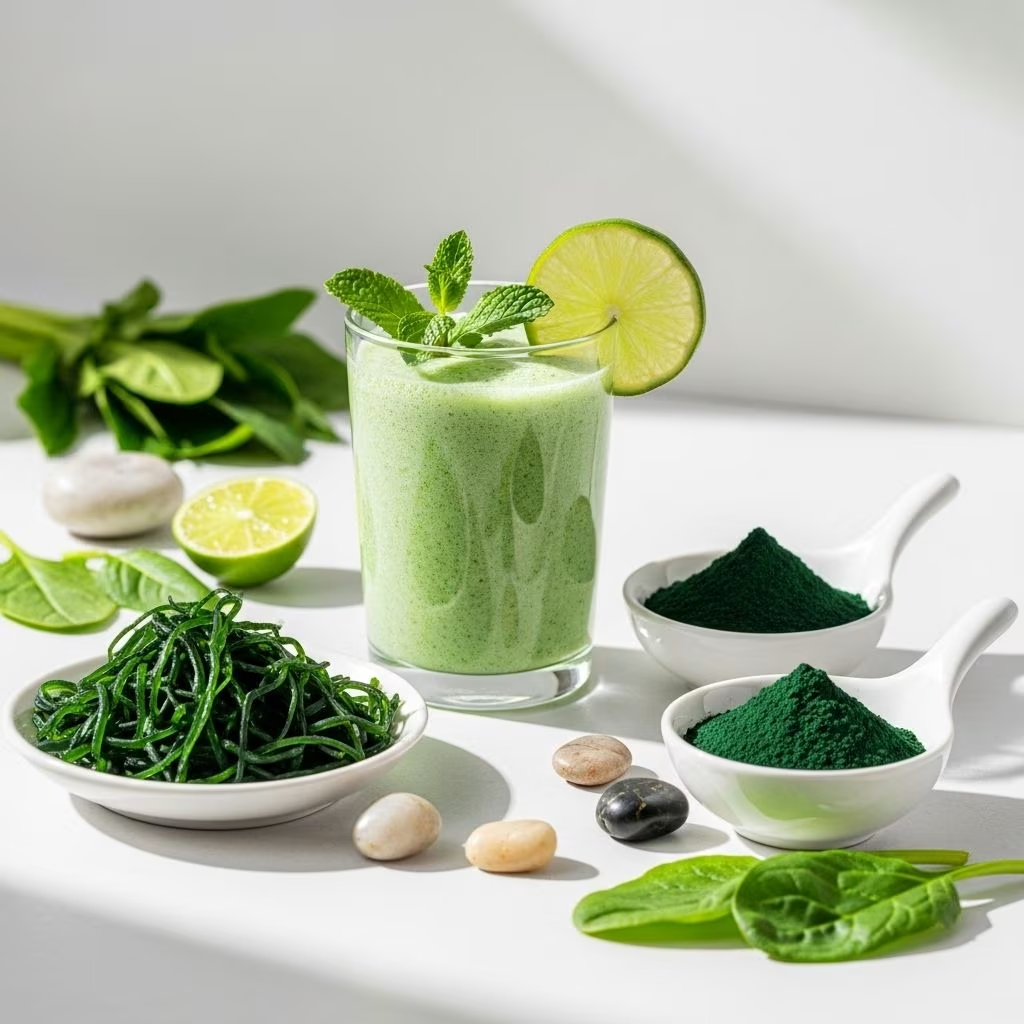
- Mix into Smoothies: Blend powder into green smoothies, juices, or water for easy consumption.
- Take Consistently: For best results, use daily as part of a balanced diet and skincare routine.
Topical Applications
- DIY Face Mask: Mix spirulina or chlorella powder with water, honey, or yogurt to create a nourishing face mask. Apply for 10–15 minutes, then rinse.
- Spot Treatment: For blemishes, apply a paste of algae powder and water directly to the affected area.
- Serum Additive: Add a pinch of spirulina or chlorella to your favorite serum or moisturizer for an antioxidant boost.
Precautions and Potential Side Effects
While chlorella and spirulina are generally safe for most people, consider the following:
- Consult a Professional: Speak with a healthcare provider before starting, especially if you have autoimmune conditions, are pregnant, or take medications.
- Quality Matters: Purchase from reputable sources to avoid contamination with heavy metals, microcystins, or other pollutants.
- Digestive Effects: Some people experience bloating, gas, or green stools when starting supplementation.
- Allergic Reactions: Rarely, allergic reactions or skin irritation (with topical use) may occur.
Chlorella vs. Spirulina: A Quick Comparison
| Feature | Chlorella | Spirulina |
|---|---|---|
| Detoxification | Superior (binds heavy metals) | Moderate (supports liver) |
| Protein Content | High | High |
| Antioxidants | Chlorophyll, vitamin C | Phycocyanin, vitamin E |
| Collagen Support | High (hydroxyproline) | Moderate (amino acids) |
| Best For | Heavy metal detox, gut health | Anti-aging, immune support |
Frequently Asked Questions
Q: Can chlorella and spirulina really detox my skin?
A: Yes, both algae support the body’s natural detoxification processes. Chlorella is especially effective at binding and removing heavy metals, while spirulina supports liver function and provides antioxidants that protect skin from toxin-related damage.
Q: How long does it take to see results?
A: Results vary, but many people report improved skin clarity and radiance within 4–6 weeks of consistent use. Topical applications may show quicker, more localized effects.
Q: Can I use chlorella and spirulina if I have sensitive skin?
A: Yes, both are generally well-tolerated. Start with small doses and patch-test topical applications. Discontinue use if irritation occurs.
Q: Are there any risks to using these algae?
A: Risks are minimal when sourced from reputable suppliers. Possible side effects include digestive discomfort and, rarely, allergic reactions. Always consult your healthcare provider, especially if you have underlying health conditions.
Q: Can I use both chlorella and spirulina together?
A: Absolutely! Combining both can maximize detoxification, antioxidant intake, and overall skin health benefits.
Conclusion
Chlorella and spirulina are among the most nutrient-dense, detoxifying superfoods available, with promising benefits for skin clarity, radiance, and overall health. Their rich antioxidant profiles, collagen-supporting nutrients, and unique detox capabilities make them valuable additions to both dietary and topical skincare routines. While research is ongoing, the current evidence and centuries of traditional use support their role in achieving clear, healthy, and glowing skin—naturally.
References
- https://www.healthline.com/health/beauty-skin-care/spirulina-benefits-skin
- https://energybits.com/blogs/blog/anti-aging-benefits-of-chlorella-and-spirulina-for-skin-and-hair
- https://pmc.ncbi.nlm.nih.gov/articles/PMC3136577/
- https://clav-health.com/blogs/magazine/spirulina-chlorella-for-your-skin-whats-behind-it


