


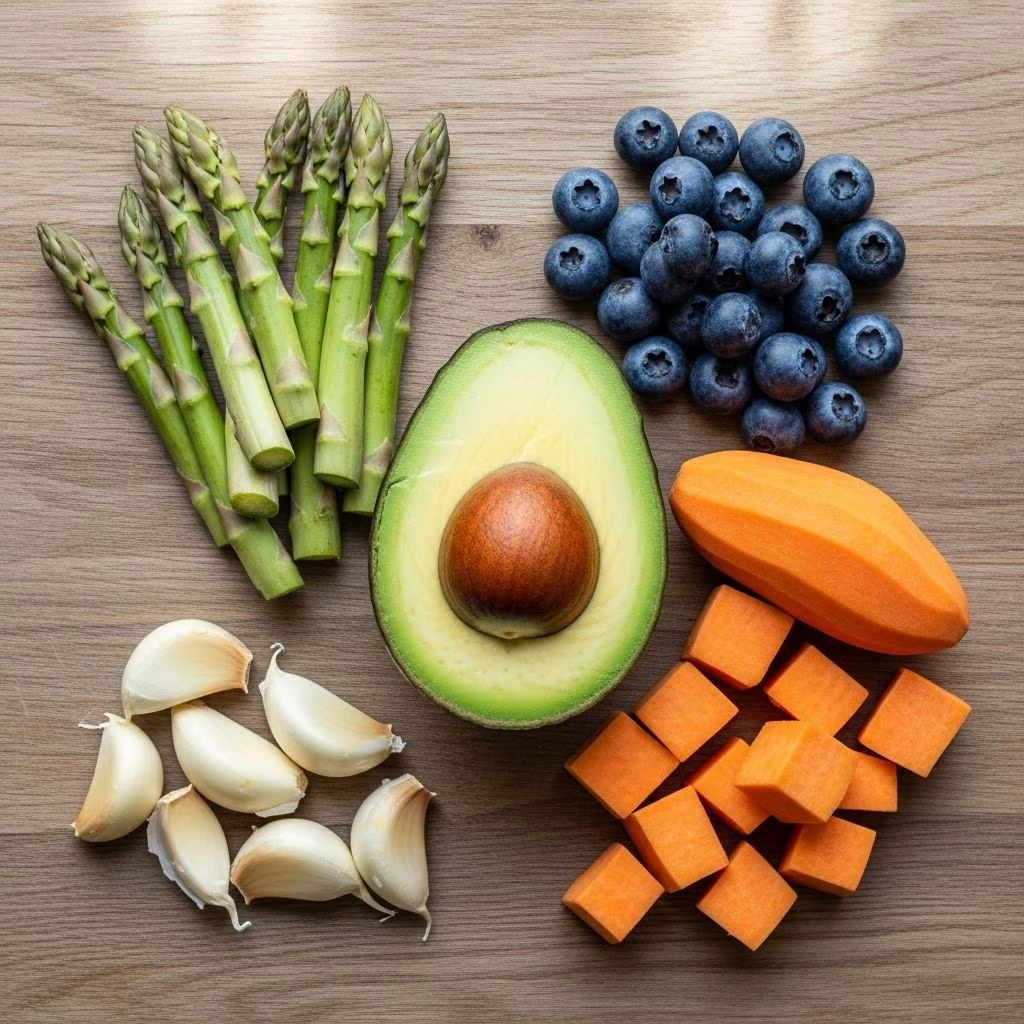
What Are Prebiotic Fibers?
Prebiotic fibers are a special type of dietary fiber that selectively nourish the beneficial bacteria residing in your gut. Unlike probiotics—which introduce live bacteria to your digestive tract—prebiotics serve as a food source for these beneficial bacteria, helping them thrive and maintain a balanced gut microbiome.
- Prebiotic fibers are non-digestible by human enzymes and reach the colon intact, where they are fermented by gut bacteria.
- Fructo-oligosaccharides (FOS), galacto-oligosaccharides (GOS), inulin, resistant starch, and a variety of plant fibers are examples of prebiotic fibers.
- They are found in foods such as bananas, garlic, onions, asparagus, oats, flaxseeds, and chicory root.
The fermentation of prebiotic fibers in the colon produces short-chain fatty acids (SCFAs) like acetate, propionate, and butyrate, which play crucial roles in gut health, immune regulation, and even skin physiology.
Why Does Collagen Matter for Skin?
Collagen is the most abundant structural protein in your skin, accounting for about 75–80% of its dry weight. It acts as a scaffold, providing elasticity, firmness, and hydration.
- Collagen synthesis naturally declines with age, leading to wrinkles, fine lines, and sagging skin.
- Environmental factors such as UV radiation, pollution, and poor nutrition can accelerate collagen breakdown.
- Skin hydration and elasticity are directly correlated with collagen density, and supplements have been shown to improve these parameters, especially in older adults.
Collagen loss is a hallmark of skin aging, and maintaining or boosting its synthesis is a central goal in dermatology and cosmetic science.
The Gut-Skin Axis: How Your Gut Influences Your Skin
Emerging research highlights the bidirectional communication between the gut and skin, known as the gut-skin axis. A healthy gut microbiome is essential for effective nutrient absorption, immune function, and even skin appearance.
- A balanced gut microbiome ensures that vital nutrients—including amino acids, vitamin C, and hyaluronic acid—are absorbed and utilized for collagen synthesis in the skin.
- Gut dysbiosis (an imbalance in gut bacteria) can impair nutrient absorption and promote inflammation, which accelerates collagen degradation and skin aging.
- Chronic gut inflammation is linked to skin conditions such as acne, eczema, and premature aging due to increased collagen breakdown.
By supporting a healthy gut environment, prebiotic fibers indirectly promote optimal conditions for collagen production and skin health.
Mechanisms by Which Prebiotic Fibers Boost Collagen Synthesis
Enhanced Nutrient Absorption
Prebiotic fibers strengthen the gut lining, which is essential for efficient absorption of nutrients involved in collagen synthesis, such as proline, glycine, lysine, and vitamin C.
- Vitamin C is a cofactor for enzymes (prolyl and lysyl hydroxylases) that stabilize the collagen triple helix.
- A compromised gut barrier (e.g., leaky gut syndrome) can reduce the bioavailability of these critical nutrients, impairing collagen formation.
Reduction of Inflammation
Gut inflammation triggers the release of pro-inflammatory cytokines and enzymes like matrix metalloproteinases (MMPs) that break down collagen.
- Prebiotic fibers promote the growth of beneficial bacteria (Bifidobacteria, Lactobacillus, etc.) that produce SCFAs, which have anti-inflammatory properties.
- SCFAs help maintain gut barrier integrity and reduce systemic inflammation, thereby protecting collagen fibers from premature degradation.
Promotion of Beneficial Skin Microbiota
Prebiotic fibers not only support gut bacteria but also influence the skin microbiome.
- Certain oligosaccharides, such as FOS and GOS, have been shown to promote the growth of beneficial skin commensals like Staphylococcus epidermidis and inhibit pathogens such as Staphylococcus aureus.
- The metabolites produced by these bacteria, including lactic acid and SCFAs, contribute to skin hydration, a slightly acidic skin pH, and barrier function.
Prebiotic Fibers and Their Direct Effects on Skin Health
Both oral and topical applications of prebiotic oligosaccharides have shown promising dermatological benefits:
- Skin hydration and elasticity: Fermentation of prebiotic fibers leads to increased lactic acid production, which is a natural moisturizing factor for the skin.
- Anti-aging effects: By reducing inflammation and oxidative stress, prebiotic fibers help protect collagen from environmental damage and age-related degradation.
- Prevention of skin disorders: Clinical and animal studies report benefits in atopic dermatitis, acne, and photoaging by modulating immune and microbial responses.
- Wound healing: Certain prebiotic oligosaccharides have demonstrated wound-healing properties in preclinical studies.
These findings suggest that prebiotic fibers can be valuable additions to both dietary and topical skincare routines for comprehensive skin health.
Top Prebiotic Fibers for Collagen Synthesis
The following table summarizes the most effective prebiotic fibers for promoting gut and skin health, along with their food sources:
| Prebiotic Fiber | Food Sources | Key Benefits |
|---|---|---|
| Fructo-oligosaccharides (FOS) | Bananas, onions, garlic, asparagus, chicory root | Promotes Bifidobacteria, reduces inflammation, enhances nutrient absorption |
| Galacto-oligosaccharides (GOS) | Legumes, dairy, certain grains | Supports Lactobacillus, improves gut barrier function |
| Inulin | Chicory root, Jerusalem artichoke, garlic, leeks | Boosts beneficial bacteria, enhances calcium absorption, supports skin hydration |
| Resistant Starch | Cooked and cooled rice/potatoes, green bananas | Produces butyrate, strengthens gut lining, reduces inflammation |
| Beta-glucan (Oat) | Oats, barley, mushrooms | Supports skin commensals, boosts lactic acid, enhances hydration |
How to Incorporate Prebiotic Fibers Into Your Diet
To maximize the benefits of prebiotic fibers for skin health and collagen synthesis, focus on a varied, fiber-rich diet:
- Include bananas, onions, garlic, asparagus, and oats in your meals regularly.
- Add chicory root to your coffee or tea, or enjoy it as a salad green.
- Snack on nuts and seeds such as flaxseeds and almonds.
- Use whole grains like barley, rye, and wheat.
- Enjoy resistant starch by consuming cooled, cooked potatoes and green bananas.
If dietary intake is insufficient, prebiotic supplements—such as those containing FOS or inulin—can be considered, but whole foods are generally preferable for overall health.
Diet vs. Supplements: What Works Best?
While a diet rich in prebiotic foods provides holistic benefits, supplements can be helpful for individuals with dietary restrictions or specific health goals:
- Dietary sources provide a broad spectrum of nutrients, fiber, and phytochemicals that work synergistically for gut and skin health.
- Supplements can offer concentrated doses of specific prebiotic fibers (e.g., FOS, GOS, inulin) and are convenient for targeted support.
- Combined collagen and prebiotic supplements have emerged as a promising approach, as they address both nutrient supply (collagen peptides) and absorption (prebiotic fibers).
The best approach is to prioritize a prebiotic-rich diet, supplementing only when necessary, and consulting a healthcare professional for personalized advice.
Future Research and Commercial Applications
Research into prebiotic fibers and skin health is rapidly evolving:
- Mechanistic studies are deepening our understanding of how specific oligosaccharides interact with both gut and skin microbiomes.
- Clinical trials are exploring the efficacy of oral and topical prebiotic formulations in treating dermatological conditions and aging.
- Cosmetic industry is integrating prebiotic oligosaccharides into skincare products for their moisturizing, anti-inflammatory, and microbiome-balancing effects.
Innovations in synthetic oligosaccharides and personalized microbiome therapies are on the horizon, promising more effective and targeted skin health interventions.
Frequently Asked Questions (FAQs)
Q: What is the difference between prebiotics and probiotics?
Prebiotics are non-digestible fibers that feed beneficial gut bacteria, while probiotics are live beneficial bacteria themselves. Both work together to support gut and skin health.
Q: Can prebiotic fibers replace collagen supplements?
No, prebiotic fibers enhance the absorption and utilization of collagen and other nutrients but do not directly supply collagen. They are complementary, not substitutive.
Q: How long does it take to see skin improvements from increasing prebiotic fiber intake?
Improvements in skin hydration and appearance may begin within a few weeks to months, but results depend on individual gut health, diet, and lifestyle factors.
Q: Are there any side effects of consuming prebiotic fibers?
Most people tolerate prebiotic fibers well, but some may experience bloating or gas when increasing intake too quickly. Gradual introduction is recommended.
Q: Can topical prebiotic skincare products benefit collagen synthesis?
Topical prebiotics can modulate the skin microbiome, improve hydration, and support barrier function, but their direct effect on collagen synthesis in the dermis is still under study.
Q: Who should consider prebiotic collagen fiber supplements?
These supplements may benefit individuals seeking to optimize skin health, support gut function, and enhance the effects of collagen supplementation. Always consult a healthcare provider before starting new supplements.
References
- https://btwellness.co/blogs/wellness-beauty/how-prebiotics-help-your-body-produce-more-collagen
- https://pmc.ncbi.nlm.nih.gov/articles/PMC12189978/
- https://pmc.ncbi.nlm.nih.gov/articles/PMC10385652/
- https://www.droracle.ai/articles/79238/what-is-prebiotic-collagen-fibre
- https://www.paiskincare.us/blogs/guides/prebiotic-inulin-benefits-skincare
- https://www.webmd.com/diet/collagen-health-benefits


