


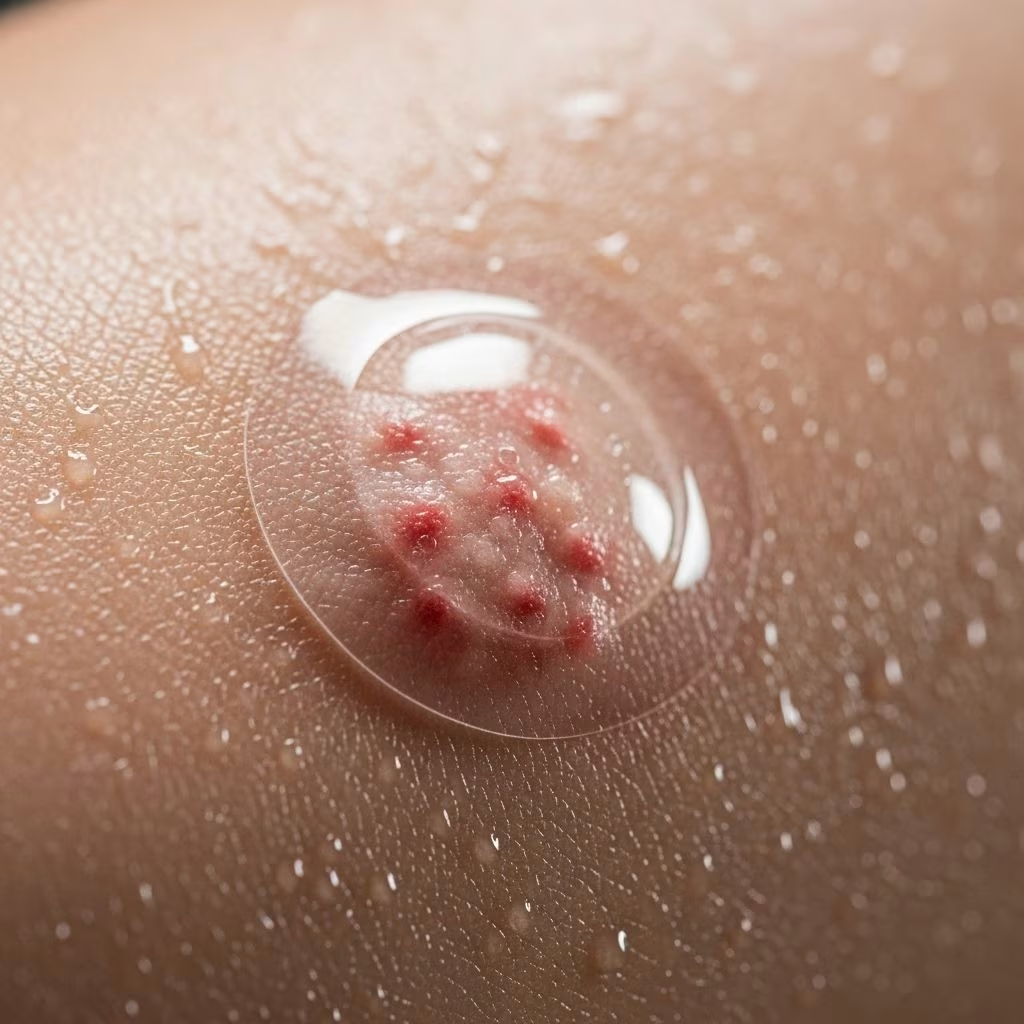
Sweat-induced pimples, often appearing as stubborn, inflamed bumps after exercise or exposure to hot, humid conditions, can be frustrating for adults and teens alike. In recent years, hydrocolloid pimple patches have rapidly gained popularity for their reputation as fast, easy, and gentle spot treatments. But do they really deliver on their promise, especially for sweat-induced breakouts? This in-depth review examines the science, effectiveness, advantages, precautions, and best practices for using hydrocolloid patches against sweat pimples.
What Are Hydrocolloid Patches?
Hydrocolloid patches are thin, flexible, adhesive dressings originally developed as medical bandages for wound healing. They consist of an inner layer containing cellulose-based hydrocolloid gel and an outer protective backing (often polyurethane) that is both moisture-resistant and breathable. In skincare, their primary use is for covering pimples, especially those that are already open or leaking pus (“whiteheads” or inflamed spots) to aid in healing and prevention of further irritation.
- Transparent or lightly opaque — can be worn discreetly even during the day.
- Flexible — adhere snugly to facial contours and other body areas prone to sweat breakouts.
- Create a physical barrier to shield blemishes from bacteria, pollution, UV exposure, and picking.
- Varieties include plain hydrocolloid, medicated patches (infused with actives like salicylic acid), and innovative styles like microneedle patches.
Sweat Pimples: An Overview
Sweat pimples, sometimes referred to as “sweat-induced acne” or “sports acne,” are breakouts that arise or worsen following intense perspiration. Areas most affected are the forehead, back, chest, and shoulders. The combination of sweat, friction, and bacteria trapped against the skin — particularly under clothing or headbands — can clog pores, cause irritation, and trigger inflammation.
- Common after vigorous exercise, hot climates, or wearing tight, non-breathable fabrics regularly.
- Tend to appear as red, sometimes pus-filled bumps — similar to typical whiteheads or pustules.
- Can worsen with repetitive touching, picking, or failure to shower/change clothes after sweating.
How Do Hydrocolloid Patches Work?
The science behind hydrocolloid patches centers on creating a moist, occlusive environment that speeds up skin healing while providing protection from external contaminants. Here’s a closer look at their functional mechanisms:
- Absorption of Fluids: The hydrocolloid gel absorbs pus, excess oil (sebum), and other ‘gunk’ from within a pimple into the patch, helping flatten it faster and keeping the area less inflamed.
- Moist Environment for Healing: Prevents scab formation and reduces trans-epidermal water loss (TEWL), minimizing scarring and supporting the skin’s natural repair processes.
- Physical Shield: Reduces the risk of secondary infection, further trauma, picking, and introduction of dirt or more bacteria.
- Blockage of UV Light: May help reduce post-inflammatory hyperpigmentation (dark marks left after pimples heal) by protecting damaged skin from sunlight exposure.
Unlike some medicated spot treatments that work by chemical exfoliation or direct antibacterial action, hydrocolloid patches mainly facilitate gentle, non-irritating healing through fluid management and barrier protection.
Effectiveness of Hydrocolloid Patches for Sweat Pimples
Several clinical and user-based studies, as well as dermatological endorsements, highlight the key performance points of hydrocolloid patches on active acne, including sweat-induced pimples:
- When applied after cleaning the skin and directly over moist, draining pimples, these patches rapidly absorb discharge, flatten the bump, and promote faster visible healing.
- They reduce severity and duration of pimples compared with covering the spot with regular tape or leaving it open.
- Help control redness, oiliness, and post-acne pigmentation due to their occlusive and UV-protective qualities.
- Best suited for whiteheads and fresh, moist pimples but less helpful for deep, cystic, or non-draining blemishes.
For sweat pimples, which often become inflamed and pustular because of continuous moisture and physical irritation, hydrocolloid patches offer:
- Swift symptom relief — Reduces tenderness, size, and itching often associated with friction and sweat buildup.
- Prevention of picking — Blocks the urge to touch, squeeze, or scratch sweaty damaged skin, which is crucial for stopping breakouts from getting worse.
- Reduced risk of marks and scarring — Especially important on areas that undergo repetitive sweat exposure (forehead, back, chest).
Relevant Study Results
- Research shows that after applying hydrocolloid patches for 7 days (changing every 2 days), participants had significantly less severe acne and better oil control than those using surgical tape.
- Patches made with antibacterial agents (e.g., gelatin and cortex extracts) proved even more effective in accelerating repair of inflammatory acne lesions.
Benefits of Hydrocolloid Patches
Hydrocolloid pimple patches have become a mainstay for spot acne therapy due to several distinct benefits, especially in managing sweat pimples:
- Convenience — Easy to apply, carry, and use on-the-go; suitable for day or overnight wear.
- Discreetness — Most patches are thin and nearly invisible, allowing users to hide and treat blemishes without drawing attention.
- Physical protection — Prevents dust, sweat, and pollution from entering open pimples; ideal for gym-goers or athletes.
- Reduced inflammation — Occlusive, moist environment calms redness and irritation faster than exposure to air and friction.
- Support for skin healing — Fosters better collagen formation, lowering the risk of persistent dark marks (post-acne hyperpigmentation).
- Prevents habitual picking — A major cause of acne scarring and prolonged healing, especially in visible or itchy sweat pimples.
- Affordable — Cost-effective; patches generally cost less than many medicated spot treatments or creams.
Potential Drawbacks and Limitations
No single acne solution is universal, and hydrocolloid patches have important limitations to consider, particularly for sweat acne:
- Not for deep cysts — These patches work best on surface-level pimples (whiteheads or pustules); cystic acne or closed, unbroken lesions usually won’t benefit directly.
- Poor adhesion on very wet or excessively oily skin — If your skin is excessively sweaty or you haven’t dried the area, the patch may slip off or not adhere well.
- Limited in prevention — Hydrocolloid patches are for treating developed pimples, not preventing initial breakouts from sweat and friction.
- May not deliver medicated ingredients — Most plain hydrocolloid patches don’t include ingredients like salicylic acid; for that, choose combination or “medicated” versions.
- Potential for mild skin sensitivity — Rare, but possible, especially in those sensitive to adhesives.
Application Tips and Best Practices
Maximizing the benefits and minimizing problems depends on using hydrocolloid patches correctly for sweat pimples:
- Clean and dry the area — Remove all sweat, oil, sunscreen, or makeup from the skin prior to application; pat dry thoroughly.
- Choose the right-sized patch — Select a patch that fully covers the pimple with a small margin of healthy skin around it for best adhesion.
- Gently apply and press down — Avoid stretching the patch; smooth it so edges seal to the skin surface.
- Leave on the recommended time — Most patches can be worn 6–24 hours, or until they turn white/opaque (showing they’ve absorbed fluid) or begin to peel off.
- Remove carefully — Peel slowly to avoid disturbing scabbing or new skin; if resistance is felt, dampen patch for easier removal.
- Do not reuse — Discard used patch; if more healing is needed, start with a fresh patch after cleansing.
For ongoing sweat breakouts, consider using new patches after every workout or change of clothing for targeted spots.
Comparison: Hydrocolloid vs Other Pimple Patches
| Type | Main Ingredient | Absorbs Fluid? | Medicated? | Ideal Use |
|---|---|---|---|---|
| Plain Hydrocolloid Patch | Hydrocolloid gel | Yes | No | Moist, pus-filled pimples; preventing secondary infection & picking |
| Medicated Patch | Hydrocolloid + actives (e.g., salicylic acid, tea tree oil) | Often | Yes | Pimples needing both absorption and targeted ingredient delivery |
| Microneedle Patch | Hydrocolloid + microdarts | Some | Yes | Deeper pimples; enhances ingredient penetration |
| Non-hydrocolloid Patch | Adhesive layer + actives | No | Yes | Surface or less fluidic blemishes; short-term use |
Summary: For sweat pimples, especially those that have drained or are about to drain, hydrocolloid patches (plain or medicated) remain the gold standard for rapid, gentle healing, especially over chemical-only spot stickers.
Safety, Skin Types, and Allergies
- Generally safe for all skin types — including sensitive skin, as hydrocolloid itself is inert and non-irritating.
- Patch testing is advised for those known to have adhesive allergies or highly reactive skin.
- Avoid use on large, open wounds or severe cystic/nodular acne — may require medical review or prescription alternatives.
- Monitor skin for irritation, redness beyond the pimple area, or allergic reaction, especially if used daily.
- Always use new, clean patches to prevent bacterial contamination or worsening of breakouts.
Frequently Asked Questions (FAQs)
Can hydrocolloid patches prevent sweat pimples from forming?
No, they cannot prevent breakouts; their main benefit is in treating and protecting pre-existing, draining or inflamed pimples. Good hygiene and regular cleansing after sweating are key to prevention.
Will they help with deep, painful cysts under the skin?
Hydrocolloid patches work best on superficial pimples, not deep cystic or nodular acne. For deep lesions, consult a dermatologist for targeted therapies.
How soon should I use a patch after noticing a sweat pimple?
Hydrocolloid patches are most effective when applied to newly-opened, moist, or draining pimples. For early, closed bumps, consider waiting until there’s visible pus or fluid before using a patch.
Can I wear makeup over a patch?
Yes, if the patch is thin and well-sealed, you can gently apply makeup around or over it for concealment; however, avoid heavy or oily products that could dislodge the patch.
Are there any risks of scars or marks from frequent use?
Proper use reduces scarring because it blocks picking and keeps the area moist, but improper application or removal may cause irritation or, rarely, mild marks if the blister is inadvertently torn open.
Conclusion
Hydrocolloid patches offer a gentle, effective, and discreet approach to managing sweat pimples for most individuals. They speed up healing, reduce inflammation and secondary infection risks, and are a valuable addition to modern skincare routines — especially for athletes or anyone prone to facial or body breakouts from sweat and friction. For preventative action or chronic, severe acne, they should be used as part of a comprehensive routine that includes frequent cleansing, loose clothing, and — when necessary — dermatologist-prescribed medication.
References
- https://www.elfcosmetics.com/discover/c/what-are-pimple-patches
- https://www.webmd.com/skin-problems-and-treatments/acne/what-are-hydrocolloid-patches-for-pimples
- https://drdavinlim.com/pimple-patches/
- https://www.acs.org/education/chemmatters/articles/pimple-patches-and-what-they-offer.html
- https://skincenterboston.com/articles/pimple-patches-benefits-and-drawbacks-explained
- https://health.clevelandclinic.org/how-do-pimple-patches-work


