


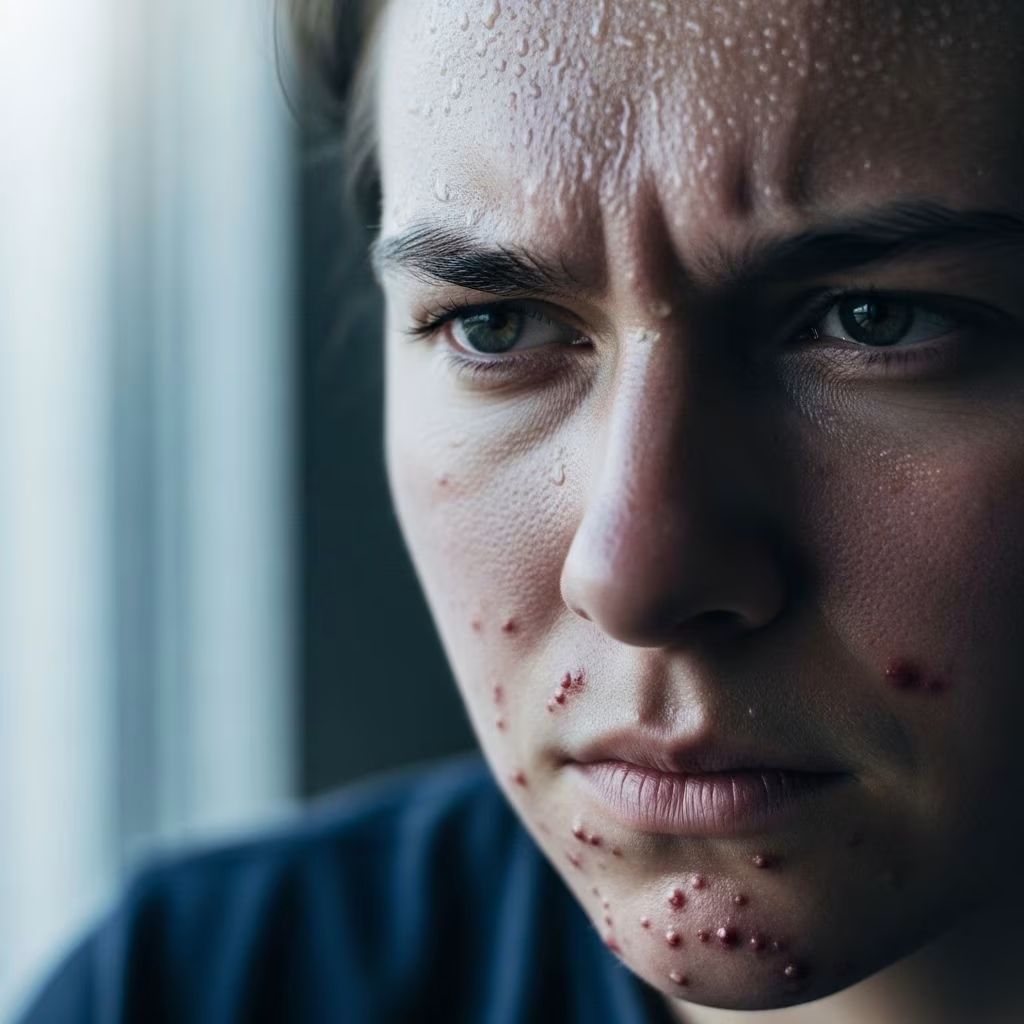
Stress is a near-universal experience in today’s fast-paced world. Yet, its visible effects on skin health—especially facial breakouts—remain a source of frustration and confusion. Equally perplexing is the role of sweating, often triggered or worsened by stress, in exacerbating these skin problems. This comprehensive guide delves into the scientific links between stress, sweating, and facial breakouts, exploring causes, mechanisms, risk factors, and evidence-based prevention strategies.
Understanding Stress and Skin Health
Psychological stress is recognized as a significant trigger for changes in the skin’s function and appearance. When under stress, the body activates a series of hormonal responses known collectively as the hypothalamic-pituitary-adrenal (HPA) axis. This cascade releases a variety of hormones—including cortisol and adrenaline—that can profoundly impact the skin’s physiology.
- Acute stress may temporarily increase sweating, flushing, and heightened skin sensitivity.
- Chronic stress can lead to long-term skin changes such as persistent breakouts, slower healing, and increased inflammation.
The relationship is bidirectional: not only does stress influence skin health, but chronic skin issues can also increase psychological stress, perpetuating a vicious cycle.
The Science of Sweating and Acne
Sweating plays a pivotal role in regulating body temperature. However, it also modifies the skin’s surface environment in ways that can aggravate existing skin conditions, including acne.
- Sweat itself is not inherently comedogenic (i.e., does not directly clog pores).
- The moist environment created by sweat encourages the proliferation of bacteria and the accumulation of dead skin cells and sebum (skin oil).
- This potent mix can block pores and trigger acneiform eruptions, especially when combined with friction (e.g., from headbands, masks, or athletic gear).
- Dermatologists refer to breakout types associated with sweat and friction as acne mechanica.
Key triggers include:
- Incomplete removal of sweat after physical activity
- Tight or non-breathable clothing
- Failing to cleanse skin after heavy sweating
On the other hand, sweating also has a detoxifying function, removing waste products through the skin, which may benefit overall skin health when proper hygiene is maintained.
How Does Stress Cause Facial Breakouts?
Stress contributes to acne development through several interrelated pathways:
- Elevation in Cortisol: Stress induces the adrenal glands to produce more cortisol, which raises oil (sebum) production in the skin’s sebaceous glands. Excess sebum easily clogs pores.
- Increased Inflammation: Elevated cortisol and other stress-related hormones exacerbate inflammation, a core component of almost all forms of acne.
- Disrupted Skin Barrier: Resources are reallocated to more essential organs under stress, slowing skin cell turnover and impairing the skin’s natural repair mechanisms.
- Behavioral Factors: Stress often leads to unhealthy coping habits such as neglecting skincare, picking at pimples, or irregular sleep—each contributing to further skin problems.
Studies have repeatedly demonstrated a statistically significant correlation between stress severity and acne severity.
Hormones Involved in Stress-Related Acne
| Hormone | Effect on Skin |
|---|---|
| Cortisol | Increases inflammation and sebum production |
| Adrenaline | Strips moisture from the skin, leading to compensatory oil production |
| Androgens | Stimulate sebaceous glands, involved in hormonal breakouts |
The Stress-Sweating-Breakout Feedback Loop
Stress directly leads to increased sweating via stimulation of the sympathetic nervous system. This is seen in classic examples such as a nervous speaker sweating before an audience or feeling clammy during high-pressure situations.
Here’s how the loop functions:
- Stress triggers sweating (including facial sweating), which moistens the skin.
- Sweat mixes with skin oils and bacteria, increasing pore blockage risk.
- Heat and friction (from stress or environmental factors) further irritate the skin, accelerating breakouts.
- Visible breakouts may amplify self-consciousness and anxiety, feeding back into heightened stress levels.
Adding to this, skin and hair follicles have mechanisms to create their own stress-inducing signals, which can travel to the brain and perpetuate the stress response, deepening this feedback cycle.
Other Skin Conditions Linked to Stress and Sweating
Facial acne is not the only dermatological concern associated with stress and sweating. Several chronic conditions can be exacerbated or triggered by this interplay:
- Eczema (Atopic Dermatitis): Stress elevates immune and inflammatory responses, increasing itchiness and intensity of eczema symptoms.
- Plaque Psoriasis: Immune dysregulation from stress leads to flareups of the hallmark thickened, patchy skin lesions.
- Rosacea: Stress-induced spikes in cortisol and adrenaline enhance skin redness and inflammation, commonly visible on the cheeks and nose.
- Hidradenitis Suppurativa and Folliculitis: Both conditions are aggravated by heat, sweat, and stress, manifesting as inflamed bumps and boils in sweat-prone areas.
Chronic stress can also delay wound healing, worsen the appearance of scars, and prompt hair loss cycles.
Who is Most at Risk?
While anyone can suffer from stress-induced breakouts or sweat-aggravated skin conditions, risk increases with:
- Pre-existing acne-prone skin
- Adolescents and young adults (due to volatile hormone profiles)
- Individuals with chronic stress or mood disorders
- Active lifestyles, athletes, or outdoor workers (greater sweat production and friction)
- Poor skincare or hygiene routines
- Those using occlusive makeup or non-breathable face coverings
Genetic predisposition, hormonal fluctuations (including menstrual cycles or endocrine disorders), and environmental stressors (pollution, ultraviolet light) further raise the risk.
Prevention and Management Strategies
While eliminating stress entirely may not be possible, implementing targeted strategies can greatly reduce the frequency and severity of stress- and sweat-induced breakouts.
Hygiene and Skincare Best Practices
- Cleanse Gently and Often: Rinse your face and other sweat-prone areas after intense activity, using lukewarm water and a mild, non-comedogenic cleanser.
- Use Non-Comedogenic Products: Choose oil-free, “non-comedogenic” moisturizers and makeup to limit pore blockage.
- Shower Promptly: Remove sweat, bacteria, and debris from the skin as soon as possible after exercise or heat exposure.
- Avoid Overwashing: Excessive cleansing can strip natural oils, prompting rebound sebum production.
- Pat Skin Dry: Avoid harsh rubbing, which increases irritation and friction, favoring gentle patting motions.
- Use Acne-Fighting Ingredients: Salicylic acid, benzoyl peroxide, and topical retinoids are proven to help keep pores clear.
Lifestyle Modifications
- Manage Stress: Practice mindfulness, meditation, yoga, or deep breathing exercises to reduce basal stress hormone levels.
- Prioritize Sleep: Aim for 7-9 hours of restorative sleep—critical for hormone regulation and skin repair.
- Maintain a Balanced Diet: While evidence for direct food-acne links is variable, a diet high in antioxidants and low in processed sugars supports general skin health.
- Wear Breathable Fabrics: Choose loose, moisture-wicking clothing and face coverings made from natural fibers.
- Protect from Environmental Triggers: Use broad-spectrum sunscreen and limit sun exposure, as UV rays can worsen breakouts and impair skin healing.
When to Seek Professional Help
- Persistent, painful, or cystic acne not improving with over-the-counter care
- Development of severe eczema, psoriasis, or other inflammatory skin diseases
- Breakouts associated with systemic symptoms (fever, malaise, weight loss)
Dermatologists can prescribe tailored therapies, such as oral medications, prescription retinoids, and hormonal treatments, as well as recommend lifestyle modifications and mental health support where needed.
Frequently Asked Questions (FAQs)
Can stress alone cause acne, even if I take good care of my skin?
No, stress does not directly cause acne in individuals without a predisposition, but it can make pre-existing or latent acne much worse by disrupting hormones and encouraging unhealthy behaviors that can clog pores.
Does facial sweating after exercise make breakouts inevitable?
No, post-exercise breakouts are largely preventable. The key is to cleanse skin promptly and avoid leaving sweat, oil, and debris on the skin’s surface for extended periods.
Is it true that only young people get stress-induced breakouts?
While adolescents and young adults are more susceptible due to hormonal fluctuations, adults can also develop stress-related breakouts—especially under significant psychological, workplace, or environmental stress.
Why do my breakouts get worse during exam season or work deadlines?
Periods of increased psychological stress elevate cortisol, which increases sebum production, inflammation, and impairs skin barrier repair—all of which can trigger or worsen acne.
Are sweat pimples different from regular acne?
Yes. Sweat pimples are often a type of “acne mechanica,” resulting from a combination of sweat, heat, friction, and occlusion. Regular acne (acne vulgaris) typically follows hormonal and inflammatory pathways but can overlap in appearance.
References
- U.S. Dermatology Partners: How to Relieve Stress Breakouts
- Harvard Health Blog: Stress may be getting to your skin, but it’s not a one-way street
- Advanced Dermatology: Stress Acne? 7 Tips to Avoid Spring Break “outs”
- Kerry Spindler: Does Sweating Cause Acne Breakouts?
- PMC: Association between stress and acne among female medical students
- Medical News Today: Does sweat cause acne?
- Mooresville Dermatology Center: Stress affects skin, acne, eczema
- Healthline: How Stress Affects Acne
- APDerm: Skin Conditions Caused by Stress and Anxiety
References
- https://www.usdermatologypartners.com/blog/how-to-relieve-stress-breakouts/
- https://www.health.harvard.edu/blog/stress-may-be-getting-to-your-skin-but-its-not-a-one-way-street-2021041422334
- https://www.advancedderm.com/about-us/news/stress-acne-7-tips-to-avoid-spring-break-outs
- https://kerryspindler.com/does-sweating-cause-acne-breakouts/
- https://pmc.ncbi.nlm.nih.gov/articles/PMC5722010/
- https://www.medicalnewstoday.com/articles/does-sweat-cause-acne
- https://mooresvilledermcenter.com/stress-affects-skin-acne-eczema/
- https://www.healthline.com/health/stress-acne
- https://www.apderm.com/blog/the-skin-stress-connection/


