


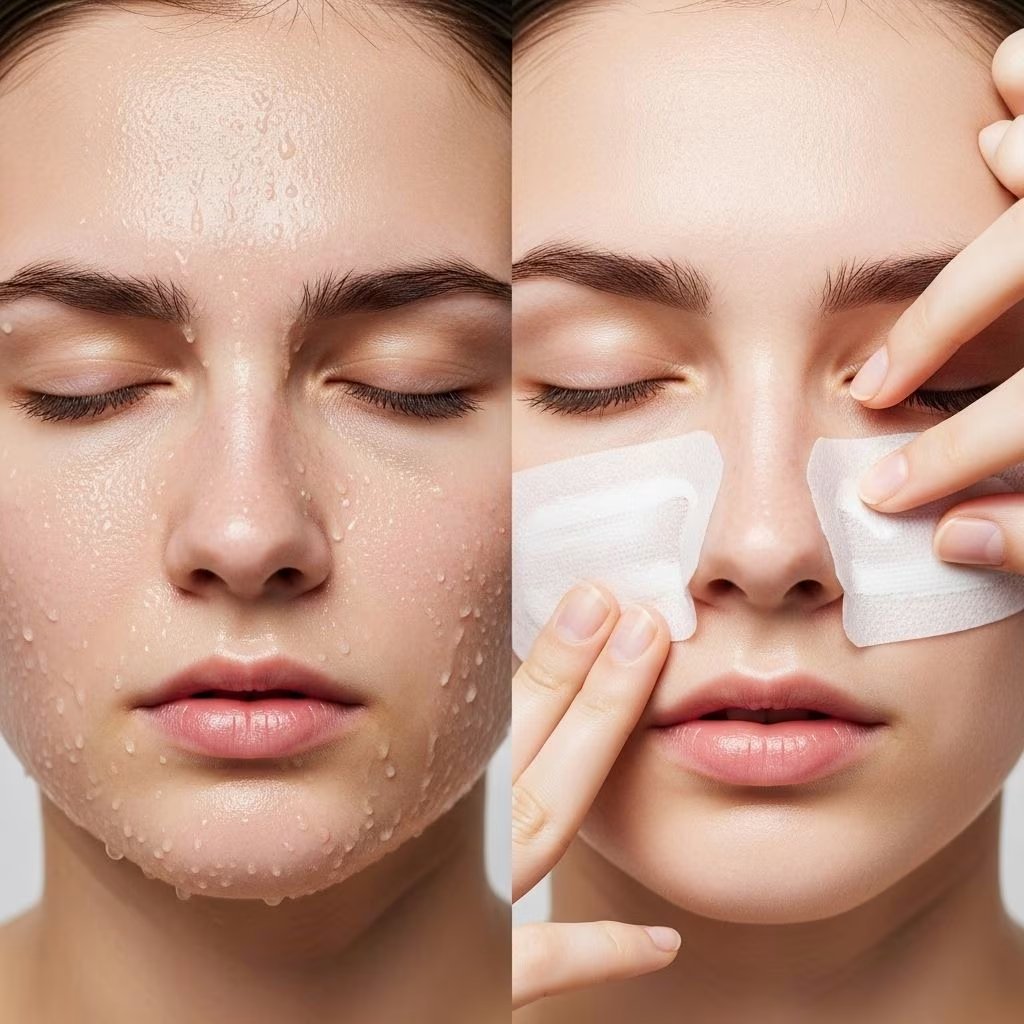
Night sweats can significantly impact your skin’s health and appearance, disrupting the natural repair processes that occur during sleep. When your body experiences episodes of excessive perspiration throughout the night, your skin faces multiple challenges including dehydration, barrier disruption, salt residue buildup, and increased sensitivity. Understanding how to properly cleanse and repair your skin barrier becomes essential for maintaining a healthy, resilient complexion despite these nocturnal disturbances.
Whether you’re experiencing night sweats due to menopause, hormonal fluctuations, medications, or other health conditions, developing a targeted skincare approach can make a remarkable difference in your skin’s resilience and appearance. This comprehensive guide explores the science behind night sweats’ impact on skin health and provides evidence-based strategies for effective cleansing and barrier repair.
Understanding How Night Sweats Affect Your Skin
Night sweats create a unique set of challenges for skin health that differ from daytime perspiration. During sleep, your skin undergoes critical repair and regeneration processes, but excessive sweating disrupts these natural cycles. The combination of moisture loss, temperature fluctuations, and salt residue creates a perfect storm for skin barrier compromise.
When you sweat excessively at night, the moisture evaporating from your skin surface pulls additional water from deeper skin layers, leading to transepidermal water loss. This dehydration weakens the skin’s protective barrier, making it more vulnerable to irritation, inflammation, and premature aging. The salt content in perspiration can further aggravate this situation by drawing out moisture and potentially causing irritation, especially in those with sensitive skin conditions.
The repeated cycles of sweating and cooling throughout the night also stress your skin’s natural barrier function. Each cycle of perspiration followed by evaporation creates micro-fluctuations in skin pH and temperature, which can disrupt the delicate balance of beneficial bacteria on your skin surface. This disruption compromises your skin’s microbiome, an essential component of healthy barrier function that protects against environmental stressors and pathogens.
Additionally, night sweats interfere with the natural circadian rhythms that govern skin repair. During deep sleep phases, your skin typically experiences increased blood flow, enhanced cell regeneration, and optimal collagen production. However, when sleep is repeatedly disrupted by sweating episodes, these restorative processes become fragmented and less effective, potentially accelerating visible signs of aging.
The Science Behind Skin Barrier Function
Your skin barrier, scientifically known as the stratum corneum, functions as your body’s first line of defense against external aggressors while preventing excessive water loss from within. This remarkable structure consists of corneocytes, dead skin cells arranged like bricks, held together by lipids that act as mortar. This brick-and-mortar arrangement creates a protective shield that’s both flexible and resilient when properly maintained.
The lipid matrix between skin cells contains three essential components: ceramides, cholesterol, and fatty acids. These lipids work synergistically to maintain barrier integrity, regulate water loss, and protect against environmental damage. When night sweats compromise this delicate structure, the lipid matrix becomes disrupted, creating gaps that allow moisture to escape more readily while making skin more permeable to irritants and allergens.
A healthy skin barrier also maintains an optimal pH level, typically slightly acidic between 4.5 and 5.5. This acidic environment supports beneficial bacteria while inhibiting harmful pathogens. However, perspiration has a higher pH that can temporarily alkalize the skin surface, disrupting this protective acid mantle. Repeated exposure to sweat throughout the night, combined with inadequate cleansing, can shift skin pH in ways that compromise barrier function and increase susceptibility to irritation.
Understanding these mechanisms highlights why both proper cleansing and targeted barrier repair become crucial components of a night sweats skincare routine. You need to remove the disruptive elements introduced by perspiration while simultaneously supporting and strengthening your skin’s natural protective mechanisms.
Essential Cleansing Strategies for Night Sweat Recovery
Proper cleansing after night sweats requires a delicate balance between thorough removal of perspiration residue and preservation of your skin’s natural protective elements. Aggressive cleansing can strip away essential lipids and disrupt pH balance, ultimately worsening barrier dysfunction despite good intentions.
Morning Cleansing Techniques
Your morning cleansing routine after a night of sweating should focus on gentle removal of salt residue and accumulated impurities without compromising your skin’s natural defenses. Begin with lukewarm water rather than hot water, as elevated temperatures can further stress already compromised skin and trigger additional moisture loss through vasodilation.
Choose a pH-balanced cleanser with a creamy or gel texture that provides effective cleansing without harsh sulfates or strong detergents. Look for formulations containing gentle surfactants derived from coconut or sugar, which clean effectively while maintaining skin’s natural moisture balance. The cleanser should remove perspiration residue and any overnight skincare products without leaving your skin feeling tight, stripped, or squeaky clean, sensations that indicate over-cleansing and barrier disruption.
Apply your cleanser using gentle, circular motions with your fingertips rather than harsh scrubbing or abrasive tools. This technique effectively loosens and removes impurities while supporting lymphatic drainage and circulation without causing mechanical irritation to already stressed skin. Rinse thoroughly with lukewarm water, ensuring all cleanser residue is removed, as leftover product can interfere with subsequent skincare absorption and potentially cause irritation.
Pat your skin dry with a soft, clean towel using gentle pressing motions rather than rubbing. Leaving skin slightly damp rather than completely dry prepares it to better absorb hydrating products applied in the next steps of your routine. This technique, known as applying products to damp skin, can enhance penetration and effectiveness of barrier-repairing ingredients.
Double Cleansing Considerations
While double cleansing has gained popularity in skincare routines, its necessity after night sweats depends on your specific situation. If you apply heavier occlusives or oils before bed to protect against moisture loss during sweating episodes, a gentle oil-based first cleanse can help dissolve these products more effectively than water-based cleansers alone.
However, if you use lighter, water-based products at night or skip nighttime moisturizer entirely to avoid discomfort during sweating, a single gentle cleanse is typically sufficient and less likely to compromise your barrier. Over-cleansing represents a common mistake that can exacerbate the damage caused by night sweats, so resist the temptation to scrub away the evidence of perspiration with overly aggressive cleansing protocols.
Exfoliation and Night Sweats
Exfoliation plays a nuanced role in managing skin affected by night sweats. While regular exfoliation can help prevent the buildup of dead skin cells and sweat residue that may clog pores, timing and method become critical considerations. Immediately after experiencing night sweats, your skin barrier is typically in a compromised state, making it more vulnerable to irritation from exfoliating agents.
If you experience night sweats regularly, consider limiting physical exfoliation to once or twice weekly, and only on mornings when your skin feels resilient rather than sensitive or irritated. Choose gentle enzymatic or low-concentration chemical exfoliants over harsh physical scrubs with abrasive particles that can create micro-tears in already stressed skin. Ingredients like polyhydroxy acids provide gentle exfoliation while also offering humectant properties that support hydration.
Pay attention to your skin’s signals. If you notice increased redness, stinging, or sensitivity after exfoliation, reduce frequency or temporarily eliminate this step until your barrier function improves. The goal is supporting skin health, not adhering rigidly to a routine that may not serve your skin’s current needs.
Barrier Repair: Essential Ingredients and Formulations
Repairing and strengthening your skin barrier after night sweats requires strategic use of specific ingredients that support the skin’s natural structure and function. The most effective barrier repair approach combines humectants that draw water into skin, emollients that smooth and soften, and occlusives that seal in moisture and create a protective layer.
Ceramides: The Foundation of Barrier Repair
Ceramides represent perhaps the most critical ingredient category for barrier repair, as they’re naturally occurring lipids that make up approximately 50 percent of your skin’s barrier composition. When night sweats disrupt your barrier function, ceramide levels often become depleted, creating gaps in the protective lipid matrix that increase water loss and sensitivity.
Topical ceramide application helps replenish these essential lipids, directly supporting barrier reconstruction. Look for products containing multiple ceramide types, as different ceramides serve distinct functions in barrier maintenance. Ceramide-rich formulations have been shown in clinical studies to significantly improve barrier function in compromised skin, reducing transepidermal water loss and increasing hydration levels.
The most effective ceramide products combine these barrier lipids with cholesterol and fatty acids in ratios that mimic the skin’s natural lipid composition. This biomimetic approach provides the raw materials your skin needs to rebuild and strengthen its protective structure most efficiently.
Niacinamide for Comprehensive Support
Niacinamide, also known as vitamin B3, offers multiple benefits for skin dealing with night sweat challenges. This versatile ingredient stimulates ceramide production within your skin, supporting barrier repair from within rather than simply applying lipids topically. By increasing your skin’s own ceramide synthesis, niacinamide promotes more sustainable, long-term barrier improvement.
Beyond ceramide stimulation, niacinamide reduces inflammation and redness, particularly beneficial for skin experiencing stress from repeated sweating episodes. Its anti-inflammatory properties help calm irritation while supporting overall skin resilience. Niacinamide also helps regulate sebum production, which can become imbalanced due to the dehydration and barrier disruption caused by night sweats.
Concentrations between 2 and 5 percent provide optimal benefits for most people, though some formulations use up to 10 percent for more intensive treatment. Niacinamide works well with other barrier-repairing ingredients and can be incorporated into both morning and evening routines without concerns about photosensitivity.
Humectants: Drawing Water Into Skin
Humectants are ingredients that attract and bind water molecules, helping to hydrate skin from both external moisture in the environment and deeper layers within the skin. After night sweats cause dehydration, humectants play a crucial role in replenishing lost moisture and restoring optimal hydration levels.
Hyaluronic acid stands out as an exceptionally effective humectant, capable of holding up to 1000 times its weight in water. This ingredient helps plump and hydrate skin while supporting a healthy barrier environment. For maximum effectiveness, apply hyaluronic acid to damp skin, which provides water molecules for the ingredient to bind and draw into your skin. Different molecular weights of hyaluronic acid penetrate to different depths, so products combining multiple weights provide comprehensive hydration across skin layers.
Glycerin represents another powerhouse humectant that draws moisture from both the environment and deeper skin layers to hydrate the surface. Unlike some humectants that can potentially draw too much water from lower skin layers in very dry environments, glycerin typically provides lasting hydration without these concerns. Its lightweight texture makes it ideal for use before bed, as it won’t feel heavy or uncomfortable if sweating occurs.
Panthenol, or provitamin B5, functions as both a humectant and an emollient, attracting moisture while also improving skin softness and smoothness. It offers anti-inflammatory benefits that help calm irritation resulting from night sweat exposure and barrier disruption.
Peptides for Enhanced Repair
Peptides are short chains of amino acids that serve as signaling molecules, communicating with skin cells to trigger specific responses. In barrier repair contexts, certain peptides signal increased production of structural proteins like collagen and elastin, supporting skin resilience and repair processes that may be disrupted by poor sleep quality associated with night sweats.
Peptides also help strengthen the connections between skin cells, reducing gaps in the barrier that allow excessive moisture loss. Some peptides offer anti-inflammatory properties that complement their structural benefits, addressing both the immediate irritation and long-term integrity of sweat-stressed skin.
While peptides work gradually rather than providing immediate visible results, consistent use over several weeks typically yields noticeable improvements in skin texture, firmness, and overall resilience. They’re particularly valuable for addressing the accelerated aging concerns that can result from chronically disrupted sleep and compromised barrier function.
Occlusives: Sealing in Treatment
Occlusive ingredients create a physical barrier on the skin surface that prevents moisture loss by limiting evaporation. After applying humectants and barrier-repairing ingredients, a layer of occlusive protection helps seal these treatments in and provides an additional protective shield against moisture loss during subsequent sweating episodes.
However, choosing the right occlusive becomes important when dealing with night sweats. Heavy, thick occlusives like petrolatum or mineral oil can feel uncomfortable and may trap heat, potentially triggering more sweating. Instead, consider lighter occlusives like squalane, jojoba oil, or specific silicones that provide protection without excessive heaviness.
Squalane, derived from olives or sugarcane, mimics the skin’s natural sebum and provides occlusive benefits in a lightweight, fast-absorbing format. It helps lock in moisture without greasiness and won’t clog pores or feel uncomfortable during sweating. Similarly, plant oils rich in essential fatty acids like those found in facial oil formulations offer barrier support and occlusion while remaining breathable and comfortable.
Structuring Your Evening Skincare Routine
Your evening skincare routine sets the stage for how well your skin weathers night sweat episodes. The goal is creating a protective environment that supports barrier function and hydration retention without using products so heavy that they become uncomfortable during sweating or trap heat that might trigger more episodes.
Pre-Bedtime Cleansing
Begin your evening routine with gentle cleansing to remove the day’s accumulation of dirt, oil, sunscreen, and makeup. This creates a clean canvas for treatment products to work most effectively. Use the same gentle, pH-balanced cleanser recommended for morning use, as consistency helps maintain barrier integrity.
If you’ve been particularly active or exposed to heavy pollution, you might benefit from a first cleanse with micellar water or a gentle cleansing oil to dissolve stubborn impurities before your regular cleanser. However, ensure this double cleansing doesn’t leave your skin feeling stripped or tight, signs that you’re over-cleansing and compromising your barrier.
Layering Strategy for Night Sweat Conditions
Rather than relying on a single heavy night cream that might feel uncomfortable during sweating, adopt a layering approach that allows your skin to breathe while still receiving necessary barrier support. Start with lightweight, water-based products and gradually progress to slightly richer textures, allowing each layer to absorb before applying the next.
Begin with a hydrating essence or toner that replenishes moisture and prepares skin for subsequent products. Follow with a lightweight serum containing barrier-repairing ingredients like niacinamide, ceramides, and peptides. These concentrated formulations deliver high levels of active ingredients in textures that absorb quickly without residue.
Next, apply a medium-weight moisturizer that provides hydration and some occlusive protection without excessive heaviness. Look for gel-cream hybrid textures that offer substantial moisture while remaining breathable. These formulations typically absorb more completely than traditional heavy creams, reducing the uncomfortable feeling of product sitting on your skin if you begin sweating.
For areas of particular concern like around the eyes or any patches of especially dry skin, you can apply targeted treatments or slightly richer products to these specific zones without covering your entire face with heavier formulations.
Timing Considerations
Apply your evening skincare routine 30 to 60 minutes before bed rather than immediately before lying down. This timing allows products to absorb more completely, reducing the amount of product that might transfer to your pillowcase and ensuring active ingredients have begun working before any sweating episodes begin.
If you’re using active ingredients like retinoids or exfoliating acids in your evening routine, ensure you’re taking extra precautions with morning sun protection, as these ingredients can increase photosensitivity. You might consider reducing or temporarily pausing these actives if your skin is showing signs of significant barrier compromise from night sweats, reintroducing them gradually once barrier function improves.
Environmental Optimization for Skin Protection
Your sleep environment significantly impacts both the frequency and intensity of night sweats and your skin’s ability to maintain its barrier function during these episodes. Strategic environmental modifications can reduce sweating triggers while supporting skin health.
Temperature and Humidity Control
Maintaining your bedroom temperature between 16 and 18 degrees Celsius creates an optimal sleep environment that minimizes night sweat triggers while supporting quality sleep. Cooler temperatures reduce the likelihood of excessive perspiration and allow your body’s natural thermoregulation to function more effectively.
However, if you’re using air conditioning or heating to control temperature, monitor humidity levels carefully. Very dry air exacerbates the dehydrating effects of night sweats on your skin, while excessive humidity can promote bacterial growth and increase discomfort. Aim for relative humidity between 40 and 60 percent. Consider using a humidifier in dry climates or during winter months when indoor heating reduces air moisture, but ensure proper cleaning to prevent mold or bacteria accumulation.
Bedding Material Selection
Your bedding materials directly contact your skin for hours each night, making fabric choice crucial for minimizing irritation and supporting skin health during sweating episodes. Natural, breathable fibers like bamboo, silk, and high-quality cotton wick moisture away from skin without causing friction or trapping heat.
Bamboo fabrics offer exceptional moisture-wicking properties and natural antimicrobial characteristics that reduce bacterial growth even in the presence of perspiration. Silk provides a smooth surface that minimizes friction against skin while efficiently managing moisture. High-thread-count cotton, particularly percale weaves, offers breathability and durability at various price points.
Avoid synthetic fabrics like polyester or microfiber that trap heat and moisture against your skin, creating an environment that can exacerbate both sweating and skin irritation. These materials don’t allow adequate air circulation and can leave you feeling clammy and uncomfortable.
Change your pillowcase frequently, ideally every two to three days, to minimize the accumulation of sweat, oils, and bacteria that could contribute to skin issues. Consider keeping several pillowcases near your bed so you can easily switch to a fresh one if you wake after a particularly heavy sweating episode.
Morning Recovery Protocol
How you care for your skin the morning after night sweats significantly impacts your barrier’s ability to recover and maintain resilience over time. A thoughtful morning routine addresses immediate concerns while supporting long-term skin health.
Gentle Cleansing and Rehydration
After cleansing away perspiration residue with your pH-balanced cleanser, immediately follow with rehydrating and barrier-supporting products while your skin is still slightly damp. This timing maximizes absorption and helps lock in moisture that might otherwise evaporate from your skin surface.
Apply a hydrating toner or essence containing humectants like hyaluronic acid or glycerin to rapidly replenish moisture loss from overnight sweating. Follow with a lightweight serum containing antioxidants like vitamin C, which protects stressed skin from oxidative damage while brightening any dullness resulting from disrupted sleep.
Layer on a moisturizer with barrier-repairing ingredients, focusing on formulations that feel comfortable under makeup or sunscreen if you use these products. Gel-cream textures typically work well for daytime, providing substantial hydration without greasiness or heaviness.
Sun Protection
Never skip sunscreen in your morning routine, as skin stressed by night sweats becomes particularly vulnerable to UV damage. Compromised barrier function reduces your skin’s natural defenses against environmental stressors, making diligent sun protection even more critical than usual.
Choose a broad-spectrum sunscreen with at least SPF 30, selecting formulations appropriate for your skin type. If you have oily or combination skin, lightweight, gel-based sunscreens absorb quickly without greasiness. For dry or sensitive skin dealing with barrier compromise, mineral sunscreens with zinc oxide or titanium dioxide often cause less irritation than chemical filters, though newer chemical sunscreen formulations have significantly improved tolerability.
Consider products that combine sunscreen with barrier-supporting ingredients like niacinamide or ceramides, maximizing the protective and restorative benefits of your morning routine.
Throughout the Day
Support your skin’s recovery by maintaining hydration throughout the day. Keep a facial mist containing hydrating ingredients at your desk or in your bag for periodic moisture boosts. Look for mists with glycerin, hyaluronic acid, or rose water rather than plain water, which can actually increase evaporation and dryness if used alone.
Stay well hydrated by drinking adequate water throughout the day, supporting your skin’s moisture levels from within. While topical hydration is essential, internal hydration provides the foundation for overall skin health and resilience.
Lifestyle Factors and Holistic Management
While targeted skincare plays a crucial role in managing the skin effects of night sweats, addressing underlying triggers and supporting overall wellness creates a more comprehensive approach to both skin health and sweating reduction.
Dietary Considerations
Certain foods and beverages can trigger or intensify night sweats. Common culprits include spicy foods, caffeine, alcohol, and hot beverages, particularly when consumed in the evening hours. Reducing or eliminating these triggers from your dinner and evening routine may decrease both the frequency and intensity of night sweat episodes.
Focus on a diet rich in omega-3 fatty acids from sources like fatty fish, walnuts, and flaxseeds, which support skin barrier function from within. Ensure adequate intake of vitamins and minerals that support skin health, including vitamin E, vitamin C, zinc, and selenium. These nutrients provide antioxidant protection and support the cellular processes involved in barrier maintenance and repair.
Stress Management and Sleep Hygiene
Stress and anxiety can trigger or worsen night sweats while also directly impacting skin health by increasing inflammation and disrupting barrier function. Incorporating stress management techniques like deep breathing exercises, meditation, or gentle evening yoga can help reduce both stress levels and night sweat occurrence.
Establish consistent sleep and wake times to support your body’s natural circadian rhythms, which govern numerous processes including skin repair and temperature regulation. Create a relaxing pre-bedtime routine that signals your body to wind down, potentially reducing the physiological arousal that can contribute to night sweats.
Exercise Timing
Regular physical activity supports overall health and can help regulate body temperature and hormonal balance over time. However, exercising too close to bedtime can elevate body temperature and trigger night sweats. Aim to complete vigorous exercise at least three to four hours before bed, allowing your body temperature to return to baseline before sleep.
Frequently Asked Questions
Q: Should I cleanse my skin immediately if I wake up during a night sweat episode?
A: If you wake during a heavy sweating episode, you can gently blot your face with a soft, clean towel or use micellar water on a cotton pad for a quick refresh without fully washing. Save thorough cleansing for your regular morning routine to avoid over-cleansing that could further compromise your barrier. If you do a middle-of-the-night cleanse, keep it minimal and follow with a light layer of hydrating product.
Q: Can night sweats cause acne breakouts?
A: Yes, the combination of sweat, bacteria, and potential product buildup can contribute to breakouts, particularly if perspiration isn’t properly cleansed from skin. However, over-cleansing in an attempt to prevent acne can worsen the situation by stripping your barrier and triggering increased oil production. Focus on gentle but thorough cleansing, non-comedogenic barrier repair products, and regular pillowcase changes to minimize breakout risk while supporting barrier health.
Q: How long does it take to repair a compromised skin barrier from chronic night sweats?
A: With consistent use of appropriate barrier-repairing products and gentle cleansing practices, most people notice improvement in skin comfort and appearance within two to four weeks. However, full barrier restoration can take two to three months of consistent care, particularly if the barrier has been compromised for an extended period. Patience and consistency are key, as barrier repair is a gradual process that occurs at the cellular level.
Q: Are there specific ingredients I should avoid if I experience night sweats?
A: Avoid heavy, occlusive ingredients that trap heat like thick petrolatum-based products, as these can feel uncomfortable during sweating and may trigger additional perspiration. Also be cautious with potentially irritating ingredients like high concentrations of essential oils or fragrance, as compromised barriers are more susceptible to irritation. If using active ingredients like retinoids or acids, ensure you’re providing adequate barrier support and consider reducing frequency if you notice increased sensitivity.
Q: Is it better to use a lightweight or rich moisturizer at night when experiencing night sweats?
A: A medium-weight, gel-cream moisturizer typically works best for night sweat conditions, providing substantial barrier support and hydration without the heaviness that can feel uncomfortable during sweating episodes. Layering a lightweight serum under a medium moisturizer often proves more effective than using a single heavy cream. The key is finding products that absorb well and don’t leave a thick, occlusive film that might trap heat or feel unpleasant when you sweat.
Q: Can I use retinol or other active ingredients if I have night sweats?
A: Yes, you can continue using beneficial active ingredients like retinol, but pay close attention to your barrier’s condition. If your skin shows signs of significant compromise such as increased sensitivity, redness, or flaking, consider temporarily reducing the frequency of active ingredient use until your barrier strengthens. Always ensure you’re pairing actives with adequate barrier support through ceramides, niacinamide, and proper hydration. Some people find that alternating nights between actives and pure barrier repair works well for maintaining both anti-aging benefits and barrier health.
References
- https://genovaskincare.com.au/blogs/skincare/night-sweats-and-your-skin-how-to-protect-your-complexion-during-menopausal-sleep-disruption
- https://cardonskin.com/blogs/mens-skincare-tips/the-hot-weather-skincare-guide
- https://www.bcm.edu/news/sweat-and-skincare-updating-your-routine-during-the-hottest-months
- https://radicalskincare.com/blog/how-to-keep-your-skin-fresh-all-day/
- https://www.businessinsider.com/dermatologists-offer-skincare-tips-for-sweaty-people-in-hot-weather-2020-8
- https://www.clinikally.com/blogs/news/sweat-proof-skincare-best-ingredients-for-long-lasting-freshness
- https://lovesweatfitness.com/blogs/news/nighttime-skincare-routine
- https://deonlibra.com/brits-3-step-skincare-routine-for-sweat/
- https://www.brynmawrdermatology.com/sweat-sunscreen-and-acne-how-to-stay-clear-through-spring-activities/


