


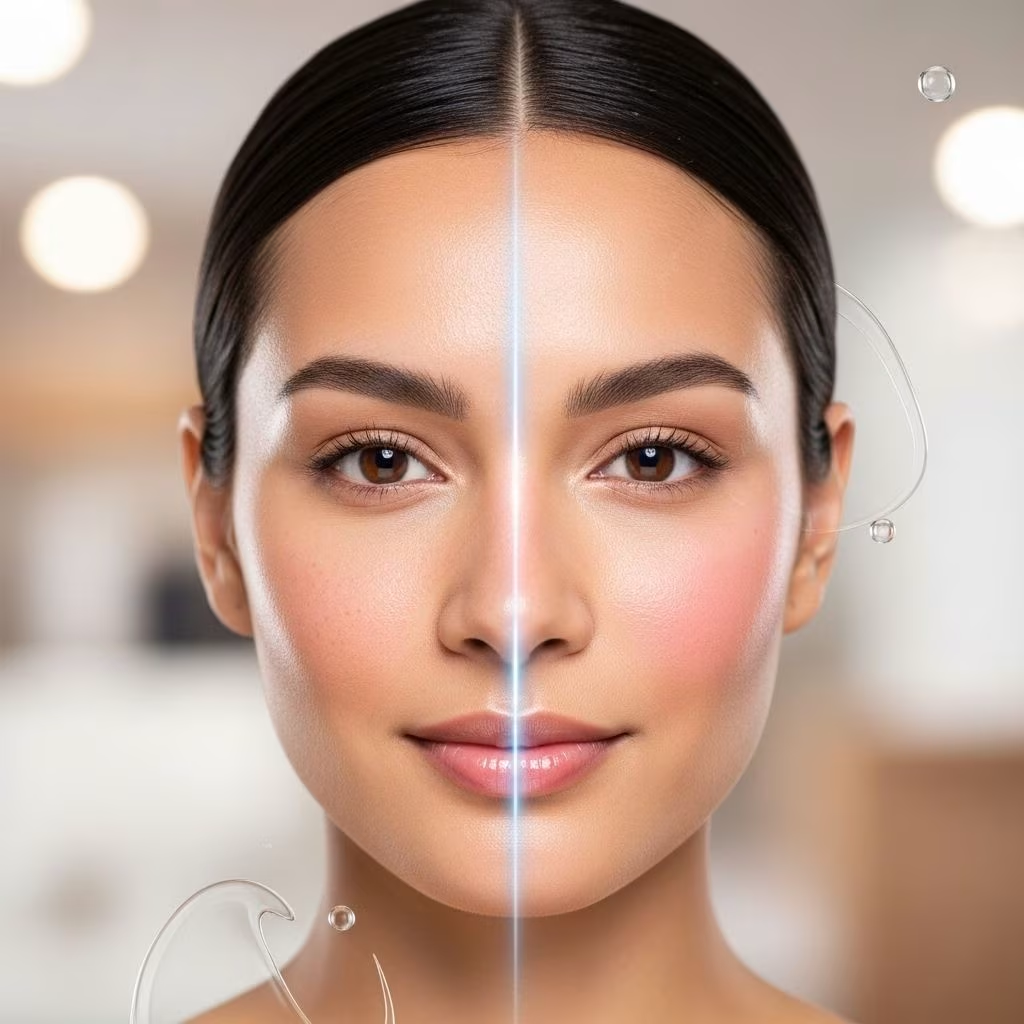
The quest for healthy, radiant skin often centers around the products we choose and routines we follow, but the underlying secret to effective skincare is often overlooked: skin pH balance. Understanding the ideal pH for different facial zones—especially the T-zone and cheeks—can unlock the path to a strong skin barrier, reduced irritation, and a glowing complexion. This comprehensive guide explores the science behind skin pH, its variability across the face, and actionable steps for achieving the perfect balance in both your T-zone and cheeks.
Understanding Skin pH: The Foundation of Healthy Skin
The term pH stands for potential of hydrogen and refers to the concentration of hydrogen ions in a solution. The pH scale ranges from 0 (most acidic) to 14 (most alkaline), with 7 being neutral. Naturally, human skin is slightly acidic, with an average pH ranging between 4.2 and 5.6, most commonly cited as near 5.5 for adult skin.
This subtle acidity is vital for skin health, as it maintains:
- A healthy skin barrier that locks in moisture and keeps out harmful microbes.
- A balanced microbiome—the ecosystem of beneficial bacteria living on your skin.
- Protection from environmental aggressors and irritants.
Why pH Level Matters in Skincare
The skin’s slightly acidic pH forms what is known as the acid mantle, a thin film made of sebum (oil) and sweat. This acidic layer acts as a frontline defense, keeping out pathogens while preserving essential hydration. Disruption of this balance can result in:
- Increased irritation, redness, or chronic dryness if the skin becomes too alkaline.
- Overproduction of oil and breakouts when the acid mantle is eroded, as the skin tries to defend itself.
- Premature aging, with more prominent fine lines and wrinkles correlating with higher skin pH.
- Exacerbation of conditions like acne, eczema, or atopic dermatitis with too acidic or alkaline skin.
Research shows that even a modest shift in skin pH (e.g., from pH 5 to pH 7) is significant, as the pH scale is logarithmic: a shift of one point represents a tenfold change in acidity or alkalinity.
How pH Differs Between the T-Zone and Cheeks
Facial skin is not uniform; different zones may have distinct characteristics influenced by variations in sebum secretion, pore density, and exposure to environmental factors. The two most discussed regions are:
- T-zone: Forehead, nose, and chin—generally oilier due to higher concentration of sebaceous (oil) glands.
- Cheeks: Usually drier or more sensitive, with fewer oil glands.
| Facial Zone | Main Traits | Typical pH Range | Main Concerns |
|---|---|---|---|
| T-zone | Oily, prone to enlarged pores & blackheads | 4.2–5.0 | Excess oil, breakouts, shine |
| Cheeks | Drier, thinner skin, fewer oil glands | 5.0–5.6 | Dryness, redness, irritation |
This variation explains the plight of those with combination skin: battling an oily/blemish-prone T-zone while treating drier, sometimes sensitive cheeks. Fluctuations in local pH can amplify these tendencies, making targeted, pH-aware skincare essential for balance.
Factors Influencing Facial Skin pH
Several external and internal factors can disrupt the skin’s natural acidity, such as:
- Use of strongly alkaline soaps, cleansers, or water.
- Harsh exfoliation or overuse of acidic actives (like AHAs or BHAs).
- Environmental stressors (pollution, humidity, temperature changes).
- Genetics and hormones (affecting sebum production and barrier health).
- Poor diet and dehydration.
- Over-cleansing or improper product layering.
Awareness of these factors is the first step toward maintaining ideal pH and resilient facial skin.
Ideal pH Levels in Skincare Products
The most effective skincare regimens use products formulated to support or mimic the skin’s natural pH. Ideal pH ranges for common facial products are:
- Face cleansers: 5.0 – 5.5
- Toners: 4.0 – 5.0 (sometimes up to 7)
- Moisturizers: ~5.0 – 5.5
Using products outside this range—especially those with a high (alkaline) pH—can strip the skin barrier, leading to dryness and stress.
Product manufacturers do not always disclose pH values; look for those labeled “pH-balanced” or specifically formulated for facial skin.
The Acid Mantle: Your Skin’s Natural Defense
The acid mantle is a microscopic, slightly acidic film that shields the outermost layer of the skin (the stratum corneum). Its main roles include:
- Defending against bacteria, viruses, and fungi.
- Locking in moisture and preventing transepidermal water loss.
- Reducing sensitivity and inflammation.
Disruption of this layer—often due to harsh cleansers or over-washing—leads to increased sensitivity, breakouts, and dryness, which can aggravate both T-zone and cheeks in different ways.
Preserving the acid mantle requires choosing gentle products and minimizing exposure to irritants and harsh environmental conditions.
Targeted pH Care for T-Zone and Cheeks
To successfully balance the unique needs of the T-zone and cheeks, consider a zone-specific, pH-aware approach.
T-Zone (Forehead, Nose, Chin)
- Opt for gentle, acidic cleansers (pH 4.5–5.5) to remove excess oil without disrupting the barrier.
- Use lightweight, non-comedogenic moisturizers that won’t clog pores.
- If prone to congestion, incorporate products with mild acids (like BHAs) to help dissolve oil and lower local pH (no higher than 5.5).
- Apply alcohol-free toners (pH 4.5–5.0) to rebalance after cleansing.
Cheeks
- Favor hydrating, soothing cleansers and moisturizers (pH 5.0–5.5) to protect delicate skin.
- Avoid strong acids, harsh exfoliants, or irritants that thin the barrier.
- Layer with humectants and emollients like glycerin, hyaluronic acid, and ceramides for barrier repair.
- Use gentle, fragrance-free formulations when possible.
Tip: Those with combination skin can “multi-mask” or use zone-specific products to address oiliness in the T-zone and dryness or sensitivity on the cheeks simultaneously.
Practical Tips for Maintaining Optimal Skin pH
- Choose facial cleansers labeled “pH-balanced” within the range of 4.5–5.5.
- Limit use of strong soap, alkaline cleansers, and hot water on your face.
- Incorporate gentle exfoliation (max once weekly for sensitive areas), adjusting frequency for your skin’s needs.
- Apply toners with a slightly acidic pH to rebalance skin after cleansing, especially in the T-zone.
- Moisturize daily with products suitable for your zone: lighter for the T-zone, richer for the cheeks.
- Avoid overuse of actives like AHAs, BHAs, or retinoids unless guided by a professional, as these can disrupt pH balance.
- Support skin health through healthy diet, hydration, and minimizing stress.
- Monitor changes due to seasons or hormonal cycles and adjust products accordingly.
- Patch-test new products before overall application, especially if you have sensitive cheeks.
Frequently Asked Questions (FAQs)
Q: Why do my T-zone and cheeks react differently to the same skincare products?
A: The T-zone typically produces more sebum due to a higher density of oil glands and has a slightly lower (more acidic) pH than the cheeks. Cheeks are often drier or more sensitive and may have a slightly higher pH. Using the same products across both areas may overload one (causing oiliness or breakouts) and under-hydrate the other (leading to dryness or redness).
Q: Can I use the same cleanser for my whole face?
A: Ideally, use a gentle, pH-balanced cleanser (4.5–5.5) suitable for all areas. If you have pronounced combination skin, consider double-cleansing (using an oil cleanser then a gentle foam) or spot treating for balanced results.
Q: How do I know if a product has the right pH?
A: Look for products labeled as “pH-balanced” or formulated for facial use. If not stated, consult the brand or test with pH strips. The ideal range for facial products is pH 4.5–5.5.
Q: What happens if I ignore pH and only focus on oil control or dryness?
A: Ignoring pH can make existing issues worse—aggressive oil control products often raise pH, stripping the barrier and triggering rebound oiliness or sensitivity in the cheeks. For long-term balance, always consider pH.
Q: How often should I exfoliate to maintain healthy pH?
A: Limit to 1–2 times weekly for most people; over-exfoliation damages the acid mantle, especially on the drier cheeks. Always follow with pH-balanced hydration.
Q: Can lifestyle affect my skin’s pH?
A: Yes. Dehydration, poor diet, excess alcohol, stress, and exposure to pollutants can disrupt natural skin acidity and barrier health.
Q: What ingredients support balanced pH?
A: Look for formulas with ceramides, hyaluronic acid, lactic acid (at low concentrations), and niacinamide—these strengthen the barrier and favor a healthy pH.
Conclusion
Achieving balanced, healthy facial skin hinges on understanding and respecting the science of pH. By tailoring your skincare choices and techniques to the specific needs of your T-zone and cheeks—and always prioritizing pH-friendly products—you encourage a resilient skin barrier, visible radiance, and long-term skin wellness. Remember: healthy skin starts with healthy balance.
References
- https://www.reequil.com/blogs/care-tips/ideal-ph-value-of-skin-care-products
- https://www.snowfoxskincare.com/blogs/news/the-importance-of-skin-ph-the-root-cause-of-combo-skin
- https://mariehayagmd.com/blogs/news/skin-ph-what-is-it-how-can-it-affect-my-skincare
- https://www.healthline.com/health/whats-so-important-about-skin-ph
- https://gladskin.com/blogs/resources/maintaining-balanced-skin-ph
- https://health.clevelandclinic.org/what-is-skin-ph
- https://brickellmensproducts.ca/blogs/grooming-manual/what-does-ph-balancing-your-face-mean-and-should-you-care
- https://www.fresh.com/us/stories/skincare-education/article-how-to-manage-an-oily-t-zone.html


