


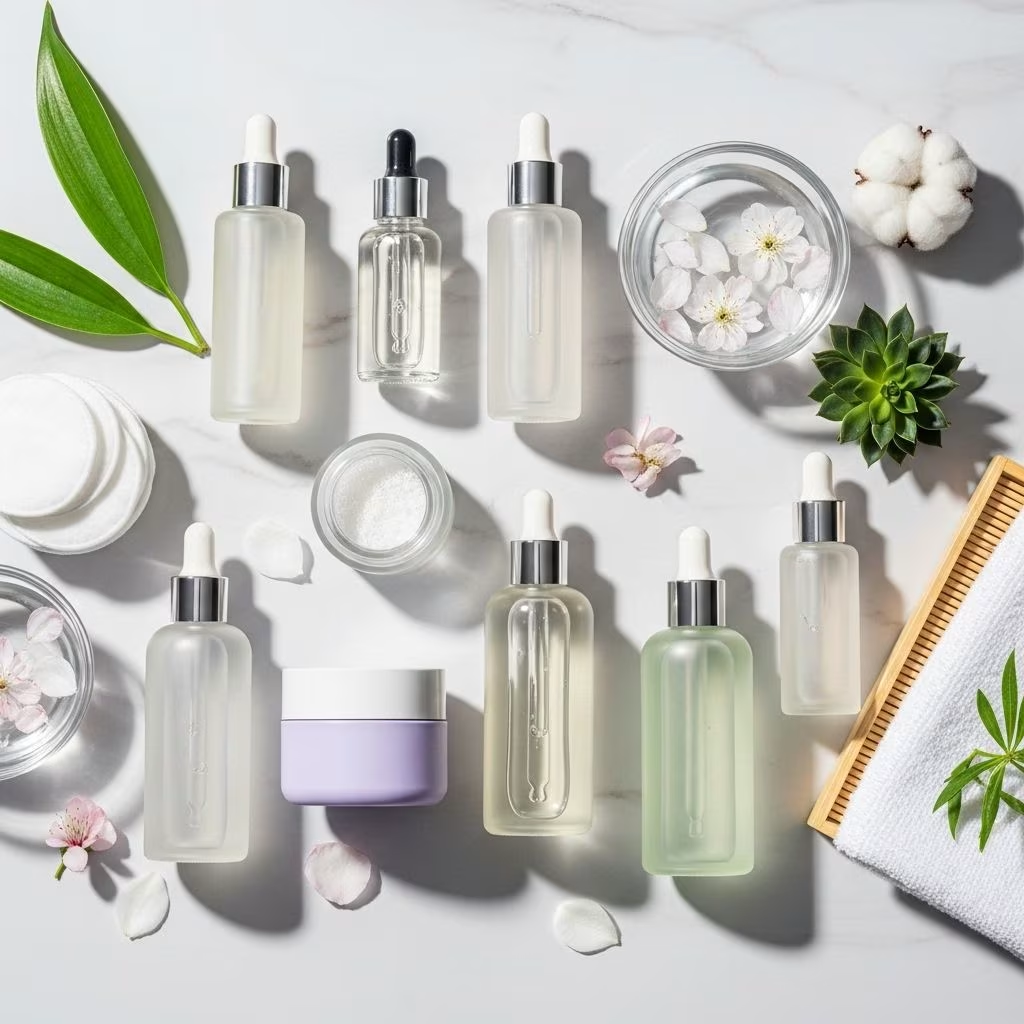
Introduction
In the ever-evolving world of skincare, facial essences have gained global recognition for their ability to deeply hydrate, nourish, and prepare the skin for maximum absorption of subsequent products. Often confused with toners due to their similar liquid textures, these two essentials each play unique roles in attaining healthy, radiant skin. This comprehensive guide unpacks everything you need to know about skincare essences, their transformative benefits, and how they differ from facial toners.
What is a Facial Essence?
A facial essence is a lightweight, water-based liquid formulation containing concentrated active ingredients designed to hydrate, nourish, and prep the skin. Essences originated in the Korean beauty (K-Beauty) world and are now embraced globally for their advanced absorption, gentle touch, and broad skin benefits.
- Typically has a thin, fluid texture – lighter than serums, similar to toners.
- High in botanicals, antioxidants, fermented ingredients, and hydration boosters such as hyaluronic acid, niacinamide, and plant extracts.
- Works by penetrating the skin’s layers, delivering deep nourishment and prepping skin for better absorption of subsequent products.
- Suitable for all skin types, including sensitive and dry skin.
An essence acts as a bridge between cleansing, toning, and treatments like serums and moisturizers, forming a foundational step in sophisticated routines.
Benefits of Facial Essence
Essences are central to K-beauty routines because of their multifaceted skin benefits. Here’s a detailed exploration of their most celebrated effects:
Hydration
Essences intensely hydrate with water-based formulas and humectant-rich ingredients. Their ultra-light consistency allows active hydrators, such as hyaluronic acid, glycerin, and glycol, to penetrate deeply and plump skin from within.
- Delivers moisture beyond the reach of heavier creams.
- Supports soft, supple skin texture.
- Prevents dryness and dehydration by reinforcing skin’s moisture reservoir.
Brighter Skin
Skin-brightening is a key essence benefit, fueled by ingredients like niacinamide, plant extracts, and fermented components. They work to:
- Even out skin tone, tackling dullness and dark spots.
- Promote a radiant, healthy-looking glow.
- Support cell renewal for fresher, brighter skin.
Skin Softening
Through advanced hydration, essences help soften and smooth skin. This is especially valuable for rough, dry, or uneven skin textures.
- Improves comfort and supple feel.
- Enhances smoothness, making skin more receptive to follow-up products.
Pore Refining
Using actives such as glycolic acid and various plant extracts, essences can refine and tighten pores, particularly for oily and combination skin types.
- Eliminates impurities lodged deep within pores.
- Reduces appearance of enlarged pores for a smoother finish.
Strengthening & Barrier Support
One of the most crucial functions, especially for sensitive or stressed skin, is barrier strengthening. Ingredients such as ceramides and lipidic blends fortify the skin’s outer layer, protecting against environmental damage, pollution, and allergens.
- Supports repair and resilience, reducing sensitivity.
- Enables skin to retain moisture and block irritants.
Soothing & Reducing Irritation
Ceramides, botanicals, and antioxidants in essences provide a calming effect on reactive or inflamed skin.
- Reduces redness and discomfort.
- Helps manage oxidative stress and repair the barrier.
Anti-Aging Benefits
Regular use of facial essences helps maintain youthful, plump skin, increasing elasticity and minimizing signs of aging.
- Promotes cell regeneration for smoother, firmer skin.
- Plumps fine lines by delivering hydration at a deeper level.
Essence vs. Toner: Key Differences
While facial essences and toners share a liquid format and are used early in skincare routines, their functions, ingredient profiles, and benefits differ substantially.
Definitions & Purposes
- Toner: Traditionally designed to remove residual impurities, balance skin pH after cleansing, and lightly hydrate. In modern formulations, toners may also offer gentle exfoliation, soothing, and minimal hydration.
- Essence: A water-based, nutrient-rich concentrate intended primarily to deliver hydration, nourish, and prep the skin to absorb subsequent serums and creams. Essences bridge the gap between toners and serums, blending some attributes of both.
Core Ingredients
- Toners:
- Witch hazel, rose water, green tea, and gentle acids (e.g., salicylic or glycolic acids)
- Minimal concentrations of humectants and antioxidants
- May contain alcohol (older formulas), though modern types are often alcohol-free
- Essences:
- High concentrations of hydrators (hyaluronic acid, glycerin, niacinamide)
- Fermented ingredients for deeper absorption
- Plant extracts, ceramides, peptides, and antioxidants
- Typically free from harsh ingredients or irritants
Application & Place in Routine
- Toner:
- Applied first, immediately after cleansing.
- Prepares skin by balancing and purifying.
- Usually swept over skin with a cotton pad or pressed gently by hand.
- Essence:
- Used after toner (or cleanser if skipping toner).
- Gently pressed or patted into the skin to maximize absorption.
- Prepares and hydrates skin for serums/moisturizers to follow.
Summary Table: Essence vs. Toner
| Feature | Toner | Essence |
|---|---|---|
| Primary Purpose | Balance, refresh, remove impurities | Hydrate, nourish, prep absorption |
| Main Ingredients | Witch hazel, rose water, mild acids | Hyaluronic acid, niacinamide, botanicals, fermented extracts |
| Texture | Watery, light | Watery to slightly viscous |
| Application Order | After cleansing, before essence/serum | After toner, before serum/moisturizer |
| Key Benefits | Refresh, pH balance, mild exfoliation | Deep hydration, skin prep, glowy complexion |
How to Use Essence and Toner Together
Integrating both products into your regimen provides synergistic results, maximizing skin health and treatment outcomes.
- Step 1: Cleanse – Remove dirt, oil, and makeup with a gentle cleanser.
- Step 2: Toner – Sweep or pat toner across face to rebalance, refine pores, and begin light hydration.
- Step 3: Essence – Dispense several drops and gently pat onto skin until absorbed; this step delivers deeper hydration and primes for treatments.
- Step 4: Serum – Apply targeted serums for concerns such as aging, pigmentation, or breakouts.
- Step 5: Moisturizer – Lock in all layers of hydration and active ingredients.
For those with limited time, combining steps (toner-essence hybrids) are available, but using both separately maximizes targeted benefits.
Choosing the Right Essence for Your Skin
Key factors to consider when selecting an essence include:
- Skin Type:
- Dry: Look for lipid-rich, ceramide-infused, and hyaluronic acid-based formulas.
- Oily/Combination: Focus on lightweight, non-comedogenic, and pore-refining options (e.g., with glycolic acid).
- Sensitive: Choose essences free from irritants, high in soothing botanicals, ceramides, and antioxidants.
- Mature: Seek peptide, fermented, and amino acid-rich essences for elasticity and anti-aging.
- Primary Concern:
- Hydration & Plumping
- Brightening & Tone Correction
- Pore Refinement
- Barrier Recovery
- Irritation Relief
- Ingredient Philosophy: Some favor plant-based, organic, or hypoallergenic blends depending on preferences and sensitivities.
Frequently Asked Questions (FAQs)
Q: Can essences replace toners in my routine?
A: Essences and toners serve different functions; while some modern hybrids exist, using both ensures complete cleansing, pH balance, and optimal skin prep.
Q: Are essences suitable for all skin types?
A: Yes, most essences are formulated to deliver benefits for every skin type, including sensitive, oily, dry, and mature skin. Pick ingredients that align with your primary needs.
Q: Should I use an essence every day?
A: Daily use is recommended for best results, preferably morning and evening after cleansing and toning.
Q: What’s the main difference between essence and serum?
A: Essences are water-based, lighter, and focus on hydration and prepping, while serums are thicker and target specific skin concerns with high doses of active ingredients.
Q: Can essences prevent signs of aging?
A: Regular essence use supports anti-aging by deeply hydrating, improving elasticity, refining pores, and promoting cell renewal.
Conclusion
Facial essences are not simply another step in the skincare routine—they are a transformative bridge between cleansing and treatment, providing layers of hydration, nourishment, and targeted benefits for all skin types. Differentiated from toners by their ingredient richness and skin-prepping function, essences unlock healthy, radiant, and resilient skin when used consistently. To maximize your skincare investment, combine the strengths of both toners and essences, selecting formulas that match your unique needs for ultimate results.
References
- https://www.lancome.com.au/beauty-magazine/benefits-facial-essence.html
- https://www.sculptedbyaimee.com/en-us/blogs/all/what-is-an-essence
- https://jurlique.com/blogs/news/everything-you-need-to-know-about-face-essences
- https://www.bioeffect.com/articles/article/facial-essences
- https://theordinary.com/en-us/blog/essence-vs-toner.html
- https://www.kiehls.com/skincare-advice/essence-skin-care.html
- https://shanyibrands.com/blogs/skincare/do-you-really-need-a-facial-essence-find-out-here
- https://franzskincareusa.com/blogs/franzation/essence-vs-serum-what-is-essence-in-skin-care


