


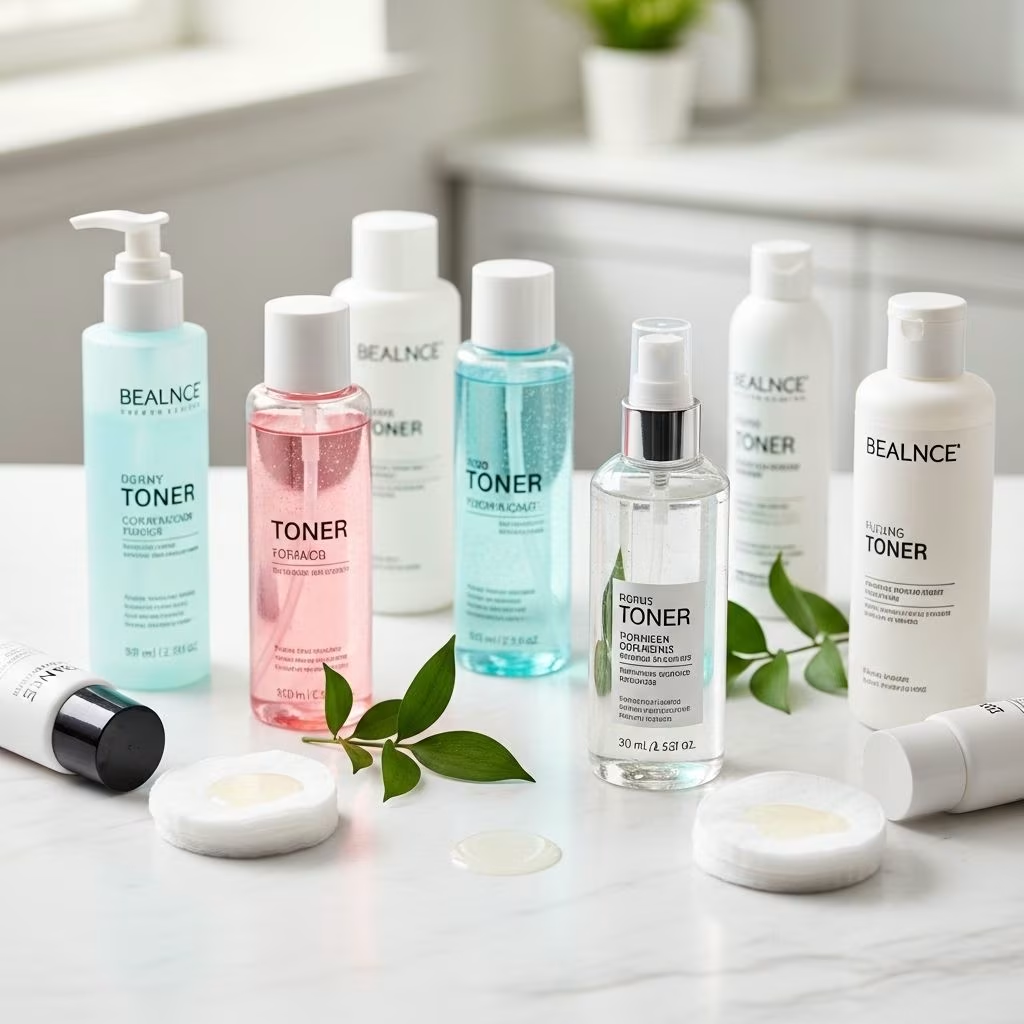
What Is a Toner?
A toner is a lightweight, liquid-based skincare product applied to the skin after cleansing and before moisturizing. Its primary purpose is to rebalance the skin’s pH level, which can become disrupted after washing, and to remove any residual impurities—such as dirt, oil, and makeup—that may remain after cleansing. Modern toners have evolved from their astringent origins and now offer a range of benefits, from hydration to gentle exfoliation, depending on the formula.
Benefits of Using a Toner
Incorporating a toner into your skincare routine offers numerous advantages:
- Balances pH Levels: Helps return your skin to its natural acidic state, which is essential for a healthy skin barrier.
- Removes Residual Impurities: Acts as a second cleanse to ensure all traces of makeup, dirt, and cleanser are removed before applying subsequent products.
- Preps Skin: Prepares the skin to better absorb serums, moisturizers, and other treatments, maximizing their effectiveness.
- Hydrates and Nourishes: Many toners contain hydrating ingredients like hyaluronic acid, glycerin, and natural extracts, which soothe and moisturize the skin.
- Minimizes Pores: Certain toners can temporarily tighten pores, giving the skin a smoother appearance.
- Brightens and Evens Skin Tone: Formulas with gentle exfoliants or brightening agents can improve skin radiance and even out tone.
Types of Toners
Not all toners are created equal. Various formulas address different skin concerns:
- Hydrating Toners: Designed for dry, dehydrated, or sensitive skin, these are often alcohol-free and packed with humectants like hyaluronic acid and glycerin.
- Exfoliating Toners: Contain alpha-hydroxy acids (AHAs) or beta-hydroxy acids (BHAs) for gentle chemical exfoliation, ideal for dull or acne-prone skin.
- Balancing Toners: Suitable for combination skin, these help regulate oil production while hydrating drier areas.
- Astringent Toners: Traditional toners with alcohol, best for very oily skin, though modern alternatives avoid harsh ingredients.
- Soothing Toners: Formulated for sensitive skin with calming agents like aloe vera, chamomile, and rose water.
- Anti-Aging Toners: Enriched with antioxidants, peptides, and glycolic acid to address fine lines and promote elasticity.
| Skin Type | Recommended Toner Type | Key Ingredients |
|---|---|---|
| Dry | Hydrating, Soothing | Hyaluronic acid, glycerin, aloe, chamomile |
| Oily | Balancing, Exfoliating | Niacinamide, green tea, AHAs, BHAs |
| Combination | Balancing | Niacinamide, hyaluronic acid, green tea |
| Sensitive | Soothing, Alcohol-free | Aloe vera, cucumber, rose water |
| Mature | Anti-Aging, Hydrating | Peptides, antioxidants, glycolic acid |
| Dull/Uneven | Brightening, Exfoliating | Vitamin C, licorice extract, AHAs |
How to Choose the Right Toner
Selecting a toner that suits your skin type and concerns is crucial for optimal results. Here’s what to consider:
- Identify Your Skin Type: Assess whether your skin is dry, oily, combination, sensitive, or mature to guide your selection.
- Check the Ingredients: Look for beneficial ingredients like hyaluronic acid (hydration), niacinamide (balancing), AHAs/BHAs (exfoliation), antioxidants (anti-aging), and soothing botanicals for sensitive skin. Avoid harsh alcohols, fragrances, and dyes if you have sensitive skin.
- Consider Specific Concerns: Choose a toner that addresses issues such as acne, redness, hyperpigmentation, or fine lines.
- Test and Patch Test: Always try a sample first, and perform a patch test to rule out irritation or allergic reactions.
- Consult a Dermatologist: For persistent skin issues, seek professional advice to find the most effective product.
Application Methods: Step-by-Step
Proper application ensures maximum benefit from your toner. Follow these steps:
- Cleanse Thoroughly: Start with a gentle cleanser to remove makeup, dirt, and excess oil.
- Choose Your Method:
- Cotton Pad: Pour toner onto a cotton pad and sweep it across your face, avoiding the eye area. This method is effective for removing any remaining impurities.
- Hands: Pour a few drops into your palms and gently pat the toner onto your skin. This technique is more hydrating, as less product is absorbed by the cotton.
- Let It Absorb: Allow the toner to dry briefly before moving on to serums, treatments, or moisturizers.
Incorporating Toner Into Your Daily Routine
Toners are versatile and can be used both morning and night. Here’s how to integrate them seamlessly:
- Morning Routine: After cleansing, apply toner to refresh and prepare your skin for sunscreen and makeup.
- Night Routine: Use toner after double cleansing to ensure all impurities are removed and your skin is ready for night treatments and moisturizers.
- Frequency: Most people benefit from using toner twice daily—morning and evening—but those with very sensitive or dry skin may prefer once a day.
- Layer with Other Products: Apply toner before serums and moisturizers to enhance absorption and efficacy.
Sample Skincare Routine with Toner
- Cleanse
- Tone
- Apply serum/treatment
- Moisturize
- Sunscreen (AM only)
Adjust the frequency and type of toner based on your skin’s needs and response.
Myths and Misconceptions About Toners
- Myth: All toners are drying. Modern toners often focus on hydration and skin barrier support, avoiding harsh alcohols found in traditional formulas.
- Myth: Toners are unnecessary. Toners can play a vital role in cleansing, balancing, and prepping the skin, especially when chosen for your specific needs.
- Myth: Toners are only for oily skin. There are toners for every skin type, including dry, sensitive, and mature skin.
- Myth: Toners can replace cleansing. Toners are a supplement to, not a replacement for, proper cleansing.
Frequently Asked Questions
Q: How often should I use a toner?
A: Most people can use toner twice daily, after cleansing. Those with sensitive or very dry skin may prefer to use it once a day.
Q: Can I use a toner if I have sensitive skin?
A: Yes, but opt for alcohol-free, fragrance-free formulas with soothing ingredients like aloe vera, chamomile, or cucumber.
Q: Should I apply toner with a cotton pad or my hands?
A: Both methods are effective. Cotton pads help remove residual impurities, while patting with hands can maximize hydration.
Q: Can a toner help with acne?
A: Yes, toners with salicylic acid (BHA) or niacinamide can help control oil and minimize breakouts, but they should be part of a broader acne-fighting routine.
Q: Do I need to wait for the toner to dry before applying other products?
A: It’s best to let the toner absorb for a few moments—just until your skin feels slightly damp—before applying serums or moisturizers.
Q: Can toners replace moisturizers?
A: No, toners and moisturizers serve different purposes. Toners prepare and hydrate, while moisturizers lock in moisture and protect the skin barrier.
Final Thoughts
Toners are a valuable addition to any skincare routine, offering benefits that go beyond simple cleansing. By selecting the right formula for your skin type and applying it correctly, you can enhance hydration, balance, and the overall effectiveness of your skincare regimen. Whether you’re targeting dryness, oiliness, sensitivity, or signs of aging, there’s a toner designed to meet your needs—unlocking healthier, more radiant skin.
References
- https://www.olay.com/skin-care-tips-and-articles/how-to-use-toner-a-comprehensive-guide/
- https://lovekinship.com/blogs/news/what-is-toner
- https://www.cerave.com/skin-smarts/skincare-tips-advice/tips-for-including-toner-in-your-skincare-routine
- https://www.skinfoodnaturally.com/blogs/the-skincare-lovers-ultimate-guide-to-facial-toners-821908/
- https://glowbar.com/blogs/glowblog/toner-what-is-it-and-why-do-i-need-it
- https://intothegloss.com/2013/08/what-do-toners-do/
- https://theordinary.com/en-us/blog/skincare-toners.html
- https://www.ipsy.com/blog/what-is-toner
- https://www.ashpveda.com/blogs/skin-care/how-to-use-skin-toners


