


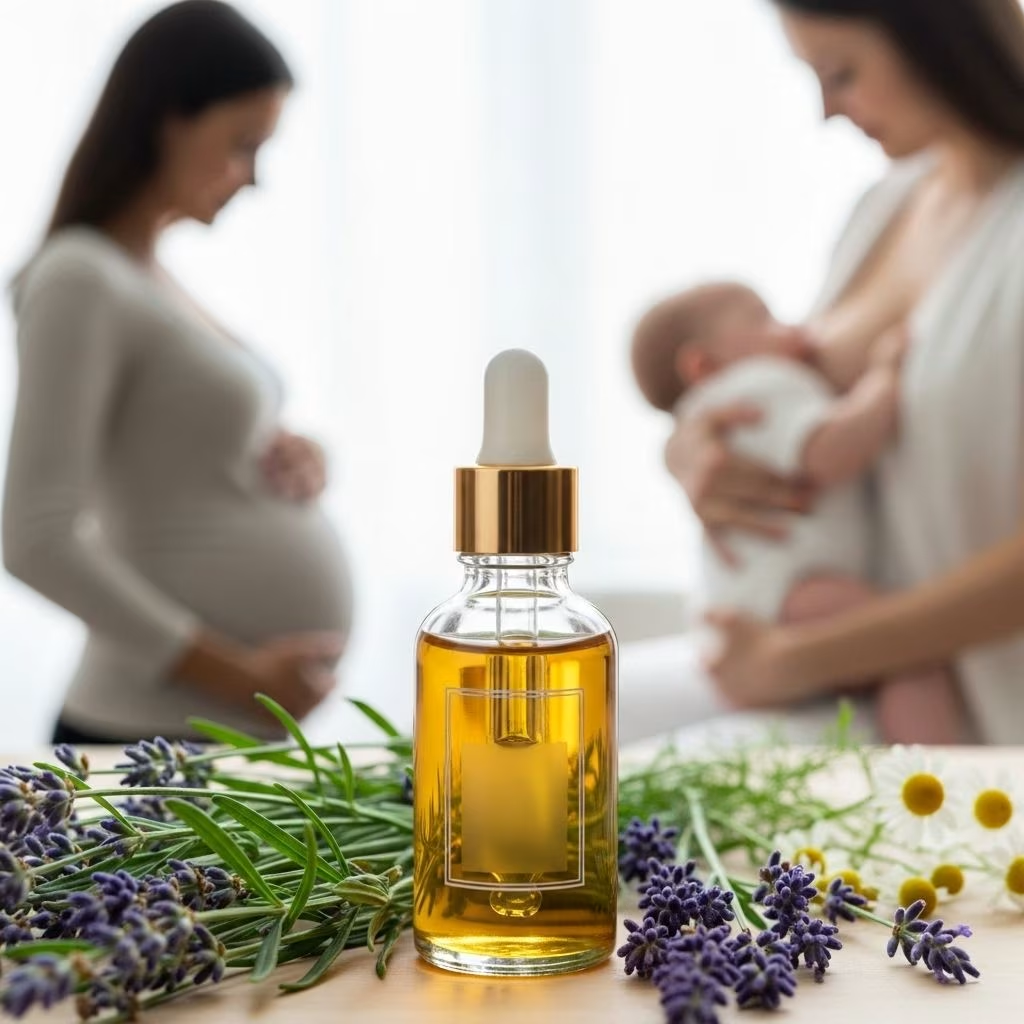
Pregnancy and breastfeeding are transformative periods in a woman’s life that require special attention to health and wellness choices. Essential oils, concentrated plant extracts valued for their therapeutic properties, can offer natural support for various physical and emotional challenges during these stages. However, not all essential oils are safe for expectant and nursing mothers, making it crucial to understand which essences can be used safely and which should be avoided to protect both mother and baby.
The use of aromatherapy during pregnancy and breastfeeding has gained significant attention in recent years as more women seek natural alternatives for managing common discomforts. From morning sickness and anxiety to sleep disturbances and skin changes, essential oils may provide gentle relief when used appropriately. This comprehensive guide explores the safe use of essential oils during pregnancy and breastfeeding, offering evidence-based recommendations to help mothers make informed decisions about incorporating aromatherapy into their wellness routines.
Understanding Essential Oils During Pregnancy
Essential oils are highly concentrated botanical extracts obtained through distillation or cold-pressing processes. Their potency means that even small amounts can have significant physiological effects, which is why caution is paramount during pregnancy and breastfeeding. The molecular structure of essential oils allows them to penetrate the skin barrier and enter the bloodstream, potentially affecting both mother and developing baby.
During pregnancy, a woman’s body undergoes substantial hormonal and physiological changes that can affect how essential oils are metabolized and utilized. The placenta, while protective, does not filter out all substances, meaning certain compounds in essential oils could potentially reach the developing fetus. Similarly, during breastfeeding, some components of essential oils may transfer into breast milk, making it essential to select oils carefully and use them appropriately.
The general consensus among aromatherapists and healthcare providers is that essential oils should be avoided entirely during the first trimester when organ development occurs. After this critical period, certain essential oils may be introduced gradually and always in properly diluted forms. The key principle is to prioritize safety over potential benefits, consulting with qualified healthcare providers before incorporating any essential oils into a pregnancy or breastfeeding wellness routine.
Safe Essential Oils for Pregnancy
Several essential oils have been identified as generally safe for use during the second and third trimesters of pregnancy when used properly. These oils can help address common pregnancy discomforts while posing minimal risk to mother and baby.
Lavender Essential Oil
Lavender stands as one of the most widely recommended essential oils for pregnancy due to its gentle nature and versatile applications. This calming oil is particularly valued for its ability to promote relaxation and improve sleep quality, which can be especially beneficial as pregnancy progresses and comfortable rest becomes more challenging. Lavender may also help reduce anxiety and stress, common emotional experiences during pregnancy. Additionally, it can be used to soothe minor skin irritations and promote skin health as the body changes. When using lavender during pregnancy, always dilute it properly with a carrier oil such as sweet almond or grapeseed oil before topical application, and avoid ingesting it in any form.
Citrus Essential Oils
Citrus oils including lemon, grapefruit, mandarin, tangerine, and wild orange offer uplifting and energizing properties that can help combat pregnancy fatigue and mood fluctuations. These bright, cheerful scents are excellent for diffusion and can help alleviate nausea and morning sickness when inhaled. Lemon oil in particular has been studied for its anti-nausea properties. However, citrus oils are photosensitive, meaning they can increase skin’s sensitivity to sunlight. After topical application of any citrus oil, avoid direct sunlight or UV exposure for at least twelve hours to prevent skin irritation or burning.
Chamomile Essential Oil
Both German and Roman chamomile varieties are considered safe for pregnancy and offer soothing, anti-inflammatory properties. Chamomile can help ease digestive discomfort, reduce anxiety, and promote better sleep. Its gentle nature makes it suitable for sensitive skin, and it can be added to baths or used in diluted massage blends. Chamomile’s calming effects extend beyond the physical, offering emotional support during the sometimes overwhelming experience of pregnancy.
Frankincense Essential Oil
Frankincense is valued for its grounding and centering properties, making it beneficial for meditation and stress reduction during pregnancy. This ancient oil may help support respiratory function and can be used to promote skin elasticity as the body expands. Frankincense blends well with other pregnancy-safe oils and is generally considered gentle enough for use during the second and third trimesters when properly diluted.
Eucalyptus Essential Oil
Eucalyptus offers respiratory support and can be particularly helpful for congestion, which many pregnant women experience due to increased blood volume and hormonal changes. When used in moderation through inhalation or diffusion, eucalyptus can help clear nasal passages and support easier breathing. However, women with asthma or other breathing difficulties should avoid eucalyptus oil entirely, as it may trigger respiratory distress in sensitive individuals.
Ginger Essential Oil
Ginger essential oil is particularly renowned for its effectiveness in combating nausea and morning sickness, two of the most common and uncomfortable early pregnancy symptoms. The warm, spicy aroma can be inhaled directly from the bottle or diffused to help settle an upset stomach. Ginger also offers anti-inflammatory properties and may help with digestive comfort throughout pregnancy.
Ylang Ylang Essential Oil
Ylang ylang provides stress-reducing benefits and can help lower blood pressure, which may be beneficial for pregnant women experiencing pregnancy-related hypertension. Its sweet, floral scent is uplifting and can enhance mood while supporting skin health. Ylang ylang should be used sparingly as its strong aroma can be overwhelming for some pregnant women who experience heightened sensitivity to smells.
Neroli and Petitgrain Essential Oils
These citrus blossom oils offer calming properties without the photosensitivity concerns of pressed citrus oils. Neroli and petitgrain can help reduce anxiety, promote emotional balance, and support better sleep. Their gentle nature makes them excellent choices for pregnancy aromatherapy, particularly when emotional support is needed.
Essential Oils for Breastfeeding Support
The postpartum period and breastfeeding journey present their own unique challenges where essential oils can provide natural support. However, it remains crucial to use oils safely to avoid affecting milk supply or transferring potentially harmful compounds to nursing infants.
Galactagogue Essential Oils
Certain essential oils are known as galactagogues, substances that may help increase milk production. Fennel seed essential oil is the most commonly recognized galactagogue in aromatherapy. When using high-quality, ingestible-grade fennel oil, nursing mothers can take two drops daily for up to ten days to potentially boost milk supply. This can be added to a teaspoon of honey, placed in a vegetable capsule, or incorporated into tea. Fennel can also be applied topically to the chest area when mixed with a carrier oil, being careful to avoid the nipple and areola. If any oil comes into contact with the nipple area, it should be thoroughly cleaned before nursing.
Basil essential oil is another potential galactagogue that can be used to support milk production. Unlike fennel, basil can be used for longer than ten days if desired. It works wonderfully when incorporated into cooking, with one or two drops added to spaghetti sauce or other dishes providing both culinary enjoyment and potential lactation support. Basil can also be applied topically to the breasts away from the nipple area or along the spine at bra-line level when diluted with a carrier oil.
Dill essential oil rounds out the galactagogue trio and can be used similarly to fennel and basil for supporting milk production. These herbs have been used traditionally for centuries to support breastfeeding mothers, and their essential oil forms offer concentrated benefits when used appropriately.
Stress and Mood Support While Breastfeeding
The postpartum period can be emotionally challenging, and certain essential oils can provide gentle support for mood regulation and stress reduction. Lavender remains an excellent choice for breastfeeding mothers, offering the same calming and sleep-promoting benefits it provided during pregnancy. Bergamot essential oil is particularly uplifting and can help reduce feelings of stress and anxiety that often accompany new motherhood. Its delightful citrus aroma makes it excellent for diffusion throughout the home or addition to a warm bath for relaxation.
Specialized essential oil blends designed for stress relief and emotional balance can be particularly beneficial for breastfeeding mothers. These blends combine multiple pregnancy and breastfeeding-safe oils to create synergistic effects that support emotional wellbeing during this demanding time.
Oils Generally Safe for Breastfeeding
Beyond those specifically supporting lactation, many essential oils that were safe during pregnancy remain safe during breastfeeding. These include bergamot, citronella, clary sage (which should be avoided during pregnancy but is safe while breastfeeding), clove bud, cypress, and geranium. Tea tree oil can continue to be used for its antimicrobial properties, particularly for treating minor skin issues or maintaining household cleanliness.
Essential Oils to Avoid
Understanding which essential oils to avoid during pregnancy and breastfeeding is equally important as knowing which are safe. Certain oils contain compounds that can stimulate uterine contractions, interfere with hormone function, reduce milk supply, or potentially harm the developing baby.
Oils to Avoid During Pregnancy
Aniseed, basil (particularly Madagascan varieties), birch, camphor, and cassia should all be avoided throughout pregnancy due to their potential to cause uterine stimulation or contain toxic compounds. Cinnamon bark is particularly concerning as it can trigger contractions and should be strictly avoided, though small amounts of cinnamon in food are generally considered safe.
Clary sage is a powerful uterine stimulant that can induce contractions and potentially lead to premature labor, making it absolutely contraindicated during pregnancy. However, it may be used during active labor under professional guidance and becomes safe again during breastfeeding. Clove, cumin, and geranium should also be avoided during pregnancy despite their common use in other contexts.
Hyssop, mugwort, nutmeg, oak moss, and parsley (both seed and leaf forms) all contain compounds that can be harmful during pregnancy. Pennyroyal is perhaps the most dangerous essential oil for pregnant women, as it has historically been used to induce abortion and can cause serious complications including liver damage and death. It should never be used during pregnancy under any circumstances.
Peppermint oil presents an interesting case, as it can be helpful for nausea during pregnancy but should be avoided during breastfeeding as it may significantly reduce milk supply. Rosemary, rue, sage (particularly Spanish sage), tansy, tarragon, thuja, thyme, wintergreen, and wormwood all contain compounds that can be neurotoxic, abortifacient, or otherwise harmful during pregnancy and should be completely avoided.
Oils to Avoid During Breastfeeding
While the list of oils to avoid during breastfeeding is somewhat shorter than during pregnancy, certain oils remain contraindicated. Peppermint is the most notable oil to avoid while nursing, as even small amounts can dramatically reduce milk supply. Sage and parsley should also be avoided for the same reason. Any oils that were avoided during pregnancy due to toxic compounds should continue to be avoided during breastfeeding, including pennyroyal, wormwood, tansy, and wintergreen.
Safe Application Methods
How essential oils are used is just as important as which oils are chosen. Several application methods are considered safe during pregnancy and breastfeeding when proper precautions are followed.
Inhalation and Diffusion
Inhalation through diffusion is generally considered the safest method for using essential oils during pregnancy and breastfeeding. This method allows mothers to enjoy the aromatic and therapeutic benefits of oils with minimal risk of overexposure. When diffusing oils, use only a few drops in the diffuser and ensure the room is well-ventilated. Diffusion sessions should be limited to 30-60 minutes at a time with breaks in between to prevent olfactory fatigue or overexposure.
Direct inhalation from the bottle or from oils applied to a tissue or cotton ball offers another safe option. This method provides immediate benefit for issues like nausea or anxiety without requiring skin contact or ingestion.
Topical Application
When applying essential oils topically during pregnancy or breastfeeding, proper dilution is absolutely essential. Essential oils should never be applied undiluted (neat) to the skin during these periods. The recommended dilution rate for pregnancy is 1-2 percent, meaning one to two drops of essential oil per teaspoon of carrier oil. Common carrier oils include sweet almond oil, jojoba oil, coconut oil, grapeseed oil, and olive oil.
Areas of application should be chosen carefully. During pregnancy, avoid applying oils directly to the abdomen, especially in the first trimester. During breastfeeding, oils should never be applied to the nipples or areola, and breasts should be cleaned thoroughly before nursing if oils have been applied to the chest area. A patch test should always be performed before using a new oil, applying a small amount of the diluted blend to the inner forearm and waiting 24 hours to check for any reaction.
Bath Therapy
Adding essential oils to bathwater can provide both aromatic and topical benefits in a diluted, gentle format. However, essential oils do not mix directly with water and must first be diluted in a dispersant such as milk, honey, bath salts, or a carrier oil before being added to the bath. Use only 4-6 drops of essential oil total in a full bath, and ensure water temperature is comfortable rather than hot, as excessive heat can be problematic during pregnancy.
Ingestion Considerations
Internal use of essential oils during pregnancy and breastfeeding is highly controversial and generally not recommended by most healthcare providers and aromatherapy professionals. The concentration of compounds in essential oils makes ingestion potentially dangerous, and there is insufficient research to support that this practice is safe for developing babies or nursing infants. If considering internal use of specific oils like fennel for lactation support, only use oils specifically labeled as safe for ingestion, and consult with a healthcare provider first. Never ingest essential oils from brands that do not explicitly label their oils as suitable for internal use.
Trimester-Specific Considerations
The safety and appropriateness of essential oil use varies across the different stages of pregnancy, requiring mothers to adjust their aromatherapy practices as pregnancy progresses.
First Trimester Precautions
The first trimester, spanning weeks 1-13, is the most critical period of fetal development when major organs and systems are forming. During this time, the developing embryo is most vulnerable to external influences. The overwhelming consensus among aromatherapists and healthcare providers is that essential oils should be avoided entirely during the first trimester as a precautionary measure. This conservative approach minimizes any potential risk to the developing baby during this crucial formative period.
Morning sickness, fatigue, and other first trimester symptoms can be managed through non-aromatic means such as dietary adjustments, adequate rest, ginger root (not the essential oil), vitamin B6, and sea bands. If symptoms are severe, consultation with a healthcare provider is essential rather than attempting to self-treat with essential oils.
Second Trimester Introduction
The second trimester, weeks 14-27, represents a time when careful introduction of certain essential oils may be considered. This period is generally more stable, with major organ development complete and the risk of miscarriage significantly reduced. Oils like lavender, chamomile, and citrus varieties can be introduced at this point in very diluted concentrations for diffusion or gentle topical application.
Start with the gentlest oils and observe how your body responds. Pregnancy can heighten sensitivity to smells, so oils that were previously pleasant may become overwhelming. Begin with very brief diffusion sessions and minimal topical use, gradually increasing as comfort allows while maintaining conservative dilution ratios.
Third Trimester Support
During the third trimester, weeks 28-40, a slightly broader range of essential oils may be utilized to address common late-pregnancy discomforts such as swelling, sleep disturbances, anxiety about impending labor, and physical discomfort. Oils like frankincense for grounding, lavender for sleep support, and citrus oils for mood elevation can be particularly beneficial during this time.
As the due date approaches, some oils that were previously avoided, such as clary sage, may be considered under professional guidance to support labor preparation. However, any use of potentially labor-stimulating oils should only occur under the supervision of a qualified healthcare provider or certified aromatherapist specializing in pregnancy care.
Best Practices for Safe Use
Implementing essential oils safely during pregnancy and breastfeeding requires adherence to several key principles that prioritize the health and safety of both mother and baby.
Quality and Sourcing
The quality of essential oils varies dramatically between brands and suppliers. During pregnancy and breastfeeding, it is crucial to use only high-quality, pure essential oils from reputable suppliers. Look for oils that are certified organic, properly tested for purity, and free from synthetic additives or contaminants. Oils should be stored in dark glass bottles and kept away from heat and light to preserve their integrity.
Professional Guidance
Before incorporating any essential oils into a pregnancy or breastfeeding wellness routine, consultation with healthcare providers is essential. Obstetricians, midwives, and certified aromatherapists specializing in pregnancy care can provide personalized guidance based on individual health circumstances, pregnancy progression, and any complications or risk factors present. Every pregnancy is unique, and what may be safe for one woman may not be appropriate for another.
Documentation and Monitoring
Keep careful records of which oils are used, in what concentrations, and for what purposes. Note any reactions, whether positive or negative, to help identify which oils work best for individual needs and circumstances. This documentation can be valuable for healthcare providers and can help identify patterns or potential sensitivities.
Storage and Safety
Essential oils should be stored safely away from children and in a cool, dark location to preserve their quality. They are flammable and should be kept away from heat sources. Never leave oils in direct sunlight or in hot cars, as heat can degrade their chemical composition and reduce their therapeutic value.
Frequently Asked Questions
Q: When can I start using essential oils during pregnancy?
A: It is recommended to avoid all essential oils during the first trimester of pregnancy when fetal development is most critical. After the first trimester, certain gentle oils may be introduced carefully and always in properly diluted form after consultation with your healthcare provider.
Q: Can I diffuse essential oils around my newborn?
A: Essential oils should generally be avoided around newborns under three months of age as their systems are still developing. After this period, gentle oils like lavender may be diffused in well-ventilated spaces for short periods, but never directly around the baby.
Q: Will essential oils affect my breast milk supply?
A: Some essential oils like peppermint, sage, and parsley can reduce milk supply and should be avoided while breastfeeding. Conversely, oils like fennel, basil, and dill may help increase milk production when used appropriately.
Q: What should I do if I experience a reaction to an essential oil?
A: Discontinue use immediately and wash the affected area with soap and water. If a reaction occurs after inhalation, move to fresh air. For severe reactions, seek medical attention. Always perform a patch test before using a new oil during pregnancy or breastfeeding.
Q: Can I use essential oils during labor?
A: Certain essential oils may be used during labor under the guidance of a qualified healthcare provider or certified aromatherapist. Oils like lavender for relaxation or clary sage for labor support are sometimes used, but this should only be done with professional supervision.
Q: Are carrier oils safe during pregnancy?
A: Yes, carrier oils such as sweet almond oil, jojoba oil, coconut oil, and grapeseed oil are generally safe during pregnancy and are essential for properly diluting essential oils before topical application. Always check for allergies to specific carrier oils before use.
Q: How diluted should essential oils be during pregnancy?
A: Essential oils should be diluted to 1-2 percent during pregnancy, which equals approximately 1-2 drops of essential oil per teaspoon of carrier oil. This conservative dilution rate minimizes risk while still providing therapeutic benefits.
Q: Can I use essential oils if I have pregnancy complications?
A: Women with pregnancy complications such as gestational diabetes, preeclampsia, placenta previa, or a history of miscarriage should exercise extra caution and consult closely with their healthcare provider before using any essential oils.
The journey through pregnancy and breastfeeding represents a special time when natural wellness approaches can provide gentle support for the many physical and emotional changes mothers experience. Essential oils, when selected carefully and used appropriately, offer a safe and effective complement to conventional care. By understanding which oils are safe, which should be avoided, and how to use them properly, mothers can confidently incorporate aromatherapy into their wellness routines while prioritizing the health and safety of both themselves and their babies. Always remember that professional guidance from qualified healthcare providers and certified aromatherapists specializing in maternal care is invaluable in creating a safe and beneficial essential oil practice during these precious months.
References
- https://www.paulakemptherapies.co.uk/essential-oils-safe-for-pregnancy-and-breastfeeding/
- https://thebirthhour.com/essential-oils-for-breastfeeding/
- https://www.morelandobgyn.com/blog/essential-oils-and-pregnancy-safety
- https://www.partumhealth.com/resources/pregnancy-safe-essential-oils
- https://icea.org/the-safe-use-of-essential-oils/
- https://www.mayoclinichealthsystem.org/hometown-health/speaking-of-health/essential-oils-and-pregnancy
- https://miraclebotanicals.com/a/blog/essential-oils-while-breastfeeding
- https://thesleepstore.com.au/sleep-information/pregnancy-preparing-for-your-baby/pregnancy-birth/using-essential-oils-safety-during-pregnancy-breastfeeding-around-newborns
- https://teane.com/en/blogs/infos/essential-oils-during-pregnancy


