


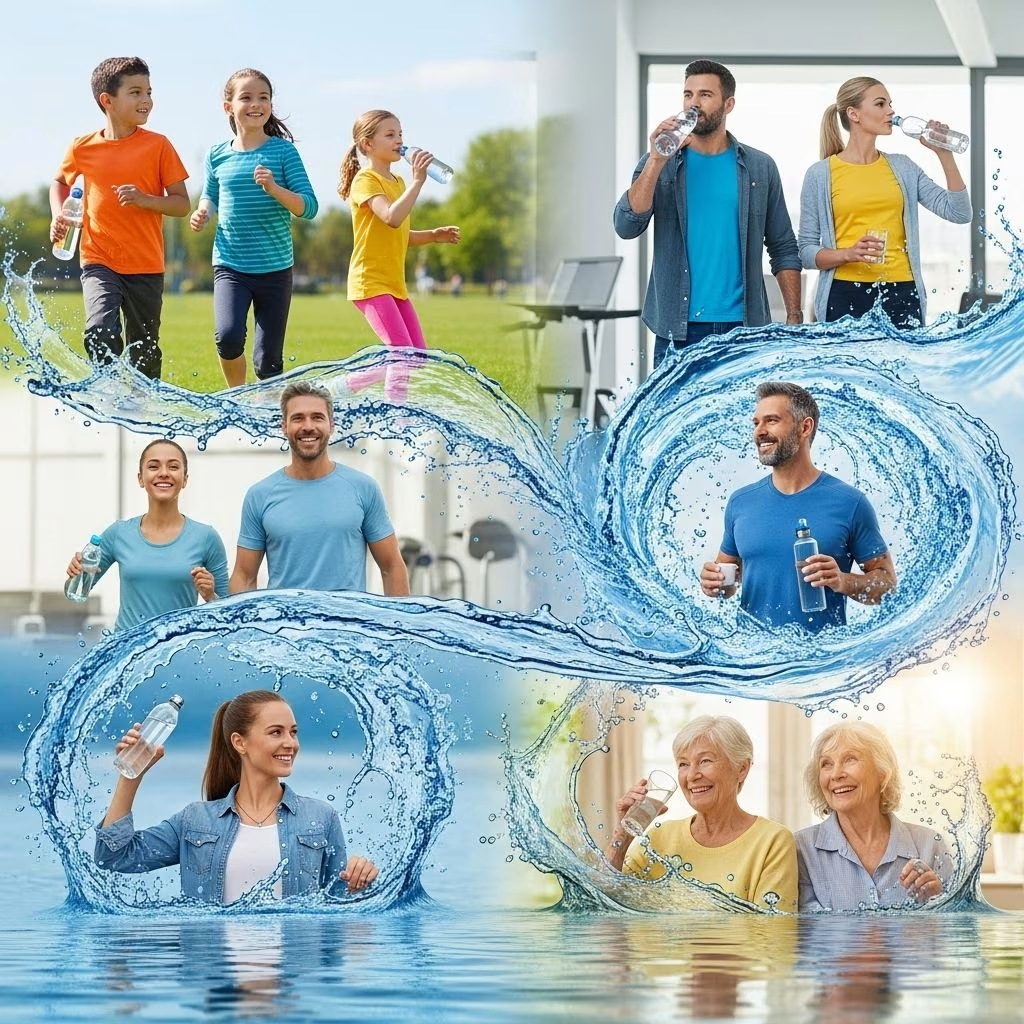
Motivational Psychology for Hydration Habits
Hydration is fundamental to human health, affecting physical performance, cognitive function, mood, and long-term wellbeing. Despite its importance, many individuals struggle to maintain consistent water intake. Understanding the motivational psychology behind hydration habits offers a pathway for designing more effective interventions, building healthy routines, and overcoming obstacles to adequate water consumption.
Introduction: The Need for Motivational Psychology in Hydration
Although the health value of regular water intake is widely recognized, patterns of *underhydration* persist in diverse populations worldwide. Problems such as inconsistent water consumption, habitual reliance on sugar-sweetened or caffeinated beverages, and low awareness of dehydration symptoms are common. Research in motivational psychology seeks to answer: Why do people struggle to maintain healthy hydration habits? and What drives (or impedes) water drinking behaviour?
New findings show that water intake is not simply a matter of physical need or health knowledge: it is powerfully shaped by habits, cognitive processes, social cues, environmental factors, and identity.
Habit Formation and Situated Water Drinking
Early research reveals that hydration behaviour frequently emerges from situated habits: repeated actions in predictable contexts. For instance, most people drink water at certain regular times (e.g., during meals, upon waking, during exercise), forming routines around specific settings.
- Sedentariness of Habits: Water intake often depends on context. A person who habitually drinks water at work may consume less on weekends or holidays, reflecting how rituals are tied to particular situations.
- Consistency vs. Inconsistency: Individuals with routines covering diverse situations (home, travel, socializing) achieve more stable hydration. Narrowly situated habits (e.g., only at bedtime) result in inconsistent or low intake.
- Response to Thirst: Much water consumption is reactive to thirst, which can be easily ignored or suppressed. This leads to sporadic, insufficient hydration.
Implication: Effective hydration strategies require creating habits that span multiple daily settings—not just relying on isolated triggers.
Cognitive Mechanisms & Grounded Cognition Theory
Mental processes and desire play a pivotal role in drinking behaviour. The grounded cognition theory proposes that people imagine or simulate the pleasurable experience of consuming a beverage, which increases their desire and actual intake.
- Simulation of Reward: People are more motivated to consume drinks they associate with positive sensations (taste, refreshment)—especially sugar-sweetened beverages (SSBs). Water may lack these rewards unless deliberately emphasized.
- Sensory Representation: Incorporating sensory cues (visual clarity, coldness, taste) and immediate pleasure in mental representations can make water more appealing than focusing on long-term health.
- Repetition and Habit Strength: Regularly making healthy choices in similar situations reinforces the desire for water, strengthening habit formation over time.
| Factor | Influence on Drinking Behaviour |
|---|---|
| Desire & Reward Simulation | Increases likelihood of beverage choice by making the experience mentally appealing. |
| Sensory Attributes | Chilled water is often preferred over room temperature, enhancing motivation. |
| Habitual Context | Behaviours repeated in context become automatic, reducing friction. |
Identity, Knowledge, and Attitudes Toward Hydration
Self-concept—the way individuals perceive themselves—can impact hydration:
- Water as Identity: People who see themselves as “water drinkers” exhibit higher, more consistent intake across settings. When hydration is thought to be part of self-identity, motivation is sustained.
- Knowledge Gaps: Many lack accurate information about hydration needs, consequences of underhydration, and optimal water intake.
- Positive Attitudes: Few participants in recent studies described water in positive terms or considered it enjoyable, affecting their motivation to drink.
Takeaway: Fostering a positive attitude and embedding hydration into self-identity can improve adherence to water intake recommendations.
Environmental and Social Influences
The environment and social context play significant roles in shaping hydration habits:
- Availability: Easy access to water (bottles, dispensers) increases likelihood of consumption.
- Environmental Cues: Visible signs, apps, reminders, and peer behaviour reinforce drinking action.
- Social Norms: Observing peers drinking water (in offices, gyms, classrooms) can normalize and promote the behaviour.
- Culture: Some cultures emphasize tea, coffee, or juice over plain water, influencing choices.
Strategies to Promote Healthy Hydration Habits
Despite the prevalence of underhydration, only a limited subset of individuals employ effective strategies to boost their water intake. Behaviour change techniques center on leveraging motivation, habits, and cognitive cues.
- Enhancing Immediate Pleasure: Instead of focusing solely on future health benefits, interventions can highlight the instant satisfaction (refreshment, taste) of drinking water.
- Routine Setting: Schedules that feature water breaks, glass refill reminders, or linked habits (e.g., drinking water after bathroom trips) enhance intake.
- Tracking and Feedback: Apps, smart bottles, journals, or urine colour charts can provide awareness and reinforcement.
- Modifying Environment: Make water more accessible in commonly inhabited areas (desk, car, bedside).
- Positive Attitude Cultivation: Promote water as desirable, tasty, or energizing—for instance, chilled water or infused with fruit.
- Identity Integration: Encourage individuals to view themselves positively as healthy water drinkers.
Cognition, Mood, and Performance: Effects of Hydration
Adequate hydration is not only a matter of physical health—it also affects psychological wellbeing and cognitive performance.
- Mood Enhancement: Water consumption has been shown to improve self-reported mood. Dehydration can worsen fatigue and irritability.
- Cognitive Benefits: Acute water intervention studies document improved short-term memory, attention, and overall cognitive performance shortly after drinking water.
- Mediating Factors: Water temperature can influence both motivation (chilled water is more pleasant) and absorption rate, which in turn affects timing and magnitude of cognitive effects.
Practically, habitually drinking water at regular intervals optimizes both mental clarity and physical health, supporting the argument for integrating psychological motivators in hydration routines.
Intervention Techniques: Behaviour Change for Hydration
Empirical research suggests a multidimensional approach combining individual, social, and environmental interventions:
- Education: Addressing knowledge gaps by teaching about hydration’s importance, recommended intake, and signs of underhydration.
- Feedback: Self-monitoring via apps or devices increases accountability and awareness.
- Habit Scaffold: Use cue-based interventions (sticky notes, alarms, social nudges) to remind and reinforce drinking behaviour.
- Social Support: Peer groups or workplace initiatives normalize and motivate regular water consumption.
- Targeting Desire: Make water more appealing by emphasizing instant pleasure and sensory gratification.
- Individualization: Tailor interventions to personal preferences and daily routines—recognizing one-size-fits-all approaches may fail.
Behaviour Change Techniques Table
| Technique | Description | Effectiveness |
|---|---|---|
| Self-monitoring | Track daily water intake with apps or journals | High for increasing awareness and reinforcement |
| Environmental modification | Increase accessibility and visibility of water | Very High; reduces effort barriers |
| Social reinforcement | Leverage peer encouragement and workplace programs | Moderate to High, especially for groups |
| Sensory enhancement | Serve water chilled, infuse with fruit, use attractive bottles | Moderate; boosts desirability |
| Education | Provide information about benefits, signs, and needs | Variable; effective when paired with other techniques |
Frequently Asked Questions (FAQs)
Q: How much water should I drink daily for optimal health?
A: Recommended water intake varies by age, sex, activity, and climate. General guidelines suggest 2–3 litres per day for most adults, but individual needs may differ.
Q: Why do I often forget to drink water even if I’m thirsty?
A: Thirst cues are easily ignored due to distraction, poor habit strength, or lack of environmental reminders. Situating water drinking in routines and using cues helps build consistency.
Q: How can I make drinking water more enjoyable?
A: Enhancing the sensory experience (chilled water, fruit infusions, stylish bottles) and mentally emphasizing immediate pleasure can make water intake more desirable.
Q: Do hydration habits really affect mental performance?
A: Yes, studies link hydration to improved cognitive abilities such as memory and attention, with water intake boosting mood and reducing fatigue.
Q: What can workplaces do to promote healthy hydration?
A: Workplaces can provide easy access to water, install hydration stations, encourage regular water breaks, and support social norms for healthy drinking.
Conclusion
Understanding the motivational psychology behind hydration habits bridges gaps between mere knowledge and lasting behaviour change. Research shows that the interplay of habit formation, mental reward simulation, self-identity, social and environmental influences, and tailored interventions is the key to sustainable hydration behaviours. Building effective routines for water intake requires addressing cognitive desires, leveraging immediate pleasure, and embedding positive identity, transforming hydration from obligation to automatic self-care.
References
- https://pubmed.ncbi.nlm.nih.gov/33887422/
- https://pubmed.ncbi.nlm.nih.gov/33774627/
- https://www.cambridge.org/core/journals/british-journal-of-nutrition/article/effects-of-hydration-status-on-cognitive-performance-and-mood/1210B6BE585E03C71A299C52B51B22F7
- https://karger.com/anm/article/76/Suppl.%201/31/52184/The-Psychology-of-Desire-and-Implications-for
- https://www.hydrationforhealth.com/en/hydration-science/conference-series/conference-series-list/psychology-of-hydration-habits-en/


